

Imagining yourself wandering ancient temples, exploring lively markets, and relaxing on immaculate beaches? Thailand delivers all this and much more, earning its place as a favorite spot for travelers around the globe. Before you set off, its wise to get a handle on your potential thailand trip cost. This breakdown will lay out the essentials, helping you prepare financially for your journey without any unexpected expenses.
Several elements impact how much your trip will cost. Your preferred style of travel, the length of your stay, and the activities you want to enjoy all contribute to the final tally. Whether youre backpacking on a budget, seeking comfortable mid-range options, or indulging in luxury, Thailand caters to a wide range of budgets. The following sections cover everything from flights and lodging to meals, transportation, and exciting excursions.
Drawing on the latest tourism data and cost insights, this guide aims to paint a realistic picture of expenses, especially for bustling hubs like Bangkok and beyond. By the time you finish reading, youll have a solid grasp of what to expect, letting you confidently tailor your Thai adventure to your financial plans.
Understanding Your Thailand Trip Cost: The Basics
Setting a budget for Thailand begins with identifying the main spending categories. These usually include your international airfare, local travel, accommodations, meals, and activities. The total thailand trip cost can vary widely depending on how you allocate your funds. For instance, a backpacker might get by on roughly $50 daily, while someone opting for luxury could easily spend upwards of $300 each day.
Your travel preferences heavily influence the budget. Are you content with hostels and street food, or do you lean toward boutique hotels and gourmet dining? The duration of your trip also plays a key roletwo weeks will naturally cost less than a month-long expedition. Major tourist spots like Bangkok and the southern islands often carry steeper price tags than the quieter northern regions.
Well examine each spending area individually to help you gauge your own expenses. Flexibility often leads to savings; traveling during shoulder seasons, for example, can lower costs for flights and stays. Grasping these fundamentals lays a strong groundwork for managing your trips financial side.
Flights to Thailand: The Initial Investment
For most visitors, international flights represent the single largest expense. Prices fluctuate depending on your departure point, travel season, and how early you book. Flights to Bangkoks Suvarnabhumi Airport (BKK) from North America or Europe generally range from $600 to $1,200 or more. Peak travel times, especially from December through February, tend to push prices higher. Securing tickets 6 to 8 months ahead often results in better deals.
Once inside Thailand, domestic flights offer a quick way to cover great distances. Popular routes like Bangkok to Chiang Mai or Phuket typically cost between $30 and $80 one-way. Budget airlines such as AirAsia and Nok Air provide competitive fares, and booking a few weeks in advance usually suffices. Comparing prices across various airlines and platforms can help you find the best value.
Flying into secondary airports, like Bangkoks Don Mueang Airport (DMK), which serves many budget carriers, can save money. Exploring different flight options often reduces your initial expenses, helping you keep your overall thailand trip cost in check. Being flexible with travel dateseven by a day or twocan make a noticeable difference in ticket prices.
Accommodation in Thailand: Where to Rest Your Head
The accommodation spectrum in Thailand is impressively broad, ranging from simple hostels to lavish resorts. Your choice here will have a significant effect on your daily spending. While cities like Bangkok and popular islands tend to have slightly higher prices, generally the country offers excellent value for money.
Hostels are ideal for budget travelers, with dorm beds usually priced between $10 and $20 per night. Private rooms in these hostels often run from $25 to $40 and frequently come with breakfast and communal spaces to meet fellow travelers. Those seeking mid-range options can find guesthouses and hotels charging $30 to $70 per night, typically with private bathrooms, air conditioning, and sometimes pools.
Luxury stays begin around $100 per night and can climb significantly higher. Five-star hotels and beachfront resorts offer top-tier amenities such as rooftop pools, spas, and fine dining. Even at this premium level, Thailand often delivers more bang for your buck than comparable venues in Western countries. Always check reviews and consider the location before booking to make sure it fits your needs.

Delicious Thai Food & Drink: A Culinary Journey
Sampling Thai cuisine is a highlight of any visitand it can be surprisingly budget-friendly. Street vendors serve up iconic dishes like pad Thai, green curry, and mango sticky rice for just $1 to $3 per plate. These food stalls are ubiquitous, offering fresh, authentic tastes at a fraction of restaurant prices.
Local eateries, often found in food courts or as standalone restaurants, provide a more comfortable dining experience, with meals typically costing between $5 and $10. These spots usually offer a broader menu and air conditioning. Tourist-focused restaurants in busy areas charge more, with main courses often priced from $15 to $30 or higher.
Beverages are also affordable: bottled water costs about $0.50, local beers like Chang or Singha run $2 to $4 in restaurants and even less at convenience stores. Cocktails at bars usually fall between $7 and $10. By choosing where you eat and drink wisely, you can keep your daily food expenses low, allowing you to enjoy a variety of delicious dishes without overspending.
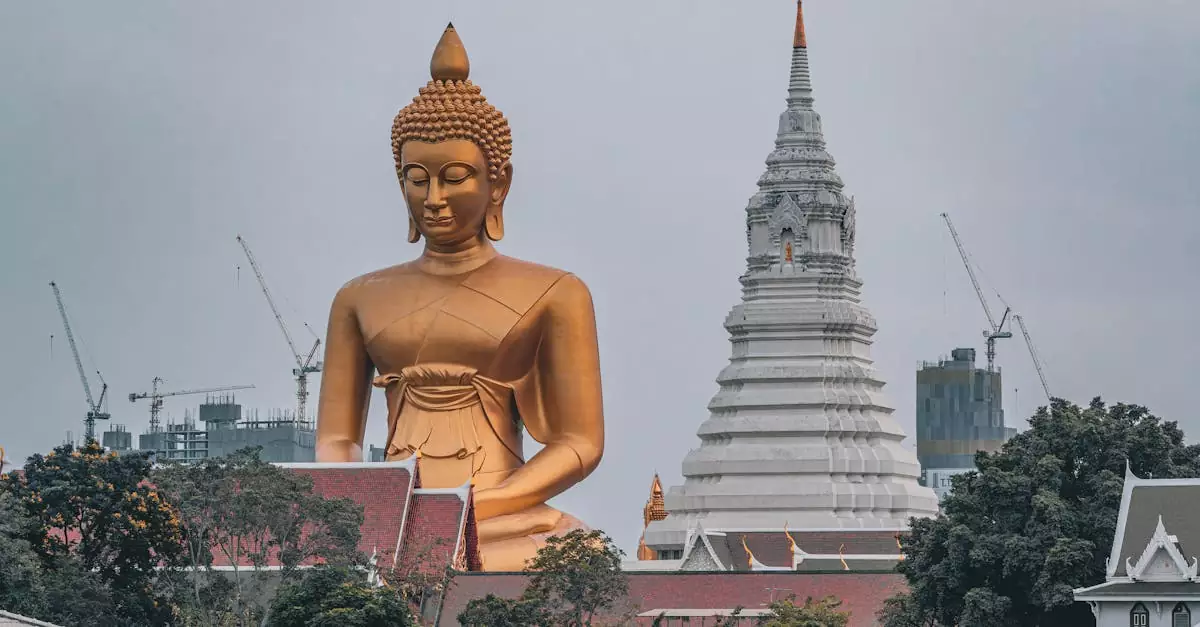
Getting Around: Thailand Travel Cost Per Day Guide for Transport
Getting around Thailand is straightforward and generally affordable. Your transport choices will influence your daily budget. In Bangkok, the BTS Skytrain and MRT subway systems provide quick, cheap trips costing $1 to $2 each ride. Metered taxis are available too, but always insist on using the meter. The ride-hailing app Grab, Southeast Asias answer to Uber, is widely used and offers set fares typically between $5 and $15 for city trips.
For shorter distances, tuk-tuks offer a quintessentially Thai experience. Be sure to negotiate the fare beforehandprices usually range from $3 to $10 for brief rides. For longer trips between cities or islands, buses and trains are common choices. Overnight buses from Bangkok to Chiang Mai cost around $20 to $30, while second-class sleeper trains range from $20 to $50. Ferry rides to islands generally fall between $10 and $30.
Renting a scooter is popular in many tourist areas, especially on islands, costing about $5 to $10 daily plus fuel. Helmets are essential, as are proper insurance and a valid international driving permit. Knowing these transport options will help you manage your thailand travel cost per day guide for transport wisely. Always prioritize safety and convenience when deciding how to get around.
Activities and Sightseeing: Exploring Thailand’s Wonders
Thailand boasts a vast range of activities and sights suited to all tastes, with costs that vary accordingly. Many smaller temples welcome visitors free of charge. Entry fees for iconic landmarks like Bangkoks Grand Palace hover around $15. National parks such as Doi Inthanon or Erawan usually charge foreigners between $10 and $15.
Island-hopping tours in the south remain a favorite. A full-day excursion that includes snorkeling and lunch typically costs between $30 and $70. Cooking classes, which offer a hands-on way to learn about Thai cuisine, usually run from $30 to $50. Traditional Thai massages are both relaxing and affordable, often priced between $7 and $15 per hour.
More premium experiences, like visits to ethical elephant sanctuaries, may cost $50 to $100 but often include transportation and a meal. Many beaches and markets offer free entertainment, striking a great balance between paid activities and cost-free exploration. Seeking out local guides and smaller tour operators can lead to better deals and authentic experiences, helping you balance your thailand trip cost effectively.
Comprehensive Thailand Trip Cost Breakdown: Daily Budgets
Heres a clearer view of estimated daily expenses across different travel styles. This thailand travel cost per day guide covers lodging, meals, local transport, and activities but excludes international airfare and insurance, which are significant additional costs. These numbers are averages and can vary depending on your choices.
Budget travelers usually stick to hostels, street food, and public transportation. Mid-range travelers select comfortable hotels, a mix of local and tourist dining, and some guided tours. Luxury travelers often opt for upscale resorts, fine dining, private transfers, and exclusive activities. The table below outlines typical daily spending for each category.
| Category | Budget (USD) | Mid-Range (USD) | Luxury (USD) |
|---|---|---|---|
| Accommodation | $10-20 | $30-70 | $100-300+ |
| Food | $10-15 | $20-40 | $50-100+ |
| Transport | $5-10 | $15-30 | $30-60+ |
| Activities | $5-15 | $20-50 | $50-100+ |
| Miscellaneous | $5-10 | $10-20 | $20-50+ |
| Total Daily | $35-70 | $95-210 | $250-610+ |
These figures offer a useful starting point for your budgeting. Its smart to set aside some extra funds for unexpected expenses or souvenirs. Ultimately, your actual daily spend will depend on your habits and preferences.
Pros and Cons of Different Travel Styles in Thailand
The way you choose to travel greatly impacts your thailand trip cost and overall experience. Both budget and luxury travel have distinct benefits and drawbacks. Recognizing these can assist you in picking the approach that best fits your personality and finances. Its a matter of balancing comfort with immersion in local culture.
Budget Travel in Thailand
- Pros:
- Deeper local experiences: Greater interaction with residents and discovery of hidden spots.
- More flexibility: Easier to adjust plans without heavy financial penalties.
- Cost-effective: Stretch your travel time by spending less daily.
- Social opportunities: Hostels and street food scenes are great for meeting fellow travelers.
- Cons:
- Reduced comfort: Basic facilities, shared amenities, and less privacy.
- More effort: Requires thorough research to find cheap options and navigate local transport.
- Risk of scams: Budget travelers may be more vulnerable if not cautious.
- Limited luxuries: Few perks like pools, spas, or room service.
Luxury Travel in Thailand
- Pros:
- Comfort and ease: High-end lodging, private transportation, and attentive service.
- Exclusive offerings: Access to private tours, upscale dining, and unique experiences.
- Peace of mind: Less hassle with logistics and heightened safety measures.
- Indulgence: Enjoy spa treatments, infinity pools, and gourmet meals.
- Cons:
- Higher expenses: Substantially raises your overall budget.
- Less local immersion: Can feel detached from everyday Thai life.
- Less spontaneity: Luxury arrangements often require advance bookings and deposits.
- Environmental concerns: Higher consumption leads to a larger carbon footprint.
Many travelers find a balance by mixing budget-friendly choices with occasional splurges. This approach blends authentic cultural moments with comfortable indulgences. Consider which elements of travel matter most to you.
Practical Tips for Managing Your Thailand Travel Cost
Thoughtful planning and smart decisions can help you keep your thailand trip cost manageable. Whether youre on a shoestring or simply value good deals, these tips can stretch your budget without sacrificing your experience.
- Reserve Flights and Hotels Early: Especially during peak seasons, booking in advance often unlocks better rates for both international and domestic travel.
- Travel in Shoulder Seasons: Visiting in April-May or September-October can lower expenses and avoid the crowds. Check out the best time to visit Thailand for more insights.
- Dine Like a Local: Street food and market meals offer delicious, inexpensive options. Try to avoid eating solely in tourist-heavy spots.
- Use Public Transit: In cities such as Bangkok, the BTS and MRT are cheap and efficient. For longer trips, local buses and trains are usually more affordable than private transfers.
- Haggle When Appropriate: In markets and with tuk-tuk drivers, polite negotiation is expected. Always agree on a price before starting your ride or purchase.
- Limit Alcohol Intake: Local beers are affordable, but imported drinks and cocktails add up quickly. Consider refreshing local fruit shakes instead.
- Track Your Spending: A dedicated travel budget guide can help you monitor expenses and stay on target.
- Bring a Reusable Water Bottle: Refill stations are becoming common, saving money and reducing plastic waste.
- Purchase a Local SIM Card: Cheap and handy for navigation and communication, this avoids costly roaming fees.
Following these suggestions will help you enjoy a fantastic Thai vacation while keeping your spending under control. A bit of foresight goes a long way toward a smooth, memorable trip.
FAQs About Your Thailand Trip Cost
Travelers often share similar concerns when budgeting for Thailand. Some common questions along with their answers can clarify your expectations about the thailand trip cost.
How much money do I need for a 2-week trip to Thailand?
Excluding international airfare, a 2-week visit can vary widely. Budget travelers might spend between $490 and $980. For mid-range comfort, expect $1,330 to $2,940. Luxury travelers could easily spend $3,500 to over $8,500, depending on preferences.
Is Thailand cheap for tourists?
Generally, yes. Thailand is quite affordable compared to Western nations. Food, local transportation, and basic lodging provide excellent value, allowing visitors to enjoy a rich travel experience without overspending.
What is the average daily spend in Thailand?
A mid-range traveler typically spends about $50 to $100 daily, covering decent accommodation, good meals, local transport, and some activities. Budget travelers will spend less, while luxury travelers will spend considerably more.
How much does a beer cost in Thailand?
A small bottle of popular local beer like Chang or Singha usually costs $2 to $4 in bars or restaurants. Convenience stores often sell these for around $1.50. Imported beers tend to be pricier.
Do I need a visa for Thailand?
Many nationalsincluding those from the US, UK, Canada, and Australiacan enter Thailand without a visa for stays of 30 to 45 days. Its essential to check current visa rules for your country before traveling. General information about Thailand, including visa links, can be found on Wikipedia.
Conclusion: Plan Your Affordable Thai Adventure
Figuring out your thailand trip cost doesnt have to be overwhelming. Armed with accurate information, you can craft a budget that suits your travel dreams perfectly. Thailand offers something for every budgetfrom the vibrant energy of Bangkoks streets to the serene shores of its southern islands, unforgettable moments await.
Flexibility and wise choices will be your best friends. Dive into local culture by enjoying street food and using public transit. Seek out genuine experiences that deliver great value. With these insights, you can confidently keep your expenses in check.
Now that you understand what a trip to Thailand might cost, its time to start organizing your plans. Your dream Thai adventure is well within reach. Use this knowledge to budget smartly and prepare for an extraordinary journey. Thailands rich culture, breathtaking landscapes, and warm hospitality are ready to greet you.

Our Fact Checking Process
We prioritize accuracy and integrity in our content. Here's how we maintain high standards:
- Expert Review: All articles are reviewed by subject matter experts.
- Source Validation: Information is backed by credible, up-to-date sources.
- Transparency: We clearly cite references and disclose potential conflicts.
Our Review Board
Our content is carefully reviewed by experienced professionals to ensure accuracy and relevance.
- Qualified Experts: Each article is assessed by specialists with field-specific knowledge.
- Up-to-date Insights: We incorporate the latest research, trends, and standards.
- Commitment to Quality: Reviewers ensure clarity, correctness, and completeness.
Look for the expert-reviewed label to read content you can trust.