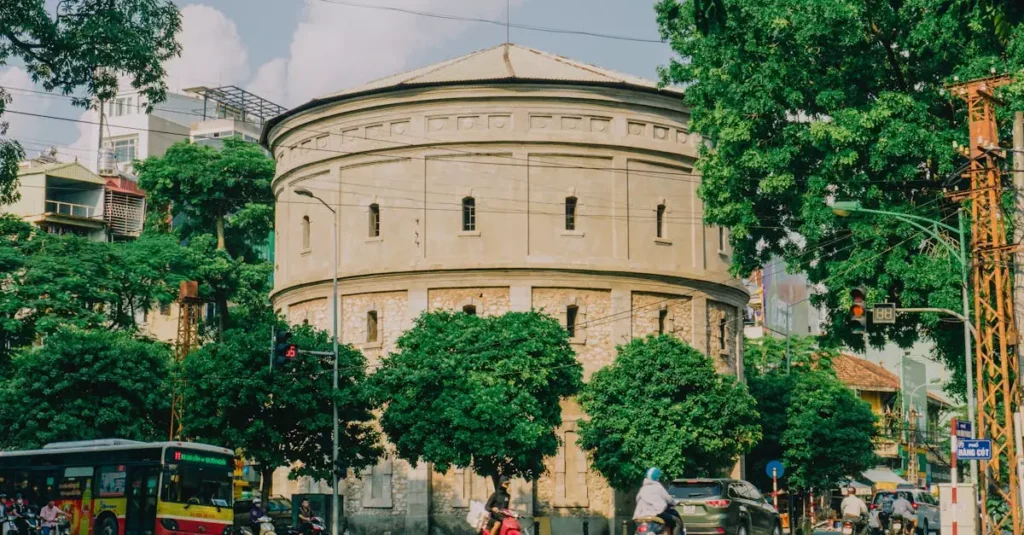

The Old Quarter of Hanoi pulses with life at the core of Vietnams capital. This area is a captivating mix of rich history, vibrant culture, and lively street scenes. Many visitors long to wander through its maze-like lanes and discover ancient temples. Knowing the hanoi old quarter travel cost beforehand can ease any worries and help you prepare. Here, youll find a detailed breakdown of the typical expenses you might face during your stay.
Whether youre traveling on a tight budget or looking to indulge a little, Hanoi has something for everyone. Accommodation, meals, transportation, and entertainment options all vary widely. By understanding these costs, you can plan your finances wisely and enjoy the unique atmosphere of the Old Quarter without stretching your wallet. This guide aims to give you a clear picture of what to expect in terms of spending.
Get ready to soak in the vibrant sights, sounds, and flavors that define this historic district. From savoring street delicacies to browsing artisan shops, every turn promises a new experience. Details on budgeting your trip will help you set realistic expectations and make the most of your visit. This old quarter hanoi budget guide is designed to be your go-to resource for smart travel planning.
Understanding the Hanoi Old Quarter Travel Cost
The cost of exploring Hanois Old Quarter can shift dramatically depending on your travel habits. Backpackers might get by on as little as $25 to $35 a day, while those seeking moderate comfort may budget between $50 and $80 daily. For travelers who prefer luxury, expenses often climb beyond $100 each day. These estimates cover lodging, meals, local transportation, and some activities, but keep in mind that flights to Vietnam are separate and usually a major part of your total budget. Booking flights early can often snag you better deals. Its also smart to invest in travel insurance to guard against unexpected problems. This rough cost overview provides a foundation to customize your spending plan.
Lodging typically takes up the biggest slice of daily expenses, but Hanois range of options is vast. From inexpensive hostels to cozy guesthouses and upscale hotels, the city has it all. Street food is famously affordable, letting you enjoy authentic flavors without overspending. Getting around inside the Old Quarter is cheap toowalking is often the best choice, but Grab bikes and taxis are easily accessible. Activities vary from free temple visits to paid tours and performances. Mapping out your itinerary will help you estimate these costs more accurately. Dont forget to include visa fees if applicable to your nationality. Taking a thorough approach will ensure your budget covers all bases.
Accommodation: Where to Stay and What You’ll Pay
Prices for places to stay in the Old Quarter cover a broad spectrum. Hostels are the most economical option, with dorm beds typically running between $7 and $15 a night. Many hostels also offer complimentary breakfast and social events, making them especially popular among solo travelers. Private rooms in budget guesthouses or hotels usually cost between $20 and $40, providing added comfort with air conditioning and private bathrooms. Mid-tier hotels generally charge $50 to $80 per night and come with enhanced amenities and better service. For those seeking luxury, prices start around $100 and can go much higher, offering upscale facilities, pools, and prime locations. Booking ahead, particularly during busy seasons, can secure more favorable rates. Choosing accommodation depends on your comfort preferences and budget, with plenty of options throughout the Old Quarter.
The exact location within the Old Quarter also influences prices. Hotels near Hoan Kiem Lake or major attractions typically cost a bit more, while staying a few streets away might save you money. Checking reviews before booking is crucial to ensure the quality matches your expectations. Many lodgings provide laundry services for a small fee and some have travel desks to assist with tour bookings. These little conveniences can enhance your overall experience. Since a restful night is essential for enjoying your adventures, pick your accommodation thoughtfully to get the most from your time in Hanoi.
Food and Drink Expenses in the Old Quarter
Dining in Hanois Old Quarter is both wallet-friendly and delicious. Street food stands offer some of the cheapest options, with iconic dishes like pho or bun cha costing just $1.50 to $3. Local eateries serve meals priced between $3 and $7, often featuring rice plates, noodles, and spring rolls in a more comfortable setting than street stalls. Mid-range restaurants catering to tourists typically charge $10 to $20 per meal, offering a wider variety including western dishes. For special occasions, fine dining establishments can cost $30 or more per person. Bottled water is inexpensive, usually around $0.50 to $1, while fresh fruit shakes cost $1.50 to $2. Vietnamese coffee is a bargain at $1 to $2, and local beer like Bia Hoi can be had for as little as $0.50 a glass, making it a favorite among travelers. Sticking to local food choices keeps your meal budget very manageable.
Sampling the street food scene is often a highlight for visitors. Dont hesitate to try different vendors, especially those busy with locals, as this usually signals fresh, tasty food. Food tours are widely available and offer a curated way to taste many dishes at once, typically ranging from $25 to $50. Carrying small bills in Vietnamese Dong makes transactions smoother at street stalls. While tipping isnt a strong custom, its appreciated for good service. The rich variety of flavors means your old quarter hanoi budget guide for food will likely be pleasantly low.

Transportation Costs: Getting Around Hanoi’s Old Quarter
Getting around the Old Quarter is straightforward and affordable. Walking is often the best way to experience the narrow streets and nearby sights, saving money while letting you fully absorb the local atmosphere. For longer trips, Grabs ride-hailing service is popular, with bike rides typically costing between $1 and $3 and car rides around $3 to $7. Traditional taxis are available, but always make sure the meter is running or agree on a price in advance. For a more leisurely sightseeing option, cyclos offer a unique experience at around $5 to $10 for a half-hour ridenegotiating the price beforehand is wise. Local buses, costing about $0.30 per ticket, connect the Old Quarter with other parts of Hanoi, though they can be crowded and confusing for newcomers. Consider your convenience and schedule when choosing your mode of transport, as this old quarter hanoi budget guide emphasizes practical options.
If youre comfortable on two wheels, renting a scooter is possible, with daily rates from $5 to $10. However, Hanois chaotic traffic can be daunting for those unfamiliar with Asian roads, so helmets and proper insurance are essential. For airport transfers, a Grab car ride costs between $10 and $15, while taxis may charge a bit more. Public buses from the airport are the cheapest option at around $1 but take longer. Planning your arrival and departure transport ahead of time helps avoid last-minute hassles. Your hanoi old quarter travel cost for transportation can be kept low depending on your choices, with many travelers finding walking the most rewarding way to explore.
Activities and Sightseeing: What to Do and Spend
The Old Quarter offers a range of activities, some free and others requiring a fee. Strolling around Hoan Kiem Lake costs nothing, while entrance to Ngoc Son Temple is about $1.50. The Temple of Literature also charges roughly $1.50, but visiting St. Josephs Cathedral is free. Exploring Dong Xuan Market involves no entry fee, allowing you to browse local goods and sample street food at your leisure. Cultural highlights like Water Puppet Shows are popular and cost between $5 and $10, with tickets best booked in advance to avoid disappointment. Museum entries generally range from $1 to $3, with notable sites including the Vietnamese Womens Museum and Hoa Lo Prison Museum. For a hands-on experience, cooking classes give insight into Vietnamese cuisine and usually cost $25 to $40 per person. Day trips to destinations like Ha Long Bay are pricier, often between $40 and $100 or more. This old quarter hanoi budget guide will help you plan these outings within your means.
Many free experiences await simply by wandering the streets, observing daily life, watching street vendors, and soaking up the vibrant ambiance. Numerous pagodas and temples welcome visitors without charging admission, though its important to respect local customs. History enthusiasts can visit the Ho Chi Minh Mausoleum complex for free, but be mindful of limited opening hours. Shopping for souvenirs is also an activity, with prices varying widely and bargaining an expected part of the process. Your hanoi old quarter travel cost for activities can be tailored to suit any budget. For broader budgeting advice, see our travel budget guide.
Hanoi Old Quarter Travel Cost Comparison Table
The table below offers a snapshot of daily expenses by travel style. While prices fluctuate, this comparison helps you visualize potential costs and better plan your budget for the hanoi old quarter travel cost.
| Category | Budget Traveler (per day) | Mid-Range Traveler (per day) | Luxury Traveler (per day) |
|---|---|---|---|
| Accommodation | $7 – $15 (Hostel dorm) | $30 – $60 (Guesthouse/Budget Hotel) | $80 – $200+ (Boutique/Luxury Hotel) |
| Food & Drink | $10 – $20 (Street food, local eateries) | $25 – $45 (Mix of local & mid-range restaurants) | $50 – $100+ (Fine dining, cafes, bars) |
| Local Transport | $1 – $5 (Walking, Grab bike) | $5 – $15 (Grab car, occasional taxi) | $15 – $30 (Private car, frequent taxis) |
| Activities & Sightseeing | $5 – $15 (Free sites, cheap entry fees) | $20 – $40 (Water puppet show, museum, short tour) | $40 – $100+ (Cooking class, day trip, private guide) |
| Miscellaneous (shopping, tips) | $5 – $10 | $10 – $20 | $20 – $50+ |
| Total Daily Estimate | $28 – $65 | $90 – $180 | $205 – $405+ |
This overview highlights how your choices shape your budget. Budget travelers can fully enjoy Hanoi by focusing on local experiences, while mid-range travelers enjoy a balance of comfort and cultural immersion. Luxury visitors will discover numerous high-end options. Adjust these estimates to fit your preferences, remembering that the cost of traveling to Vietnam itself is a separate consideration.
Pros and Cons of Budget Travel in Hanoi Old Quarter
Traveling on a budget in Hanoi’s Old Quarter comes with clear benefits. Most notably, it allows you to save considerably while diving into authentic local culture. Eating street food is not only cheaper but often tastier. Staying in hostels provides chances to meet fellow travelers and experience the city from a more local viewpoint. Many attractions dont require entry fees or cost very little. Walking keeps you active and helps uncover hidden spots that tourists might miss. Budget travel opens doors for longer adventures on less money and encourages resourcefulness. It often leads to memorable, unique moments by pushing you beyond your comfort zone. Your hanoi old quarter travel cost will remain low while gaining rich experiences.
- Pros:
- Substantial savings on lodging, meals, and transport.
- Immersive cultural experiences, especially through street food.
- Opportunities to meet other travelers in hostels and budget lodgings.
- More flexibility for extended trips.
- Chance to discover hidden gems by walking and using local transport.
On the flip side, budget travel can mean trading off some comfort. Dormitory rooms lack privacy, and budget accommodations might miss some conveniences, often sharing bathrooms. Planning and hunting for deals can be time-consuming and occasionally exhausting. Language barriers might pose challenges, especially without guided tours. Certain luxury experiences, such as upscale dining or private cruises, may be out of reach. The quality of budget options varies, so reading reviews carefully is essential. Striking a balance between saving money and comfort is key, as spending a bit more at times can greatly improve your trip. This old quarter hanoi budget guide encourages finding that middle ground.
- Cons:
- Less privacy and comfort in budget accommodations.
- Extra effort needed to find good deals and plan efficiently.
- Limited access to upscale experiences.
- Variable quality in budget services and facilities.
- Possible exposure to minor travel inconveniences.
Practical Tips for Saving Money in the Old Quarter
Keeping expenses low in Hanois Old Quarter is quite manageable with a few savvy habits. Start by embracing street food, which is both tasty and inexpensive. Choose busy stalls frequented by locals to ensure freshness and quality. Next, use Grab for your transportation needs, as it offers clear pricing and usually beats taxi rates. If youre alone, Grab bikes are especially cost-effective. Walking remains one of the best ways to explore, revealing quiet alleys and saving cash. Staying in hostels or guesthouses with private rooms can be affordable and often includes free breakfast. Limiting alcohol consumption, especially avoiding pricey imported drinks, also helps keep the budget in checklocal beer and water are much cheaper choices. This old quarter hanoi budget guide underscores making smart decisions.
Additionally, take advantage of free attractions like Hoan Kiem Lake, St. Josephs Cathedral, and Dong Xuan Market. Bargaining politely in markets is expected and can reduce costs. Avoid touristy places that tend to overcharge by researching eateries and shops beforehand. Buying bottled water from convenience stores rather than hotels saves money. If your accommodation has a kitchen, cooking some meals is an option, though this is rare. Planning your trip during shoulder seasonstypically April to May or September to Novembercan also cut costs, as flights and lodging are generally cheaper. For more on timing your visit, see our guide on the best time to visit. These tips can significantly lower your hanoi old quarter travel cost.
FAQs About Hanoi Old Quarter Travel Cost
How much money do I need for a week in Hanoi Old Quarter?
Budget travelers should set aside roughly $200 to $300 for a week, while mid-range visitors might plan for $400 to $700. Those seeking luxury experiences can expect to spend $800 to $1500 or more. These amounts exclude international airfare.
Is it cheaper to eat street food or in restaurants in Hanoi?
Street food is far more affordable, with full meals costing between $1.50 and $3. Restaurants generally charge $5 to $20 per meal, so opting for local street options saves a lot.
What is the best way to get around Hanoi Old Quarter on a budget?
Walking is the most economical and enjoyable way to explore. For longer journeys, Grab bikes are affordable and convenient, while local buses offer another low-cost option.
Are there many free things to do in Hanoi Old Quarter?
Absolutely. Wandering around Hoan Kiem Lake, visiting St. Josephs Cathedral, and exploring Dong Xuan Market all cost nothing. Simply strolling the streets offers a rich cultural experience.
Should I exchange money before arriving in Hanoi?
Its wise to exchange a small amount at the airport for immediate needs, but better rates can often be found at gold shops or banks in the Old Quarter. ATMs are common, but notify your bank before traveling to avoid card issues.
Conclusion: Making Your Hanoi Old Quarter Trip Affordable
Figuring out your hanoi old quarter travel cost doesnt have to feel overwhelming. With thoughtful budgeting and informed choices, you can enjoy this vibrant destination fully. From flavorful street food to historic landmarks, Hanoi offers something for every traveler. Embracing local culture while managing your expenses allows you to get the most out of your trip. This old quarter hanoi budget guide provides a clear framework for understanding your potential spending, helping you make confident decisions.
Flexibility remains essential since costs can fluctuate and your personal interests will shape your spending. Whether your focus is culinary delights or cultural immersion, Hanoi has plenty to offer. Dive into the lively energy and deep history of the Old Quarter. With careful planning, you can savor an unforgettable journey without overspending.

Our Fact Checking Process
We prioritize accuracy and integrity in our content. Here's how we maintain high standards:
- Expert Review: All articles are reviewed by subject matter experts.
- Source Validation: Information is backed by credible, up-to-date sources.
- Transparency: We clearly cite references and disclose potential conflicts.
Our Review Board
Our content is carefully reviewed by experienced professionals to ensure accuracy and relevance.
- Qualified Experts: Each article is assessed by specialists with field-specific knowledge.
- Up-to-date Insights: We incorporate the latest research, trends, and standards.
- Commitment to Quality: Reviewers ensure clarity, correctness, and completeness.
Look for the expert-reviewed label to read content you can trust.