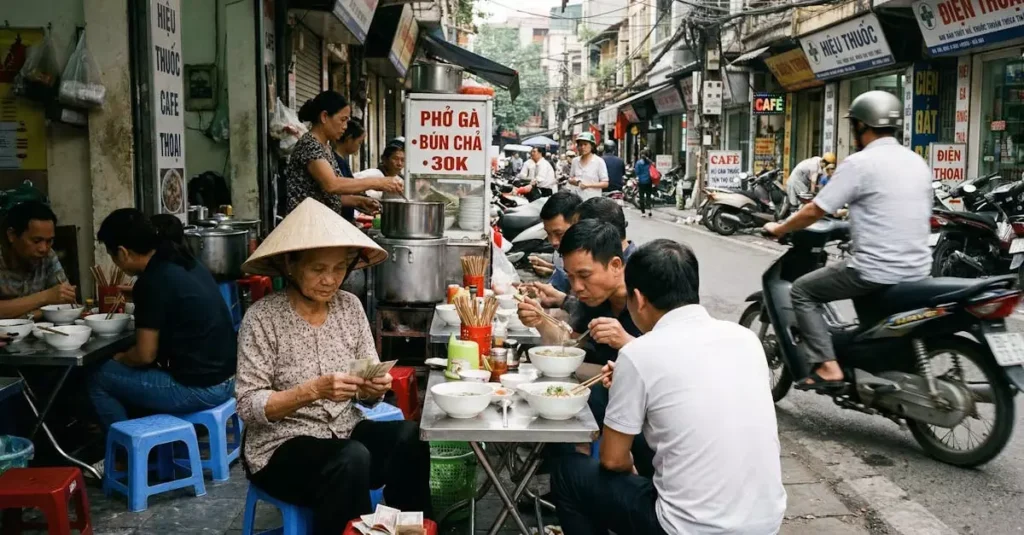
Wandering through Hanoi’s Old Quarter feels like stepping into a vibrant labyrinth bursting with life. This historic neighborhood is a haven for food enthusiasts, famed for its flavorful yet budget-friendly dishes. Sampling the local cuisine here is more than just eatingits an essential part of the journey. You’ll encounter an abundance of street vendors alongside quaint eateries, each offering a taste of authentic Vietnamese flavors.
Having a grasp of typical prices can help you make the most of your visit without stretching your budget. Whether it’s a steaming bowl of pho or a crunchy banh mi sandwich, the choices are plentiful and affordable. This overview outlines common costs associated with food, ranging from quick bites to sit-down meals, guiding you smoothly through the diverse culinary landscape.
The Old Quarters food scene invites you to savor Hanois rich tastes regardless of your spending limits. Whether youre backpacking on a shoestring or craving a bit more comfort, delicious options abound. Lets take a closer look at what it takes to enjoy the food here without overspending, setting the stage for a memorable culinary adventure.
Discovering Hanoi Old Quarter Food Cost
The food prices in Hanoi’s Old Quarter are remarkably low, making it a dream destination for those who love to eat well on a budget. Many visitors find themselves able to enjoy satisfying meals without spending much. Street food stands out as the most affordable option, where a complete meal can cost just a handful of dollars. Local restaurants provide a slightly more comfortable atmosphere, still at wallet-friendly rates. How much you spend each day depends on your preferencesbudget travelers might allocate $10-$15 daily for three meals and some drinks, while those seeking more comfort might spend $20-$30, including visits to nicer restaurants and frequent coffee stops. The secret lies in choosing the right spots: genuine local venues tend to offer the best value, while tourist-heavy places can be pricier. Embracing the local dining habits ensures both authenticity and savings.
Many who visit are pleasantly surprised by how high the quality is despite the low prices. Vietnamese cuisine relies heavily on fresh ingredients, making even inexpensive dishes delicious and wholesome. Food vendors operate from dawn until late at night, giving you the freedom to eat whenever hunger strikes. Dont hesitate to try unfamiliar disheseach stall or small restaurant usually has its unique specialty. Sampling these diverse flavors is part of the excitement. No matter your budget, the Old Quarter offers an impressive range of tasty options, truly living up to its reputation as a place where affordable gourmet experiences flourish.
Street Food Delights: Hanoi Street Food Old Quarter Price Breakdown
The prices for street food in Hanoi’s Old Quarter are incredibly tempting, reflecting the citys culinary heart. Popular dishes like Pho Bo, a savory beef noodle soup, typically cost between 30,000 and 50,000 VND, which translates to about $1.20 to $2.00 USD. A classic Banh Mi sandwich, packed with pate, pork, and fresh herbs, is even more affordable, usually priced around 20,000 to 35,000 VND ($0.80 to $1.40 USD). Bun Cha, featuring grilled pork served with vermicelli noodles, is another favorite, ranging from 40,000 to 60,000 VND ($1.60 to $2.40 USD). These low prices make it easy to sample multiple dishes throughout the day without overspending. Stalls bustling with locals are a reliable indicator of quality and fair pricing. Dont be shy about pointing to what you wantmost vendors understand simple gestures and requests.
Other beloved street snacks include Nem Ran, or fried spring rolls, which usually cost between 5,000 and 10,000 VND each. For a sweet finish, Chea dessert soup made with beans and fruitstypically sells for around 15,000 to 25,000 VND. On hot days, fresh fruit smoothies priced between 20,000 and 40,000 VND offer refreshing relief. Vietnamese iced coffee, known as Ca Phe Sua Da, also comes at a modest price of 15,000 to 30,000 VND. The sheer variety ensures youll never tire of exploring new tastes. Sitting on small plastic stools and watching the daily rhythm of life adds a cultural layer to the experience. The affordable street food here invites you to indulge your palate endlessly.
Mid-Range Dining: Balancing Quality and Budget
If you prefer a more comfortable setting, Hanois Old Quarter has plenty of mid-range eateries that strike a balance between quality and price. These spots typically provide indoor seating, air conditioning, and expanded menus. Expect to pay around 70,000 to 150,000 VND ($2.80 to $6.00 USD) for a main dish, often featuring more elaborate takes on traditional recipes. Some restaurants specialize in regional Vietnamese cuisines, while others blend local flavors with international influences. These establishments offer a relaxed dining atmosphere without compromising on affordability. Family-run venues are particularly known for their delicious food and warm service, making them a great choice for a pleasant meal.
Many mid-range restaurants can be found tucked away on quieter side streets, away from the busiest tourist areas. This often results in better prices and a more authentic ambiance. You might discover tasty spring rolls, stir-fried dishes, or hot pots prepared with care using fresh ingredients. Portions tend to be generous, making the meal feel like a special treat without excess spending. Drinks such as local beers or fresh juices usually add another 20,000 to 50,000 VND to the bill. Mid-range dining offers a comfortable way to enjoy Hanois food scene, blending quality with budget-conscious choices.
Upscale Experiences: When to Splurge in the Old Quarter
While the Old Quarter is filled with affordable food, occasionally treating yourself to an upscale meal can be a memorable experience. Several fine dining restaurants in the area offer elegant settings, attentive service, and gourmet Vietnamese cuisine. Prices here are higher, with main courses typically ranging from 200,000 to 500,000 VND ($8.00 to $20.00 USD) or more. These venues often serve inventive dishes that fuse traditional flavors with modern twists. Many are housed in beautifully restored colonial-era buildings, enhancing the sophisticated atmosphere. Whether celebrating a special occasion or simply wanting to indulge, these restaurants showcase the refined side of Hanois culinary landscape.
Upscale dining venues frequently feature extensive wine lists and craft cocktails, which can substantially increase your bill. A glass of wine might cost between 100,000 and 250,000 VND, while cocktails typically range from 150,000 to 300,000 VND. Although these prices are higher compared to typical Vietnamese dining, they remain reasonable by global standards. An upscale meal offers a different perspective on Vietnamese cuisinehighlighting premium ingredients, artistic presentation, and impeccable service. Including at least one fine dining experience during your trip adds a luxurious contrast to the street food adventures.
A Comparison of Dining Costs: Street vs. Restaurant
Knowing the range of food prices in Hanoi helps you plan your dining choices effectively. The Old Quarter presents a broad array of options, each with distinct costs and atmospheres. Street food is the most economical, providing quick, authentic meals in lively settings. Local eateries, known as ‘qun’, offer a step up with more seating and menu variety. Mid-range restaurants bring modern decor and better service for moderate prices. Upscale establishments provide a luxurious dining experience at a premium. The table below outlines typical price ranges, making it easier to decide where to eat based on your budget and preferences. Keep in mind that prices can differ slightly depending on the vendor or restaurant, so checking menus beforehand is always wise.
| Dining Category | Typical Meal Cost (VND) | Typical Meal Cost (USD) | Experience Level |
|---|---|---|---|
| Street Food Stalls | 20,000 – 60,000 | $0.80 – $2.40 | Authentic, bustling, basic seating |
| Local Eateries (Qun) | 70,000 – 150,000 | $2.80 – $6.00 | Comfortable, good variety, local vibe |
| Mid-Range Restaurants | 150,000 – 300,000 | $6.00 – $12.00 | Modern decor, varied menu, good service |
| Upscale Restaurants | 300,000 – 800,000+ | $12.00 – $32.00+ | Elegant, gourmet, fine dining experience |
This comparison clearly shows how costs and dining experiences evolve from street stalls to upscale restaurants. Most visitors enjoy mixing and matching these optionsperhaps grabbing an inexpensive banh mi for lunch and then savoring a relaxed dinner at a local eatery. On special occasions, an elegant meal adds a touch of luxury. The flexibility of Hanoi’s Old Quarter food scene means you can tailor your culinary journey to suit both your tastes and your wallet, enjoying a wide range of flavors and atmospheres.
Pros and Cons of Eating in Hanoi’s Old Quarter
Dining in Hanois Old Quarter comes with plenty of perks, though there are a few drawbacks to keep in mind. The biggest advantage lies in the authenticityyou get to sample dishes deeply rooted in Vietnamese tradition, bursting with genuine, rich flavors. Affordability is another major plus, allowing you to eat like a local without spending a fortune. The enormous variety of food means you can try something new every meal, turning eating into a true adventure. The lively environment adds to the charm, offering a glimpse into daily life as you enjoy your meal.
- Pros:
- Authentic and traditional flavors.
- Extremely affordable prices.
- Vast variety of dishes and cuisines.
- Immersive cultural experience.
- Fresh, locally sourced ingredients.
Still, there are some challenges. Hygiene standards can vary, and while many places maintain cleanliness, some street vendors may not meet Western expectations. Choosing busy stalls with high turnover usually ensures fresher food. Language barriers might pose difficulties, as many vendors speak little English; simple gestures often do the trick. Seating is often minimal, typically small plastic stools, which might not suit everyones comfort needs. Tourist-heavy spots can sometimes inflate prices, so it pays to check menus before ordering. Despite these minor issues, the positives far outweigh the negatives, making dining in the Old Quarter a highlight for visitors and a source of lasting memories.
- Cons:
- Potential hygiene concerns at some stalls.
- Language barrier with some vendors.
- Basic or limited seating options.
- Risk of slightly inflated prices at tourist traps.
Practical Tips for Managing Your Hanoi Food Budget
Keeping your food expenses under control in Hanoi’s Old Quarter is simple with a few practical tips. Focus on street food and local eateries for the best deals and authentic tastes. Venture down side alleys where hidden gems often offer delicious meals at lower prices. Carry small bills of Vietnamese Dong since many vendors prefer cash and may struggle to provide change for larger notes. Prices are usually fixed, so confirm costs before ordering to avoid surprises. Staying hydrated with bottled water is essential and affordable, while tap water should be avoided to prevent illness.
Look for busy places where locals gatherthats a reliable sign of good food at fair prices. Eating during peak local hours ensures freshness as food is prepared continuously. Sharing dishes with friends lets you sample more varieties while keeping costs down. Be cautious of tourist traps located along main streets; these spots often have inflated prices and English menus. Stepping just a block or two away usually leads to better value. Embrace the adventure of trying new dishes and dont hesitate to ask locals for their favorite recommendations. These strategies help you enjoy Hanois culinary delights without overspending.
Beyond the Plate: Drinks and Snacks in the Old Quarter
Food isnt the only treat in Hanois Old Quarter; drinks and snacks play a big role in the experience. Vietnamese coffee, especially Ca Phe Den (black coffee) and Ca Phe Sua Da (iced coffee with condensed milk), is a must-try and widely available for just 15,000 to 30,000 VND ($0.60 to $1.20 USD). Fresh fruit juices and smoothies offer a refreshing boost on hot days, typically costing between 20,000 and 40,000 VND ($0.80 to $1.60 USD). Bia Hoi, the local draft beer, is incredibly cheapa glass can be found for as little as 10,000 to 15,000 VND ($0.40 to $0.60 USD)making it one of the worlds most affordable beers. Sharing a Bia Hoi with friends is a beloved social tradition.
For snacks, sweet treats like Che, a dessert soup made with beans, fruits, and jellies, usually cost around 15,000 to 25,000 VND. Banh Ran, fried glutinous rice balls, are another popular choice, priced between 5,000 and 10,000 VND each. Street vendors also sell dried fruits and nuts, perfect for on-the-go snacking. Staying hydrated is crucial, so bottled waterwhich costs about 5,000 to 10,000 VNDis widely available. These additional indulgences add to your overall food budget, yet remain impressively affordable while enriching your experience of Hanois everyday flavors.
Navigating Payment and Tipping Culture
Knowing how to handle payments and tipping in Hanoi makes dining smoother. Most street food vendors and small eateries operate on a cash-only basis, so having Vietnamese Dong in small denominations is vital for convenience. Larger restaurants and cafes often accept credit cards, but carrying cash is always handy. ATMs are plentiful throughout the Old Quarter, allowing you to withdraw local currency as needed. Be mindful of potential bank fees for international transactions, and check exchange rates regularly to get the best value for your money. Planning your cash needs carefully helps keep your food expenses manageable.
Tipping isnt a traditional custom in Vietnam and isnt expected in most local places. Nonetheless, small gestures are appreciatedrounding up your bill at street stalls is a nice way to show thanks. In mid-range and upscale restaurants, leaving a 5-10% tip is customary, especially if service charges arent included. For tour guides and drivers, tipping between 50,000 and 100,000 VND per day is common practice. Keep in mind that visiting during peak tourist seasons might lead to slightly higher prices. Always confirm costs before ordering to ensure a smooth and enjoyable meal experience, letting you focus on the food rather than the bill.
Frequently Asked Questions About Hanoi Old Quarter Food Cost
What is a reasonable daily food budget in Hanoi Old Quarter?
Allocating about $15 to $25 per day is practical for enjoying street food, local eateries, and a few drinks. You can dine very well within this range, and budget travelers might spend even less.
Are street food prices negotiable in Hanoi Old Quarter?
Prices for street food are generally fixed and non-negotiable. They are usually displayed clearly or communicated upfront. Its best to confirm the price before placing your order to avoid any confusion.
Is it safe to eat street food in Hanoi Old Quarter?
Street food is typically safe if you choose stalls with high turnover and busy crowds. Vendors who prepare food in front of you usually maintain better hygiene.
Can I use credit cards for food purchases in the Old Quarter?
Most street vendors and small local eateries accept cash only. Larger restaurants, cafes, and upscale places often take credit cards. Carrying some cash is advisable for convenience.
What is the average cost of a beer in Hanoi Old Quarter?
A glass of Bia Hoi, the local draft beer, costs between 10,000 and 15,000 VND ($0.40 to $0.60 USD). Bottled local beers are generally priced from 20,000 to 40,000 VND ($0.80 to $1.60 USD).
Conclusion: Savoring Hanoi’s Flavors on Any Budget
Exploring the food costs in Hanoi’s Old Quarter reveals a vibrant culinary scene accessible to all budgets. From bustling street corners serving iconic dishes like Pho and Banh Mi for just a few dollars to cozy local eateries and even elegant dining establishments, there is something to satisfy every appetite. Mid-range restaurants offer comfort and variety without hefty prices, while upscale venues provide a taste of refined Vietnamese cuisine at reasonable rates. Embracing local dining customs, carrying cash in small amounts, and being open to new tastes will enrich your experience and keep your expenses in check.
The Old Quarter brings together a rich history and lively food culture like no other place. Its affordability encourages adventurous eating, allowing you to sample something new at every meal. Armed with knowledge about prices and dining options, you can navigate this gastronomic landscape confidently. Whether sticking to a budget or indulging occasionally, Hanois food scene promises unforgettable flavors and lasting memories. Enjoy every bite as you immerse yourself in the heart of this incredible city.