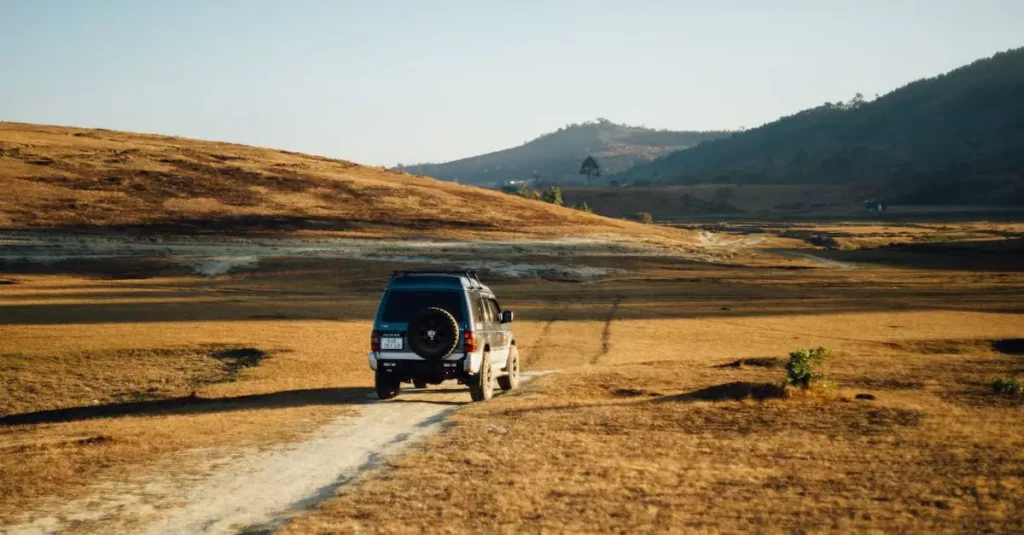
Setting off on a self-drive trip across the Bolaven Plateau from Pakse is a cherished goal for many adventurers. This captivating area in southern Laos is renowned for its breathtaking waterfalls, expansive coffee plantations, and rich cultural heritage. Careful planning is essential to ensure your journey unfolds seamlessly, and having a clear understanding of the financial commitments involved will keep stress at bay.
Independent exploration is a popular choice for travelers who value freedom and flexibility on the road. This breakdown covers every expense you might encounter, from renting your motorbike to daily necessities. By knowing the exact pakse bolaven plateau self drive cost, you can prepare a budget that fits your travel style.
This detailed guide offers everything you need to know, including information on motorbike hires, fuel rates, places to stay, and food costs. Practical advice and a side-by-side cost comparison will aid you in making smart choices. Get ready to uncover the real expenses behind your memorable Bolaven Plateau self-drive adventure.
Discovering the Bolaven Plateau’s Allure
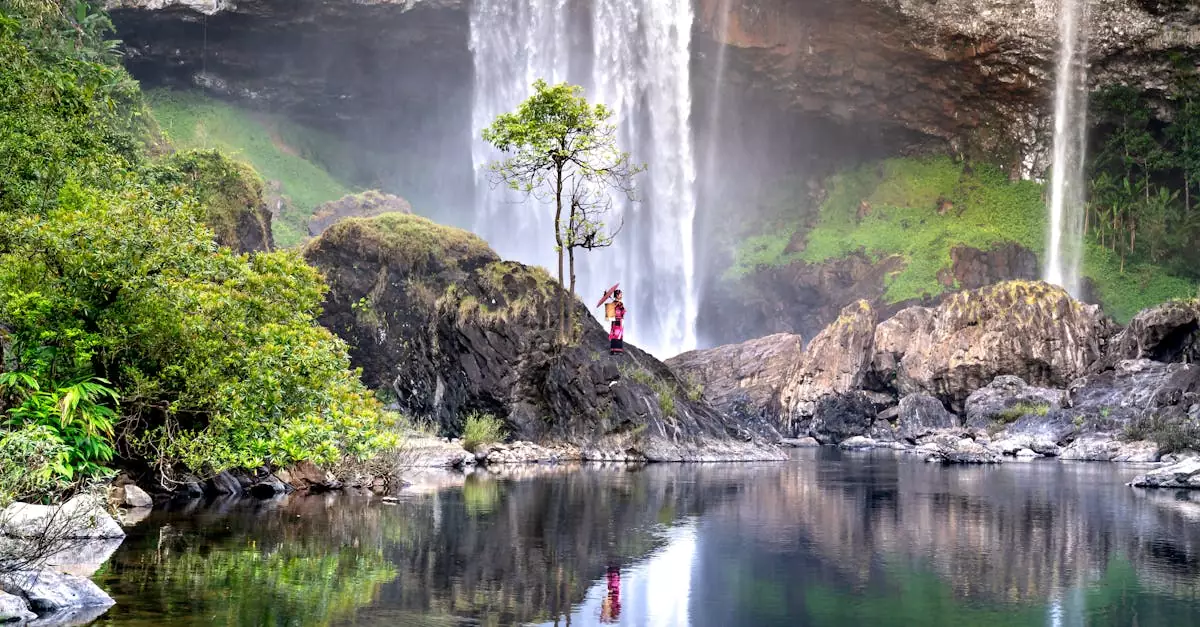
Located in southern Laos, the Bolaven Plateau is a highland area distinguished by its cool weather and fertile volcanic earth. These conditions are perfect for cultivating coffee and tea plants. The region boasts numerous spectacular waterfalls, with Tad Fane, Tad Yuang, and Tad Lo standing out as favorites. Each one presents a unique experienceranging from thundering falls to tranquil swimming spots. Most visitors dedicate three to four days to complete the main circuit, giving them enough time to appreciate the stunning scenery and local ambiance.
Beyond the waterfalls, the plateau offers a window into the rhythms of rural Lao life. Traditional villages and vast coffee plantations dot the landscape. Many farms welcome guests for tours and tastings, offering an up-close look at coffee production. The areas diverse ethnic communities add layers of cultural richness through their distinctive customs and crafts. Interacting with locals enhances your journey, but its important to always approach traditions with respect.
The natural surroundings themselves are a major attraction. Rolling hills, thick forests, and meandering rivers shape the landscape. The air tends to be cooler and fresher than in the lower valleys, providing a refreshing escape, especially during warmer months. While some roads can be challenging, they reward travelers with spectacular views at every bend. Embarking on a self-drive lets you soak in the environment fully, stopping spontaneously to explore hidden spots. This kind of flexibility is a huge advantage for those who prefer to travel independently.
Understanding the Pakse Bolaven Plateau Self Drive Cost
When figuring out the pakse bolaven plateau self drive cost, several main expenses come into play. The biggest costs usually include renting a motorbike, fuel, accommodation, and meals. Entrance fees to waterfalls and other tourist spots add to the budget as well. Setting a daily spending limit across these areas can help avoid surprises. Typically, travelers find that $25 to $40 per person each day covers basic to moderate comfort levels comfortably.
Motorbike rental fees fluctuate depending on the bikes model and condition. Semi-automatic bikes with 110cc or 125cc engines are popular and reasonably priced. Although fuel is inexpensive in Laos, the cost accumulates over multiple days on the road. Lodging ranges from simple guesthouses to more upscale resorts. Eating local food keeps costs low, especially when dining at street stalls or small eateries. Its wise to include a financial cushion for unexpected expenses like minor repairs or health needsaround 10-15% extra is a good rule of thumb.
The length of your trip plays a big role in your overall spending. A quick two-day loop is naturally less expensive than a five-day journey. Reflect on your travel preferencesis your style more budget-conscious or are you looking for added comfort? These factors directly shape how much youll spend daily. This guide breaks down each cost element in detail to help you customize your budget. Having these numbers in mind upfront makes planning smoother and more enjoyable.
Motorbike Rental: Your Primary Expense
Your motorbike rental is usually the largest part of your Bolaven Plateau adventure budget. Rental prices in Pakse vary but generally range between 50,000 LAK and 80,000 LAK daily for a semi-automatic 110cc or 125cc bike, equating to about $3 to $5 USD. Automatic scooters tend to cost a bit more, around 70,000 LAK to 100,000 LAK ($4 to $6 USD) per day. For bigger bikes like 150cc or 250cc models, expect to pay anywhere from 100,000 LAK to 200,000 LAK ($6 to $12 USD) daily. These more powerful bikes are less common but provide greater comfort for longer distances.
Many rental shops offer discounted rates for extended bookings, so if you aim to ride for three days or more, its worth asking for a deal. Before signing the rental agreement, thoroughly inspect the bikecheck the brakes, tires, lights, and horn. Document any pre-existing damage with photos or videos to avoid disputes later. Helmets are usually included and wearing one is legally mandated and essential for safety. Rental shops may require your passport as a deposit or accept cash instead, so clarify these terms before committing.
Basic insurance is often included but usually has limited coverage. Its a good idea to invest in additional travel insurance that covers motorbike accidents for extra peace of mind. Familiarize yourself with Laos traffic rules and ride cautiously, especially on unpaved or winding roads. The condition of rental bikes varies widely, so opt for a reputable shop with positive reviews. A well-maintained motorbike reduces the risk of breakdowns and makes your trip safer and more enjoyable. This upfront effort pays off for a successful journey.
Fuel, Accommodation, and Food: Daily Expenses
Fuel is a recurring cost during your self-drive adventure. Petrol prices typically range from 12,000 LAK to 15,000 LAK per liter ($0.70 to $0.90 USD). A 125cc motorbike can usually cover 30 to 40 kilometers per liter. For a full 300 km loop, youll likely need about 8 to 10 liters, costing roughly 96,000 LAK to 150,000 LAK ($6 to $9 USD) for the whole trip. Fuel stations are conveniently located in larger towns, but in remote stretches, roadside vendors sell petrol in plastic bottles at slightly higher prices for convenience.
Accommodation on the Bolaven Plateau suits a range of budgets. Budget guesthouses or homestays typically charge between 50,000 LAK and 100,000 LAK ($3 to $6 USD) per night for a simple room, usually equipped with a fan and private bathroom. Mid-tier bungalows or resorts cost between 150,000 LAK and 300,000 LAK ($9 to $18 USD) per night, offering extras like air conditioning and hot water. Booking ahead is wise during busy seasons, particularly near popular spots like Tad Lo, though walk-in availability is common during quieter times.
Meals are generally affordable throughout Laos. Eating at local street stalls or small restaurants costs between 15,000 LAK and 30,000 LAK ($0.90 to $1.80 USD) per meal, with dishes like Khao Piak Sen (noodle soup) or fried rice being popular choices. Western-style or tourist-focused eateries typically charge more, from 40,000 LAK to 80,000 LAK ($2.40 to $4.80 USD). Budgeting around 70,000 LAK to 100,000 LAK ($4 to $6 USD) per day for food and drinks is reasonable, covering three meals plus snacks. Dont forget to stay hydratedbottled water costs roughly 5,000 LAK ($0.30 USD).
Crafting Your Bolaven Plateau Itinerary: Time and Distance
Mapping out your route is essential for a rewarding self-drive experience. The two main options are the Small Loop and the Big Loop. The Small Loop usually takes two to three days, covering about 200 to 250 kilometers, and includes top waterfalls like Tad Fane and Tad Yuang. The Big Loop stretches over four to five days and spans 300 to 400 kilometers, reaching more remote waterfalls, coffee farms, and villages. Most travelers settle on the three-day Small Loop, striking a good balance between time and sightseeing.
Distances between attractions are manageable, though road quality varies. While some sections are paved and smooth, others can be rough, dusty, or unpaved, especially during dry spells. Rain can turn dirt roads into muddy, slippery paths, increasing difficulty. Expect to cover 50 to 100 kilometers in half a day, depending on how often you stop. Its wise to leave plenty of time for photos, coffee breaks, and waterfall dips. Rushing through the loop diminishes the experienceembrace the unhurried pace typical of travel in Laos.
A sample three-day schedule might look like this: Day one, travel from Pakse to Tad Lo, stopping at Tad Fane and Tad Yuang en route. On day two, explore Tad Lo and nearby villages before heading to Paksong. Day three involves visiting coffee plantations around Paksong and returning to Pakse. This plan is flexible and can be adjusted based on your interests and schedule. Starting early each day helps you avoid midday heat and maximizes daylight for exploring. Often, the journey itself offers as much enjoyment as the destinations.
Pros and Cons of a Self-Drive Adventure
Choosing to self-drive on the Bolaven Plateau delivers unmatched freedom. You decide when and where to stop, allowing for unexpected discoveries and unique photo moments. Managing your own schedule suits independent travelers perfectly. Riding through rural Laos on a motorbike offers an immersive experience that brings you closer to the land and its people. Completing the loop on your own brings a strong sense of achievement. Its an authentic way to connect with this stunning region.
- Pros:
- Total control over your itinerary and stops.
- A more genuine and immersive travel experience.
- Chance to find hidden spots off the beaten path.
- Often more affordable than guided tours for small groups.
- The thrill and satisfaction of an adventurous journey.
On the other hand, there are some challenges. Driving in an unfamiliar country can be tricky, especially given the varying road quality. Accidents pose a risk, and medical care is limited in remote areas. Navigating can be difficult without reliable maps or GPS. Language barriers may complicate asking for help or directions. Riding a motorbike for multiple days can be physically taxing if youre inexperienced. Safety must always come first.
- Cons:
- Risk of accidents and limited access to medical care.
- Variable and sometimes difficult road conditions, particularly after rain.
- Navigation challenges in less populated areas.
- Potential for motorbike breakdowns or theft.
- Can be tiring for those not used to extended motorbike riding.
Balancing these factors will help you decide if self-driving suits you. For many, the freedom and excitement outweigh the drawbacks, but preparation and caution are key to a safe, enjoyable trip. Assess your confidence on a motorbike and your ability to handle the unexpected to set realistic expectations for your adventure.
Essential Tips for a Smooth Bolaven Plateau Self-Drive
Good preparation makes all the difference for a successful Bolaven Plateau self-drive. Always bring your international driving permit or a valid licenseeven if checks are rare, it’s a legal requirement. Travel light but include essentials like sunscreen, insect repellent, and a basic first-aid kit. A waterproof jacket is useful year-round, as sudden rain showers can occur even in the dry season. Carry sufficient Lao Kip in small denominations, since many rural spots dont accept cards and ATMs are scarce outside major towns.
Important Tips:
- Inspect Your Bike Carefully: Test brakes, lights, horn, and tire pressure before setting off. Take photos of any existing damage.
- Download Offline Maps: Apps like Google Maps or Maps.me work well without internet. Save the entire region before you lose signal.
- Bring Water and Snacks: Staying hydrated is critical. Keep water and energy bars handy, especially on longer stretches.
- Learn Basic Lao Phrases: Simple words like hello, thank you, and how much can make interactions easier.
- Drive with Caution: Road surfaces vary widely, and local driving habits differ. Stay alert and expect surprises.
Reality Check:
While generally safe, petty theft can happen. Keep your valuables, including your passport, secure and never leave belongings unattended on your bike. Be aware that rainy season (May to October) can turn some roads muddy and hazardous, increasing travel time and risk. Plan accordingly and stay informed with updates from the Tourism Laos website.
Keep your phone charged and consider a power bank since mobile coverage is patchy in outlying areas. Let someone know your approximate route for safety reasons, especially if traveling solo. Always respect local customs and dress modestly when visiting villages or temples. Ask permission before photographing people. Being thoughtful and well-prepared enhances your experience and helps keep you safe. A bit of planning goes a long way toward making your self-drive adventure a highlight.
Self-Drive vs. Guided Tour: A Cost Comparison
Choosing between self-driving and joining a guided tour depends largely on your budget, comfort needs, and travel preferences. Self-driving offers maximum flexibility and tends to be more economical for individuals or small groups, though it demands more preparation and comes with risks. Guided tours provide ease, safety, and expert knowledge, typically including transport, lodging, and meals, which simplifies your trip. However, they usually cost more and offer less freedom in your itinerary.
A solo travelers pakse motorbike loop cost bolaven on a self-drive might run between $25 and $40 daily, covering bike rental, fuel, budget accommodation, and local food. By contrast, a guided tour for one person often starts at $70 to $100 per day, including a motorbike with driver or minivan seat, all entrance fees, and pre-arranged lodging and meals. Group sizes affect costs differently: self-driving rates per person drop with more riders, while guided tour prices per person decrease slightly but remain higher overall.
Having a local guide brings cultural insights, helps navigate tricky roads, and handles logistics, which is invaluable for first-timers. Guides also ease language barriers and enrich your understanding of the region. Yet, if you enjoy independence and are confident riding a motorbike, self-driving delivers an exciting challenge. The table below outlines key differences to help you decide. Laos offers travel experiences to suit every style.
| Feature | Self-Drive (Motorbike) | Guided Tour (Motorbike/Minivan) |
|---|---|---|
| Daily Cost (per person) | $25 – $40 USD | $70 – $100+ USD |
| Flexibility | High (choose stops, pace) | Low (fixed itinerary) |
| Convenience | Low (self-planning, navigation) | High (all logistics handled) |
| Safety | Moderate (personal responsibility) | High (experienced driver/guide) |
| Local Insight | Moderate (self-discovery) | High (expert local guide) |
| Driving Skill Required | Yes (comfortable with motorbikes) | No (passenger) |
| Risk of Breakdown | Moderate (rental bike condition) | Low (tour company responsibility) |
Frequently Asked Questions About the Bolaven Plateau
What is the best time of year to visit the Bolaven Plateau?
The ideal time to visit falls within the dry season, from October through April. During these months, the weather is cooler, and the roads tend to be in better shape. While the waterfalls might not be at their fullest compared to the rainy season, they remain impressive and accessible.
Are the roads on the Bolaven Plateau difficult to navigate?
Road quality varies considerably. Main routes are generally paved, but many smaller roads leading to waterfalls or villages are unpaved, dusty, or muddy. Navigation can be challenging without offline maps, so some motorbike experience is recommended.
Can I do the Bolaven Plateau loop with a scooter?
Absolutely, many travelers complete the circuit on scooters. However, a semi-automatic motorbike with 110cc to 125cc is better equipped for hills and rough terrain, providing more power and control. Scooters are suitable for experienced riders sticking mainly to paved roads.
Are there ATMs available on the Bolaven Plateau?
ATMs can be found in Pakse and larger towns like Paksong, but they are rare in smaller villages. Carry enough Lao Kip cash with you to cover fuel, food, accommodation, and entrance fees when traveling through rural areas.
What are the typical entry fees for waterfalls?
Most popular waterfalls, such as Tad Fane, Tad Yuang, and Tad E-tu, charge modest entrance fees. Expect to pay around 10,000 LAK to 20,000 LAK ($0.60 to $1.20 USD) per person per site. Some locations may also require parking fees.
Conclusion: Your Bolaven Plateau Adventure Awaits
Exploring the Bolaven Plateau by motorbike is an experience that blends adventure with stunning natural beauty and cultural richness. Knowing the breakdown of the pakse bolaven plateau self drive cost enables you to plan your finances wisely. From renting your bike and filling up on fuel to finding places to stay and eat, every aspect becomes manageable with smart preparation. The freedom to travel at your own rhythm is priceless.
Prioritize safety, prepare for varied road conditions, and embrace the local culture wholeheartedly. Whether you choose a brief two-day loop or a longer five-day journey, the plateau offers breathtaking waterfalls and sprawling coffee landscapes. With thoughtful planning, your trip will be smooth and rewarding. The insights shared here will empower you to begin your Bolaven Plateau self-drive with confidence.
Get ready to rev your engine, feel the breeze, and uncover the hidden gems of southern Laos. This self-drive adventure is far more than a simple tripits an immersion into spectacular scenery and authentic local connections. Enjoy every moment of this incredible ride.