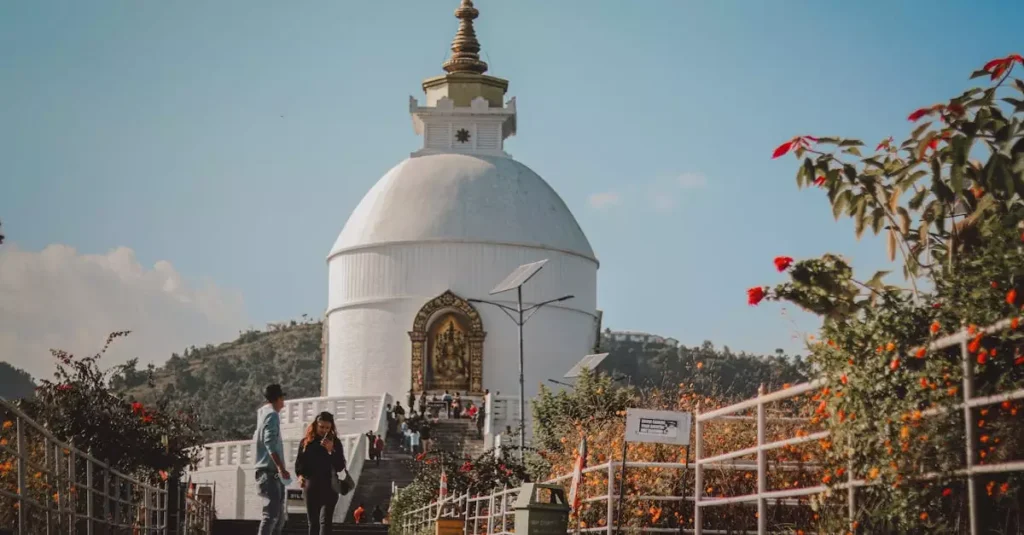

Introduction to Banking in Pokhara
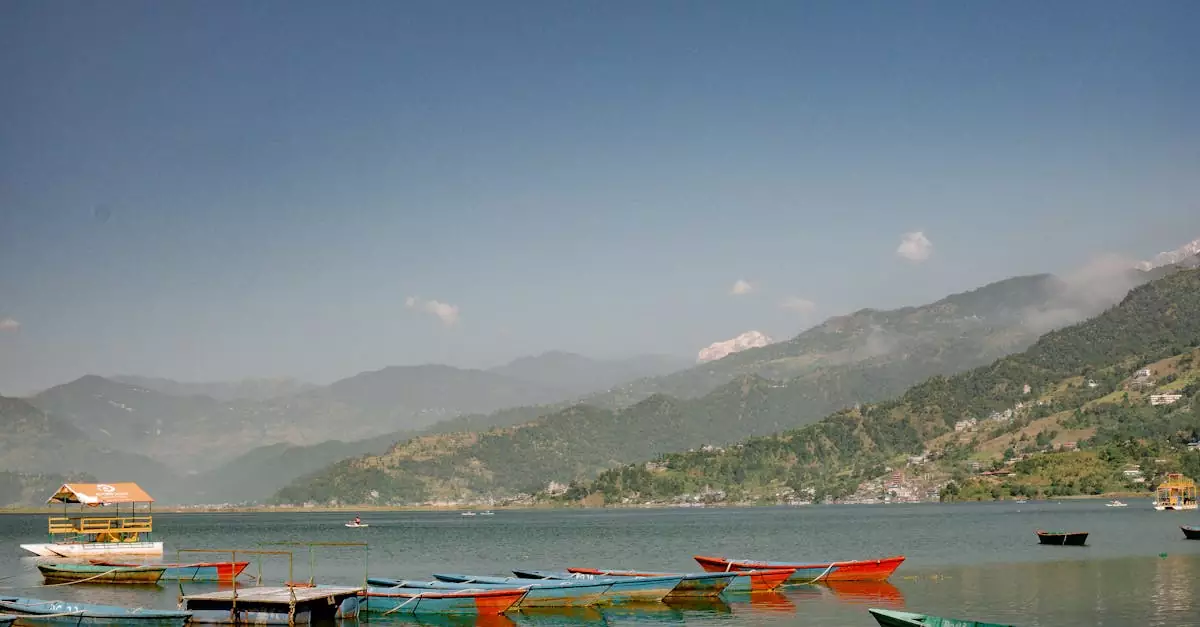
Pokhara sits beneath snow-capped peaks and acts as the staging point for many Annapurna treks. Travelers linger here for the calm of Phewa Lake or to stock up before heading into the hills. Handling cash correctly is a key part of any tripsmall shops, tea houses and remote lodges typically expect Nepalese Rupee (NPR). Knowing the pokhara atm withdrawal fee tourist requirements ahead of time helps you budget and avoid surprises, since card acceptance drops off once you move away from the main tourist corridors.
The local currency is the Nepalese Rupee (NPR), and while many hotels accept international cards, street vendors and market stalls usually do not. Lakeside is where most ATMs cluster and where machines are geared toward foreign cards, but withdrawals carry costs: the local banks ATM fee plus any charges your home bank levies. Being aware of these layers of expense prevents frustrationmany visitors only notice the extra deductions after the fact. The sections that follow break down what to expect when using ATMs in this part of Nepal.
Banking services in Nepal have moved forward quickly, and familiar bank names now line Pokharas streets. For most visitors, ATMs are the easiest way to access cash; many operate around the clock and accept Visa and Mastercard, with a smaller number taking UnionPay or American Express. Fees and withdrawal limits vary, so planning how much cash youll need and minimizing the number of withdrawals will save money and hassle during your stay.
The Banking Landscape in Pokhara for Visitors
Pokharas tourism economy supports a dense network of banks, with the highest concentration of ATMs in the Lakeside neighborhoodhome to hotels, eateries and trekking outfitters. Branches of Nabil Bank, Nepal SBI Bank and Himalayan Bank are common, and their ATMs generally display English prompts and sit in well-lit enclosures for safety. Youll also find banks clustered around New Road, the citys commercial center.
Each bank sets its own operational rules: some allow larger single withdrawals, others impose tighter caps. Because the pokhara atm charges are often a flat fee per transaction, withdrawing larger amounts less frequently reduces the percentage cost. Keep a small reserve of hard currency such as USD or EUR too, in case power cuts or cash shortages affect local machines outside the city center.
Visitors often lean toward international-facing banks like Standard Chartered or Nabil Bank because they usually have steady connections to global networks, though these can come with higher fees. Local institutions such as Prabhu Bank and Global IME also maintain wide ATM coverage and sometimes lower fees, but they may limit withdrawals more strictly. Check whether your bank has any partner banks in Nepal and notify your home bank of travel plans to avoid unexpected card blocks.
Understanding the Pokhara ATM Withdrawal Fee Tourist
For many international cardholders, the standard pokhara atm withdrawal fee tourist encounter is roughly 500 NPR per transaction. Converted, thats about 3.754.00 USD and does not include any fee your own bank may charge. The impact of a flat fee is clearer when you compare withdrawals: pulling 10,000 NPR means paying about 5% in fees, whereas a 35,000 NPR withdrawal drops that share closer to 1.4%. With that in mind, larger, less frequent withdrawals are generally smarter.
Fee amounts can differ slightly between bankssome smaller lenders may charge a little lessbut many of the internationally friendly ATMs stick to the 500 NPR standard. The surcharge is shown on-screen before you confirm a withdrawal, giving you a chance to cancel. Also watch for offers of Dynamic Currency Conversion (DCC); having the machine charge in your home currency is almost always more expensive and should be declined in favor of being billed in NPR.
The Nepal Tourism Board advises using ATMs placed inside secure locations. In Pokhara many machines sit in glass booths with attendants or guards nearby, which lowers risk. If you must withdraw at night, bring someone with you when possible. Keep every receiptmost machines print one automatically and that slip is useful if any discrepancy arises. Machines typically warn if they are out of paper before you start a transaction.
Best Banks for International Withdrawals in Pokhara
Picking the right bank can reduce the number of withdrawals you make. Nabil Bank is frequently recommended for foreign cards, with numerous ATMs across Pokhara and typical per-transaction limits up to 35,000 NPRone of the higher ceilings available. Their systems usually read international chip cards reliably and their machines are easy to find along the Lakeside strip.
Nepal SBI Bank, partly owned by the State Bank of India, has a strong regional reach and stable ATM performance. Withdrawal limits vary and are sometimes lower than Nabilsoften capped around 20,000 NPRso you may incur the withdrawal fee more often, but they make an excellent alternative when other networks are busy or offline.
Himalayan Bank was an early adopter of international card acceptance in Nepal and remains widely trusted. Their ATMs appear near major shopping areas and landmarks, and staff inside branches can assist if a problem requires human intervention. Per-transaction fees tend to align with the market standard and ATMs operate outside branch hours, even though counters follow typical banking schedules.
Withdrawal Limits and Cash Management Tips
Knowing ATM limits helps you plan for cash-intensive activities. Machines in Pokhara usually enforce per-transaction caps between 10,000 NPR and 35,000 NPR, and your issuing bank may also impose a daily ceilingoften near 500 USD or 400 EUR. If you need a large sum for trekking or group payments, you might have to spread withdrawals over multiple days to stay within both sets of limits.
Carrying a mix of denominations makes day-to-day spending easier. ATMs commonly dispense 1,000 NPR notes, which work well for hotels and larger restaurants but can be awkward for small vendors and transportation drivers. Use hotel or supermarket counters to break big notes, and distribute cash across pockets or bags rather than keeping everything in one place. Money belts or hidden pouches are useful for protecting your main reserve.
Expect occasional cash shortages at ATMsthese are more likely during national festivals, long weekends and peak trekking seasons in spring and autumn. Long lines at a machine often mean other machines nearby are already empty. To avoid being stranded, withdraw funds a few days in advance instead of waiting until youve nearly run out. Also keep in mind reduced banking hours on weekends.
Comparison Table of Pokhara ATM Fees and Limits
To help you choose the best bank, we have compiled a comparison table. These figures are based on standard rates for international tourists in 2026. Please note that individual card types might affect these numbers. Always check the screen for the most current fee before you finalize your transaction.
| Bank Name | Withdrawal Fee (NPR) | Max Limit per Transaction | Reliability Rating |
|---|---|---|---|
| Nabil Bank | 500 NPR | 35,000 NPR | High |
| Nepal SBI Bank | 500 NPR | 20,000 NPR | Very High |
| Himalayan Bank | 500 NPR | 25,000 NPR | High |
| Standard Chartered | 500 NPR | 35,000 NPR | High |
| Prabhu Bank | 400-500 NPR | 15,000 NPR | Medium |
This table highlights why targeting banks with higher single-withdrawal limitssuch as Nabil Bank or Standard Charteredoften makes sense: the flat 500 NPR cost becomes a smaller fraction of a larger withdrawal. If your card offers international fee refunds, any of the listed options will serve you well. Make sure your card supports chip-and-PIN; older magnetic-stripe cards can fail in some Nepalese ATMs because most units now support updated security standards.
Pros and Cons of Using ATMs in Pokhara
ATMs offer clear advantages: they usually apply close-to-market exchange rates, cut down the need to carry large amounts of foreign cash, and many machines are available 24/7 in tourist areas. That availability gives flexibility if you need cash outside normal banking hours.
On the downside, the pokhara atm withdrawal fee tourist faces can add up when making many small withdrawals, and technical issuessuch as machines retaining cards during power cutsare possible. Daily and per-transaction limits may force multiple visits to different banks for large sums, which is inconvenient when organizing payments for group treks or tours.
- Pros: Better exchange rates than most booths.
- Pros: Convenience and 24/7 availability in tourist zones.
- Pros: No need to carry large amounts of USD or EUR.
- Cons: Flat fees of 500 NPR per transaction.
- Cons: Potential for technical issues or empty machines.
- Cons: Lower withdrawal limits compared to Western countries.
Practical Tips for Managing Your Money in Nepal
For a smoother trip carry two different cards and keep them in separate places; if one is lost or blocked the other will get you through. Prefer ATMs located inside bank branches so you can seek help at the counter immediately if something goes wrong. Withdrawing during branch hours reduces the risk of having a card retained by a machine without quick recourse.
Be mindful of skimming: inspect the card slot for anything loose or out of place and shield the keypad when entering your PIN to block potential hidden cameras. These simple checks significantly reduce the chance of fraud and are standard practice for Tourism in Nepal as well as travel destinations worldwide.
Always opt to be charged in the local currency (NPR) rather than accepting the ATMs conversion. Let your home bank perform the exchangetheir rate is typically better than the DCC option and can save a few percentage points per transaction. Keep about $100 in crisp USD bills as an emergency buffer; if ATMs fail entirely, clean U.S. notes are widely accepted for exchange across Pokhara.
Frequently Asked Questions About Pokhara ATMs
What is the average ATM fee in Pokhara?
Most ATMs in Pokhara charge a flat fee of 500 NPR for international cards. This fee is clearly displayed on the screen before you finish the transaction. You can choose to cancel if you do not agree with the fee.
Which bank has the highest withdrawal limit?
Nabil Bank and Standard Chartered usually offer the highest limits. You can often withdraw up to 35,000 NPR in a single transaction. This is the best way to minimize the impact of the flat withdrawal fee.
Are ATMs in Pokhara safe to use at night?
Yes, ATMs in the Lakeside area are generally very safe at night. Most are located in well-lit areas with security guards nearby. However, it is always better to withdraw money during the day for extra security.
Do I need to tell my bank I am going to Nepal?
Yes, you should always notify your bank of your travel dates. If you do not, they might block your card for suspicious activity. You can usually do this through your bank’s mobile app or website.
Can I find ATMs on trekking trails near Pokhara?
ATMs are very rare once you leave Pokhara and head into the mountains. Some large villages like Jomsom might have one, but they are often unreliable. Always carry enough cash for your entire trek before you leave the city.
Conclusion
Understanding the pokhara atm withdrawal fee tourist landscape helps keep your trip running smoothly. Favor banks with higher withdrawal ceilings, decline dynamic currency conversion, carry a backup card and stash emergency foreign currency. With those precautions in place, you can focus on the scenery and the culture rather than banking hassles as you explore the Himalayas.

Our Fact Checking Process
We prioritize accuracy and integrity in our content. Here's how we maintain high standards:
- Expert Review: All articles are reviewed by subject matter experts.
- Source Validation: Information is backed by credible, up-to-date sources.
- Transparency: We clearly cite references and disclose potential conflicts.
Our Review Board
Our content is carefully reviewed by experienced professionals to ensure accuracy and relevance.
- Qualified Experts: Each article is assessed by specialists with field-specific knowledge.
- Up-to-date Insights: We incorporate the latest research, trends, and standards.
- Commitment to Quality: Reviewers ensure clarity, correctness, and completeness.
Look for the expert-reviewed label to read content you can trust.