When planning a budget trip to Tbilisi, it’s essential to identify the georgia cheapest month to travel cost. While Georgia can be quite economical, prices vary significantly depending on the season. During peak months, flights, accommodations, taxis, and even day tours can be pricier, whereas the low season offers more affordable options.
For most visitors, the most economical time to explore Georgia tends to be late autumn, winter, and early spring. These months typically feature lower hotel prices, better flight deals, and fewer tourists in Tbilisi. However, the trade-off includes colder temperatures and shorter days, so careful planning is crucial.
This guide provides authentic budget estimates, transportation information, crowd trends, and seasonal advice for Tbilisi and other regions in Georgia. Youll also discover how the georgia low season price fluctuates, what to anticipate in 2026, and tips for saving money while ensuring your trip remains enjoyable.
Georgia Cheapest Month to Travel Cost: What It Usually Means
The georgia cheapest month to travel cost typically occurs during the low season, particularly from November to March, with January and February often presenting the lowest hotel rates. However, this doesnt imply that all costs decrease simultaneously. Flights may remain high during holidays, while local transportation and many hotels drop significantly in price.
In Tbilisi, budget hotel rates can fall to about $25 to $45 per night during the low season, whereas the same room might range from $50 to $90 in spring or early autumn. Booking guesthouses and apartments early can yield even lower prices. Food expenses tend to remain stable, contributing to an overall affordable trip.
For many travelers, the best value comes from the combination of reduced room rates, lower tourist numbers, and flexible transportation options. To achieve the lowest overall travel cost, consider your complete budget rather than focusing solely on hotel prices. The cheapest month is only beneficial if the weather and your travel preferences align.
Typical low-season budget in Tbilisi
A basic daily budget in Tbilisi during the low season might look like this: hostel bed $10 to $20, budget hotel $25 to $45, meals $10 to $20, and local transport $2 to $6. Mid-range travelers may spend between $60 and $120 daily, depending on their choice of accommodation and day trips.
Using taxi apps is often more economical than hailing street taxis, while marshrutkas remain one of the most affordable ways to navigate Georgia. By comparing the georgia low season price to summer rates, you can frequently save enough to prolong your stay by several days.

Best Months for the Lowest Prices in Georgia
If your primary aim is to minimize expenses, the ideal months are generally January, February, and parts of November. December can be unpredictable, as prices often rise around Christmas and New Year. March tends to remain affordable, but costs may begin to increase as spring travel commences.
January and February are the coldest months in Tbilisi. While you may benefit from low hotel rates, some outdoor activities might be less enjoyable. However, for city exploration, museum visits, caf lounging, and culinary adventures, winter can be quite pleasant. Many travelers appreciate the less crowded city atmosphere during this time.
November can be an excellent choice, as it often strikes a balance between lower prices and milder weather compared to mid-winter. If youre looking for the cheapest month without facing harsh conditions, November is frequently a solid option. To maximize value, always compare flight dates with hotel costs before making reservations.
How the seasons affect cost
Spring and autumn are considered shoulder seasons. They might not always be costly, but they generally come with higher prices than winter. Summer attracts more tourists, especially in July and August, which drives up hotel rates in Tbilisi and popular excursion locations. Mountain areas also see increased activity during the summer months.
Understanding Georgia’s low season price patterns is straightforward: lower demand typically results in reduced room rates and greater availability. However, flight prices can behave differently. A cheap hotel wont be much help if airfare is significantly higher. Therefore, the cheapest month is the one that offers the lowest total trip cost, not merely the least expensive accommodation.
Cost Comparison Table for Tbilisi and Georgia
This straightforward comparison illustrates how the georgia cheapest month to travel cost varies with the seasons. These budget ranges are realistic for 2026 and may fluctuate based on booking time, hotel quality, and flight origin.
| Season | Months | Hotel per night | Meals per day | Local transport per day | Crowd level |
|---|---|---|---|---|---|
| Low season | Nov, Jan, Feb | $25-$45 | $10-$20 | $2-$6 | Low |
| Shoulder season | Mar, Apr, Oct | $35-$70 | $12-$25 | $3-$7 | Medium |
| Peak season | May-Sep | $50-$100+ | $15-$30 | $3-$8 | High |
For budget-conscious travelers, the low season can save anywhere from $15 to $40 per night on lodging alone. Over the course of a week, this adds up to significant savings. If you also manage to secure a great flight deal, the total savings could be sufficient to cover day trips, extra meals, or a better hotel location in Tbilisi.
Additionally, its worth noting that prices in Georgia often offer better value compared to many Western European cities, though tourist hotspots can still inflate rates. In Tbilisi, areas like the old town, central metro regions, and well-rated apartments near Rustaveli may charge more than outlying districts. Location is as crucial as the season.
Transport Costs, Distances, and How to Move Around Cheaply
Tbilisi serves as a convenient base since many major attractions are in close proximity. The Old Town, Freedom Square, Rustaveli Avenue, and the sulfur bath district are all easily accessible by short taxi rides or within walking distance. A taxi ride within the city generally costs around $2 to $6, depending on traffic and the time of day.
The airport is situated approximately 17 km from central Tbilisi. A taxi or app ride usually takes about 20 to 40 minutes, depending on traffic, and costs roughly $8 to $15. Although the airport bus is more economical, it may take longer and may not be ideal for late arrivals. In winter, a direct transfer can justify the additional expense.
For longer distances, marshrutkas and trains offer the cheapest transport options. A marshrutka from Tbilisi to nearby towns can cost just a few dollars, while train fares vary by route and class. If you plan to visit Kazbegi, Kutaisi, or Batumi, its wise to check travel times before making reservations. Affordable transport is only beneficial if it aligns with your schedule.
Reality Check
Choosing the cheapest month doesnt always equate to an easy travel experience. In January and February, some mountain roads may be snow-covered, daylight hours are shorter, and outdoor sightseeing can be limited. While you might save on accommodation, you could end up spending more time indoors or dealing with slower transport. This is typical and should be factored into your budget planning.
If your focus is primarily on city experiencesfood, culture, wine, and museumswinter remains an appealing budget option. For hiking, extensive day trips, or warm evenings, the shoulder season may provide better value even if its not the absolute lowest price.
What Tbilisi Is Like in the Low Season
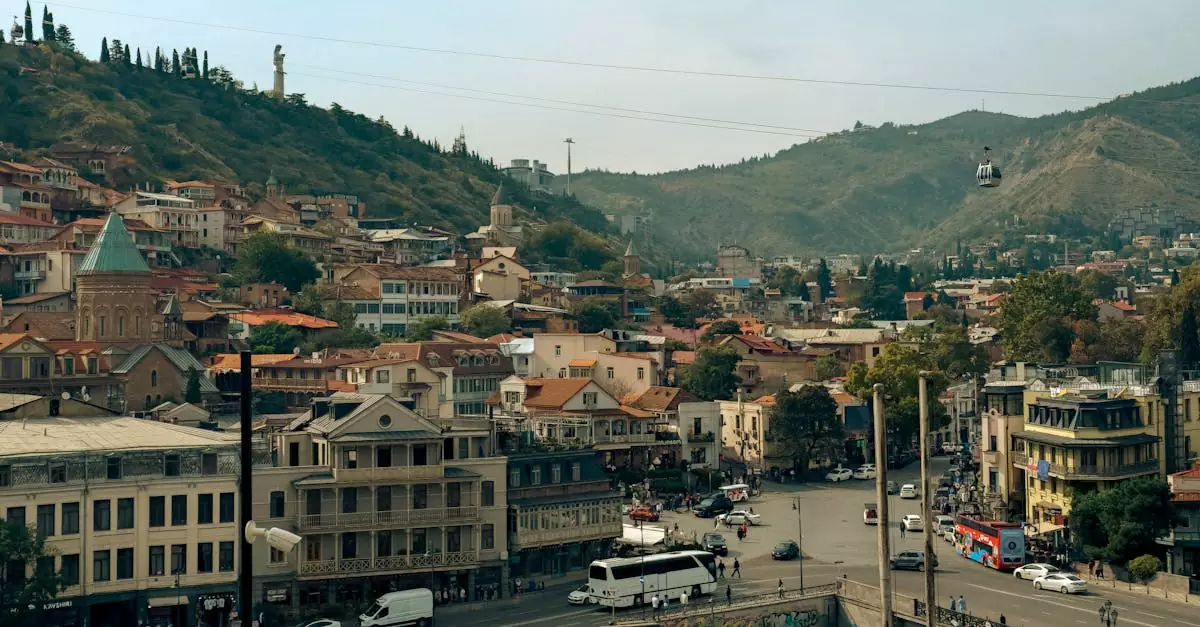
Tbilisi during the low season exudes a sense of tranquility. Streets are less congested, queues are shorter, and many cafes are more accommodating. This environment can enhance your enjoyment of the city, especially if you prefer to avoid busy travel periods. You can navigate more easily, find seating without hassle, and often receive better service from hosts and tour operators.
However, weather is a significant factor. January temperatures in Tbilisi can hover around freezing at night, with cool conditions during the day. Rain and occasional snow may impact walking comfort. If youre sensitive to cold, be sure to pack warm layers, a waterproof jacket, and shoes with good traction.
Numerous indoor activities are ideal during winter. You can visit museums, savor Georgian cuisine, explore the bath district, and enjoy wine bars without the summer rush. This is one reason why the georgia low season price can be so appealing. The reduced costs often align with a more relaxed travel experience.
Pros and cons of traveling in the cheapest months
Pros:
- Lower prices for hotels and apartments
- Fewer tourists in Tbilisi and at various attractions
- Higher likelihood of flexible booking options
- Good value for food, cafes, and urban stays
Cons:
- Cold weather and limited daylight
- Some outdoor excursions may be less enjoyable
- Snow or rain can disrupt road travel
- Prices may still increase during holiday periods
For many travelers, the advantages outweigh the disadvantages if the trip focuses on the city. However, for nature-oriented travel, the drawbacks may be more significant. It’s crucial to align the season with your travel plans, not just the lowest price.
How to Save More on a Georgia Trip
To achieve the best georgia cheapest month to travel cost, youll need more than just timing. Early flight bookings, comparing hotel rates across various platforms, and selecting a central location only if you plan to walk frequently are key strategies. If you’re comfortable using taxis or the metro, staying slightly outside the city center can help reduce costs.
Dining is another area where you can easily save. Local bakeries, quaint cafes, and simple Georgian eateries often provide excellent value. A hearty meal can be significantly cheaper than in many European capitals. By opting for one substantial meal and one lighter option daily, you can stretch your budget further without feeling constrained.
For official travel details and regional insights, refer to Georgia’s tourism website. Its a valuable resource for route suggestions, regional information, and practical travel planning. It can also assist in comparing Tbilisi with other areas of the country prior to booking.
Important Tips
- Choose hotels with free cancellation while prices fluctuate.
- Utilize ride-hailing apps instead of random street taxis whenever possible.
- Check weather and road conditions before embarking on long day trips.
- Evaluate total trip costs, not just hotel expenses.
Another wise strategy is to stay near a metro station in Tbilisi. This can minimize taxi usage and keep your daily transportation costs low. If youre traveling for a week or more, small savings on each ride can accumulate quickly.
For general information about the country, you can check this overview of Georgia. While its not a booking tool, it offers valuable context about the country and its geography.
Who Should Travel in the Cheapest Month?
The cheapest month is an excellent choice for budget travelers, solo adventurers, digital nomads, and city-break visitors who dont require perfect weather. Its also suitable for those who enjoy quieter streets, indoor attractions, and flexible itineraries. Tbilisi has a wealth of cafes, historical sites, and culinary options to keep a low-season trip engaging.
Families and first-time visitors might prefer the shoulder season for milder weather and more manageable sightseeing. Couples seeking a relaxed getaway can also find value in winter, particularly if they focus on spas, dining, and cultural experiences. Setting expectations early is essential. A budget trip can be enjoyable, but it shouldnt feel rushed or overly packed.
If you prefer a more polished experience with reasonable prices, March, April, and October often serve as good compromise months. While they may not always be the absolute cheapest, they frequently offer better weather and easier sightseeing, which can provide greater value than simply pursuing the lowest hotel rate.
For additional travel planning and local inspiration, consider visiting Visit Georgia. This site is useful for understanding destinations beyond Tbilisi and for checking seasonal availability.
FAQs About Georgia Cheapest Month to Travel Cost
What is the cheapest month to visit Georgia?
January and February are typically the most affordable months for accommodations and various local travel costs. November can also be quite economical. The specific answer may vary based on your flight route and holiday travel.
Is Tbilisi cheap in winter?
Indeed, Tbilisi generally offers lower prices in winter compared to spring or summer. Hotel rates often decrease, and crowds are thinner. However, it’s wise to budget for warm clothing and potential transport delays due to inclement weather.
How much money do I need per day in Tbilisi?
A budget traveler might spend around $35 to $70 daily. This can cover a basic room, meals, and local transport. Mid-range travelers usually spend more, particularly if they opt for private transfers or stay in central accommodations.
Are flights to Georgia cheaper in low season?
Is Georgia worth visiting in the cold months?
Absolutely, especially if you enjoy city travel, food, museums, wine, and lower costs. While winter isnt ideal for extensive outdoor activities, it can be a smart choice for budget-conscious travelers looking for good value in Tbilisi.
For more comprehensive country facts and historical context, you can visit Britannica’s Georgia guide. This resource is helpful for a quick overview before planning your itinerary.
Final Verdict: Is the Cheapest Month the Best Month?
The georgia cheapest month to travel cost usually occurs in winter, particularly in January and February, with November also providing excellent value. If saving money is your priority, these months can significantly reduce hotel and trip expenses. Tbilisi remains vibrant in winter, so you wont miss out on the experience simply because its low season.
In 2026, the key to smart budgeting lies in comparing seasons, weather conditions, and transportation options before making reservations. This approach ensures you find the best balance of cost and comfort. With careful planning, Tbilisi can be both budget-friendly and fulfilling without feeling rushed or overly scheduled.