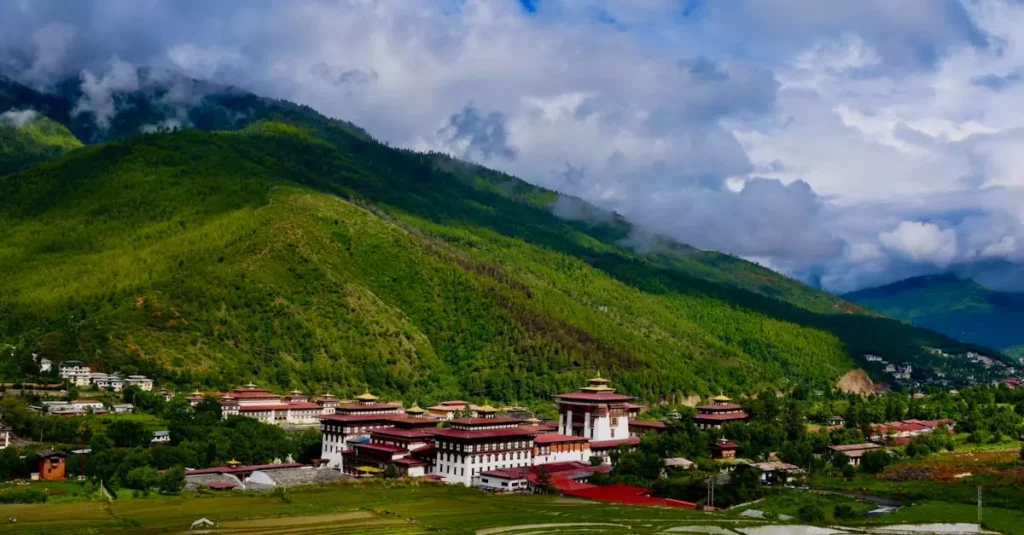
When considering the Bhutan solo travel cost for 2026, it’s essential to have precise figures rather than relying on assumptions. Bhutan’s serene beauty and well-organized environment come with a price tag that can be higher than typical backpacking destinations. Your expenses will vary based on your itinerary, the standard of accommodation, transportation choices, and the time of year. Starting your journey in Paro can simplify your plans while allowing you to experience a lot.
It’s wise for travelers to look into a Bhutan solo budget before making any reservations. Initially, solo travel in Bhutan might seem pricey due to the country’s regulated tourism system, which results in costs exceeding those found in many other Asian regions. However, with a well-thought-out plan, you can manage your expenses effectively and minimize unnecessary spending.
This guide details the actual Bhutan solo travel cost for a solo adventure in Paro, covering aspects like transportation, accommodations, meals, permits, seasonal price variations, and optimal timing. It also offers insights into what solo travelers can expect and the benefits they can enjoy.
Bhutan Solo Travel Cost: What You Should Expect in 2026
A common error among solo travelers is to compare Bhutan with budget-friendly trips in countries like Thailand, Vietnam, or Nepal. Bhutan operates under a different model. Your overall Bhutan solo travel cost typically encompasses flights, visa or permit fees, daily transportation, accommodations, meals, and the Sustainable Development Fee. Depending on your booking method, you may also incur costs for a guide, driver, or packaged services.
For a brief solo visit to Paro, anticipate a budget that is often more substantial than you might think. A basic trip can range from USD 250 to 450 per day if you opt for essential services and travel during the right season. Choosing more luxurious options can quickly escalate your expenses. Flights to Paro are a significant factor, as the airport has limited international connections and fares can fluctuate considerably.
Paro serves as a convenient base due to its proximity to the airport and notable attractions like Paro Dzong and the trailheads for Tigers Nest. While distances may appear short, mountain roads can be time-consuming. For instance, a 15 km journey might take anywhere from 30 to 45 minutes, which can impact your transport planning and daily itinerary.
Here’s a straightforward cost overview for solo travel in Paro, Bhutan in 2026:
| Expense | Budget Range (USD) | Notes |
|---|---|---|
| International flight to Paro | 300 to 900+ | Varies based on origin and season |
| Hotel or guesthouse | 25 to 120 per night | Basic to mid-range options |
| Meals | 10 to 35 per day | Local food tends to be cheaper |
| Local transport | 10 to 40 per day | Taxi fares increase outside the town |
| Entry and travel fees | Varies | Check the latest regulations before booking |
| Guide or package services | 0 to 150+ per day | Dependent on your booking method |
These figures are approximations and not fixed rates. Prices in Bhutan can fluctuate based on the season, demand, and how you book. Always confirm current regulations before making any payments.
For official travel information, consult the Bhutan Tourism website prior to finalizing your plans.
How to Build a Bhutan Solo Budget for Paro
Creating a solid Bhutan solo budget begins with one fundamental question: how many days do you plan to stay? A three-day trip to Paro will generally be less expensive than a week-long stay, but daily costs can remain high due to fixed expenses like flights and permits. Solo travelers should distinguish between fixed costs and daily expenses to better manage their budget.
Fixed costs encompass your international flight, visa or permit fees, and any pre-arranged transportation. Daily costs cover accommodations, meals, and local transport. In Paro, budget travelers can often find basic guesthouses and enjoy simple meals. On the other hand, mid-range travelers may prefer more comfortable hotels and private transfers. Both options are viable.
Heres a sample solo budget for a four-day stay in Paro:
- Flight to Bhutan: USD 300 to 900+
- Hotel: USD 100 to 320 total
- Meals: USD 40 to 120 total
- Local transport: USD 30 to 100 total
- Entry or tourism fees: check current official rules
- Extra buffer: USD 50 to 150
This results in an estimated total of USD 520 to 1,590+, excluding potential extras. Such a broad range is typical, with the final amount influenced by your travel preferences and departure location.
Important Tip: Always keep a separate buffer for unexpected changes. In Bhutan, factors like weather, road conditions, and flight availability can impact your itinerary. A buffer of 10% to 15% is advisable for solo travelers.
For details on immigration and entry, refer to the Bhutan immigration portal before booking any non-refundable services.
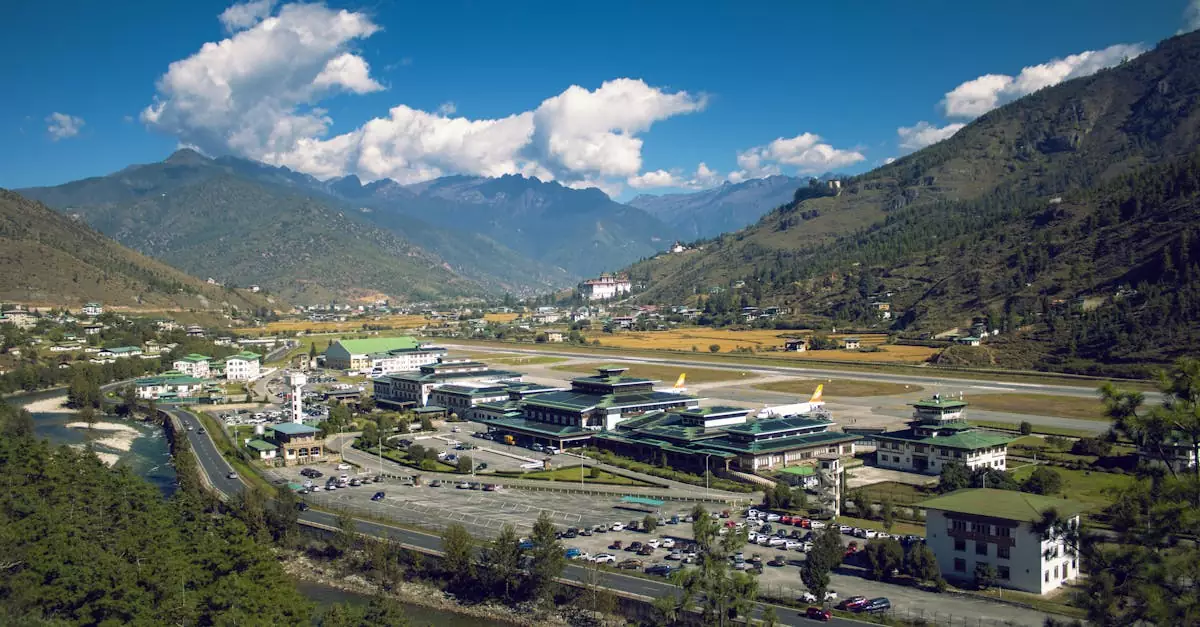
Transport Costs in Paro and Why Distances Matter
Although Paro may appear small on a map, the mountainous terrain can significantly slow down travel. This is crucial for your Bhutan solo travel cost, as transportation isn’t solely about distance; road conditions, route characteristics, and waiting times also play a role. A brief journey from Paro town to a viewpoint or monastery can end up costing more than anticipated if you hire a taxi for the day.
The drive from Paro airport to Paro town is typically short, taking around 10 to 20 minutes depending on traffic and your hotels location. While local taxis may be affordable, private transfers tend to be pricier. Many solo travelers opt for half-day or full-day taxi hires for excursions, especially when public transport options are limited.
Common transportation options include:
- Airport taxi: ideal for quick hotel transfers
- Private car with driver: offers flexibility for sightseeing
- Shared arrangements via a tour operator: can help reduce costs
- Walking within town: feasible for short distances
For the Tigers Nest trek, transport generally starts from Paro town and leads to the trailhead. While the drive is brief, the hike itself requires a significant time investment. Most travelers allocate 5 to 7 hours for the entire experience, including breaks. This means your transportation expenses may be minimal compared to the time spent.
Reality Check: In Bhutan, a short distance doesn’t always equate to a quick or inexpensive journey. Mountain roads, traffic checkpoints, and limited transport options can make seemingly straightforward transfers more costly than expected.
For geographical context and background information, you can also check the overview of Bhutan for a quick reference before diving deeper into planning.
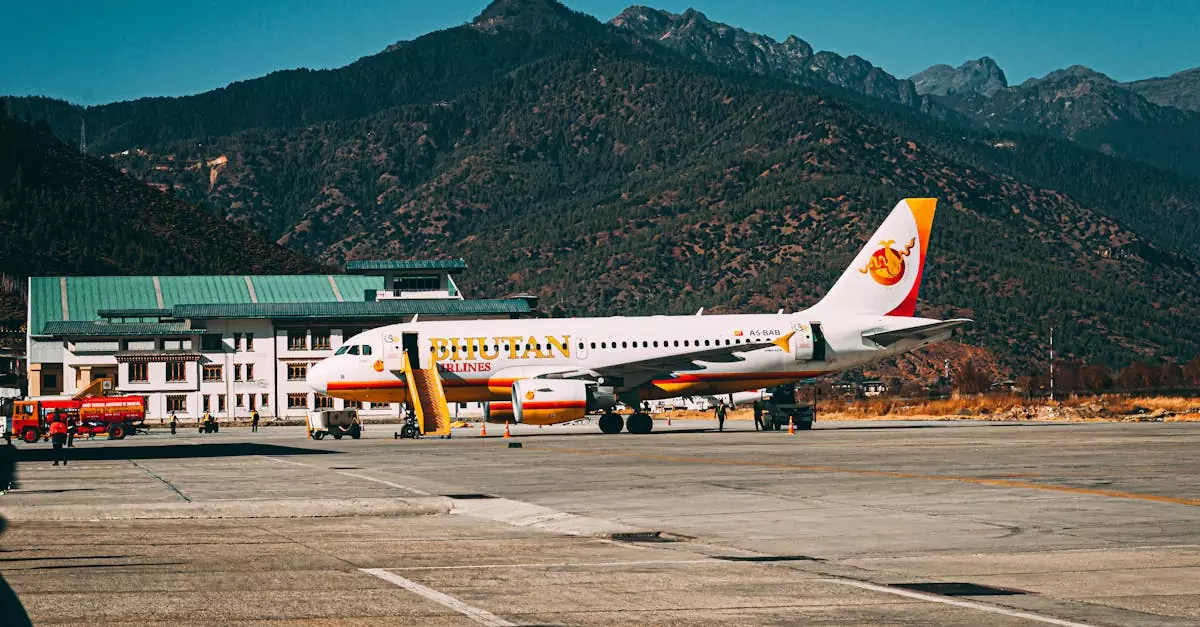
Where Solo Travelers Spend the Most Money in Bhutan
The largest components of your Bhutan solo travel cost typically do not include minor snacks or local bus fares. Instead, they consist of flights, accommodations, and any necessary travel arrangements. During peak season, hotel rates can increase while availability decreases. Solo travelers seeking privacy may find their room costs higher than if they were sharing.
Food expenses are generally manageable. In Paro, local dishes can be both simple and affordable, featuring options like rice, vegetables, noodles, momos, and tea at reasonable prices. However, Western-style meals tend to be pricier. Alcohol, specialty coffee, and imported goods can also inflate your bill. Those who opt for local cuisine often find they can save a substantial amount.
Accommodation represents another significant expense. While guesthouses are the most economical choice, they vary in quality. Some are basic yet clean, while others offer better amenities such as heating, Wi-Fi, and breakfast. In colder months, having adequate heating is essential. A budget room lacking proper heating can diminish comfort and lead to additional expenses for convenience later on.
Here’s a breakdown of how most solo travelers allocate their spending:
- Flights: the largest single expense
- Accommodation: typically the second largest
- Transport: moderate, but can increase with day trips
- Food: usually flexible
- Extras: souvenirs, tips, drinks, and entry fees
For a more official tourism overview, visit the Kingdom of Bhutan travel site for general destination insights.
Best Time to Visit Paro for Better Value
The season significantly influences both pricing and comfort. Spring and autumn are often considered the best times for a solo trip to Paro, offering clearer skies, more favorable hiking conditions, and reliable sightseeing opportunities. However, these seasons also attract larger crowds, which can lead to increased costs for hotels and flights. If you’re seeking a better Bhutan solo budget, consider traveling during the shoulder months.
Spring, from March to May, is favored for its mild weather and blooming flowers. Autumn, spanning September to November, also provides excellent conditions for views and trekking. While winter can sometimes be cheaper, temperatures drop significantly, and some travelers may require additional heating. Monsoon months often bring rain, cloud cover, and slower travel times.
For Paro specifically, seasonal patterns are important. In peak months, you might encounter more group tours at popular sites like Paro Dzong and Tigers Nest. Although crowds are generally manageable compared to larger cities, main viewpoints can feel busy during mornings. Early starts can help mitigate this. Conversely, during low season, you might enjoy more tranquility, but weather conditions could impact visibility.
Important Tip: If value is your priority, book early for spring or autumn. If lower prices are your goal, consider winter dates and assess heating quality before securing accommodations.
Here’s a simple timing guide:
- Spring: optimal weather and views
- Summer/monsoon: lower comfort, potential for better prices
- Autumn: favorable weather, high demand
- Winter: quieter, colder, occasionally cheaper
Pros and Cons of Solo Travel in Bhutan
Traveling solo in Bhutan can be a fulfilling experience, though it may not be the easiest budget-friendly option in Asia. Understanding the advantages and disadvantages can help you determine if the Bhutan solo travel cost aligns with your objectives. If you seek tranquility, stunning landscapes, and a structured experience, Bhutan may justify the expense. However, if you prefer a highly flexible backpacking journey, you might find it somewhat limiting.
Pros
- Serene atmosphere with minimal noise
- Opportunity to immerse in nature, culture, and walking
- Compact and easy-to-navigate Paro
- Ideal for travelers who appreciate organized itineraries
- Impressive scenery relative to the costs
Cons
- Higher base costs compared to many Asian destinations
- Limited transport options in certain areas
- Flight access can be costly or restricted
- Increased prices during peak season
- Solo travelers may incur higher costs for private services
In essence, Bhutan is best suited for solo travelers who prioritize experience over the lowest possible costs. If you desire a peaceful journey and are willing to invest more for a structured experience, it can be an excellent choice. However, if your primary aim is to find the cheapest travel option in Asia, Bhutan might not be the ideal destination.
Practical Tips to Lower Your Bhutan Solo Travel Cost
Enjoying Paro doesn’t require overspending. A thoughtful approach can help reduce your Bhutan solo travel cost without adding stress to your trip. The key lies in managing fixed costs first, then finding ways to cut daily expenses where feasible. Small decisions matter, as Bhutan is not a destination where every expenditure is minimal.
Important Tip: Book flights well in advance and carefully compare dates. Flight prices can vary significantly based on the season and demand. Even shifting your travel dates by a few days can alter the overall cost.
Important Tip: Opt for accommodations near Paro town to minimize taxi usage. A central location saves both time and money, making it easier to walk to nearby eateries and shops.
Additional ways to save include:
- Travel during shoulder seasons when the weather is still decent
- Select a guesthouse that offers breakfast
- Favor local cuisine over imported dishes
- Consolidate nearby attractions into a single transport day
- Carry cash and verify card acceptance in advance
Avoid cramming your schedule with activities. An overloaded itinerary can lead to increased taxi use and unnecessary stress. A more relaxed approach often proves more effective in Bhutan, allowing you to see more, spend less, and enjoy your time without the rush.
If you wish to compare your plans with general destination information, the primary tourism pages on official Bhutan travel resources are valuable for structuring your trip and obtaining the latest updates.
Is Bhutan Worth It for Solo Travelers?
For many, the answer is yes. Bhutan offers a rewarding experience for those seeking a meaningful journey at a relaxed pace. The breathtaking scenery around Paro, memorable cultural sites, and a more leisurely travel rhythm set it apart from other Asian destinations. This slower pace can be particularly beneficial for solo travelers looking for time to reflect, walk, and explore without feeling rushed.
However, the concept of value is subjective. If you measure a trip solely by its cost, Bhutan may not meet your expectations. On the other hand, if you assess it based on comfort, beauty, and a well-organized travel system, it can certainly justify the expense. Establishing a realistic budget before booking is crucial, allowing you to evaluate how it aligns with your travel desires.
Solo travelers who thrive in Bhutan typically share three characteristics: they plan ahead, maintain realistic expectations, and embrace the countrys more relaxed pace. This mindset enhances both enjoyment and cost management.
In summary, while the Bhutan solo travel cost may be higher than many anticipate, the experience can still offer great value for those who prioritize the journey over the price tag.
FAQs About Bhutan Solo Travel Cost
1. How much does Bhutan solo travel cost in 2026?
A solo trip can start from around USD 250 to 450 per day, factoring in accommodations, meals, transport, and travel-related fees. Flight costs and seasonal variations can significantly increase the total.
2. Is Paro expensive for solo travelers?
While Paro isn’t cheap, it’s manageable with proper planning. The main costs are associated with hotels and taxis, while food can remain affordable if you choose local options.
3. Can I travel solo in Bhutan on a budget?
Yes, but the overall budget will still be higher than in many Asian countries. A strategic Bhutan solo budget emphasizes early bookings, basic accommodations, and local cuisine.
4. How long should I stay in Paro?
A stay of three to four days is sufficient for a short solo trip, allowing ample time to explore the town, nearby attractions, and the Tigers Nest area without feeling rushed.
5. What is the best season for lower costs?
Winter and certain shoulder months can provide better value, though the weather can be colder or less predictable. Spring and autumn are ideal for views, but prices may be higher.