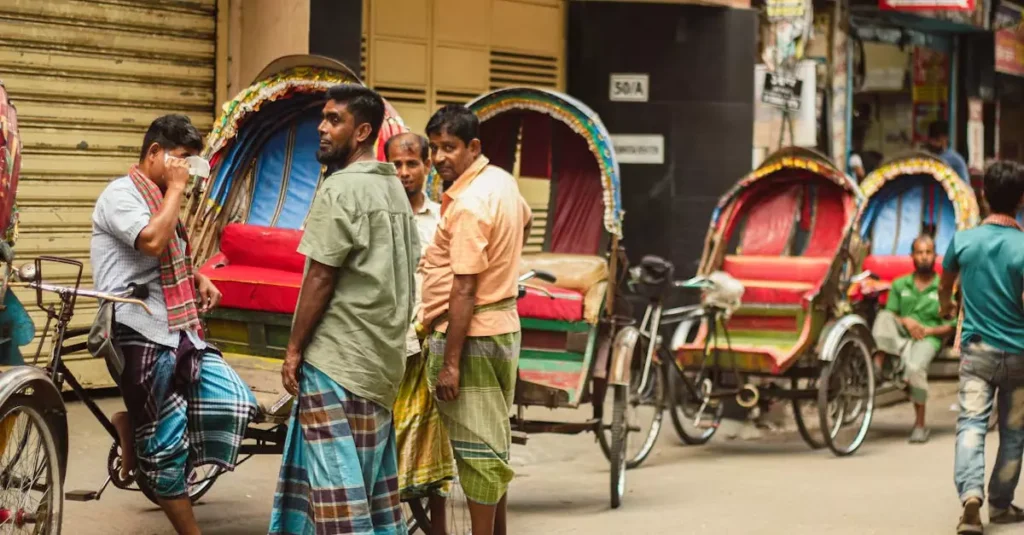
For many travelers arriving in Bangladesh, understanding the rickshaw fare in Dhaka is crucial. These colorful vehicles are a common sight and offer a leisurely way to navigate the bustling city. They provide a convenient option for short trips through Dhaka’s crowded streets.
Newcomers to the city might find the pricing a bit confusing at first. Since most drivers do not operate on a meter, the dhaka rickshaw cost is influenced by various factors such as distance, traffic conditions, the time of day, and road congestion. This guide outlines typical prices, tips for bargaining, and when its best to choose a rickshaw.
As one of South Asia’s largest and busiest cities, Dhaka is known for its heavy traffic and crowded streets, which can lead to fluctuating travel times. Being aware of the standard dhaka rickshaw fare price can help you plan your journeys more effectively, save money, and minimize misunderstandings.
Dhaka Rickshaw Fare Price: What Travelers Typically Pay
The typical dhaka rickshaw fare price for short trips in central Dhaka is generally quite low compared to global standards, but it can fluctuate significantly. For very short rides, approximately 1 to 2 kilometers, travelers might pay between BDT 30 and BDT 80. For longer distances, around 3 to 5 kilometers, fares can increase to BDT 80 to BDT 200, particularly during heavy traffic.
Most of the time, the dhaka rickshaw cost is not set in stone. Drivers may request higher fares during peak traffic, rainy weather, or late-night rides. Tourists might also be quoted higher prices than locals in busy areas. Therefore, it’s wise to confirm the fare before hopping in.
Rickshaws are ideal for short trips rather than long journeys across the city. While they may be slow, they can navigate narrow lanes where cars cannot easily go. For quick and inexpensive rides over short distances, the fares are usually reasonable. However, for longer trips, alternative transportation might be more economical as it saves time.
Factors Influencing Rickshaw Prices: Distance, Traffic, and Time
While distance is a significant factor in determining the dhaka rickshaw fare price, it is not the only consideration. A 2-kilometer ride may be much cheaper during light traffic compared to rush hour. In Dhaka, traffic can transform a short journey into a lengthy one, and drivers may charge more if they anticipate delays.
The time of day also plays a role. Early morning rides can be easier to negotiate, while evening trips, particularly after work hours, tend to be pricier due to congestion. Rainy conditions can further increase fares as demand rises and travel becomes more challenging, especially during the monsoon season.
Heres a straightforward comparison of common prices and travel conditions:
| Trip Type | Approx. Distance | Usual Fare Range | Typical Travel Time |
|---|---|---|---|
| Very short local ride | 1-2 km | BDT 30-80 | 10-20 min |
| Short city ride | 2-3 km | BDT 50-120 | 15-30 min |
| Medium ride | 3-5 km | BDT 80-200 | 25-45 min |
| Traffic-heavy ride | Any short distance | BDT 100-250+ | 30-60+ min |
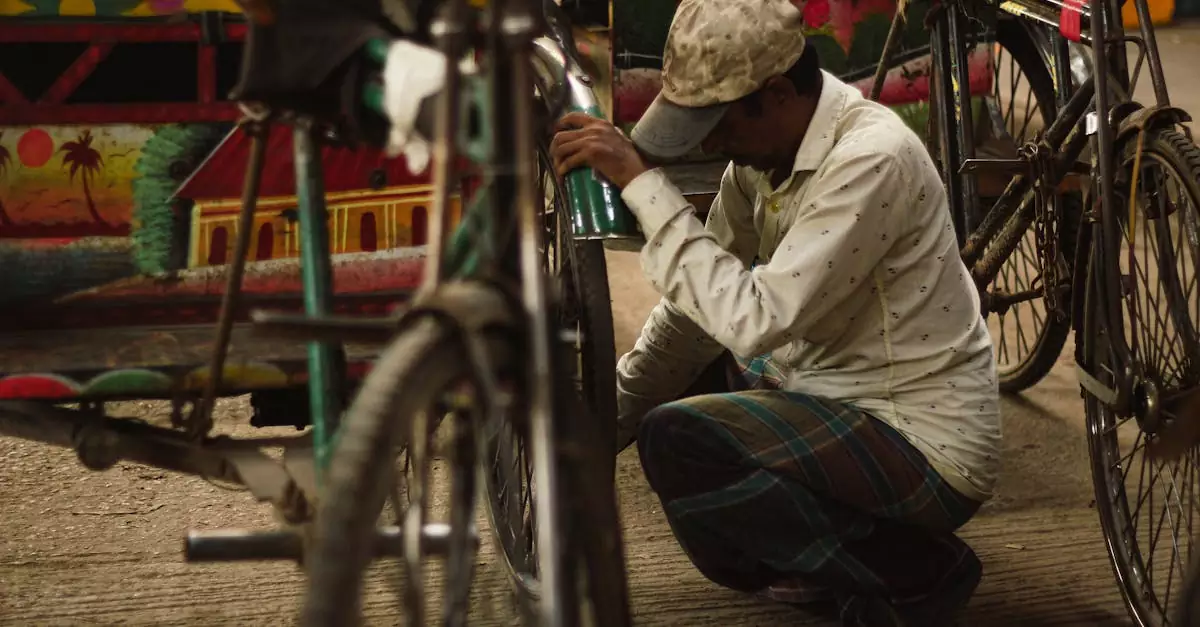
These figures are rough estimates and not fixed prices. The actual dhaka rickshaw fare price will depend on negotiation and local traffic conditions. If you have luggage or are traveling in inclement weather, be prepared to pay a little extra.
Negotiating a Fair Dhaka Rickshaw Cost
Negotiation is a standard practice in Dhaka. Most rickshaw drivers expect it, and many travelers quickly adapt to the local customs. To manage the dhaka rickshaw cost, it’s best to inquire about the fare before the ride begins. Keep your request straightforward, and dont hesitate to show the destination name if necessary. If the quoted price seems excessive, consider asking one or two other drivers nearby.
Maintaining a polite demeanor can often yield better results than arguing. If you know the distance, you can compare the fare with the expected trip length. For instance, a 1-kilometer ride should not be priced the same as a 5-kilometer ride unless traffic is particularly severe. If the driver refuses to accept your price, simply walk away; another rickshaw is likely nearby.
Important Tip: Carry small bills to simplify payment and minimize issues with change. Many drivers prefer not to break large notes for low fares.
Important Tip: Always agree on the fare before starting your ride. This helps avoid confusion at the end of the trip and is beneficial if the route needs to change due to traffic.
For travelers seeking additional context about the country, Wikipedias overview of Bangladesh offers helpful background before your visit.
Best Areas in Dhaka to Use a Rickshaw
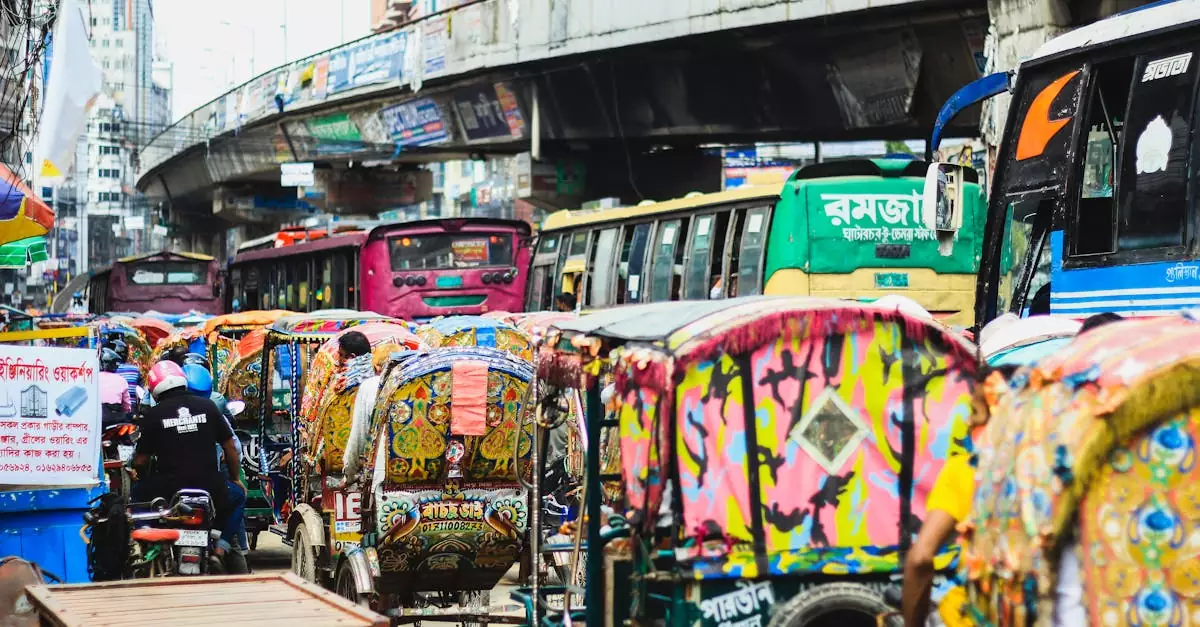
Rickshaws are particularly effective in many neighborhoods of Dhaka, especially where streets are narrow or traffic is slow. They are ideal for last-mile travel from bus stops, hotels, markets, or metro stations to your final destination. In many areas, taking a rickshaw can be quicker than walking and offers more flexibility than a car.
Short trips in locations such as Old Dhaka, Dhanmondi, Lalmatia, and the side streets of Banani are often practical. In densely populated regions, rickshaws can navigate small roads that cars struggle to access, making them a great choice for local errands, dining out, and shopping.
However, rickshaws may not be the best option on major roads with heavy traffic, as they can get stuck behind buses and other vehicles. If you have a longer, more direct route, consider ride-sharing or public transport for greater efficiency. For general travel planning in Bangladesh, the official tourism site at Beautiful Bangladesh is a valuable resource for destination ideas.
During busy tourist seasons, drivers near popular attractions may charge more. This is common in many cities. A smart tactic is to compare offers from two or three drivers before making a choice, helping you gauge the local fare range and avoid overpaying.
Reality Check: What Rickshaw Travel in Dhaka Is Really Like
While rickshaws are charming, they may not always provide a comfortable experience. The ride can be slow, open to the elements, and influenced by weather conditions. In hot months, you might encounter strong sunlight and dust, while during the rainy season, seats can become wet, and some roads may flood. If youre expecting a smooth, tourist-friendly ride, you might be in for a surprise.
Although the dhaka rickshaw fare price may appear inexpensive, travel times can be lengthy due to traffic. A 2-kilometer journey might take 20 minutes or more, especially during peak hours when even short distances can feel prolonged. Thus, the true cost involves not just money but also time.
Crowd dynamics play a role as well. Streets in Dhaka can be loud, bustling, and frenetic. Drivers often weave through gaps in traffic, and pedestrians walk closely by. This environment can feel intense for those unaccustomed to it. Travelers should remain vigilant, secure their belongings, and limit phone usage while riding.
For more travel insights and route suggestions in the region, Britannicas page on Bangladesh provides a comprehensive overview of the country.
Pros and Cons of Taking a Rickshaw in Dhaka
While rickshaws offer distinct advantages in Dhaka, they also have limitations. Understanding both aspects can aid in making informed choices. They are quite useful for short city trips, but may not be the best option for longer or time-sensitive journeys.
Pros
- Widely available in most neighborhoods
- Ideal for short distances and narrow streets
- Generally cheaper than private vehicles for local travel
- No need to navigate complex routes
- Convenient for quick stops and last-mile connections
Cons
- Can be slow in heavy traffic
- Prices are typically negotiable, not fixed
- May be uncomfortable in rain, heat, or dust
- Not suitable for long-distance travel
- Fares may increase for tourists or late-night rides
For many travelers, the optimal strategy is to use rickshaws primarily for short daytime trips. If you need to traverse a larger portion of the city, combining different modes of transport can often provide a better balance of time, comfort, and cost.
Seasonal Travel Tips for Rickshaw Riders
Seasonal variations can impact the dhaka rickshaw fare price and the quality of the ride. During the hot season, typically from March to June, the heat can make travel exhausting. Opting for shorter rides and avoiding midday trips can be beneficial. In the monsoon months, rain can drive up the dhaka rickshaw cost due to increased demand and slower travel times.
Winter is often the most pleasant time for rickshaw rides, as the cooler air makes the experience more enjoyable. However, rush hour can still be busy, leading to longer travel times than anticipated. On festival days and public holidays, expect crowded roads and potentially higher fares in busy areas.
If it’s your first time in Dhaka, allow for extra time in your schedule. A short trip may take longer than you expect, which is common in this city. Plan your day with some flexibility, particularly if you have a flight, train, or important meeting to attend.
For organized travel options throughout the country, this Bangladesh destination guide can assist you in comparing city and regional travel alternatives.
Essential Travel Tips for Dhaka Rickshaw Users
Important Tip: Use rickshaws primarily for short distances. They are best suited for journeys of 1 to 3 kilometers in densely populated areas. For longer routes, consider other transport options before making a decision.
Important Tip: Pay attention to the weather. In rainy conditions, the same route may become pricier and take longer. Carrying a small umbrella or rain cover can be helpful during the monsoon months.
Here are a few additional practical tips to enhance your urban travel experience:
- Verify the destination on a map before you depart.
- Ask for the fare in advance and confirm it clearly.
- Have exact or small change ready for payment.
- Avoid peak rush hours if you prefer a more relaxed ride.
- Choose a rickshaw from a visible, busy area when possible.
These simple practices can save time and alleviate stress, leading to a smoother experience for both you and the driver. In Dhaka, minor planning steps can create a significant impact.
FAQs About Dhaka Rickshaw Fare Price
1. What is the average dhaka rickshaw fare price?
The typical fare for short city rides tends to be around BDT 30 to BDT 80 for distances of 1 to 2 kilometers, though this can increase based on traffic, weather, and the time of day.
2. Is the dhaka rickshaw cost fixed?
No, most rickshaw fares in Dhaka are negotiable. Drivers usually discuss the price before the journey begins.
3. Are rickshaws safe for tourists in Dhaka?
Yes, they are generally safe for short local trips, provided you remain aware, keep your belongings secure, and select sensible routes.
4. When is the best time to use a rickshaw?
Morning and non-rush-hour times are usually more manageable. Winter and dry days are also more comfortable compared to hot or rainy afternoons.
5. Should I use a rickshaw for long distances in Dhaka?
Typically, no. Rickshaws are better suited for short trips. For longer distances, other forms of transport may save time and reduce fatigue.
Final Thoughts: Is a Rickshaw Worth It in Dhaka?
For numerous short city trips, a rickshaw is definitely worth considering. The dhaka rickshaw fare price is often reasonable, and the ride allows you to access narrow streets and local neighborhoods directly. Its one of the most practical methods for navigating short distances in Dhaka.
However, travelers should maintain realistic expectations. The dhaka rickshaw cost can fluctuate due to traffic, weather, and demand. Rides may be slow, and fare negotiation is often necessary. By knowing the typical price range, asking clearly, and allowing for extra time, you can confidently use rickshaws.
When exploring Dhaka and Bangladesh, the best strategy is straightforward: utilize rickshaws for short, flexible trips while opting for other transport when speed is a priority. This balance will enhance your city experience in 2026.