Africa beckons with adventures that span breathtaking landscapes, vibrant cultures, and unparalleled wildlife encounters. If you’re dreaming of an unforgettable journey, exploring the best Africa bucket list experiences for 2026 should be a priority. This guide will take you through iconic safaris to witness the Great Migration, track gorillas, delve into ancient historical sites, and immerse yourself in local traditions.
You’ll find essential tips for planning your trip, including the best times to visit various regions and navigating cities safely. We will also highlight hidden gems and unique cultural immersions that provide a deeper connection to the continent. Get ready to unlock your wanderlust as we explore must-see destinations and experiences that make Africa an extraordinary travel destination.
Iconic Wildlife Encounters: Your Ultimate Africa Bucket List Safari
An African safari is a quintessential bucket list experience, offering unmatched opportunities to witness diverse wildlife in their natural habitats. From vast savannas to dense forests, the continent teems with life, promising unforgettable encounters for every traveler. Planning a safari involves understanding the best times to visit, iconic locations, and the logistics of getting around.
Witness the Great Migration in Kenya’s Masai Mara
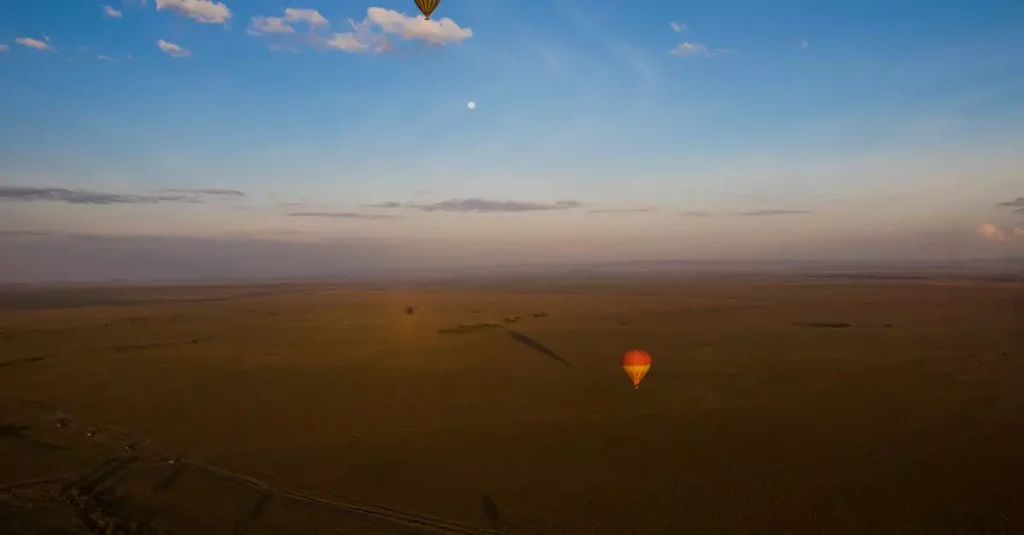
The Great Migration, a colossal movement of over a million wildebeest, zebras, and gazelles, is one of the planet’s most spectacular natural events. This phenomenon typically occurs between July and October, as herds traverse the Serengeti and Masai Mara ecosystems in search of fresh grazing. Witnessing dramatic river crossings, where predators often lie in wait, is a profound experience.
For optimal viewing, consider staying at lodges or tented camps within or bordering the Masai Mara National Reserve. Early morning and late afternoon game drives provide the highest chances of spotting herds and their accompanying predators like lions, cheetahs, and hyenas. Booking well in advance is crucial, especially during peak migration months.
| Month | Location Focus | Key Activity |
| :——– | :——————- | :——————- |
| July-Aug | Western Masai Mara | River crossings |
| Sept-Oct | Central/Eastern Mara | Grazing, predator action |
Track Gorillas in Rwanda’s Volcanoes National Park
Tracking mountain gorillas in Rwanda offers an intimate and moving wildlife encounter, a truly unique addition to any Africa bucket list. Volcanoes National Park, part of the Virunga Mountains, is home to several habituated gorilla families, allowing visitors to observe them at close range under strict conservation guidelines. The trek through the rainforest can be challenging, but the reward of seeing gorillas in their natural habitat is immense.
Permits are required for gorilla trekking and must be booked months in advance through the Rwanda Development Board. Each permit allows a maximum of eight people to spend one hour with a gorilla family. Porters are available to assist with carrying backpacks and providing support on the steep terrain. The best time for trekking is during the dry seasons, from June to September and December to February, when trails are less muddy.
Spot the Big Five in Tanzania’s Serengeti National Park
Tanzania’s Serengeti National Park is synonymous with classic African safaris and is a prime destination for spotting the iconic “Big Five”: lion, leopard, elephant, rhino, and buffalo. Its vast, open plains are ideal for game viewing, offering incredible visibility of wildlife year-round. The Serengeti is also a key part of the Great Migration route, making it a dynamic destination depending on the season.
Beyond the Big Five, the Serengeti hosts an astonishing array of animals, including cheetahs, giraffes, hippos, and countless bird species. Game drives are the primary way to explore the park, with options for hot air balloon safaris providing a breathtaking aerial perspective. Accommodation ranges from luxury lodges to rustic tented camps, catering to various budgets.
Encounter Desert Elephants in Namibia’s Kunene Region
Namibia’s Kunene Region offers a different kind of safari experience, focusing on elusive desert-adapted elephants. These magnificent creatures have evolved to survive in the harsh, arid conditions of the Namib Desert, often traveling long distances between water sources. Tracking them requires patience and often involves guided expeditions with knowledgeable local guides who understand their movements.
The rugged landscapes of Damaraland, with dramatic rock formations and stark beauty, provide a stunning backdrop for this adventure. Beyond elephants, visitors can seek out other desert-adapted wildlife such as giraffes, lions, and oryx. Visiting during the dry season (May to October) increases the chances of encountering elephants near remaining waterholes. This remote region demands careful planning, with sturdy 4×4 vehicles often necessary for travel.
Beyond the Safari: Unforgettable Cultural Immersions
While iconic wildlife encounters often dominate discussions of best Africa bucket list experiences, the continent’s rich tapestry of cultures offers equally profound journeys. Engaging with local traditions, history, and daily life provides a deeper understanding of Africa’s diverse soul. These experiences invite active participation and meaningful connection.
Explore the Ancient Medina of Marrakech, Morocco
Stepping into the medina of Marrakech is like stepping back in time. This UNESCO World Heritage site buzzes with an energy unlike any other, a labyrinth of narrow alleyways, vibrant souks, and hidden riads. Navigating the Djemaa el-Fna square at dusk, as storytellers, musicians, and food vendors converge, is a sensory explosion. Beyond the main square, delve into the intricate tilework of the Bahia Palace or find tranquility in the serene Majorelle Garden.
Practical Tips for Marrakech:
- Best Time to Visit: Spring (March-May) and Autumn (September-November) offer pleasant temperatures. Summers can be intensely hot.
- Getting Around: The medina is best explored on foot. For longer distances, petit taxis are readily available.
- Accommodation: Riads, traditional Moroccan houses with interior courtyards, provide an authentic stay within the medina walls.
- Budget: Marrakech caters to various budgets, from luxury hotels to affordable guesthouses. Bargaining is expected in the souks.
Visit the Rock-Hewn Churches of Lalibela, Ethiopia
Lalibela is a testament to human faith and architectural ingenuity. Eleven ancient monolithic churches, carved directly from the earth between the 12th and 13th centuries, stand as a UNESCO World Heritage site and a spiritual heartland for Ethiopian Orthodox Christians. The sheer scale and intricate detail of these rock-hewn structures, particularly the cross-shaped Church of Saint George, are astonishing. Visiting during a religious festival, like Timkat in January, offers a glimpse into vibrant, centuries-old traditions.
Logistics for Lalibela:
- Getting There: Lalibela has a small airport with flights from Addis Ababa. The road journey is scenic but long.
- Local Guides: Hiring a local guide is highly recommended to understand the history and significance of the churches and navigate the complex.
- Respectful Dress: Modest clothing covering shoulders and knees is required when visiting the churches.
- Best Time: The dry season (October to March) is generally preferred for easier travel.
Experience Maasai Village Life in Kenya
For an authentic encounter with one of Africa’s most iconic cultures, visiting a Maasai village offers unparalleled insight. These nomadic pastoralists maintain a traditional way of life, deeply connected to their land and livestock. Many communities welcome visitors, providing an opportunity to learn about their customs, social structures, and warrior traditions. Witnessing a jumping dance (adumu) and hearing stories passed down through generations offers a powerful cultural exchange.
Interacting with Maasai Communities:
- Choosing a Village: Opt for community-run initiatives that ensure a fair portion of your visit fee directly benefits the Maasai people. Some tour operators partner with specific villages.
- Respectful Engagement: Approach with humility and a willingness to learn. Always ask permission before taking photographs.
- Gifts: Small, practical gifts like school supplies for children or basic medical supplies are often appreciated, but inquire beforehand.
- Location: Maasai communities are found in various regions, often near national parks like the Maasai Mara, making it a feasible addition to a safari itinerary.
Discover the Vibrant Music Scene in Accra, Ghana
Accra pulsates with a dynamic music scene, blending traditional rhythms and contemporary sounds. From the infectious beats of Highlife and Afrobeat to the emerging genres of Ga-rap and Hiplife, the city’s soundtrack is as diverse as its people. Live music venues, from intimate bars to larger concert halls, showcase local talent nightly. Exploring the city’s music offers a window into Ghanaian youth culture, social commentary, and national pride.
Accra’s Music Hotspots:
- Local Bars & Clubs: Seek out venues in areas like Osu or Jamestown for authentic experiences.
- Festivals: Check local listings for music festivals that occur throughout the year.
- Art Centers: The National Theatre and Alliance Française often host musical performances.
- Transportation: Taxis and ride-sharing services are common for getting around Accra, though traffic can be significant.
Awe-Inspiring Landscapes You Must See in Africa
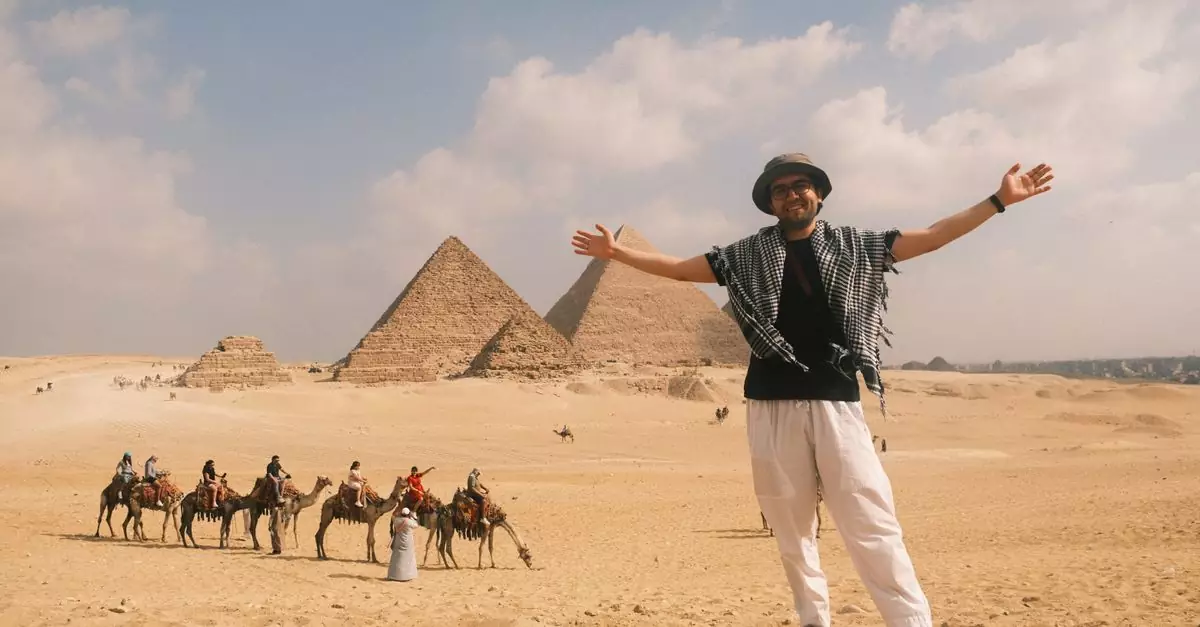
Africa’s diverse geography offers some of the planet’s most dramatic and unforgettable natural wonders. From towering peaks to vast deltas and thundering waterfalls, these landscapes promise breathtaking vistas and profound encounters with nature. Planning to experience the best Africa bucket list experiences means prioritizing these iconic natural sites.
Hike to the Summit of Mount Kilimanjaro, Tanzania
Mount Kilimanjaro, Africa’s highest peak, presents an unparalleled trekking challenge and an incredible reward. Standing at 5,895 meters (19,341 feet), this dormant volcano offers a journey through distinct ecological zones, from lush rainforests to alpine deserts and the stark, icy summit. Reaching Uhuru Peak, the highest point, is a profound accomplishment, offering panoramic views that stretch across the Tanzanian plains.
Several routes lead to the summit, each with varying difficulty and scenic beauty. The Marangu route is often considered the easiest, while the Machame route is popular for its stunning scenery and higher acclimatization success rates. It’s crucial to book with a reputable tour operator, as climbing Kilimanjaro requires guides, porters, and park fees. Proper acclimatization and physical preparation are essential for a successful ascent.
- Best Time to Climb: January-March and June-October (dry seasons)
- Duration: Typically 5-9 days
- Difficulty: Challenging, requires good physical fitness
Marvel at Victoria Falls: Zambia and Zimbabwe
Known locally as “Mosi-oa-Tunya” (The Smoke That Thunders), Victoria Falls is one of the world’s largest and most spectacular waterfalls. The Zambezi River plunges over a basalt cliff, creating a curtain of water nearly two kilometers wide and over 100 meters high, generating an immense spray visible from miles away. The sheer power and scale of the falls are awe-inspiring.
Visitors can experience the falls from both the Zambian and Zimbabwean sides, each offering unique perspectives. On the Zambian side, you can walk along the rainforest path opposite the falls, getting very close to the spray. The Zimbabwean side provides expansive, panoramic views of the entire cascade. For the adventurous, activities like bungee jumping, white-water rafting, and helicopter tours offer thrilling ways to appreciate the falls’ grandeur.
- Best Time to Visit: August-December (lower water levels allow for clearer views and more activities), but the falls are impressive year-round.
- Logistics: Accessible via Victoria Falls Airport (VFA) or Livingstone Airport (LVI).
Explore the Dramatic Drakensberg Mountains, South Africa
The Drakensberg Mountains, meaning “Dragon Mountains,” form the eastern portion of the Great Escarpment in South Africa. This UNESCO World Heritage site is renowned for its dramatic basalt peaks, sheer cliffs, and verdant valleys, offering exceptional hiking and breathtaking scenery. It’s a haven for nature lovers and outdoor enthusiasts seeking to escape into rugged wilderness.
The Amphitheatre, a massive, sheer cliff face, is a highlight, along with Tugela Falls, the world’s second-highest waterfall. Numerous hiking trails cater to all levels, from gentle walks to challenging multi-day treks. The region also boasts ancient San rock art, providing a glimpse into the area’s rich cultural history. Accommodation ranges from luxury lodges to rustic mountain huts, making it adaptable to various budgets.
- Activities: Hiking, rock climbing, bird watching, exploring San rock art.
- Best Season: Spring (September-November) and Autumn (March-May) offer pleasant temperatures and clear skies.
Float Through the Okavango Delta, Botswana
The Okavango Delta is a unique inland delta that fans out into the Kalahari Desert, creating a lush oasis teeming with wildlife. This vast wetland system is a labyrinth of channels, lagoons, and islands, supporting an incredible diversity of flora and fauna. It’s a prime destination for a truly immersive safari experience, often explored by traditional mokoro (dugout canoe).
Gliding silently through the waterways in a mokoro offers an intimate perspective of the delta’s ecosystem. You can spot elephants, hippos, crocodiles, and a rich array of birdlife. Guided walking safaris and game drives on the surrounding dry land provide further opportunities to encounter the delta’s inhabitants. The best time to visit is during the dry season (June to October), when water levels are high, concentrating wildlife.
| Aspect | Description |
| :———— | :———————————————— |
| Wildlife | Elephants, hippos, lions, leopards, diverse birds |
| Activities| Mokoro excursions, walking safaris, game drives |
| Best Time | June to October (high water season) |
| Access | Maun (MUB) or Kasane (BBK) airports, then light aircraft |
Experiencing these natural wonders is key to any comprehensive list of the best Africa bucket list experiences. Each location offers a distinct and powerful connection to the continent’s wild heart. For more information on African travel, the African Tourism Board is a valuable resource.
Planning Your African Adventure: Essential Traveler Questions Answered
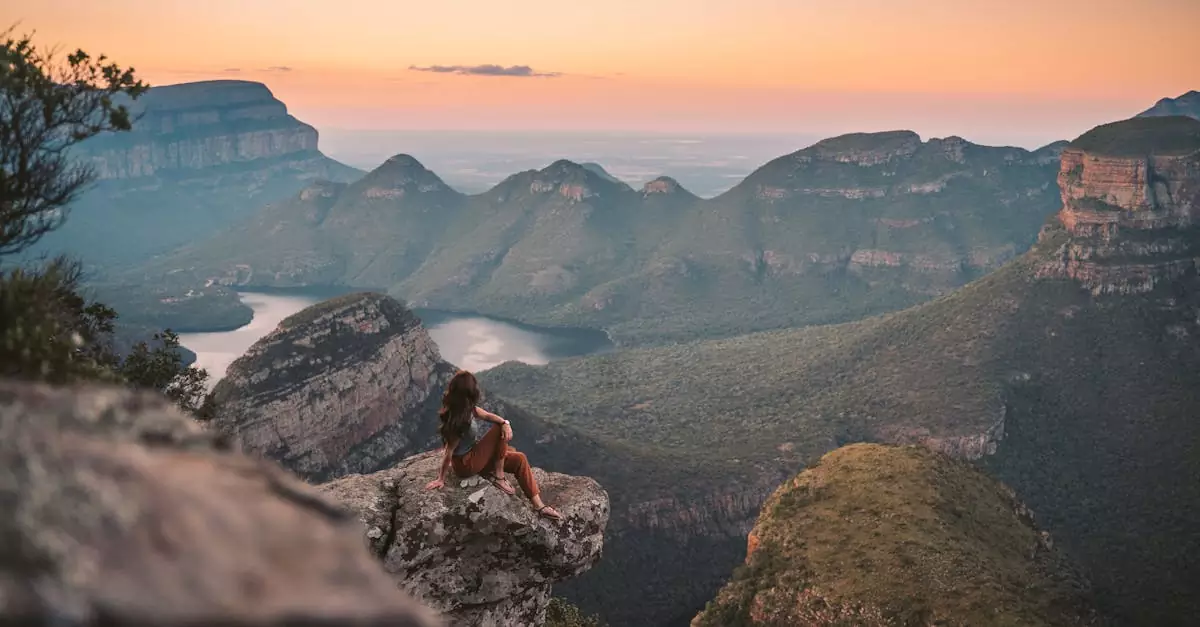
Embarking on a journey across Africa is an unparalleled experience, promising diverse landscapes and rich cultural encounters. To ensure your trip is as seamless as it is unforgettable, addressing key planning aspects is crucial. Understanding the best times for wildlife viewing, navigating local environments, budgeting realistically, and packing appropriately will set the foundation for your adventure.
What’s the Best Time to Visit for Wildlife Viewing?
The optimal time for wildlife viewing across much of Africa often aligns with the dry season, typically from June to October. During these months, vegetation thins out, and animals congregate around diminishing water sources, making them easier to spot. This period also sees fewer insects and lower humidity, enhancing the comfort of safaris.
However, the “best” time can vary by region and specific wildlife spectacles:
- Great Migration (Kenya/Tanzania): While herds are present year-round, the migration river crossings in the Mara River are most dramatic between July and October.
- Gorilla Trekking (Rwanda/Uganda): This activity is possible year-round, but the drier months (June-August and December-February) offer easier trekking conditions with less mud.
- Okavango Delta (Botswana): The Delta floods from June to September, transforming the landscape and concentrating wildlife, making it a prime viewing period.
Consider the shoulder seasons (e.g., May, November) for fewer crowds and potentially lower prices, though wildlife sightings might be slightly less predictable. Always consult local tour operators for the most up-to-date wildlife viewing conditions.
How to Safely Navigate African Cities and Roadways?
Safety in African cities and on roadways is a common concern for travelers, but with awareness and preparation, it’s manageable. In urban centers, stick to well-lit areas after dark, avoid displaying expensive items, and be mindful of your surroundings. Using reputable taxi services or ride-sharing apps recommended by your accommodation is advisable.
Road conditions can vary significantly. Major highways are often well-maintained, but rural roads can be unpaved, bumpy, and unpredictable. Driving yourself is an option in some countries, but hiring a local driver or joining organized tours offers a stress-free alternative, allowing you to focus on the scenery. Local drivers are accustomed to road conditions, traffic patterns, and potential hazards.
- City Navigation Tips:
- Use official taxis or trusted ride-sharing services.
- Avoid walking alone at night in unfamiliar areas.
- Keep valuables secure and out of sight.
- Be aware of your surroundings, especially in crowded markets.
- Roadway Travel:
- Consider hiring a driver for comfort and safety.
- If self-driving, rent a 4×4 vehicle for varied terrain.
- Carry a local SIM card for communication.
- Research road conditions before departure.
For reliable information on travel advisories and safety, refer to your country’s foreign travel advice websites.
What’s a Realistic Budget for a 2-Week African Trip?
A realistic budget for a two-week trip to Africa can range widely, from $2,500 to $7,000+ per person, excluding international flights. This broad spectrum depends heavily on your travel style, chosen destinations, accommodation preferences, and activity choices.
Budget Breakdown Considerations:
- Destinations: Countries like South Africa and Morocco tend to be more budget-friendly than Botswana or Seychelles.
- Accommodation: Camping or staying in guesthouses will be significantly cheaper than luxury lodges or boutique hotels.
- Activities: Safari costs, particularly in renowned locations like the Serengeti or Kruger National Park, form a substantial portion of the budget. Gorilla trekking permits are also a significant expense.
- Transportation: Internal flights can add up quickly, while overland travel or buses are more economical but time-consuming.
Here’s a general estimate for a mid-range traveler:
| Category | Estimated Cost (USD) per person for 2 weeks | Notes |
| :—————- | :—————————————— | :—————————————- |
| Accommodation | $800 – $1,500 | Mid-range hotels, comfortable lodges |
| Activities/Safaris| $1,500 – $3,000 | Game drives, park fees, guided tours |
| Food & Drink | $400 – $700 | Mix of local eateries and some restaurants|
| Local Transport | $300 – $600 | Transfers, internal buses/flights |
| Miscellaneous | $200 – $400 | Souvenirs, tips, visas |
| Total Estimate| $3,200 – $6,200 | Excludes international flights |
For budget-conscious travelers, focusing on self-drive safaris in national parks with camping facilities or exploring more accessible regions like East Africa can lower costs. Luxury travelers can expect budgets well over $7,000.
Essential Packing List for Diverse African Climates
Packing for Africa requires versatility, as you might encounter everything from scorching heat to surprisingly cool evenings, and from dusty plains to humid rainforests. Layering is key.
- Clothing:
- Lightweight, breathable fabrics (cotton, linen, moisture-wicking synthetics).
- Long-sleeved shirts and trousers for sun protection and insect defense.
- A warm fleece or jacket for early morning game drives or cooler evenings.
- Comfortable walking shoes or hiking boots.
- Sandals or flip-flops for relaxing.
- Swimsuit (for lodges with pools or coastal areas).
- A wide-brimmed hat for sun protection.
- Health & Safety:
- High SPF sunscreen.
- Insect repellent with DEET.
- Basic first-aid kit.
- Any personal medications.
- Hand sanitizer.
- Gear:
- Binoculars for wildlife viewing.
- Camera with extra batteries and memory cards.
- Travel adapter (most countries use Type D, G, or M outlets).
- Reusable water bottle.
- Headlamp or small flashlight.
Neutral colors like khaki, beige, and olive green are recommended for safaris, as bright colors can startle wildlife. Avoid camouflage patterns, as they are often associated with military personnel. Always check the specific climate and activity recommendations for your chosen destinations on the African Tourism Board website.
Hidden Gems & Unique Experiences Off the Beaten Path
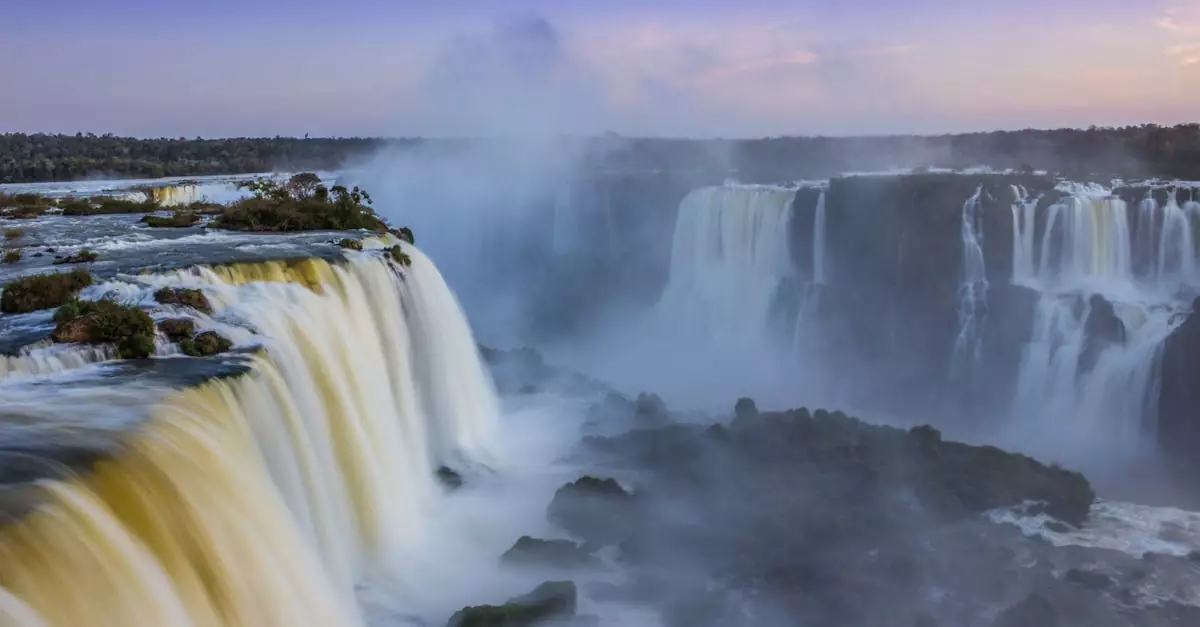
While iconic safaris and bustling cities often dominate discussions of Africa, the continent holds a wealth of lesser-known treasures. For travelers seeking the best Africa bucket list experiences that move beyond typical tourist trails, these destinations offer profound cultural immersion and breathtaking natural beauty. Venturing into these unique locales provides a deeper understanding of Africa’s diverse heritage and landscapes.
Discover the Spice Markets of Zanzibar’s Stone Town
Stepping into the labyrinthine alleys of Zanzibar’s Stone Town is like traveling back in time. The air is thick with the intoxicating aromas of cinnamon, cardamom, cloves, and vanilla emanating from vibrant spice markets. These markets are not just places to buy spices; they are sensory hubs where local life unfolds. Engage with vendors, learn about the history of the spice trade that shaped this island, and perhaps even sample some local delicacies.
Beyond the markets, Stone Town itself is a UNESCO World Heritage site, boasting intricate carved wooden doors, historic coral stone buildings, and a rich Swahili culture influenced by Arab, Indian, and European traders.
- Getting there: Fly into Abeid Amani Karume International Airport (ZNZ) on Zanzibar. Ferries also connect Zanzibar to Dar es Salaam on the mainland.
- Best time to visit: The dry seasons from June to October and December to February offer pleasant weather.
- Local tip: Hire a local guide for a walking tour to truly understand the history and hidden corners of Stone Town.
Trek the Simien Mountains National Park, Ethiopia
For intrepid hikers, the Simien Mountains National Park in Ethiopia presents an unparalleled trekking adventure. This dramatic landscape, often called the “Roof of Africa,” features jagged peaks, deep valleys, and sheer escarpments that plunge for thousands of feet. It’s a UNESCO World Heritage site renowned for its unique biodiversity, including the endemic gelada baboon, walia ibex, and Ethiopian wolf.
Multi-day treks are the best way to experience the park’s grandeur, offering opportunities to camp under star-filled skies and interact with local communities. The trails range from moderate to challenging, rewarding hikers with spectacular vistas at every turn.
- Logistics: Treks typically start from the town of Debark, where you can arrange guides and porters.
- Accommodation: Options range from basic campsites to lodges near the park entrance.
- Safety: Always trek with a local guide who knows the terrain and weather patterns.
Explore the Ancient Ruins of Great Zimbabwe
The colossal stone ruins of Great Zimbabwe, located near Masvingo, offer a glimpse into a powerful and sophisticated medieval civilization. This archaeological wonder, a UNESCO World Heritage site, features impressive dry-stone walls, towers, and enclosures built between the 11th and 15th centuries by the ancestors of the Shona people. The sheer scale and architectural ingenuity of the Great Enclosure and the Hill Complex are awe-inspiring.
Visiting Great Zimbabwe is a journey into the heart of Southern Africa’s pre-colonial history, providing a tangible connection to a lost empire. The surrounding landscape adds to the mystique, with granite hills and acacia trees dotting the horizon.
- Travel: Access is typically via road from Harare or Bulawayo.
- When to go: The dry season from May to October is ideal for comfortable exploration.
- Insight: Consider visiting the nearby Matobo National Park, known for its unique rock formations and rhino tracking.
Learn Traditional Crafts in a Senegalese Village
Immerse yourself in the vibrant culture of Senegal by spending time in a traditional village, particularly in regions like Casamance or near Toubab Dialaw. Many communities welcome visitors eager to learn about their way of life, offering hands-on workshops in crafts such as batik dyeing, pottery, or weaving. This experience goes beyond passive observation; it’s an active engagement with Senegalese artistry and heritage.
Participating in these workshops provides a unique souvenir and a deeper appreciation for the skill and dedication involved in traditional craftsmanship. Beyond crafts, you can experience local music, dance, and cuisine, fostering genuine connections with the people.
- Cultural immersion: Homestays are often available, offering an authentic living experience.
- Language: While French is the official language, Wolof is widely spoken. Learning a few basic phrases can greatly enhance your interactions.
- Respect: Always seek permission before taking photographs and be mindful of local customs and traditions.
Frequently Asked Questions About Africa Bucket List Adventures
Planning an adventure across Africa involves practical considerations. Here are answers to common questions travelers have about crafting their ultimate African journey for 2026.
What are the most common tourist scams in popular African destinations?
While most African destinations are safe for tourists, awareness of potential scams is crucial. Common tactics include inflated prices for goods and services, particularly in markets and tourist hubs. Be wary of unsolicited “guides” who may demand payment or lead you to overpriced shops. Some scams involve fake currency exchange, so always use official banks or reputable exchange bureaus. In some areas, individuals may approach you claiming to represent charities and asking for donations; verify their legitimacy before giving any money. Another tactic is the “overbooking” scam, where a pre-booked hotel or tour suddenly has no room, and you’re redirected to a more expensive alternative. Always confirm bookings directly with your accommodation or tour operator.
Are there specific visa requirements for popular African safari countries?
Visa requirements vary significantly by nationality and the specific country you plan to visit. Many nationalities can obtain visas on arrival for countries like Kenya and Tanzania, but it’s essential to check the latest regulations well in advance. For instance, South Africa offers visa-free entry for many visitors for short stays. Rwanda has made efforts to streamline visa processes, including e-visas. It’s always best to consult the official embassy or consulate website of each country you intend to visit for the most current and accurate visa information. Websites like the African Tourism Board can also offer general guidance on travel regulations.
What are the best family-friendly bucket list experiences in Africa?
Africa offers incredible experiences for families. The Masai Mara in Kenya or the Serengeti in Tanzania are world-renowned for their możliwości obserwacji dzikiej przyrody, providing unforgettable sights of the Great Migration and abundant wildlife. Many lodges cater specifically to families, offering child-friendly activities like nature walks, cultural visits to local villages, and educational programs about conservation. Another excellent option is a visit to Uganda or Rwanda for gorilla trekking, an awe-inspiring encounter that, with proper planning and age considerations, can be profoundly impactful for older children. For a different kind of adventure, consider the coastal regions of Zanzibar, offering beautiful beaches, snorkeling opportunities, and historical sites that appeal to various ages.
How can solo travelers best experience Africa safely?
Solo travel in Africa is increasingly popular and rewarding. Prioritizing safety begins with thorough research into your chosen destinations. Opt for reputable tour operators and well-reviewed accommodations that have a track record of safety and good service. Many companies offer small group tours, which can provide a sense of community and shared experience while still allowing for personal exploration. When moving between locations, utilize trusted transportation services, whether it’s reputable bus lines, internal flights, or pre-booked airport transfers. Avoid walking alone at night in unfamiliar areas and always inform someone of your itinerary. Learning a few basic phrases in the local language can also enhance interactions and safety. For those seeking adventure, consider guided treks or specialized wildlife tours where you’ll be with experienced guides.