
Have you been dreaming of a trip to Bali? You’re not alone! Bali is one of the most popular travel destinations in the world—and for very good reasons. This Indonesian paradise attracts millions of visitors annually, from backpackers seeking budget adventures to luxury travelers looking for world-class resorts. Whether you’re traveling solo, embarking on your first international trip, or exploring Southeast Asia as part of a broader journey, Bali has something magical for everyone.
In this ultimate Bali travel guide, I’ll walk you through everything you need to know to make your trip smooth, fun, and unforgettable. From budget-friendly accommodations to luxury experiences, cultural etiquette to hidden gems, this comprehensive guide covers all aspects of planning your perfect Bali adventure. By the end of this article, you’ll have all the insider knowledge needed to navigate this tropical paradise like a seasoned traveler.
Also checkout Top Attractions and Things to Do in Singapore This Year
Why Visit Bali? The Island of Gods Explained
Bali isn’t just beautiful—it’s incredibly diverse and offers experiences you simply can’t find anywhere else in the world. You’ll find lush jungles teeming with exotic wildlife, ancient temples dating back over 1,000 years, endless beaches with world-class surf breaks, and vibrant local culture that remains deeply rooted in Hindu traditions. Plus, it’s super affordable compared to many other tropical destinations, making it perfect for budget-conscious travelers and digital nomads.
Whether you’re seeking adventure through volcano hiking and white-water rafting, relaxation with traditional spa treatments and yoga retreats, or cultural immersion through cooking classes and temple visits, Bali has it all. The island’s unique blend of natural beauty, spiritual energy, and modern amenities creates an unparalleled travel experience. From the artistic heart of Ubud to the party scene in Seminyak, from the surf culture of Canggu to the luxury resorts of Nusa Dua, each region offers distinct personalities and attractions that cater to every type of traveler.
The Balinese people are renowned for their warmth and hospitality, following the philosophy of “Tri Hita Karana,” which emphasizes harmony between humans, nature, and the divine. This creates an atmosphere of peace and welcome that makes solo travelers feel safe and first-time visitors feel immediately at home.
When Is the Best Time to Visit Bali? Seasonal Guide and Weather Patterns
Before you pack your bags, let’s talk about timing, which can significantly impact your experience and budget. Bali has two main seasons, each offering distinct advantages:
Dry Season (April to October): This is considered the best time for beach days, hiking adventures, and outdoor activities. Sunny skies dominate with minimal rainfall, low humidity levels, and gentle breezes make it super comfortable for exploring. This period coincides with Bali’s peak tourist season, meaning higher prices for accommodations and flights, but also better weather guarantees and all attractions operating at full capacity. The dry season is perfect for volcano hikes, temple visits, and water sports, as you won’t have to worry about sudden downpours disrupting your plans.
Rainy Season (November to March): You’ll get fewer crowds and significantly lower prices—sometimes up to 50% off peak season rates—but expect daily rain showers, typically in late afternoon or evening. However, it’s not always a washout! Many days still feature morning sunshine perfect for sightseeing, with refreshing afternoon rains that cool down the tropical heat. This season is ideal for budget travelers, spa enthusiasts, and those seeking a more authentic local experience without tourist crowds.
Planning your trip around the dry season? Great idea for first-time visitors! But honestly, Bali is beautiful year-round, and each season offers unique charms. The shoulder months of April and October often provide the best balance of good weather and reasonable prices.

How to Get to Bali: Complete Transportation Guide
Most international travelers arrive at Ngurah Rai International Airport (also called Denpasar International Airport), located in the southern part of the island. It’s well-connected to major cities across Asia, Australia, and increasingly, Europe and the Middle East. The airport handles over 25 million passengers annually and offers modern facilities including duty-free shopping, restaurants, and comfortable waiting areas.
Once you land, don’t worry—getting to your accommodation is pretty straightforward, though first-time visitors should be aware of their options to avoid overcharging:
Book a Grab (local ride-hailing app): Much cheaper than airport taxis and provides transparent pricing. Download the app before arrival and ensure you have internet access. Rides to Ubud typically cost $8-12, while Seminyak and Canggu are usually $5-8.
Arrange airport pickup: Many hotels and guesthouses offer this service for free or a small extra fee ($10-20). This is often the most convenient option for first-time visitors, especially those arriving at night.
Hire a private driver: A wonderful option if you’re traveling with friends or planning to visit multiple areas on your first day. Private drivers can also serve as impromptu tour guides, sharing local insights and recommendations.
Public transportation: While budget-friendly, public buses can be crowded and time-consuming for first-time visitors with luggage.
Pro tip: Avoid the official airport taxis unless you enjoy paying premium prices for standard service. Always negotiate taxi fares before getting in, or stick with app-based services for transparency.

Where to Stay in Bali: Comprehensive Area Guide
Choosing where to stay can be overwhelming—but it really depends on what you want from your trip and your travel style. Here’s a detailed breakdown of Bali’s most popular areas:
Ubud: Ideal for nature lovers, yoga enthusiasts, spiritual seekers, and those interested in traditional Balinese culture. Think terraced rice paddies, ancient temples, art galleries, and wellness retreats! Ubud offers everything from budget homestays ($15-30/night) to luxury jungle resorts ($200+/night). The area is perfect for solo travelers seeking personal growth, couples looking for romantic retreats, and anyone interested in Balinese arts and crafts. Don’t miss the Ubud Monkey Forest, traditional markets, and countless yoga studios.
Seminyak: Perfect for fashion-forward travelers, shopping enthusiasts, fine dining lovers, and those who enjoy trendy cafés and upscale beach clubs. Great if you enjoy a lively, cosmopolitan vibe with designer boutiques, rooftop bars, and sophisticated nightlife. Expect higher prices but world-class amenities and services.
Canggu: A hipster paradise and digital nomad hub with world-class surf beaches, numerous coworking spaces, trendy cafés serving Instagram-worthy smoothie bowls, and a young, international crowd. The area perfectly balances laid-back beach vibes with modern amenities, making it ideal for remote workers and adventure seekers.
Uluwatu: Dream destination for experienced surfers, sunset enthusiasts, and those seeking dramatic clifftop scenery. Home to some of Bali’s most exclusive resorts and the famous Uluwatu Temple perched on towering cliffs. Perfect for romantic getaways and those prioritizing natural beauty over nightlife.
Nusa Dua: Best for luxury seekers wanting a resort-style vacation with top-notch amenities, calm beaches perfect for families, championship golf courses, and high-end shopping. This area offers a more sanitized, resort-focused experience with less local culture but maximum comfort and convenience.
Sanur: Often overlooked but perfect for families, older travelers, and those seeking a quieter, more traditional Balinese experience. Features calm beaches, reasonable prices, and easy access to nearby islands.
On my first visit, I stayed in Ubud, and waking up to the sounds of roosters crowing, birds singing, and distant waterfalls was simply magical. The morning mist over the rice terraces created an almost mystical atmosphere that perfectly embodied Bali’s spiritual energy.
How to Get Around Bali: Transportation Options and Traffic Tips
Bali isn’t huge—only about 90 miles long and 50 miles wide—but getting from one town to another takes time thanks to narrow, winding roads and increasingly busy traffic, especially during peak tourist seasons. Understanding your transportation options is crucial for maximizing your time and budget:
Scooter rental: Extremely cheap ($3-5/day) and gives you total freedom to explore hidden beaches, remote temples, and local warungs (small restaurants). But only rent a scooter if you have experience riding motorcycles! Bali’s traffic can be chaotic, roads are often narrow with no shoulders, and local driving customs may be unfamiliar. Always wear a helmet, carry an international driving permit, and consider comprehensive insurance.
Private driver: Ideal for day trips, sightseeing tours, and longer distances. Prices are very affordable ($25-40/day), especially when traveling in groups, and drivers often serve as informal tour guides sharing local knowledge, recommendations, and cultural insights. Many drivers speak decent English and can customize itineraries based on your interests.
GoJek or Grab: Budget-friendly options for short trips within towns and cities. Both apps offer motorcycle taxis (ojek) and cars, with transparent pricing and GPS tracking for safety. Perfect for quick trips to restaurants, beaches, or markets.
Tourist buses: Companies like Perama Tour offer scheduled services between major tourist areas. While slower than private transport, they’re budget-friendly and meet other travelers.
Rental cars: Suitable for experienced drivers comfortable with right-hand traffic, aggressive driving styles, and complex navigation. Not recommended for first-time visitors or those unfamiliar with Southeast Asian driving conditions.
Tip: Traffic in Bali can get absolutely crazy, especially in Denpasar, Seminyak, and during Hindu religious ceremonies when entire villages participate in colorful processions! Always plan extra time for getting around, particularly during sunset hours when everyone heads to beach clubs and temples. Consider scheduling important activities for early morning when roads are clearest.
What to Eat in Bali: Culinary Adventures and Food Safety
Food in Bali is out-of-this-world delicious, offering incredible diversity from traditional Balinese specialties to international fusion cuisine. You’ll find everything from authentic warungs serving $1 meals to world-class restaurants helmed by celebrity chefs. The island’s culinary scene perfectly reflects its cultural diversity, blending Indonesian, Chinese, Indian, and international influences. Don’t leave without trying these essential dishes:
Nasi Goreng: Indonesia’s national dish—flavorful fried rice often topped with a perfectly fried sunny-side-up egg, served with kerupuk (crackers) and fresh vegetables. Every warung has their own secret recipe, making it fun to compare versions across the island.
Babi Guling: Bali’s most famous specialty—succulent roast pork prepared with traditional spices including turmeric, coriander, and lemongrass. The meat is seriously tender and juicy, often served with rice, vegetables, and spicy sambal sauce. Note that this dish isn’t available everywhere due to religious considerations.
Satay: Skewered, grilled meat (chicken, beef, or lamb) served with rich, creamy peanut sauce. A perfect street food snack available at markets, beaches, and roadside stalls throughout the island.
Lawar: A traditional Balinese salad featuring a flavorful mix of fresh vegetables, grated coconut, rich spices, and minced meat or seafood. This dish showcases the complexity of Balinese cuisine and varies significantly between regions.
Gado-Gado: A healthy Indonesian salad with boiled vegetables, tofu, tempeh, and hard-boiled eggs, all topped with creamy peanut sauce.
Food safety tips: Stick to busy warungs with high turnover, ensure meat is thoroughly cooked, drink bottled water, and gradually introduce spicy foods to avoid stomach upset. Many travelers experience minor digestive adjustments during their first few days—this is completely normal!
One of my personal favorites? Balinese banana pancakes for breakfast—sweet, fluffy, and soul-satisfying, often served with palm sugar syrup and fresh fruit that perfectly fuel a day of exploration!
Must-See Places in Bali: Top Attractions and Hidden Gems
Feeling overwhelmed by all the amazing sights Bali offers? Start with these essential must-visits that showcase the island’s incredible diversity:
Tegallalang Rice Terraces: These iconic, postcard-worthy terraced rice fields represent traditional Balinese agriculture dating back over 1,000 years. Visit early morning for the best lighting and fewer crowds. Many terraces offer swing experiences and photo opportunities, though these come with fees.
Uluwatu Temple (Pura Luhur Uluwatu): Dramatically perched on towering limestone cliffs 250 feet above the Indian Ocean, this 11th-century temple is best experienced at sunset. The daily Kecak fire dance performances here are mesmerizing, featuring dozens of chanting men and dramatic fire displays. Watch out for the mischievous monkeys who are known to snatch sunglasses and phones!
Mount Batur: This active volcano offers one of Bali’s most rewarding experiences—a challenging sunrise hike that’s tough but 100% worth the early 2 AM start. The panoramic views from the summit showcase Bali’s entire landscape, from mountains to coastline, while hot springs at the base provide perfect post-hike relaxation.
Sacred Monkey Forest Sanctuary in Ubud: Home to over 700 long-tailed macaques, this nature reserve combines playful wildlife encounters with serene temple exploration. The ancient temples within the forest create mystical atmospheres perfect for photography and meditation.
Nusa Penida: This rugged island getaway, accessible by a 45-minute boat ride, features jaw-dropping beaches like Kelingking Beach (famous for its T-Rex shaped cliff formation), Angel’s Billabong natural pools, and Broken Beach’s dramatic archway. Plan a full day trip or overnight stay to fully appreciate this untamed paradise.
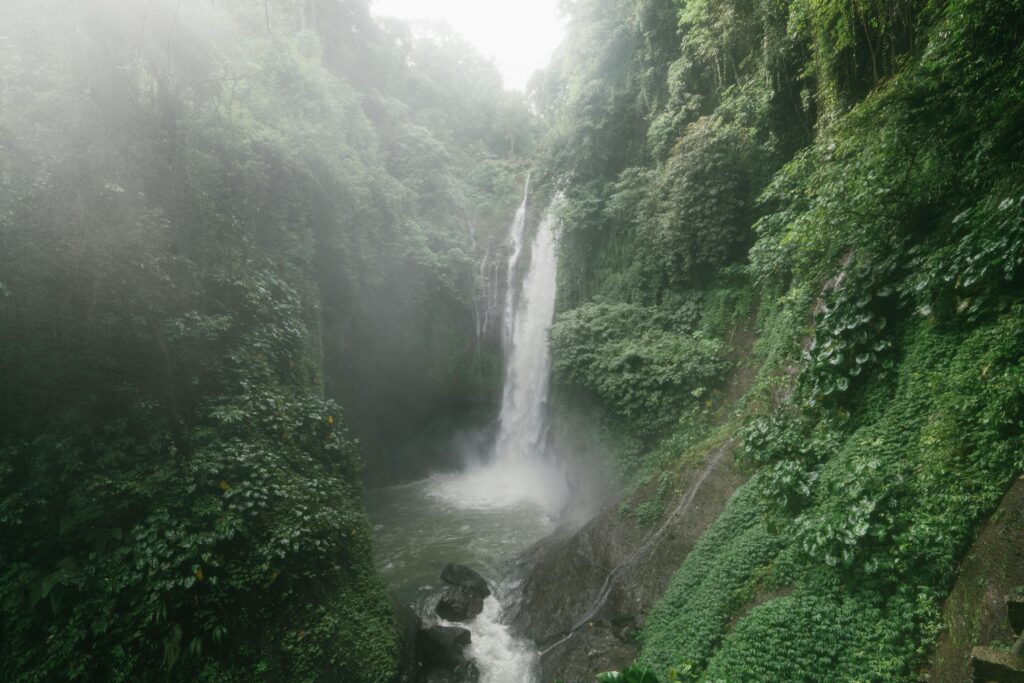
Sekumpul Waterfalls: Often considered Bali’s most beautiful waterfalls, this collection of seven falls requires a moderate trek through jungle terrain but rewards visitors with spectacular swimming opportunities and incredible photo spots.
Tanah Lot Temple: This iconic sea temple sits on a rocky outcrop surrounded by ocean waves during high tide, creating one of Bali’s most photographed sunset spots.
Each place offers something different and showcases unique aspects of Bali’s natural beauty and cultural heritage. If you love photography, Bali will keep your camera busy with endless opportunities for stunning shots!
Essential Tips for Solo and First-Time Travelers: Safety, Culture, and Practical Advice
If you’re traveling solo or visiting Bali for the first time, these golden tips will help ensure a smooth, safe, and culturally respectful experience:
Stay connected: Get a local SIM card or eSIM package at the airport or convenience stores in town. Telkomsel and XL Axiata offer excellent coverage across the island, with data packages starting around $5 for substantial data allowances. Reliable internet access is crucial for navigation, translation apps, and staying in touch with family.
Respect the culture: Bali is predominantly Hindu, and religious customs are deeply integrated into daily life. Wear a sarong when visiting temples (often provided at entrances), dress modestly covering shoulders and knees, remove shoes before entering sacred spaces, and always show respect to locals participating in religious ceremonies. During Nyepi (Day of Silence), the entire island shuts down for 24 hours—plan accordingly if traveling during this period.
Stay safe and aware: Trust your instincts and maintain situational awareness. Bali is generally very safe for tourists, with low crime rates and friendly locals, but always keep an eye on your belongings, especially at beaches, markets, and crowded temples. Avoid displaying expensive jewelry or electronics, use hotel safes for passports and extra cash, and be cautious when drinking alcohol, particularly if you’re a solo female traveler.
Learn basic Bahasa Indonesia: Even simple phrases like “Terima Kasih” (thank you), “Selamat pagi” (good morning), and “Berapa harga?” (how much?) go a long way in showing respect and often result in friendlier interactions and better prices. Many Balinese speak English, but effort to communicate in their language is always appreciated.
Travel insurance is non-negotiable: Don’t skip comprehensive travel insurance—you’ll thank yourself if you need it for medical emergencies, scooter accidents, or trip cancellations. Ensure your policy covers motorcycle accidents if you plan to ride scooters, and check if pre-existing medical conditions are covered.
Money matters: While credit cards are accepted at hotels and upscale restaurants, cash remains king for local experiences, transportation, and smaller establishments. ATMs are widely available, but notify your bank of travel plans to avoid card blocks. The Indonesian Rupiah can seem confusing with large numbers—$1 USD equals approximately 15,000 IDR.
Health preparations: Consult a travel medicine specialist 4-6 weeks before departure for recommended vaccinations. Bring insect repellent for dengue prevention, sunscreen with high SPF for intense tropical sun, and basic medications for common traveler ailments. Tap water isn’t safe to drink, but bottled water is inexpensive and widely available.
Cultural Experiences and Activities: Beyond the Typical Tourist Trail
Bali offers countless opportunities for meaningful cultural immersion that go far beyond typical tourist activities:
Traditional cooking classes: Learn to prepare authentic Balinese dishes using fresh ingredients from local markets. Many classes include market tours, spice garden visits, and family-style dining experiences that provide insights into daily Balinese life.
Artisan workshops: Try your hand at traditional crafts like silver jewelry making in Celuk village, wood carving in Mas village, or batik painting in Ubud. These hands-on experiences support local artisans while creating unique souvenirs.
Temple ceremonies: If you’re fortunate to witness a local ceremony, observe respectfully from designated areas. These colorful celebrations featuring elaborate offerings, traditional music, and ceremonial dress provide incredible insights into Balinese Hindu culture.
Yoga and wellness retreats: Bali has become a global yoga destination, with studios and retreats catering to all levels. From budget community classes to luxury retreat centers, there are options for every preference and budget.
Budget Planning: Making Your Money Go Further
Bali can accommodate virtually any budget, from backpacker-friendly $20/day to luxury experiences exceeding $500/day:
Budget travelers ($20-40/day): Stay in hostels or guesthouses, eat at local warungs, use public transportation or rent scooters, and focus on free attractions like beaches, temples, and hiking trails.
Mid-range travelers ($50-100/day): Enjoy comfortable hotels with pools, mix of local and international dining, private transportation for day trips, and paid attractions like spa treatments and cultural performances.
Luxury travelers ($150+/day): Experience world-class resorts, fine dining restaurants, private tours with professional guides, spa treatments, and exclusive experiences like private yacht charters or helicopter tours.
Final Thoughts: Bali Awaits Your Discovery!
Bali is much more than a beach holiday—it’s a feast for your senses, a spiritual recharge, an adventure destination, and a cultural immersion all rolled into one incredible experience. Whether you’re taking your first solo trip to build confidence, escaping the daily hustle for mental rejuvenation, or simply seeking a tropical paradise that offers both relaxation and adventure, Bali won’t disappoint.
The island’s unique ability to cater to every type of traveler—from budget backpackers to luxury seekers, spiritual pilgrims to adrenaline junkies—makes it an ideal destination for first-time visitors to Southeast Asia. The combination of affordable prices, stunning natural beauty, rich culture, and modern amenities creates travel experiences that often exceed expectations.
So, are you ready to sip fresh coconut water while watching perfect sunsets over the Indian Ocean, hike an active volcano at sunrise for unforgettable panoramic views, lose yourself among emerald-green rice paddies that seem to stretch to infinity, and immerse yourself in a culture that celebrates harmony between humans and nature? Bali is calling with its warm tropical breezes and endless possibilities—and trust me, once you experience this magical island, you’ll start planning your return visit before you even leave.
Remember to travel responsibly, respect local customs and environment, support local businesses, and embrace the unexpected adventures that make Bali truly special. Safe travels and Selamat Jalan (“Have a good journey”)!