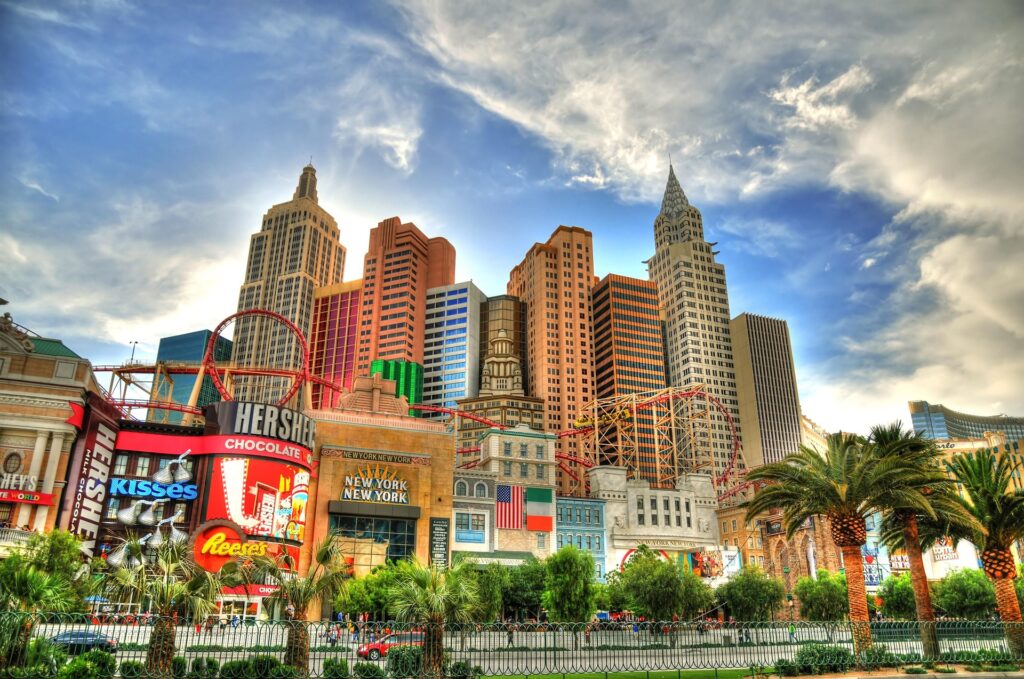
Deciding the best time to visit Las Vegas depends on what you want from the trip: warm pool days, packed nightlife, festival energy, or lower travel costs. This guide explains seasonal weather patterns, crowds, and costs so you can pick dates that match your priorities and make the most of your stay in Las Vegas.
Las Vegas sits in the Mojave Desert and offers extreme seasonal contrasts that shape outdoor activities, entertainment schedules, and hotel prices. For historical context and a quick city overview, consult the Las Vegas, which summarizes population, development, and major attractions relevant to planning a visit.
When to go: quick summary by traveler goal
If you want warm weather and 24/7 energy, late spring through early fall delivers long days and active nightlife. If lower prices, fewer crowds, and mild daytime temperatures are your priority, late fall and winter (excluding holiday periods) are best. For pool parties and rooftop bars, the late spring and early summer season is peak; for hiking nearby national parks, spring and fall offer comfortable conditions.
Consider these general recommendations:
- Best for nightlife and parties: April–June and September.
- Best for budget travelers and quieter experiences: November–February (avoid Thanksgiving and New Year’s Eve).
- Best for outdoor recreation (Grand Canyon, Red Rock): March–May and October–November.
Spring and fall: the sweet spot for most visitors
Spring (March–May) and fall (September–November) are widely considered the best windows for many travelers because daytime temperatures are comfortable and evenings are pleasant. Pool season begins in late spring and many of the city’s big shows and conventions schedule events around these months, so you’ll still find lively entertainment without the full blast of summer heat.
During these shoulder seasons you’ll see a mix of families, convention attendees, and leisure travelers. Hotel rates tend to be higher on weekends and during major conventions, so midweek stays usually offer better value. Booking 4–6 weeks in advance for popular weekends helps secure rooms at reasonable rates.
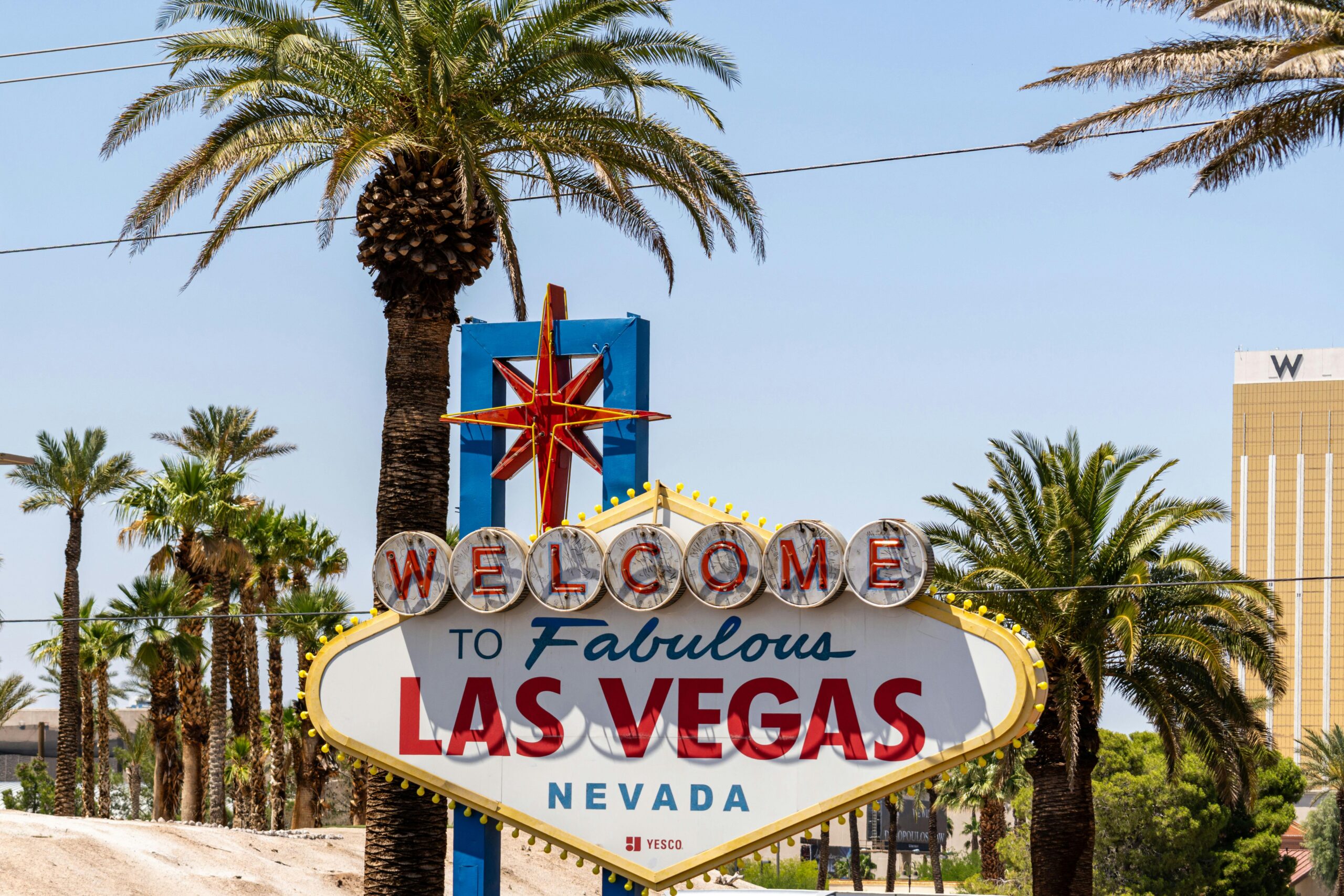
Summer: hottest weather, biggest crowds, and high costs
Summer in Las Vegas (June–August) brings very high daytime temperatures frequently topping 100°F (38°C). If your itinerary centers on indoor casinos, shows, dining, and nightlife, summer still works—Las Vegas is designed for indoor comfort with air-conditioned venues. However, outdoor daytime activities like hiking or walking the Strip can be uncomfortable during peak heat.
Hotel demand and entertainment schedules often peak in summer, particularly around July 4th and the weeks when major pool parties and music residencies are active. For reliable local forecasts and temperature averages to plan around heat-sensitive activities, check a trusted weather resource such as detailed local forecasts.

Winter: cool evenings, lower prices, and major holidays
Winter (December–February) brings cooler days and chilly nights to Las Vegas. Daytime highs often sit in the 50s–60s°F (10–20°C), and nights can dip close to freezing. If you want lower travel costs and aren’t tied to poolside sun, winter can be an economical time to visit, with fewer crowds midweek.
Be mindful of holiday peak periods: Thanksgiving week, the days around New Year’s Eve, and some convention dates can push prices and crowds up sharply. Winter is also a great chance to combine a Las Vegas stay with nearby winter activities, such as higher-elevation hikes or a day trip to cooler desert scenery when accessible.
Las Vegas travel cost: how season affects your budget
Las Vegas travel cost varies widely by season and by whether you choose weekday or weekend travel. Room rates are typically lowest midweek and highest on Friday–Saturday nights and for special event dates. Shoulder seasons (spring and fall) often offer the best balance of price and pleasant weather.
- Accommodation: Expect lower average nightly rates in winter (excluding major holidays) and higher rates during spring conventions and summer weekends.
- Flights: Airfares mirror hotel demand—book early for spring events and summer weekends; last-minute deals sometimes appear midweek in low-demand months.
- Activities: Many shows and restaurants offer weekday discounts, and attraction lines are shorter in off-peak months.
Budget travelers can save by staying off-Strip, choosing midweek dates, and booking package deals that combine flights and hotels. If you plan to attend a large music festival or sporting event, factor in higher local prices and limited availability well in advance.
Practical planning: packing, getting around, and events calendar
Packing for Las Vegas should reflect the season and your planned activities. Lightweight clothing, sun protection, and comfortable walking shoes are essential for spring and summer. For winter evenings and cool desert nights, bring a light jacket or layers.
- Pool season essentials: swimsuit, sunscreen, hydrating lotion, and a hat.
- Nightlife and shows: smart casual to formal attire depending on venue; check dress codes in advance.
- Hiking or outdoor day trips: closed-toe shoes, plenty of water, and early start times to avoid mid-day heat.
Getting around Las Vegas is straightforward. The Strip is walkable for short distances, and taxis, ride-shares, and a regular bus service provide reliable alternatives. Renting a car is useful for day trips beyond the city, while many central hotels offer shuttle options to airports and nearby attractions.
FAQs
What month has the best weather in Las Vegas?
For comfortable daytime temperatures and pleasant evenings, April, May, September, and October are often cited as the best months. These months avoid the extreme heat of summer and the chillier winter nights while still providing long daylight hours.
When are hotel rates lowest in Las Vegas?
Hotel rates are usually lowest midweek (Monday–Thursday) and during low-demand periods such as winter months outside holiday weeks. Avoid booking during major conventions, big sporting events, or holiday weekends to secure the best nightly rates.
Is Las Vegas crowded year-round?
Las Vegas draws visitors year-round, but crowd density shifts with season and events. Peak crowd periods include summer weekends, spring break, major conventions, and holidays like New Year’s Eve. Visiting during shoulder seasons or midweek reduces crowds significantly.
Can I enjoy outdoor activities in summer?
Yes, but plan carefully. Early morning and late-afternoon outings are best to avoid extreme heat. If you intend to hike or explore nearby natural areas in summer, bring plenty of water, sun protection, and avoid strenuous activity during the hottest hours.
How far in advance should I book shows and restaurants?
Popular shows, headliner residencies, and high-end restaurants can sell out, especially during peak seasons and weekends. Booking several weeks to a few months in advance is recommended for must-see performances and sought-after dining reservations.
Conclusion
Choosing the best time to visit Las Vegas comes down to priorities: whether you want sun and pool parties, quieter hotel rates, or mild weather for outdoor excursions. Spring and fall offer the best balance for most travelers, while summer delivers nonstop energy and winter brings budget-friendly midweek opportunities. Use event calendars, basic weather forecasts, and hotel rate checks to fine-tune your dates, and you’ll have a trip that matches your expectations—whether that means headline shows, desert hikes, or relaxed days on a resort pool deck.