Deciding the best time to visit Vancouver depends on what you want to do: outdoor adventures, festivals, or quieter city exploration. Vancouver’s temperate coastal climate makes it a year-round destination, but the months you pick affect crowds, costs, and what’s possible outdoors.
This guide compiles official tourism trends and climate data from recognized sources to help you choose the ideal season for your trip, understand Vancouver weather patterns, plan a realistic budget for Vancouver travel cost, and avoid peak tourist season surprises.
Quick overview: Vancouver by season
Vancouver sits on the west coast of Canada, framed by the Pacific Ocean and coastal mountains. Its geography produces milder winters and cooler summers compared with much of Canada, which is why many visitors enjoy year-round access to urban and nature activities. For a concise background on the city and its layout, see this overview of Vancouver on Wikipedia.
Each season brings different advantages: long, sunny days for hiking and beaches in summer; colourful foliage in fall; shoulder-season deals in spring; and skiing or snow sports within an hour during winter. Below is a practical breakdown to match your priorities to the calendar.
Spring (March–May): mild, blooming, good value
Spring is one of the best times to visit Vancouver if you want milder weather and smaller crowds than summer. Temperatures generally rise from single digits in March to comfortable teens (°C) by May, with steadily decreasing rainfall as the season progresses. Blossoms, especially cherry trees in neighbourhoods like Kitsilano and at VanDusen Botanical Garden, create vivid displays.
Spring is part of Vancouver’s shoulder season, so Vancouver travel cost for flights and hotels is often lower than summer. Daytime temperatures are pleasant for city sightseeing, Stanley Park biking, and early hikes on lower-elevation trails. However, higher mountain trails can still be snowy—check conditions before heading up.
Summer (June–August): warmest, liveliest, peak tourist season
Summer is Vancouver’s peak tourist season, with the warmest and sunniest weather of the year. Average daytime temperatures commonly range from the high teens to low twenties Celsius, with occasional hotter spells. These conditions are ideal for beaches, kayaking, biking the seawall, and day trips to nearby islands and mountains.
Crowds and prices rise in June through August. If you prefer lively streets, open-air events, and festivals, this is the optimum time. If you want to save money or avoid large crowds, consider late spring or early fall. For detailed daily and monthly climate averages, consult a trusted weather authority such as The Weather Channel.
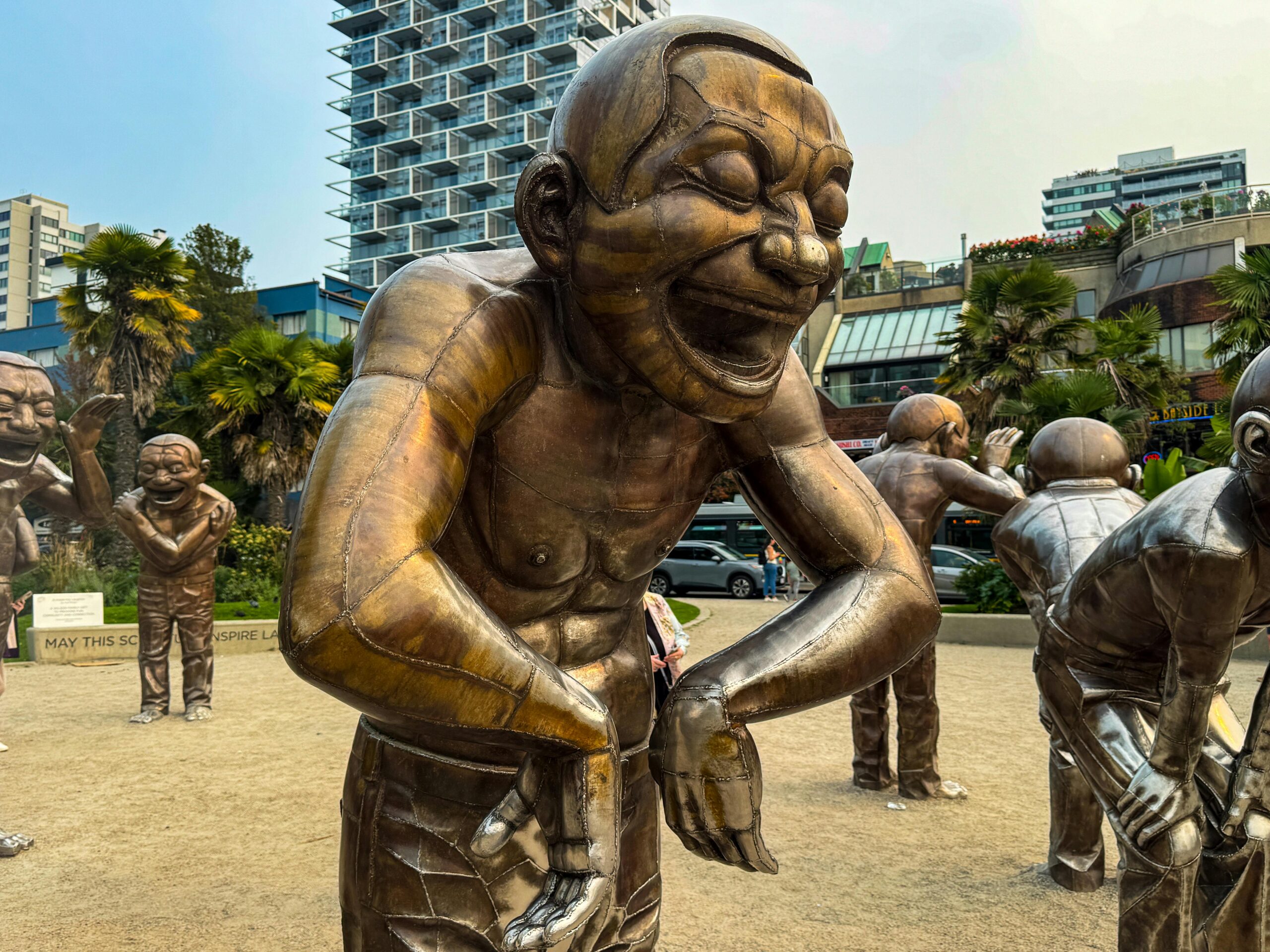
Autumn (September–November): crisp air and smaller crowds
Autumn is a favorite for many visitors who want comfortable temperatures, fewer tourists, and beautiful fall foliage. September often retains some summer-like days, while October and November bring cooler temperatures and increasing rainfall. The mountains begin to get snow at higher elevations, making autumn a good transition period for combined city-and-ski trips later in the season.
Because September still has pleasant weather and fewer crowds than July and August, it often represents the best balance between accessibility and affordability. Popular events and harvest-season markets continue into the early fall, and the city’s restaurants and coffee shops are lively without summer queues.
Winter (December–February): festivals, snow sports nearby, and low-season bargains
Winter in Vancouver is relatively mild compared with much of Canada. Downtown Vancouver sees temperatures close to freezing, frequent drizzle, and occasional snow. The real winter advantage is easy access to world-class ski areas—Grouse Mountain, Cypress, and Mount Seymour—just a short drive from the city. For full alpine conditions, head slightly higher into Whistler or the coastal ranges.
Winter is often the least expensive time to travel to the city outside of holiday spikes. If open-air attractions and heavy rainfall are not a concern, winter offers lower Vancouver travel cost for hotels and off-season deals. It’s also a good season for museum visits, food-focused itineraries, and holiday markets.
How Vancouver tourist season affects prices and crowds
Understanding when Vancouver’s tourist season peaks helps you plan both budget and itinerary. The highest demand is concentrated in July and August—expect hotel rates and attraction wait times to be at their peak. Shoulder months (May–June and September–October) offer a compromise of good weather and lower cost.
Budget tips:
- Book flights and accommodation 2–3 months ahead for summer travel; 4–6 weeks often suffices for spring or fall.
- Consider neighbourhoods slightly outside downtown for lower nightly rates—Kitsilano, Commercial Drive, and parts of Burnaby provide value and transit access.
- Use transit day passes and city attraction passes if you plan multiple paid entries; they can reduce overall Vancouver travel cost.
Practical planning: what to pack and how to move around
Packing for Vancouver depends on the season and planned activities. Summers call for layers, sun protection, and light rain gear for occasional coastal breezes. Spring and autumn require waterproof shoes and a mid-weight jacket. For winter, include a warm, waterproof coat and boots if you plan to walk the city; bring specialized gear if you’ll be skiing.
Getting around is straightforward: TransLink runs buses, SkyTrain, and SeaBus services that connect downtown to suburbs and the North Shore. Driving is useful for mountain day trips but unnecessary within the city core. Bike rentals and ride-hailing services are widely available. Plan travel times to avoid rush-hour congestion if you have appointments or tours.
FAQs
When is the best time to go for outdoor activities like hiking and biking?
Late May through September is typically best for hiking, biking, and water sports, when trails are mostly snow-free and rainfall is lower. For higher-elevation hiking or alpine lakes, August and September offer the most stable trail conditions.
Does it rain a lot in Vancouver, and when is the rainy season?
Vancouver has a maritime climate with the wettest months from November through March. Rain tends to be persistent but light in winter; heavy downpours are less common than prolonged drizzle and overcast days. Pack a waterproof jacket if you visit in these months.
How much should I budget for a mid-range trip to Vancouver?
Budget depends on season and travel style. For mid-range travelers, expect nightly hotel rates to vary widely—from lower rates in winter ($100–$160 CAD) to higher summer rates ($180–$300+ CAD). Allocate funds for transit, meals, attractions, and a couple of day trips; a typical mid-range daily budget might be $150–$250 CAD per person excluding flights.
When is Vancouver least crowded if I want quieter sightseeing?
Late fall (November) and early spring (March) are generally the least crowded periods for sightseeing, excluding holiday weekends. These shoulder and off-season months provide quieter museums, easier restaurant reservations, and often better rates on accommodation.
Can you combine Vancouver city visits with skiing in the same trip?
Yes. Coastal ski areas like Grouse Mountain and Cypress are close to downtown and offer day-trip options even within a single-day itinerary. For larger ski resorts and more reliable snow, combine Vancouver with a Whistler stay—about two hours by car or shuttle from the city.
Conclusion
Choosing the best time to visit Vancouver comes down to trade-offs between weather, crowds, and cost. Summer delivers the warmest weather and the most events but also the highest prices and busiest attractions. Spring and fall offer milder weather with fewer tourists and better value, while winter appeals to bargain hunters and those combining city time with nearby skiing. Use the seasonal breakdown and practical tips above to match your priorities—whether that’s hiking, festivals, food, or peaceful city walks—and you’ll be set for a rewarding trip.