Deciding the best time to visit London depends on what you want from the trip: bright summer days for sightseeing, crisp winter markets, shoulder-season savings, or festivals and theatre in spring or autumn. This guide outlines seasonal patterns, crowd expectations and likely costs so you can choose the period that matches your priorities.
Information here is based on official tourism data and seasonal travel trends, and draws on long-term climate averages to explain London weather and how it affects travel plans throughout the year.
When is the best time to visit London?
There is no single “best” month that suits everyone. For warm weather and long daylight hours, June through August are most popular. For smaller crowds and lower prices with generally mild conditions, late March to May and September to early November are excellent choices. If you want to experience winter festivities, December offers markets and lights but expect shorter days and the possibility of rain or sleet.
Use your travel priorities to decide: if outdoor sightseeing and parks are top of the list, aim for late spring or summer; if museums, theatre and lower travel cost matter more, choose shoulder seasons. Official visitor statistics show attendance spikes in July and August, so booking ahead is crucial for those months.
Seasonal weather and what to expect
London’s climate is temperate maritime: winters are cool without extreme cold, and summers are warm but rarely very hot. Average January daytime highs are around 6–8°C (43–46°F), while July and August typically see highs of 22–24°C (72–75°F). Rain is fairly evenly distributed across the year, though late autumn and winter often feel damper because of shorter daylight.
For day-by-day planning consult reliable forecast services for up-to-date conditions and longer-term climate trends. You can check detailed forecasts and travel-ready weather summaries on Weather.com before you pack.
Practical packing tips by season:
- Spring (Mar–May): Layers, a light waterproof jacket, and a mix of cool and mild-day clothes.
- Summer (Jun–Aug): Light layers, comfortable walking shoes, and a compact umbrella—sudden showers can occur.
- Autumn (Sep–Nov): Warm layers, waterproof outerwear and closed shoes for damp streets.
- Winter (Dec–Feb): A warm coat, scarves, gloves and waterproof footwear if you plan long walks.
Crowds and the London tourist season
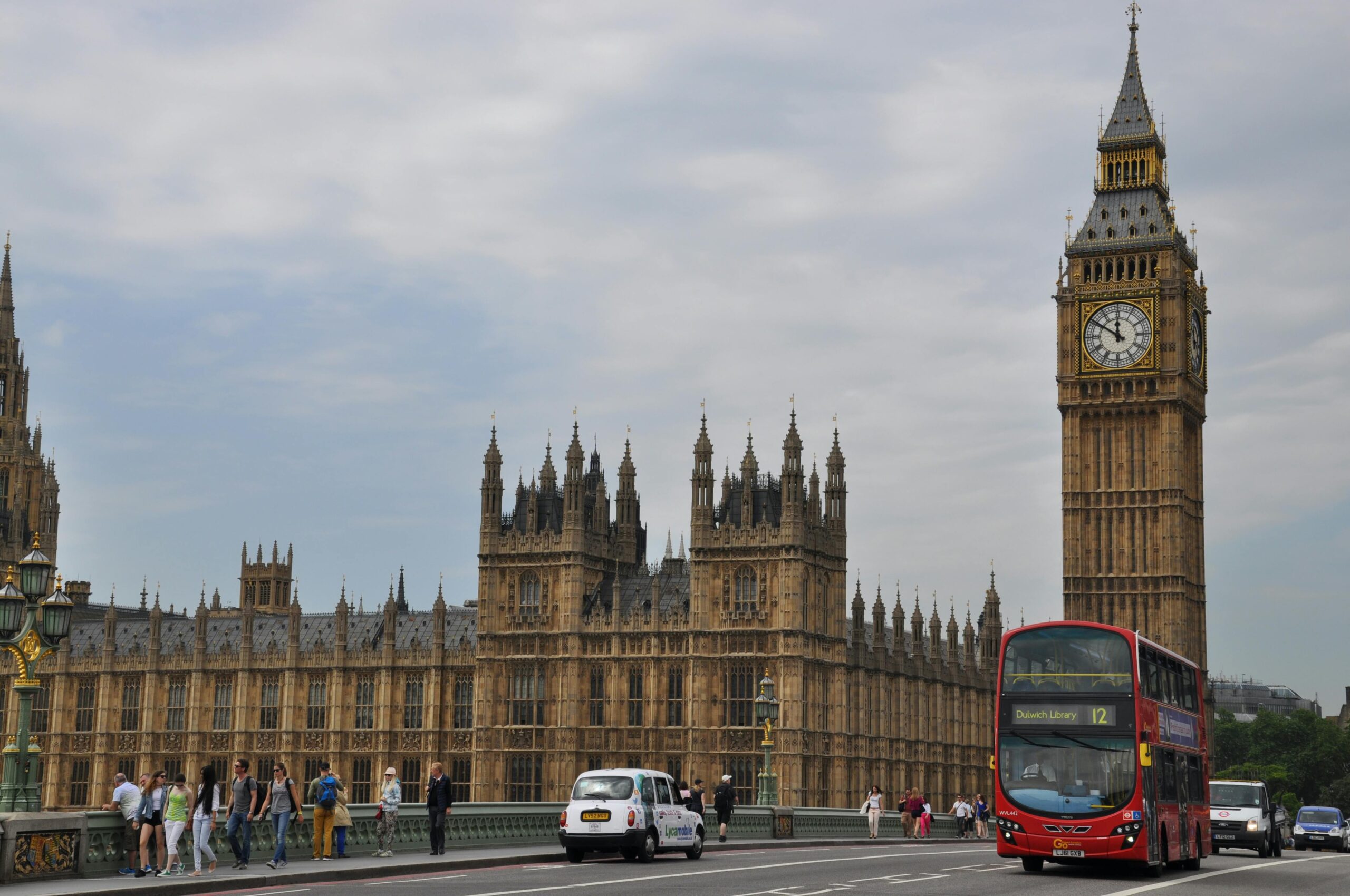
Peak tourist season runs from mid-June through August, driven by school holidays in the UK and many European countries. During these weeks iconic sights such as the Tower of London, Buckingham Palace and the London Eye are busiest, and queues are longer even with timed-entry tickets. Shoulder seasons (spring and autumn) typically offer fewer crowds while still providing pleasant weather for walking tours and river cruises.
Major events and bank holidays also attract visitors. Easter, late-May bank holidays, and the Christmas-to-New-Year period draw domestic and international travelers. Weekends around cultural events—like the Chelsea Flower Show in May or Notting Hill Carnival in August—can be particularly congested in specific neighborhoods, so plan museum trips and West End theatre nights on quieter weekdays to avoid the worst crowds.
For an overview of London’s history, districts and transport that can help you plan around busier areas, the city’s general reference page provides useful context: London on Wikipedia.
London travel cost by season
London travel cost varies with season, availability and booking lead time. Summer months and the December holidays are the most expensive for flights and hotels. Shoulder seasons—March to May and September to November—often bring lower accommodation rates and discounted attraction tickets.
Typical cost considerations:
- Accommodation: Book at least two to three months in advance for summer; look for deals in autumn and spring when occupancy is lower.
- Flights and trains: Early booking helps, but midweek departures can offer savings outside school holiday periods.
- Transport within London: An Oyster card or contactless payment keeps per-trip costs predictable; consider daily caps if you plan heavy sightseeing.
- Attractions and entertainment: Many museums are free, but special exhibitions and West End shows are pricier during peak seasonal demand.
To reduce overall cost without sacrificing experience, target the shoulder months for travel, choose centrally located but smaller hotels or well-rated guesthouses, and buy tickets for popular attractions in advance to lock in better prices.
Events, festivals and the best months for specific interests
Your interests can narrow down the best time to visit London. Garden lovers should aim for May and June when parks and historic gardens are in full bloom. Culture and theatre-goers often prefer autumn and winter seasons when new West End shows open and there are many museum exhibitions. Food and drink festivals appear across summer and autumn, while the holiday season in December features festive markets and lights around Hyde Park and Southbank.
If you want to catch free outdoor concerts, rooftop bars and long daylight evenings, June and July are ideal. For Christmas markets, seasonal theatre and lower daylight touring, December is atmospheric but colder; travel cost and crowd levels can be high around the weeks of Christmas and New Year.
Practical tips for timing your trip
Choose specific dates with these practical points in mind:
- Book popular attractions with timed-entry online to avoid long queues in peak months.
- Aim for midweek stays to reduce accommodation and flight costs when possible.
- Monitor event calendars and bank holidays—both British and international holidays influence visitor numbers.
- Allow flexibility in plans to move outdoor activities if rain is forecast; many tours offer rain-proof alternatives.
Consider combining a central London base with day trips to nearby destinations (e.g., Windsor, Oxford or the Cotswolds) if you want quieter mornings in the city and different seasonal scenery outside it.
FAQs
What month has the best weather in London?
July generally offers the warmest and sunniest conditions on average, with long daylight hours. However, late May and June often provide more comfortable temperatures with fewer heat spikes, so many visitors prefer those months for outdoor sightseeing.
Is London rainy all year round?
London receives rain throughout the year, but it is rarely heavy for long periods. Showers are common in every season; autumn and winter can feel damper due to overcast skies and shorter daylight. Packing a compact umbrella and waterproof layer is advisable regardless of season.
When are the cheapest times to visit London?
Late autumn (November, except around Thanksgiving and Black Friday for some visitors) and late winter (January to early March) are typically the least expensive times for flights and hotels. Shoulder seasons in spring and autumn also offer good value with nicer weather than deep winter.
How busy is London in August?
August is one of the busiest months due to school holidays and good weather. Popular sights and transport routes are crowded, and prices for accommodation tend to peak. Early booking and planning morning visits to top attractions help avoid the worst of the crowds.
Can I avoid crowds and still enjoy good weather?
Yes. Traveling in late spring (April–May) or early autumn (September) often balances milder weather with reduced visitor numbers. Weekday visits to major attractions and early-morning starts for popular sights also improve the experience regardless of month.
Conclusion
Choosing the best time to visit London comes down to your priorities: summer for warm weather and long days, shoulder seasons for milder conditions and lower travel cost, and winter for holiday atmosphere and cultural events. Use seasonal weather patterns and tourist season insights to match your interests with the ideal month, book key attractions and accommodation in advance for busy periods, and keep flexible plans to handle London’s changeable weather. With a little planning, you can enjoy the city’s museums, parks, markets and neighbourhoods at a time that fits your budget and travel style.
Read more about Best Hotels Near Hyde Park London