Deciding the best time to visit Prague depends on what you want: mild weather and outdoor cafés, smaller crowds and lower prices, or winter markets and snowy cityscapes. This guide uses official tourism data and national weather authority trends to explain seasonal patterns, crowd levels, costs, and practical tips so you can pick the season that suits your travel style.
Beyond calendar months, factors like festivals, school holidays and airfare sales influence whether a visit feels relaxed or crowded. Read on for a month-by-month breakdown, realistic budgeting guidance, and what to pack for each season.
When to go: quick overview by season
Spring (April–June) and autumn (September–October) are widely recommended as the best times for first-time visitors who want pleasant Prague weather, fewer crowds than summer, and active cultural calendars. Temperatures are comfortable, daylight hours are generous, and many outdoor activities—walking across Charles Bridge, lingering in Old Town, or picnicking in Letná Park—are enjoyable.
Summer (July–August) brings warm days and a lively atmosphere with open-air concerts and river events, but it is also Prague’s peak tourist season, which means longer lines at the main attractions and higher prices for accommodation. Winter (November–March) can be cold and short on daylight, but it offers atmospheric markets, lower hotel rates outside holiday weeks, and the possibility of snow-dusted architecture.
For historical and practical background about Prague, including its major neighborhoods and transport options, check the city profile on Prague’s Wikipedia page.
Month-by-month guide to help you pick dates
April: Spring is arriving—temperatures typically climb from chilly to mild (5–15°C). Tourist numbers start to increase mid-month, especially on weekends. Early April can still feel quiet and is a sweet spot for lower prices.
May–June: Late spring and early summer are among the most pleasant times to visit. Days are long, flowers are in bloom and outdoor cafés fill up. Expect comfortable daytime temperatures (15–25°C) and steadily rising visitor numbers toward June.
July–August: Peak tourist season. Warm to hot days (20–30°C) and frequent cultural events attract both international tourists and local weekenders. If you prefer crowded energy, lively nightlife and full museum schedules, this is your window—but book accommodations and popular tours well in advance.
September–October: Early autumn often mirrors May in terms of weather, with crisp mornings and golden foliage. This shoulder season reduces queues and offers pleasant weather for walking tours and river cruises.
November: Cooler, with fewer tourists. It’s a quieter city compared with summer and ideal for lower-cost stays and exploring museums without crowds. Weather can be damp; bring a warm waterproof layer.
December: Holiday markets, festive lights and classical concerts make Prague especially magical. The busiest period is the run-up to Christmas and New Year’s; book early if you want a market-side visit. Outside these weeks, mid-December can be surprisingly calm.
January–February: Coldest months with the shortest days. If you like the idea of seeing Prague with a dusting of snow and reduced prices, this is a good time. Some tourist services run reduced hours in the deepest winter.
Understanding Prague weather: what to expect
Prague has a temperate continental climate: warm summers, cold winters, and transitional spring and autumn seasons. Average summer daytime highs reach the low 20s to around 30°C on hot spells, while winter daytime temperatures often hover at or below freezing with overnight lows commonly below 0°C.
Rain is spread fairly evenly through the year but late spring and summer can bring short, intense showers. For detailed short-term and long-range forecasts that reflect current conditions, consult a trusted weather service before travel to plan clothing and outdoor activities.
Seasonal daylight varies greatly: expect long, bright days in June (up to 16 hours of daylight) and much shorter windows in December and January. This affects museum opening times, guided tours, and the experience of walking the historic center after dusk.
Crowds and Prague tourist season: planning to avoid lines
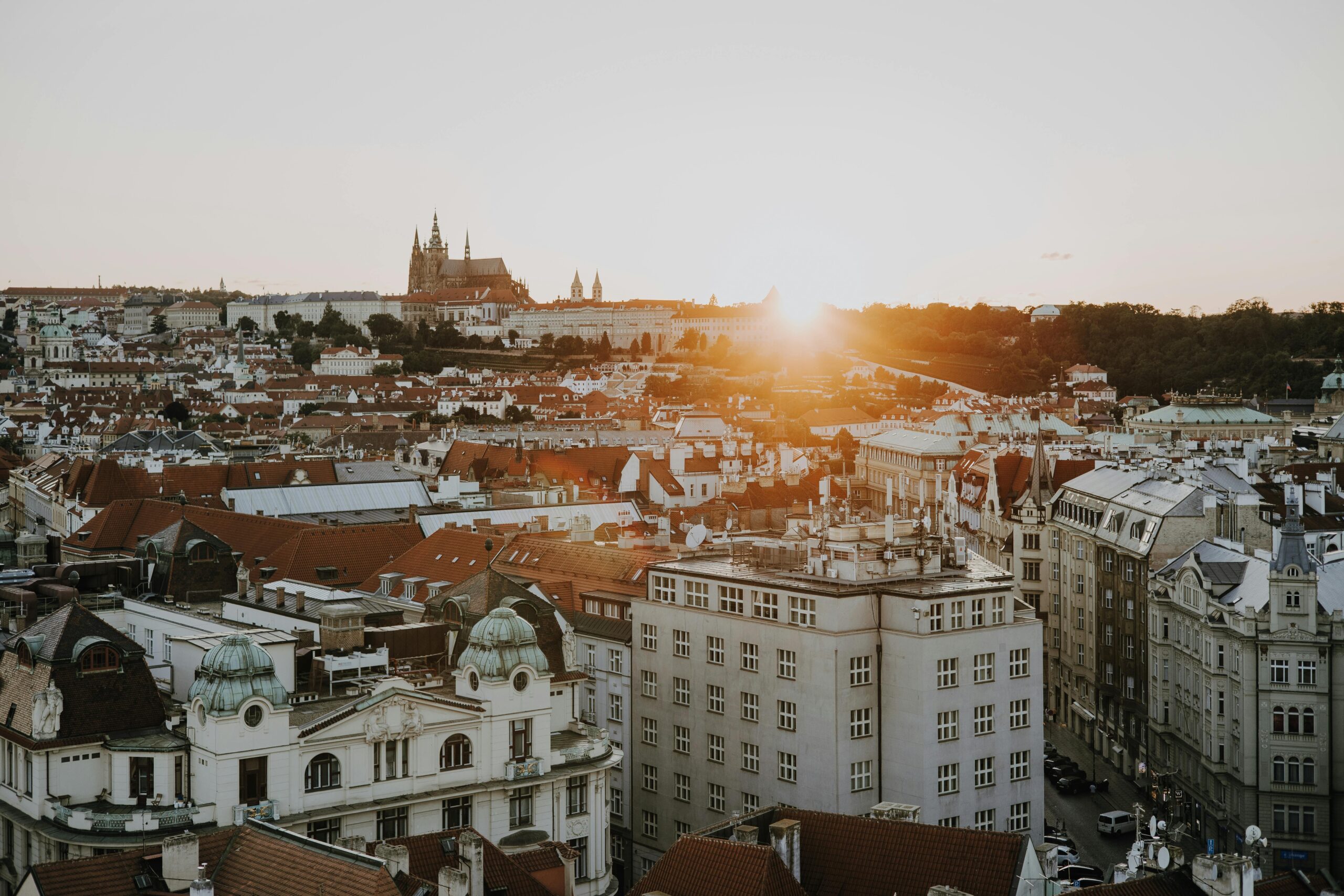
Prague tourist season peaks in July and August, and again during major holidays such as Christmas and Easter. If you aim to avoid the busiest periods, travel in late April–June or September–early October when attractions are open and crowds are thinner. Weekdays are generally quieter than weekends, especially at top sites like Prague Castle and the Astronomical Clock.
For popular experiences—castle tours, brewery visits, river cruises and classical concerts—book timed tickets in advance whenever possible. Guided walking tours that start earlier in the morning or late afternoon often dodge the biggest crowds and deliver a calmer experience of the Old Town and Lesser Town.
Prague travel cost: budgeting tips by season
Prague is often perceived as affordable compared with Western European capitals, but costs vary by season. Peak summer and holiday weeks show the highest hotel rates and restaurant prices, while shoulder seasons and winter (outside Christmas/New Year) bring noticeable savings on accommodation and often on flights.
- Accommodation: Book early for July–August and December holidays. Consider neighborhoods just outside the Old Town for better rates while staying well connected by public transport.
- Food and drink: Local pubs and market stalls offer good value year-round. Expect higher prices at tourist-facing restaurants near major sights in peak season.
- Attractions and tours: Many museums offer lower off-season admissions or combined passes that save money if you plan to visit multiple sites.
To stretch a travel budget, aim for April–June or September–November, when weather is comfortable but many prices have not reached summer highs.
Special events and festivals that might influence timing
Prague’s calendar includes classical music seasons, open-air summer festivals, the Prague Spring International Music Festival (late May–early June), and colorful Christmas markets from late November into December. If attending a particular festival is important, plan well ahead: events draw international visitors and increase demand for rooms and transport.
Seasonal events can enhance a visit: summer film and opera festivals make outdoor evenings memorable, while winter concerts and nativity markets add a cultural and festive dimension. Check event dates before booking to ensure your chosen dates match what you want to experience.
FAQs
What month has the best weather in Prague?
Late May through early June and September typically offer the best balance of mild temperatures, reasonable rainfall and daylight hours—ideal for walking the city and outdoor cafés. These shoulder months avoid the height of summer heat and the winter chill while keeping crowds lower than in July–August.
Is Prague expensive to visit compared with other European capitals?
Prague is generally more affordable than many Western European capitals, especially for dining, local transport and accommodation outside peak tourist weeks. Costs rise in high season and around holidays, so traveling in shoulder months will usually deliver better value for money.
How busy is Prague during the tourist season?
Peak tourist season (July–August) sees the highest visitor numbers, long lines at major monuments and crowded public spaces. Shoulder seasons—spring and autumn—offer a much quieter experience while maintaining good weather for outdoor activities and sightseeing.
Do I need to worry about winter weather when visiting Prague?
Winters can be cold and occasionally snowy. If you plan a winter visit, pack warm layers, waterproof footwear and a coat. Many travelers find the city atmospheric under snow and appreciate lower accommodation prices outside the Christmas and New Year period.
Where can I check reliable current weather forecasts for Prague?
For up-to-date forecasts and weather warnings prior to travel, consult an established weather service to plan outfits and daily activities; these services provide current conditions and short-term outlooks that are useful for packing and scheduling tours.
Conclusion
Choosing the best time to visit Prague comes down to your priorities: late spring and early autumn for the best mix of weather and lower crowds; summer for lively events and long days; winter for festive markets and lower off-season prices. Use the month-by-month guidance above, factor in festival dates and booking lead times, and consult current weather forecasts before departure to ensure the trip matches your expectations. With a little planning, Prague rewards visitors year-round with architecture, culture and memorable urban experiences.