Planning a trip to Austria’s imperial capital means choosing the best time to visit Vienna to match your interests, budget and tolerance for crowds. Whether you’re drawn to coffeehouse culture, classical concerts, or the famous Christmas markets, timing affects weather, costs and what’s open or in season.
This guide uses official tourism trends and climate data to explain seasonal differences, expected Vienna weather, crowd patterns and approximate travel costs so you can pick the month that suits your priorities. Practical tips, packing notes and five common questions are included to help you plan a smoother visit.
When to visit: an overview by season
The ideal month in Vienna depends on whether you prioritize outdoor sight-seeing, festivals, lower prices or winter atmosphere. Spring and early autumn are often recommended for mild temperatures and fewer tourists, while summer delivers long daylight hours and open-air events but higher prices and larger crowds. Winter transforms the city into a festive destination, particularly around Advent, but temperatures can be cold and some attractions run reduced hours.
Vienna tourist season peaks in the summer months and around December when the Christmas markets draw visitors. Planning midweek visits and avoiding major Austrian holidays will reduce prices for hotels and tours.
For historical context about the city’s cultural attractions and why Vienna remains a year-round destination, see the Vienna page on Wikipedia for background on its imperial architecture and cultural institutions: Vienna — history and highlights.
Spring (March–May): mild weather and blooming parks
Spring is a favorite for many travelers because Vienna weather shifts from crisp early-March days to pleasantly warm May afternoons. Cherry blossoms and chestnut trees begin to bloom along the Ringstrasse and in the Stadtpark, making it an excellent time for walking tours, Schloss Schönbrunn gardens and cycling along the Danube. Museum lines are shorter than in summer, and cafés have outdoor seating by late spring.
Expect daytime temperatures to rise from roughly 8–15°C (46–59°F) in March to 15–22°C (59–72°F) in May. Rain is possible, so bring a light waterproof layer and comfortable shoes for cobbled streets. Cultural calendars start filling up with classical concerts and open-air events, but you’ll generally avoid peak-season accommodation prices until late May and early June.
Summer (June–August): long days, festivals and higher costs
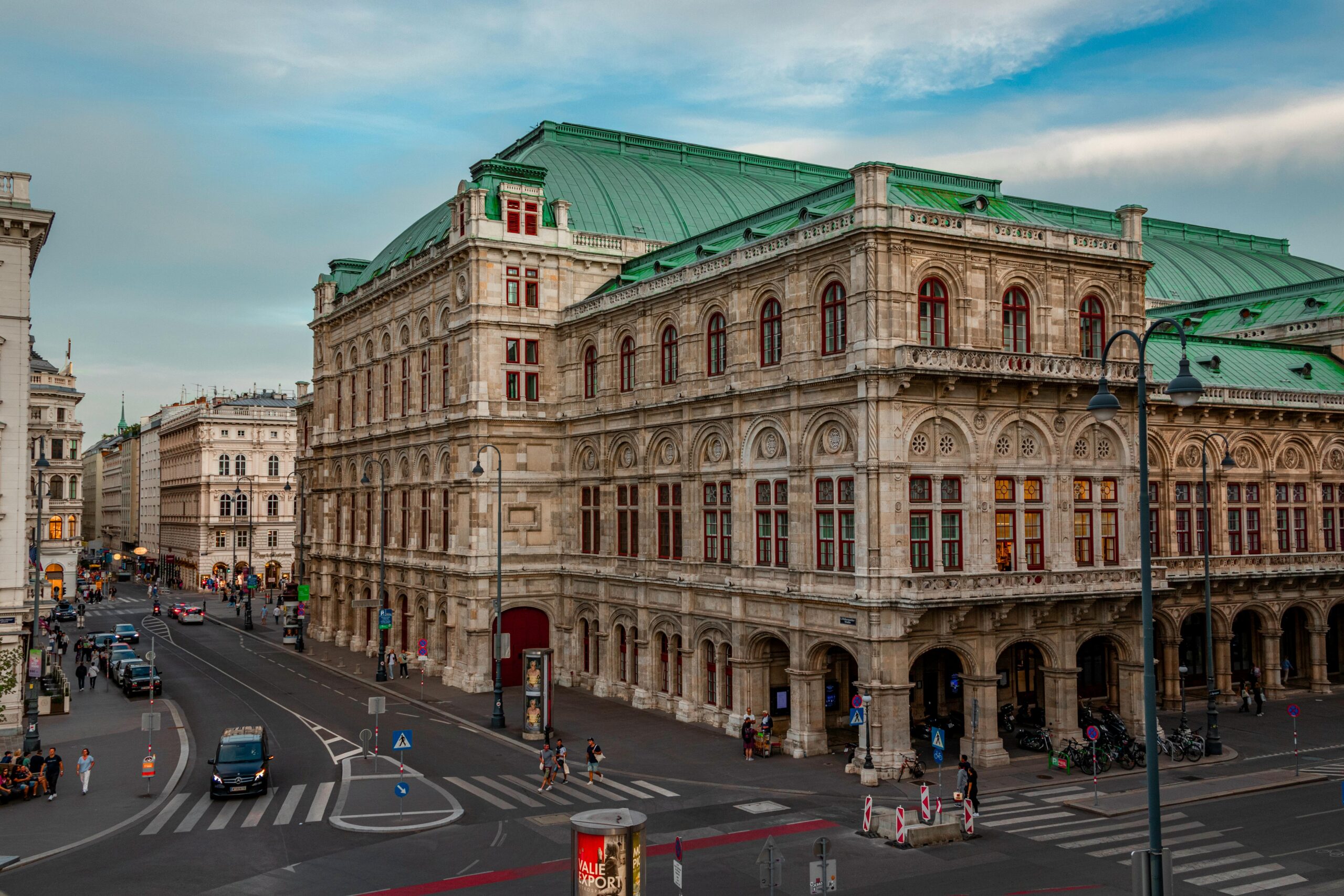
Summer brings the warmest weather and the liveliest activity in Vienna. Temperatures commonly range between 20–28°C (68–82°F), with occasional heat waves pushing temperatures higher. This is peak Vienna tourist season: outdoor concerts, film festivals at Rathausplatz, open-air opera performances and late-night café culture are at their height.
Because demand is highest, expect higher Vienna travel cost for hotels and flights, and popular museums and attractions will be busiest between late June and August. Booking tickets for concerts, State Opera performances or palace tours in advance is strongly recommended if you plan to attend signature events.
Autumn (September–November): mild crowds and golden cityscapes
Autumn is another excellent window: September often feels like extended summer with warm, sunny days and thinning crowds, while October brings crisp air and colorful foliage across Vienna’s parks. Cultural institutions resume full schedules after summer, and the gastronomic scene shifts to seasonal menus—game, pumpkins and hearty soups become common in local restaurants.
Prices generally fall after the first half of September, making autumn an attractive option for travelers seeking a balance between pleasant Vienna weather and lower costs. Daylight diminishes toward November, but sightseeing is comfortable and efficient due to shorter queues.
Winter (December–February): festive markets and quieter museums
Winter in Vienna is cold, with average temperatures often between −1 and 4°C (30–39°F). December is especially popular because of the Christkindlmarkt (Christmas markets) — stalls, lights and mulled wine transform key squares like Rathausplatz and Freyung into festive hubs. If you enjoy seasonal atmosphere, December is unbeatable despite the crowds.
January and February are quieter and sometimes offer significant discounts on accommodation. This is a good time for museum visits, the State Opera and indoor concerts. Be prepared for snow on occasion, and check attraction opening hours during holidays or between semesters for university-run exhibits.
Practical considerations: Vienna weather, costs and crowd strategies
Understanding typical Vienna weather across seasons will help you pack efficiently and schedule activities. For detailed climate averages and monthly graphs, consult an authoritative weather source when finalizing travel plans: current Vienna climate data.
Here are practical tips to manage costs and crowds:
- Booking: Reserve accommodations and key attraction tickets at least 6–8 weeks in advance for summer and December travel.
- Transport: Vienna’s public transport is reliable and cost-effective; consider a multi-day Vienna Card for savings on transit and museum discounts.
- Timing: Visit major sites like the Hofburg and Schönbrunn early in the morning or late afternoon to avoid the largest tour groups.
- Budgeting: Expect higher nightly rates and dining costs during peak tourist season; traveling in shoulder months (April–May, September–October) reduces Vienna travel cost significantly.
- Currency and tipping: Austria uses the euro; tipping 5–10% for table service is customary when service is not included.
Vienna tourist season has identifiable peaks—summer and the Advent period—so targeting shoulder months gives a smoother balance of comfortable weather, value and fewer crowds.
Packing and accessibility tips for every season
Packing varies by season but certain items are useful year-round. Comfortable walking shoes are essential for cobbled streets and palace gardens. For spring and autumn, layered clothing and a light rain jacket handle variable Vienna weather. Summer packing should include breathable fabrics and a hat; winters require a warm coat, insulated footwear and gloves.
- Electronics: Austria uses Type F outlets (230V); bring a compatible adapter and a small power bank for long sightseeing days.
- Mobility: Many central areas are walkable and wheelchair-friendly, but some historic sites have steps. Check ahead for elevator access at palaces and museums if needed.
- Health: Pharmacies (Apotheke) are widely available and open on set emergency schedules; travel insurance is recommended for any international trip.
FAQs
What month has the best weather in Vienna?
Late May through September typically offers the warmest and sunniest weather, with July and August being the hottest months. For a balance of mild temperatures and fewer tourists, late May or September are popular choices.
Is winter a bad time to visit Vienna?
Not at all—winter offers unique experiences such as Christmas markets, classical concerts and quieter museums. Be ready for cold temperatures and shorter daylight hours; January and February can be more budget-friendly if you prefer lower prices and indoor cultural activities.
How much should I budget for a trip to Vienna?
Daily costs depend on travel style. Budget travelers can manage on modest daily expenses by using public transport, staying in guesthouses and choosing casual meals, while mid-range travelers should allow more for comfortable hotels, museum passes and occasional performances. Expect peak-season accommodation to increase Vienna travel cost noticeably.
Which months should I avoid due to crowds?
Avoid late June through August and the Advent weekends in December if you dislike crowds. Weekdays in shoulder seasons are generally calmer for visiting major sites like Schönbrunn and the Kunsthistorisches Museum.
Are outdoor activities good year-round in Vienna?
Many outdoor activities are seasonal: cycling and riverfront promenades shine in spring through autumn, while parks and gardens are accessible year-round. Winter outdoor activities shift to markets and ice-skating rinks rather than long sightseeing walks.
Conclusion
Choosing the best time to visit Vienna depends on what you want from the trip. If you seek mild Vienna weather and manageable crowds, aim for spring (late April–May) or early autumn (September). For long days, festivals and outdoor life, summer is ideal if you don’t mind higher costs and larger crowds. Winter offers a distinctive cultural experience with festive markets and indoor performances. Use the season-specific advice above—along with advance booking and attention to local transport and opening hours—to create an itinerary that matches your priorities and budget.