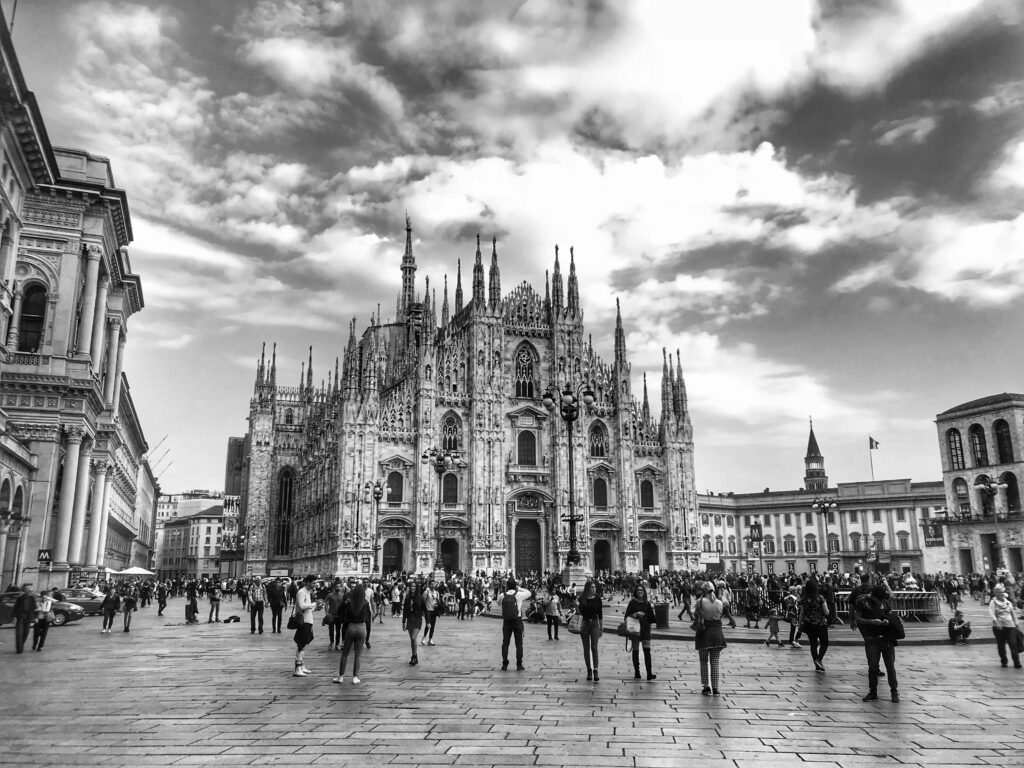
Deciding the best time to visit Milan depends on what you want from the trip: milder weather for walking historic streets, lively cultural events, or lower prices and fewer tourists. The best time to visit Milan often falls in shoulder seasons when Milan weather is pleasant and crowds are manageable, but there are trade-offs depending on whether you prioritize festivals, fashion weeks, or budget-friendly travel.
This guide uses official tourism data and seasonal travel trends to explain Milan tourist season patterns, typical weather, and practical tips for planning. It covers month-by-month recommendations, expected Milan travel cost ranges, crowd and event calendars, packing tips, and quick itineraries to help you pick the ideal dates for your visit.
Why timing matters: crowds, costs and experiences
Milan’s appeal is broad: world-class museums, a thriving design and fashion calendar, and easy access to lakes and the Alps. However, visitor experience shifts dramatically through the year. Peak periods bring bigger crowds and higher prices, while quieter months deliver lower Milan travel cost and a more relaxed pace.
Major events shape demand: Salone del Mobile (Milan Design Week) and Fashion Week draw professionals and enthusiasts, filling hotels quickly. For a compact overview of Milan’s history and cultural draw, Milan’s profile on Wikipedia is a useful starting point for background context.
Milan weather by season — what to expect
Milan has a temperate climate with four distinct seasons. Winters are cool and damp, springs and autumns are mild and changeable, and summers can be hot and humid. For month-by-month averages and forecasts consult authoritative weather reports to refine packing and daily planning.
Typical seasonal highlights:
- Winter (December–February): Average highs around 6–8°C (43–46°F) and lows near freezing. Occasional fog and rain; snow is possible but not abundant.
- Spring (March–May): Temperatures rise from about 10°C (50°F) in March to 20°C (68°F) in May. Increasing sunshine and blooming parks make this a pleasant time for walking and outdoor cafes.
- Summer (June–August): Warm, often hot, with highs commonly in the mid-20s to low 30s°C (mid-70s to 90s°F). Humidity and heat waves can occur in July and August.
- Autumn (September–November): September is often warm and bright; October brings cooler days and occasional rain; November is chillier and more overcast.
For up-to-date daily and weekly forecasts to time outdoor plans and day trips, check a trusted meteorological source such as Weather.com.
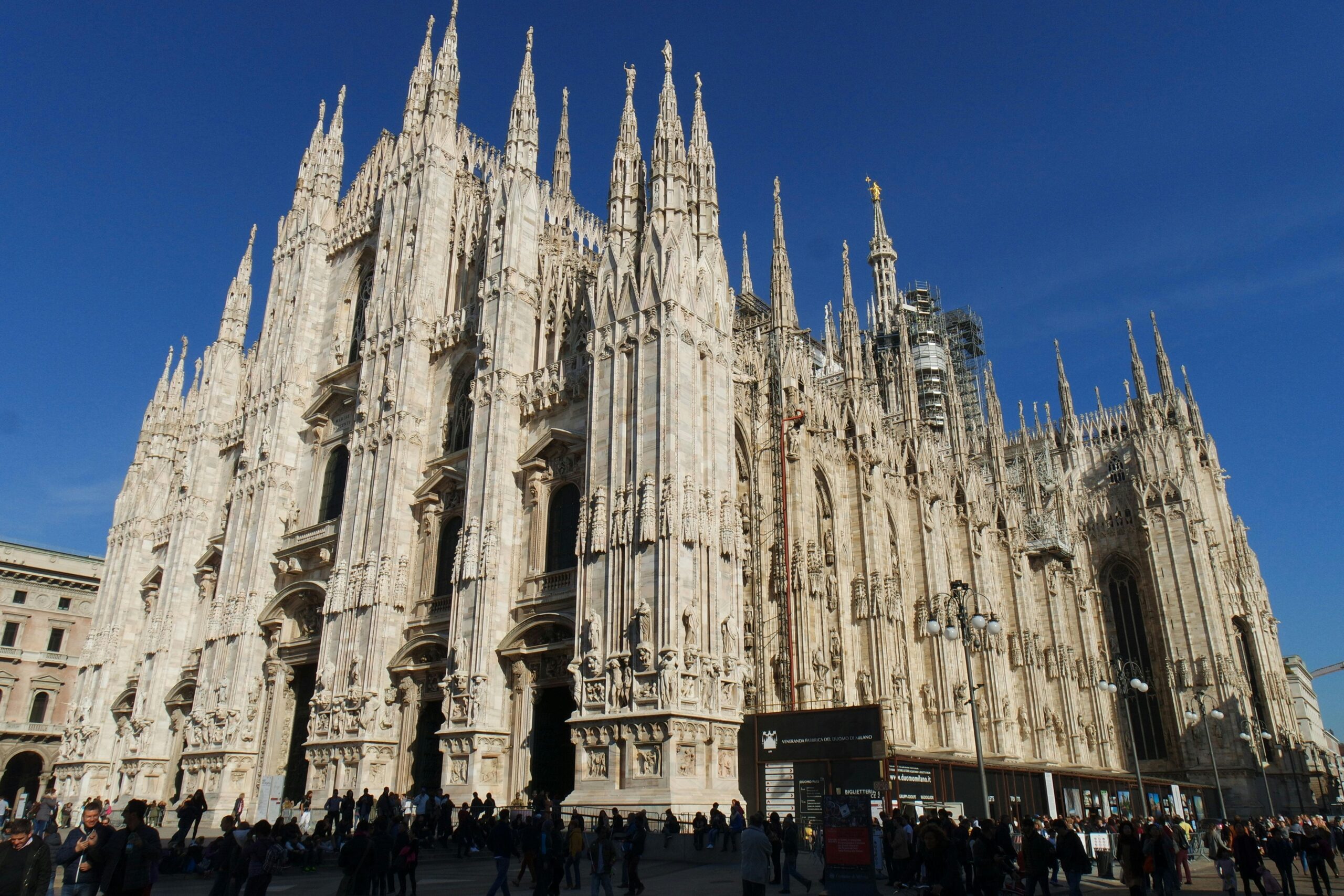
Best months to visit — a practical month-by-month guide
Choosing months depends on priorities: mild weather, avoiding tourists, or attending events. Below are practical recommendations for each month to help you choose the best window for your plans.
- January: Low season after the holidays — lowest Milan travel cost, hotels often cheaper, but cooler weather and shorter daylight hours. Museums and attractions are quieter.
- February: Still low season but Fashion Week (Men’s and Women’s, staggered) brings pockets of high demand. If you want bargains but not total isolation, late February can be good unless you need Fashion Week availability.
- March: Spring begins; temperatures moderate. Early spring can be rainy, but the city feels fresher and museums see moderate crowds.
- April–May: Often cited as among the best times to visit Milan — warm days, blooming parks, and manageable crowds. Excellent for walking tours, Duomo terraces, and exploring Navigli.
- June: Pleasant early in the month, but demand rises with summer travel. Prices climb and popular attractions get busier.
- July–August: High summer with heat and humidity. Many locals take August holidays, and some shops or restaurants close for vacation (Ferragosto around August 15). If you tolerate heat and want lively nightlife, this can still be a rewarding time.
- September: One of the top months — comfortable temperatures, full cultural calendar (including some trade fairs and events), and fewer peak-summer tourists.
- October: Crisp, autumnal feel and often good weather early in the month. Great for food festivals and wine-focused events in Lombardy nearby.
- November–December: Cooler, wetter periods. Late November into December becomes busier again as Christmas markets and holiday window displays appear, particularly in December.
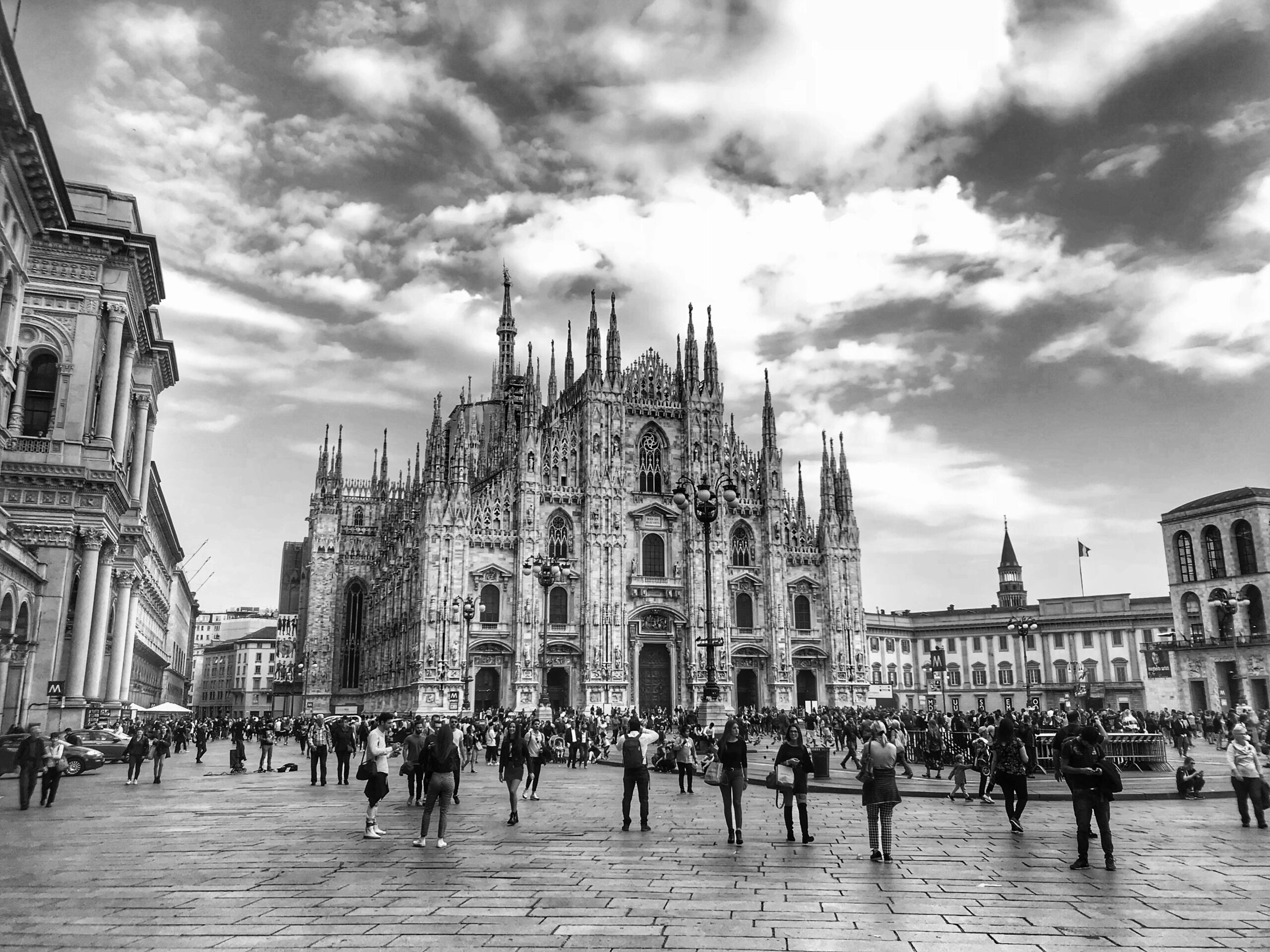
Crowd patterns, major events and Milan tourist season
Milan tourist season peaks during fashion and trade events, as well as the summer holidays. If you prefer quieter visits, avoid booking around:
- Salone del Mobile (usually April) — enormous international attendance that fills hotels and raises prices.
- Milan Fashion Week (February and September/October) — significant localized demand in central neighborhoods.
- Major public holidays and long weekends (Easter period, national holidays) — these can push domestic travel in and around the city.
Off-peak months (January, early February, late November) generally offer the lowest Milan travel cost and quieter attractions. Shoulder seasons (April–May and September–October) typically provide the best balance of good Milan weather, manageable crowds, and reasonable prices.
Budgeting: typical Milan travel cost and money-saving tips
Costs vary with season, accommodation class, and how far in advance you book. Typical per-day mid-range estimates (excluding international flights) are:
- Budget traveler: €50–€90 — hostel or budget hotel, public transit, casual meals, some free sights.
- Mid-range traveler: €120–€220 — 3-star hotels or private apartments, a mix of dining, paid museums and a day trip.
- Luxury traveler: €300+ — 4–5 star hotels, fine dining, private tours and shopping.
Ways to lower costs:
- Book accommodation several months ahead for peak events or in shoulder seasons for better deals.
- Use the efficient public transport network (metro, trams and buses) instead of taxis.
- Buy combined museum passes or a city transport card when it saves on planned visits.
- Choose neighborhoods slightly outside the historic core (for example, Città Studi or Isola) to save on lodging without sacrificing convenience.
Getting around, day trips and where to stay
Milan’s public transport is reliable: metro lines cover central areas and trams offer scenic surface travel. Purchase single tickets, day passes, or multi-day travel cards from machines, newsstands, or mobile apps to save time.
Recommended neighborhoods by traveler type:
- Centro Storico / Duomo: best for first-time visitors who want to be in the heart of landmarks.
- Brera: art-focused, charming streets and boutique hotels.
- Navigli: great for evening canalside dining and nightlife.
- Isola: trendier, more local atmosphere with good connections to the main train station.
Popular day trips that pair well with different seasons:
- Lake Como — spring to early autumn for boat cruises and lakeside towns.
- Bergamo Alta — year-round, but especially pleasant in spring and autumn.
- Franciacorta wine region — late summer and autumn for grape harvest and tastings.
Packing and practical travel tips by season
Packing smart reduces stress and makes it easier to enjoy the city no matter the month. Essentials and seasonal considerations:
- Spring/Autumn: layers, a light waterproof jacket, comfortable walking shoes, and an umbrella for intermittent showers.
- Summer: breathable clothing, sun protection, a refillable water bottle, and plan outdoor activities for mornings or evenings to avoid peak heat.
- Winter: warm coats, scarves, gloves, and waterproof footwear for damp streets and occasional snow or fog.
Practical tips:
- Book Duomo rooftop and Last Supper (Cenacolo) tickets in advance to avoid sold-out slots.
- Check opening hours for museums and churches as times change seasonally.
- If you want to attend a specific event or trade fair, register early and secure accommodation as soon as dates are confirmed.
FAQs
When is Milan least crowded?
The least crowded times are January (after New Year) and late November before the Christmas rush. These months offer lower Milan travel cost and quieter attractions, though the weather will be cooler and there may be shorter daylight hours.
Is spring a good time to visit Milan?
Yes. Spring (April–May) is widely recommended: mild temperatures, blooming parks, and fewer crowds than peak summer. It’s an excellent time for walking tours, cafes, and outdoor sightseeing.
How much should I budget per day in Milan?
Daily costs vary: budget travelers can manage on €50–€90, mid-range about €120–€220, and luxury travelers considerably more. Season, accommodation choice, and how often you dine out or take tours influence travel costs.
Can I visit Milan in winter?
Absolutely. Winter offers quieter museums, lower accommodation prices, and atmospheric holiday markets in December. Pack warm, waterproof layers and check attraction opening times which sometimes vary in low season.
What months should I avoid because of Fashion Week and trade shows?
Avoid the main Fashion Week periods (typically in February and late September/early October) and major trade fairs (Salone del Mobile in April) if you want lower prices and more available hotel rooms. If you plan to attend such events, book well in advance.
Conclusion
Choosing the best time to visit Milan comes down to balancing weather, crowds, and cost. For most travelers seeking comfortable weather and manageable crowds, April–May and September are ideal. If you prioritize lower costs and quieter museums, consider January or late November. For event-driven travel—fashion or design weeks—plan and book far ahead. Use current forecasts and official tourism updates when you finalize dates to optimize your itinerary, and you’ll get the most from Milan’s art, food, design and city life.