Choosing the best time to visit Geneva depends on what you want from the city: lakeside promenades and outdoor festivals, quiet museum days, or winter sports within easy reach. For visitors weighing weather, crowds and costs, this guide uses official tourism data and seasonal travel trends to help plan a trip that matches your priorities.
Below you’ll find a practical, month-by-month look at Geneva weather, how Geneva tourist season shapes visitor experiences, and what to expect for Geneva travel cost across different times of year. Where relevant I reference authoritative sources for current city information and seasonal forecasts.
Why timing matters for a Geneva trip
Geneva is compact but seasonal. The lakeside location and surrounding Alps mean conditions change quickly between spring, summer and winter. Timing affects not only temperatures and precipitation but also opening hours for attractions, festival schedules, and the number of day-trippers from nearby France and Italy.
Picking the right month can reduce travel friction: you’ll avoid peak-ticket queues, make the most of outdoor dining, or catch winter ski connections without the crowds. Travel logistics — from public-transport frequency to boat services on Lake Geneva — also vary with the calendar, so planning with the season in mind improves the overall trip experience.
Overview of seasons and visitor character
Geneva’s tourist profile shifts in four general blocks: spring (March–May), high summer (June–August), autumn (September–November), and winter (December–February). Each period suits different traveler types: spring and autumn for mild weather and fewer crowds, summer for festivals and warm lake activities, and winter for holiday markets and nearby alpine skiing.
Peak tourist season falls in July and August, when international visitors and European holidaymakers converge. Shoulder seasons—late May to early June and September to October—often offer the best balance of pleasant weather and lower visitor density.
Geneva weather: month-by-month guide
Understanding typical monthly conditions helps decide what to pack and which activities to prioritize. Geneva experiences a temperate climate with continental influences — warm summers, cool winters, and frequent spring/autumn variability.
For up-to-date conditions and short-term forecasts consult the seasonal forecast on Weather.com which provides daily and monthly outlooks useful for final planning.
- January–February: Cold and crisp, often near freezing. Snow is possible in the city, more likely in surrounding hills. Short daylight hours; ideal for festive markets and cozy indoor sightseeing.
- March–May: Spring brings variable weather. Early spring can still be chilly, but by May temperatures often climb into the mid-teens °C (50s–60s °F). Flowers and parks are at their best in late April and May.
- June–August: Warm to hot summer weather, with July typically the warmest month. Expect long daylight hours and frequent outdoor events, but also occasional thunderstorms.
- September–November: Autumn cools down quickly, with crisp days and colorful foliage. September retains much summer warmth; November can be damp and chilly as the year winds down.
- December: Winter returns with holiday lights and the possibility of snow. December is atmospheric for markets and indoor cultural programming.
Peak vs shoulder vs low season: crowds and availability
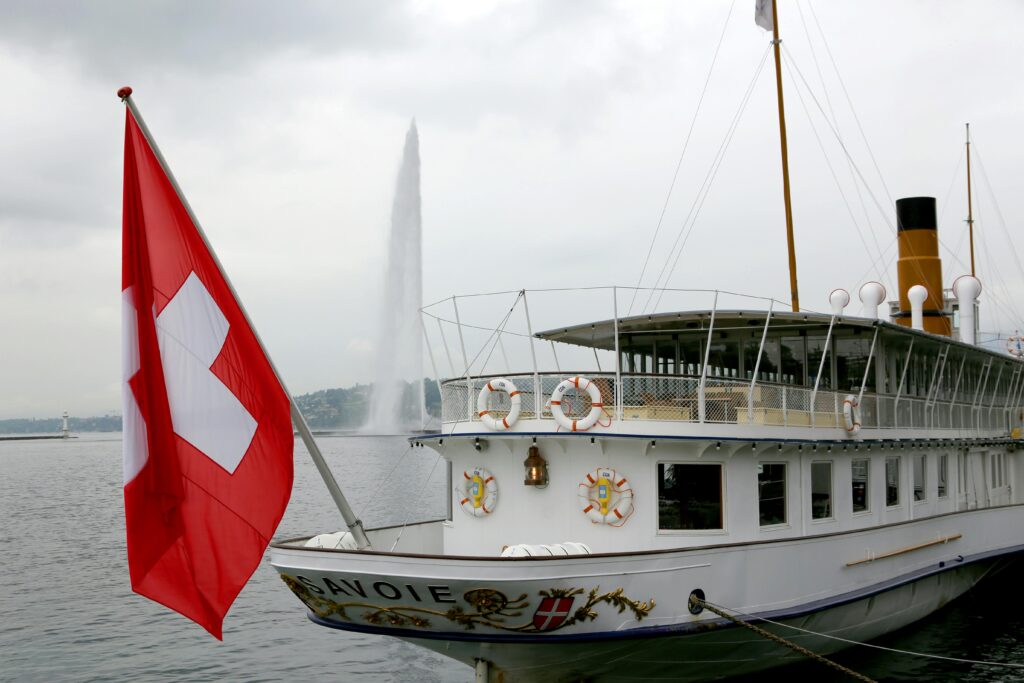
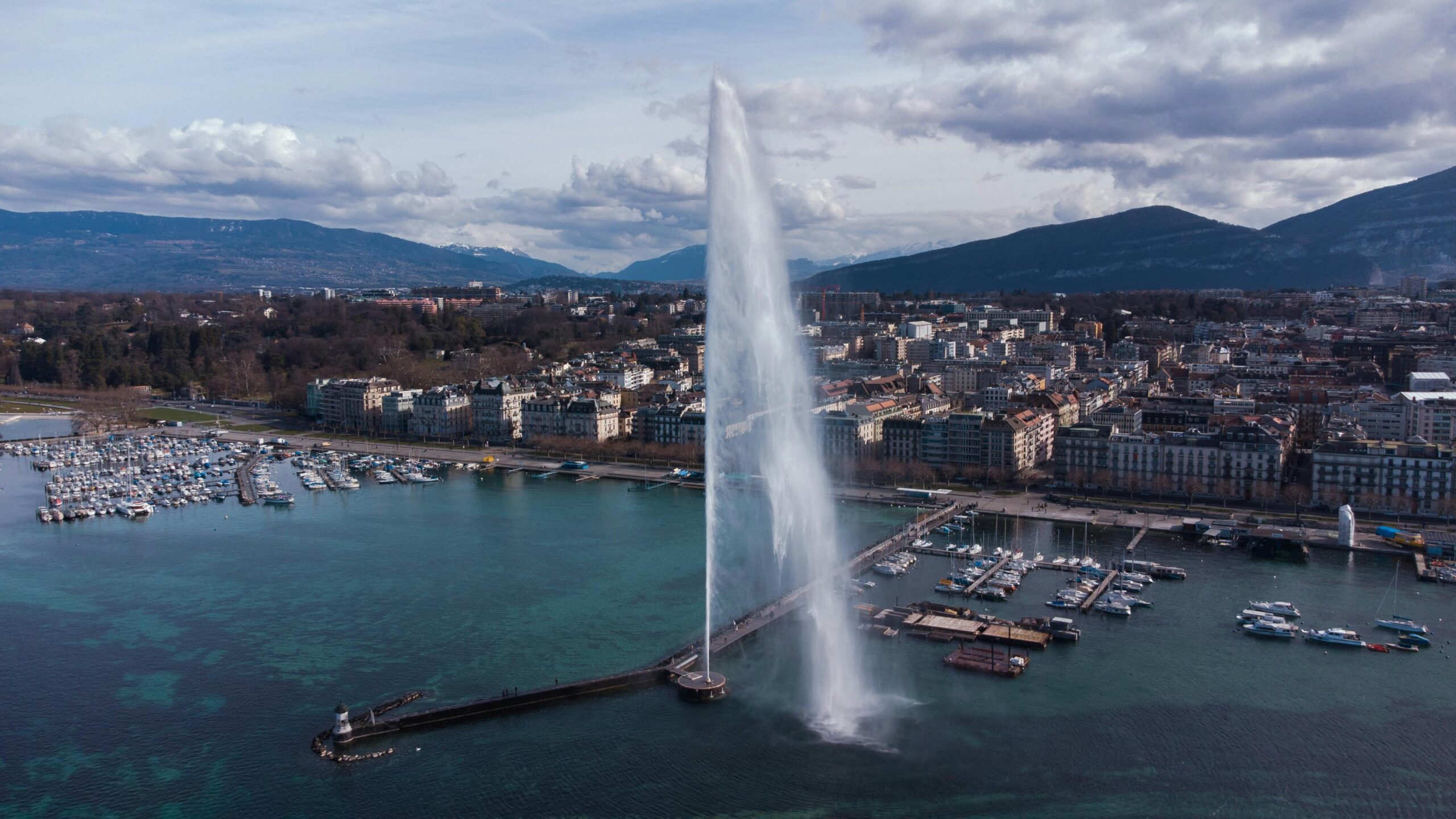
High season (mid-June to August) brings the greatest concentration of tourists, which affects availability and prices for hotels and restaurants. Attractions like the Jet d’Eau, English Garden, and guided tours of the Old Town will be busiest during this period.
Shoulder seasons—late spring (May–early June) and early autumn (September–October)—offer the most comfortable experience for many travelers. You’ll find fewer queues, more accommodation options, and pleasant weather for city walks and day trips. Low season (November–March, excluding holiday weeks) is quieter but some seasonal services and lake cruises may run less frequently.
Geneva travel cost: how season affects your budget
Geneva generally ranks as a higher-cost European city, but expenses vary considerably by season. Peak summer and the holiday season push room rates and some tour prices upward. Conversely, winter (outside Christmas/New Year) and late autumn can yield lower nightly rates and more promotional offers from hotels.
- Accommodation: Expect the highest nightly rates in July–August and during major events. Book early if traveling then. Shoulder months can deliver savings of 20–40% depending on property.
- Transport: Flight and rail fares into Switzerland often mirror demand cycles; booking a few months ahead for summer travel reduces costs. Public transport in Geneva is efficient year-round and included for some hotels as a guest benefit.
- Dining and activities: Local restaurants maintain consistent quality but special summer terraces and set menus can vary in price. Museum passes and sightseeing tours sometimes offer off-season discounts.
To plan a realistic daily budget, consider your travel style: conservative travelers who use public transport and self-cater can keep costs lower, while those booking guided day trips or fine-dining will see higher daily averages.
What to pack and practical tips by season
Packing well for Geneva reduces stress and makes weather transitions easier. Given the city’s variable climate, layering is the most practical strategy year-round.
- Summer: Lightweight layers, a light rain jacket for thunderstorms, comfortable walking shoes for cobbled streets, and sun protection for lakeside time.
- Spring/Autumn: Warm sweaters, a medium-weight jacket, waterproof footwear, and an umbrella for unpredictable showers.
- Winter: Insulated coat, gloves, hat, warm footwear and quick-dry layers. If you plan alpine excursions, bring or rent ski-appropriate gear.
Other practical tips: buy a Geneva Transport Card if your hotel offers it for free public transit; reserve popular boat cruises and museum tickets in peak months; and check opening hours for attractions during public holidays.
Events, festivals and when to plan around them
Event timing often defines the best time to visit depending on interests. Geneva hosts cultural and international events that attract visitors at specific times of year.
- Fêtes de Genève (late August): Large summer festival with fireworks and concerts—great for atmosphere but busy and pricier for accommodation.
- Geneva International Motor Show (spring, every other year): Attracts visitors and industry professionals; book early if planning to attend.
- Christmas markets (December): Capture the seasonal charm of the Old Town and winter markets, ideal for festive travelers.
When planning travel around events, weigh the trade-offs between experiencing a major festival and enjoying quieter streets at shoulder times.
FAQs
What month offers the warmest weather in Geneva?
July is typically the warmest month, with daytime temperatures often reaching the mid-20s °C (70s °F). Heatwaves are possible in late July and early August but are usually short-lived and occasionally accompanied by evening thunderstorms.
Is Geneva expensive to visit compared with other European cities?
Geneva is generally more expensive than many European cities, especially for dining and lodging. Costs fluctuate with season: summer and major event periods raise prices, while late autumn and mid-winter (excluding holidays) often present better value.
When is Geneva least crowded for visiting major sights?
The least crowded periods are late November through March (excluding the Christmas and New Year week) and mid-week dates in shoulder seasons like May and September. Visiting attractions early in the morning also reduces wait times.
Can I combine a Geneva city break with alpine skiing?
Yes. Geneva is an excellent base for ski day trips or multi-day alpine stays. Many popular ski areas are accessible within 1–2 hours by car or shuttle, making winter travel convenient for combining urban and mountain activities.
Where can I find official local information about Geneva attractions and services?
For authoritative city information, historic context and administrative details you can consult Geneva on Wikipedia which provides a thorough overview of the municipality, history and civic services.
Conclusion
Ultimately, the best time to visit Geneva depends on your priorities. Choose summer for warm weather, lake activities and festivals; pick late spring or early autumn for mild conditions and fewer crowds; and plan winter if you want holiday markets and easy access to snow sports. Adjust your budget and bookings according to the season to make the most of the experience.
For daily and short-term weather planning consult the seasonal forecast on Weather.com before departure, and book accommodations and key tours in advance if traveling during peak event periods. With a little planning around these seasonal patterns, you can enjoy Geneva at its best for your personal travel style.