Deciding on the best time to visit Bangkok shapes your experience more than almost any other factor. Whether you prioritize cooler daytime temperatures, festival atmosphere, lower travel costs, or fewer crowds, Bangkok’s seasonal rhythms determine how comfortable and rewarding your trip will be.
This guide uses official tourism data and weather authority trends to explain Bangkok weather, highlight peak and low tourist seasons, outline monthly expectations, and offer practical tips on cost, packing, and planning so you can choose the right window for your trip.
Quick answer: When is the best time to visit Bangkok?
The most widely recommended period is from November through February. During these months Bangkok sees relatively cooler, drier weather and more comfortable evenings, which makes outdoor sightseeing and walking tours far more pleasant than in the hot or monsoon months.
However, “best” depends on priorities. If you want fewer tourists and lower prices, consider the shoulder seasons (late February to April, and September to October). If you enjoy lively local festivals, timing your trip to coincide with events like Loy Krathong or Chinese New Year may be the priority despite slightly higher crowds or warmer weather.
Bangkok seasons and weather explained
Bangkok has a tropical monsoon climate with three broad seasons: the cool/dry season (roughly November–February), the hot season (March–May), and the rainy season (June–October). Average daytime temperatures range from the mid-20s°C (mid-70s°F) during the coolest months to low 30s°C (high 80s–low 90s°F) in the hot season, with humidity often high year-round.
Rainfall peaks during the monsoon season, but showers can be short and heavy, often followed by sunny spells. For planning daily activities and outdoor markets, it helps to check updated forecasts from an established source for the most current conditions and advisories.
For a concise overview of the city’s geography and climate context, see this background on the city.
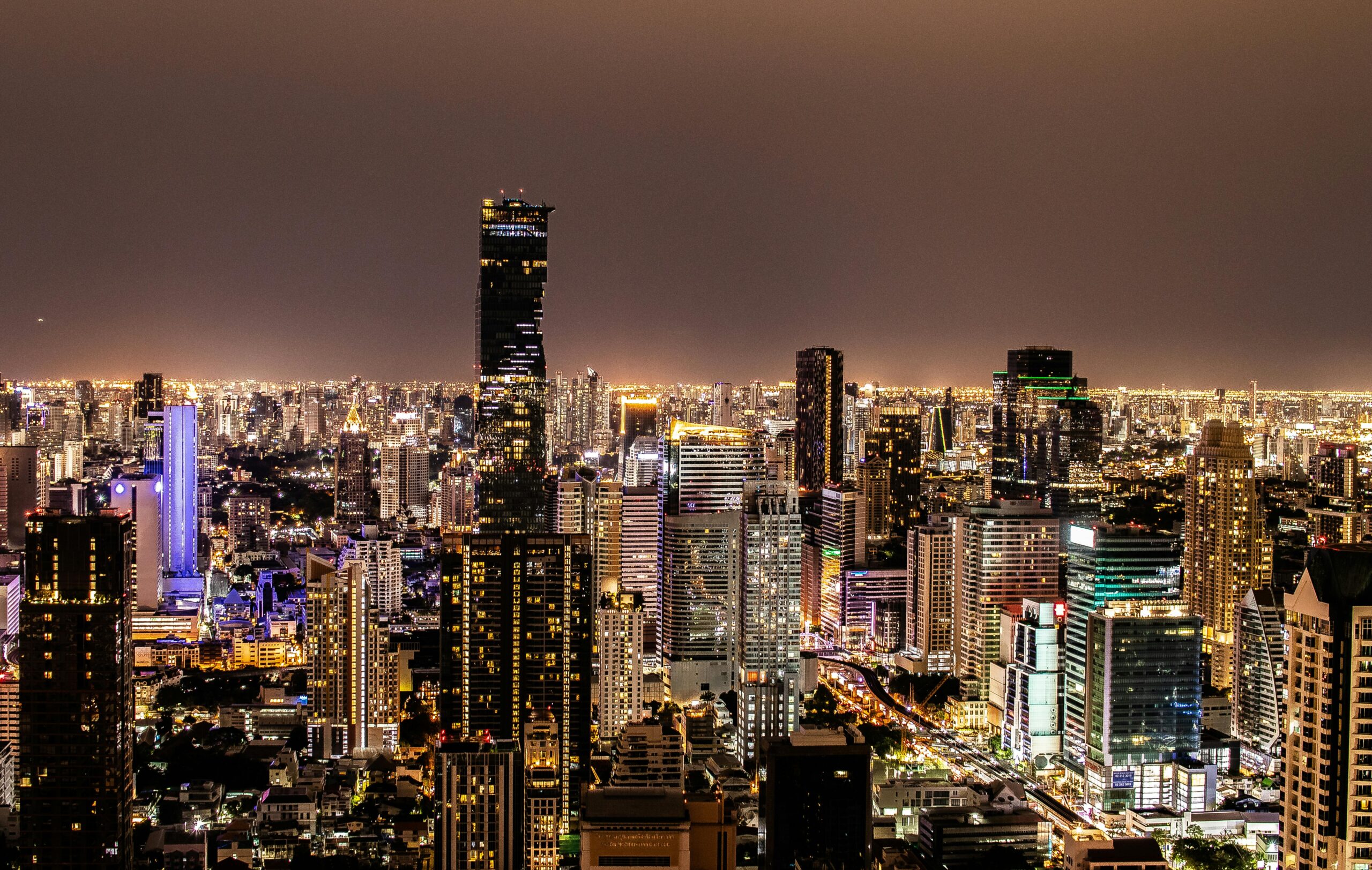
Month-by-month travel planner
Breaking Bangkok down by month helps you match personal preferences to weather, crowds, and events. These observations reflect typical patterns reported by national tourism and meteorological authorities.
- January–February: Coolest months with low rainfall. Ideal for long walks, temple visits, and river cruises. Expect high demand from international tourists and higher accommodation rates.
- March–April: Temperatures rise, peaking in April. Songkran (Thai New Year, mid-April) brings festive water celebrations—great for cultural immersion but expect large crowds and some transport disruptions.
- May–June: Transition to the rainy season begins. Rain becomes more frequent but often arrives as afternoon storms. Prices may start to dip after Songkran crowds fade.
- July–August: Monsoon continues with regular showers. Museums, shopping malls, and indoor attractions are comfortable alternatives on wet days. International visitor numbers drop compared with the high season.
- September–October: Among the wettest months; flooding is possible in low-lying areas after sustained heavy rain. Airfares and lodging tend to be more affordable in this shoulder-to-low season period.
- November–December: Monsoon recedes and the cool season returns. Clearer skies and lower humidity make this a preferred window for visiting; hotels and attractions can be busy, especially around the December holidays.
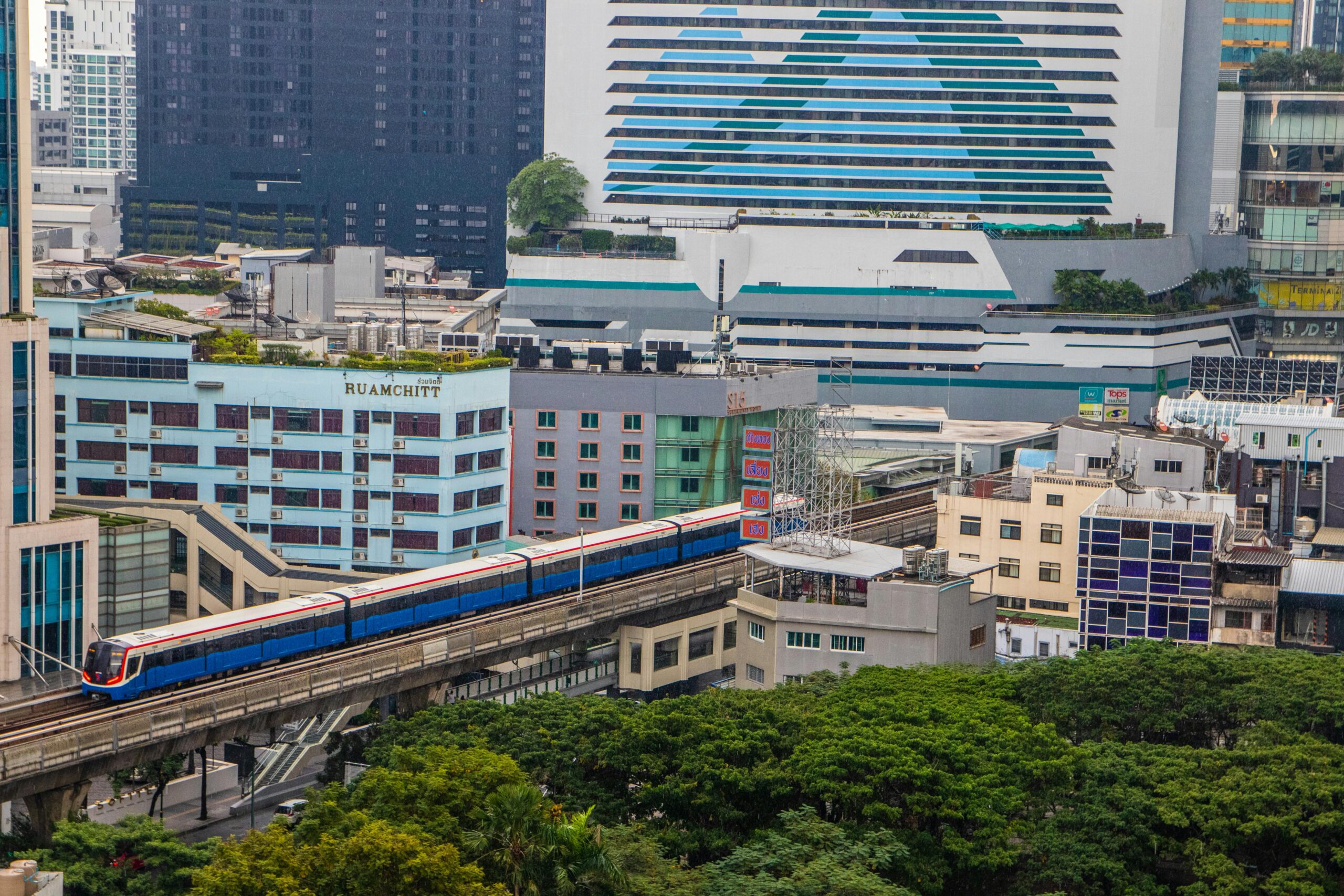
Crowds, festivals and tourist season timing
Bangkok tourist season peaks in the cool months when weather is most comfortable. Expect the busiest periods between late November and early February, and especially over Christmas and New Year. Major cultural dates—Songkran in April and Loy Krathong in November—also draw domestic and international visitors.
Peak season means full hotels and longer lines at popular attractions like the Grand Palace and Wat Pho, but it also brings vibrant nightlife, open-air markets, and the best conditions for walking tours and rooftop dining. If avoiding crowds is important, target shoulder seasons when many tour operators still run services but overall visitor numbers are lower.
Bangkok travel cost: budgeting by season
Bangkok remains one of Southeast Asia’s most budget-friendly capitals, but costs vary by season. Accommodation rates and flight prices are highest during the November–February peak. Booking several months in advance for travel in this window can reduce costs.
- Accommodation: Expect premium rates in high season; look for deals in shoulder months and the rainy season.
- Flights: Airline demand rises in cooler months; use fare alerts and mid-week searches to find better prices.
- Daily expenses: Street food, public transport and many cultural sites remain very affordable year-round, though special festival events can add premium ticket costs.
For up-to-date short-term forecasts and planning around weather-sensitive activities, consult a reliable weather service before finalizing outdoor itineraries.
Where to stay, how to get around, and what to pack
Choose a neighborhood that aligns with priorities: Sukhumvit for nightlife and expat dining, Silom for central access and markets, Old City (Rattanakosin) for temple proximity, and Riverside for scenic hotels and easy river boat access. Bangkok’s traffic can be heavy, so staying near an airport rail link or BTS/MRT station saves time.
- Packing essentials: light breathable clothing, a compact umbrella, comfortable walking shoes, sunscreen, and a reusable water bottle. For temple visits bring modest clothing—shoulders and knees covered.
- Transport tips: Use the BTS Skytrain and MRT subway to avoid road congestion. River taxis are efficient for certain routes and offer pleasant views. Rideshares and taxis are inexpensive but allow extra time during peak hours.
- Health and safety: Stay hydrated, be cautious with street food if you have a sensitive stomach, and carry digital and paper copies of important documents.
FAQs
When is Bangkok least humid?
Humidity is generally lowest during the cool/dry season from November to February. Even then, mornings and evenings feel more comfortable than mid-afternoons, which can still be warm. If humidity is a major concern, plan outdoor activities for early morning or late afternoon.
Can I avoid heavy rain by traveling in November?
Yes. November typically marks the transition out of the monsoon and into the dry season. While isolated showers are still possible, rainfall frequency and intensity drop significantly compared with the peak rainy months of September and October.
How much should I budget per day in Bangkok?
Daily travel costs vary by travel style. Budget travelers can manage on modest sums by using public transport and street food, while mid-range travelers should account for comfortable hotels, occasional taxis, and paid attractions. Costs rise during the high season due to higher accommodation and flight prices.
Are major attractions open during festivals like Songkran?
Most major temples and attractions remain open during festivals, but hours may change and sites can be very crowded. During Songkran, some businesses close for family celebrations or to participate in water festivities. Plan ahead and check official attraction schedules if you have specific sites to visit.
Is Bangkok safe to visit during the rainy season?
Yes, Bangkok is generally safe year-round. During the rainy season expect short-lived storms and occasional localized flooding in low areas. With sensible packing (rain gear) and flexible scheduling, you can still enjoy museums, markets, and indoor attractions.
Conclusion
Choosing the best time to visit Bangkok depends on whether you prioritize cooler weather, cultural festivals, lower travel costs, or fewer crowds. For most visitors the November–February window offers the most comfortable conditions for outdoor sightseeing, while shoulder months balance better prices and lighter crowds. The rainy season brings trade-offs—fewer tourists and lower costs but higher chance of heavy showers.
Use this guide alongside official tourism updates and weather forecasts to fine-tune dates for your trip. Thoughtful timing and a flexible itinerary will help you make the most of Bangkok’s temples, markets, cuisine, and riverside charm.
For background on Bangkok’s history and key statistics consult the city’s encyclopedia entry, and check real-time weather information before departure to finalize packing and activity plans.
detailed forecasts and conditions