Deciding on the best time to visit Singapore depends less on temperature and more on your tolerance for rainfall, crowds, and festival timing. The best time to visit Singapore is usually between February and April when rainfall is lower, humidity is slightly more bearable and outdoor events are plentiful—ideal for first-time visitors who want mostly dry days for sightseeing.
This guide explains Singapore weather patterns, high and low tourist seasons, how costs and crowds shift through the year, and practical month-by-month advice so you can match your trip to what matters most: festivals, savings, or sunny days. Data and seasonal trends here draw on official tourism guidance and meteorological reporting for reliable planning.
When is the best time to visit Singapore?
Singapore is an equatorial city-state with little temperature variation year-round. Daytime highs typically sit between 29–32°C (84–90°F) and nights rarely drop below 24°C (75°F). Because temperatures are steady, the “best” season is defined by rainfall patterns and event calendars. For many travelers, February to April is the sweet spot: relatively drier weather, fewer heavy monsoon downpours, and many outdoor attractions operating at full capacity.
If you prefer to avoid large crowds and want lower travel costs, consider visiting during the Southwest Monsoon window from June to September, excluding the Singapore Grand Prix weekend in September. Conversely, if cultural festivals and city vibrancy are your priorities, plan around Chinese New Year (January or February) or the year-end holiday season, but be prepared for higher prices and busier attractions.
Understanding Singapore weather and seasonal patterns
Singapore’s climate is governed by two monsoon seasons and two inter-monsoon periods. The Northeast Monsoon (roughly December to early March) tends to bring more sustained rain, especially in December and January. The Southwest Monsoon (June to September) generally features slightly drier weather but can still produce intense afternoon thunderstorms. Inter-monsoon periods in April–May and October–November often have short, sharp thunderstorms, particularly in the late afternoon.
For current forecasts and month-by-month climate averages, consult a reputable weather service for up-to-date conditions before travel: detailed seasonal forecast.
Peak tourist season, events and how they affect crowds
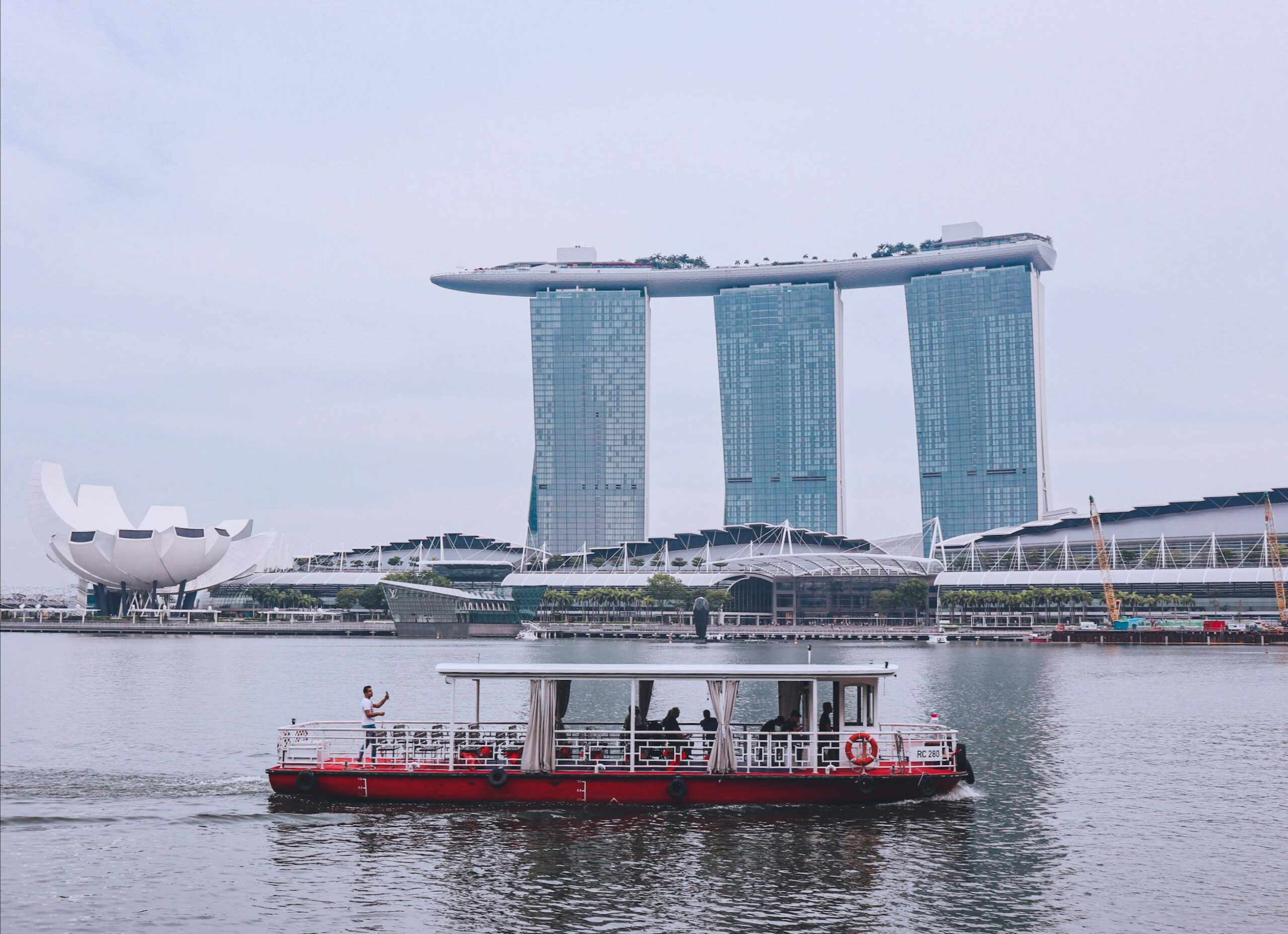
Singapore’s busiest travel periods align with global holidays and marquee events. December sees increased visitors for year-end festivities and shopping; late August to early September peaks around National Day (August 9) and warmer weather celebrations; and September’s first half can spike due to the Formula 1 Singapore Grand Prix weekend, when hotel rates rise sharply and attractions are crowded.
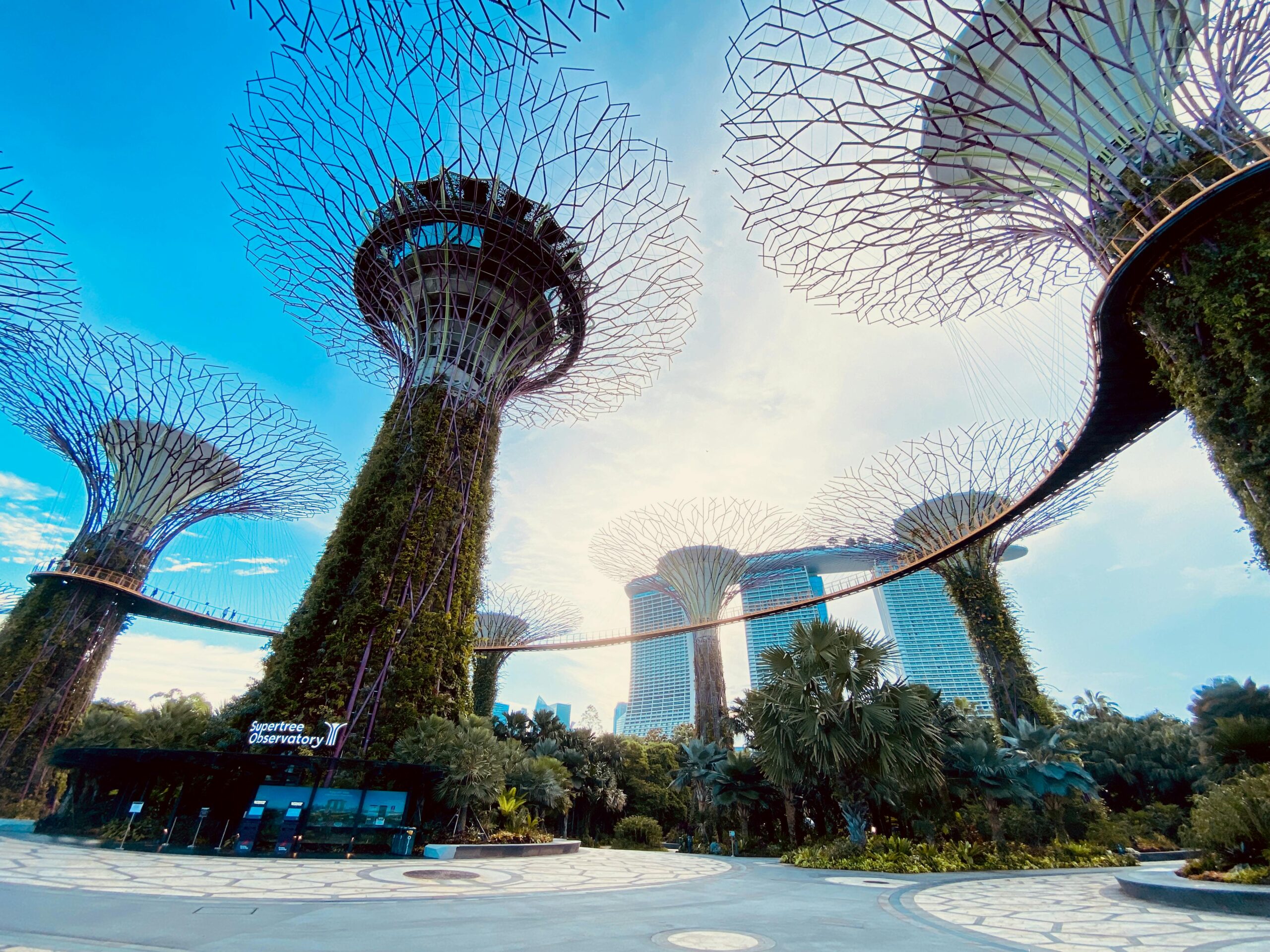
Conversely, March–April and May–June (outside festival weekends) are quieter, making them attractive for travelers who want shorter queues at places like Gardens by the Bay, Sentosa, and the Museum District. For an overview of Singapore’s national profile and demographics that shape visitor patterns, an authoritative summary is available here: background on Singapore.
Month-by-month travel guide
This month-focused guide highlights weather, crowd expectations and notable events so you can pick the best window for your interests.
- January: Northeast Monsoon brings frequent rain and humidity. Chinese New Year often falls in Jan/Feb—expect crowds and higher prices but lively cultural festivities.
- February: Rain starts to taper for many travelers; still warm. Good month for visiting cultural neighborhoods and outdoor dining when showers hold off.
- March: Transition to slightly drier weather; comfortable for walking tours and outdoor parks. School holidays can lift domestic tourism.
- April: Inter-monsoon period with occasional thunderstorms; generally pleasant for city exploring between showers.
- May: Hotter and more humid with periodic storms. Great for indoor attractions, museums and culinary experiences.
- June–August: Southwest Monsoon brings more stable mornings with possible afternoon storms. June and July often host the Great Singapore Sale and mid-year deals—good for bargain hunters.
- September: Formula 1 weekend drives a sharp peak in tourism and prices. Outside the race, late-month weather is usually agreeable.
- October–November: Inter-monsoon and early Northeast Monsoon signaling increasing rainfall. Perfect if you prefer fewer crowds and lower airfare.
- December: Busy holiday season with festive lighting and events. Expect higher costs and book well in advance for hotels and key attractions.
Practical tips: packing, neighborhoods and daily budget
Packing for Singapore emphasizes comfort in warm, humid conditions and readiness for sudden rain. Carry a light waterproof jacket or travel umbrella, breathable clothing, comfortable walking shoes, and a reusable water bottle (tap water is safe to drink). Sun protection—hat, sunglasses and sunscreen—is essential even on cloudy days.
Neighborhoods to consider by traveler type:
- Marina Bay & Downtown Core — close to iconic sights, ideal for first-time visitors and those who want luxury hotels.
- Orchard Road — shopping and mid- to high-range hotels.
- Chinatown, Little India & Kampong Glam — budget-friendly stays, cultural food and markets.
- Sentosa — resort island for families and beach-focused travelers.
Daily travel cost estimates (typical per person, approximate):
- Budget travelers: S$40–80 (USD 30–60) — hostel dorms, hawker meals, discounted transit.
- Mid-range travelers: S$120–250 (USD 85–185) — 3–4 star hotels, mix of hawker and restaurant meals, occasional tours.
- Luxury travelers: S$300+ (USD 220+) — 5-star hotels, fine dining and guided experiences.
Public transit is efficient and affordable. A single MRT ride typically costs S$0.80–2.50 depending on distance; day passes and top-up cards reduce per-ride costs for active sightseers.
How rainfall and humidity affect sightseeing
Short, intense tropical showers are common, often concentrated in late afternoons during inter-monsoon months. These downpours can be heavy but brief—planning indoor attractions or a flexible afternoon schedule helps you avoid disruption. Many outdoor attractions (botanic gardens, rooftop terraces) are still enjoyable in light rain, but heavy storms can temporarily close certain open-air viewing platforms.
To maximize sunny windows, book highly weather-sensitive activities (Singapore Zoo breakfast programs, outdoor night safaris, and rooftop bars) early in the day and leave museum visits or shopping for potential rainy slots.
FAQs
What is the driest month in Singapore?
February through April are generally the driest months, with February often cited as having relatively fewer heavy rains. However, short showers can still occur during any month.
Is Singapore expensive to visit compared to other Asian cities?
Singapore leans toward the higher end among Southeast Asian destinations, especially for accommodation and fine dining. Budget travelers can manage costs by using public transport, eating at hawker centers and booking accommodations early.
When does the Singapore Grand Prix take place and how does it affect travel?
The Singapore Grand Prix is usually held in September. It creates a sharp spike in hotel rates, sold-out rooms, and crowded public spaces during race weekend, so book long in advance if you plan to visit then.
Are outdoor attractions open year-round despite the monsoons?
Yes—most parks, gardens, and outdoor attractions remain open year-round. Some attractions may temporarily pause certain activities during severe weather, but indoor alternatives are widely available across the city.
Can I expect consistently high humidity throughout my stay?
Yes. Singapore is humid year-round, with humidity often above 70%. Lightweight, moisture-wicking clothing and frequent hydration make sightseeing more comfortable.
Conclusion
Choosing the best time to visit Singapore comes down to balancing weather, crowds and personal priorities. For mostly dry weather and easy outdoor exploration, aim for February to April. For lower rates and fewer tourists, consider travel during the Southwest Monsoon months (June–September) while avoiding the Grand Prix weekend. If cultural festivals and a lively atmosphere are your goal, time your visit for Chinese New Year or the year-end season, but expect higher prices.
Whichever period you choose, Singapore’s compact size, efficient public transit, and a wide mix of indoor and outdoor attractions make it a flexible destination year-round. Plan around rainfall windows, book accommodations for peak events early, and pack for heat and humidity so you can enjoy the city’s gardens, neighborhoods and food scene without surprises.