Deciding the best time to visit Kyoto depends on what you most want to experience: cherry blossoms, vibrant autumn colors, traditional festivals or quieter temple visits. This guide draws on official tourism trends and authoritative climate sources to help you choose the ideal month for your trip and plan around Kyoto weather, crowds and costs.
Below you’ll find a practical month-by-month breakdown, crowd and budget advice, and travel tips tailored to different traveler priorities. Use these seasonal insights to shape an itinerary that matches your comfort level and interests while making the most of Kyoto’s cultural highlights.
When is the best time to visit Kyoto: overview
For many travelers the consensus answer is spring (late March–April) and autumn (mid‑October–November) because of the spectacular cherry blossoms and fall foliage. These windows combine mild Kyoto weather with iconic scenery around temples, shrines and gardens. However, they are also the busiest periods in terms of visitor numbers, so expect higher prices and crowded sites.
If you prefer lower costs and fewer people, consider late autumn into early winter, or the shoulder months of May (after Golden Week) and September (after typhoon season peaks). Kyoto’s seasonal rhythms—rainy season in early summer, hot humid summers, chillier winters—affect not only comfort but also which festivals and events are happening.
For a concise cultural and historical overview of the city, you can consult an authoritative reference such as Kyoto on Wikipedia to place seasonal choices in context of local attractions and heritage sites.
Month-by-month guide: what to expect
Understanding what each month typically offers lets you match sightseeing priorities with realistic expectations. This month-by-month summary focuses on crowd levels, notable natural displays and festival highlights so you can pick dates that suit your travel style.
- January–February: Winter is cool and quiet. Temples are peaceful and accommodation prices are often lower. Snow is uncommon but possible on cold spells.
- March–April: Cherry blossom season peaks from late March through early April (timing varies year to year). This is a top tourist season with large crowds around parks, riverbanks and temple gardens.
- May: Pleasant temperatures after the spring rush; Golden Week (late April–early May) draws domestic travelers, so avoid those specific dates if possible.
- June: The rainy season (tsuyu) usually arrives in early June and lasts a few weeks. Rain reduces crowds but brings humidity and occasional cancellation of open-air events.
- July–August: Hot, humid summers with festival highlights such as Gion Matsuri in July. Obon in mid‑August is a busy travel time domestically.
- September: Transition month; typhoons can appear early in the month. Later September becomes more comfortable and less crowded.
- October–November: Autumn foliage typically peaks in mid‑November and draws many visitors. Temperatures are mild and outdoor viewing is excellent.
- December: Cooler temperatures return and crowds thin except around New Year’s. Many shrines are lively for Hatsumode (New Year visits).
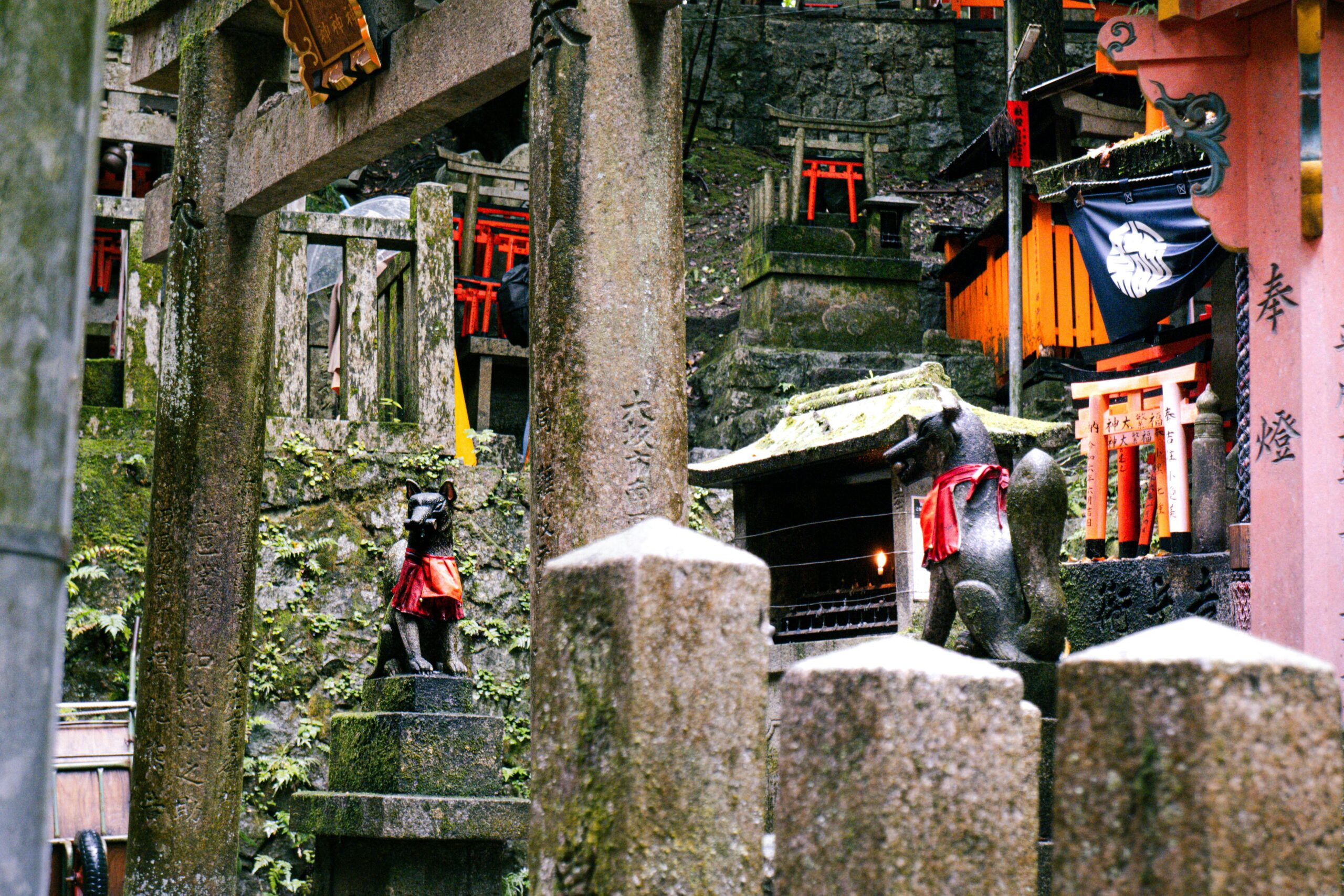
Kyoto weather: climate patterns and packing tips
Kyoto’s climate shows four distinct seasons: a mild spring, a hot humid summer, a comfortable autumn and a cool winter. Average daily conditions vary: spring and autumn days often range from comfortable to mild, while summer can be sweltering with high humidity and occasional thunderstorms. Winters are generally dry and cool, with temperatures dipping near freezing on the coldest days.
Before you travel, check current forecasts: an up-to-date weather service will give precise short-term details and expectations for precipitation and temperatures. For climate normals and longer-range information, see the most recent reports from major weather authorities such as Weather.com.
Packing suggestions by season:
- Spring: Lightweight layers, a waterproof jacket for unpredictable showers, and comfortable walking shoes for temple gardens.
- Summer: Breathable fabrics, sun protection and a compact umbrella for sudden showers. Plan indoor or evening activities to avoid peak afternoon heat.
- Autumn: Layered clothing for cool mornings and warm afternoons; a light jacket for evening temple visits.
- Winter: Warm coat, hat and gloves for temple courtyards and crisp early mornings; many attractions remain open but may feel colder after sunset.
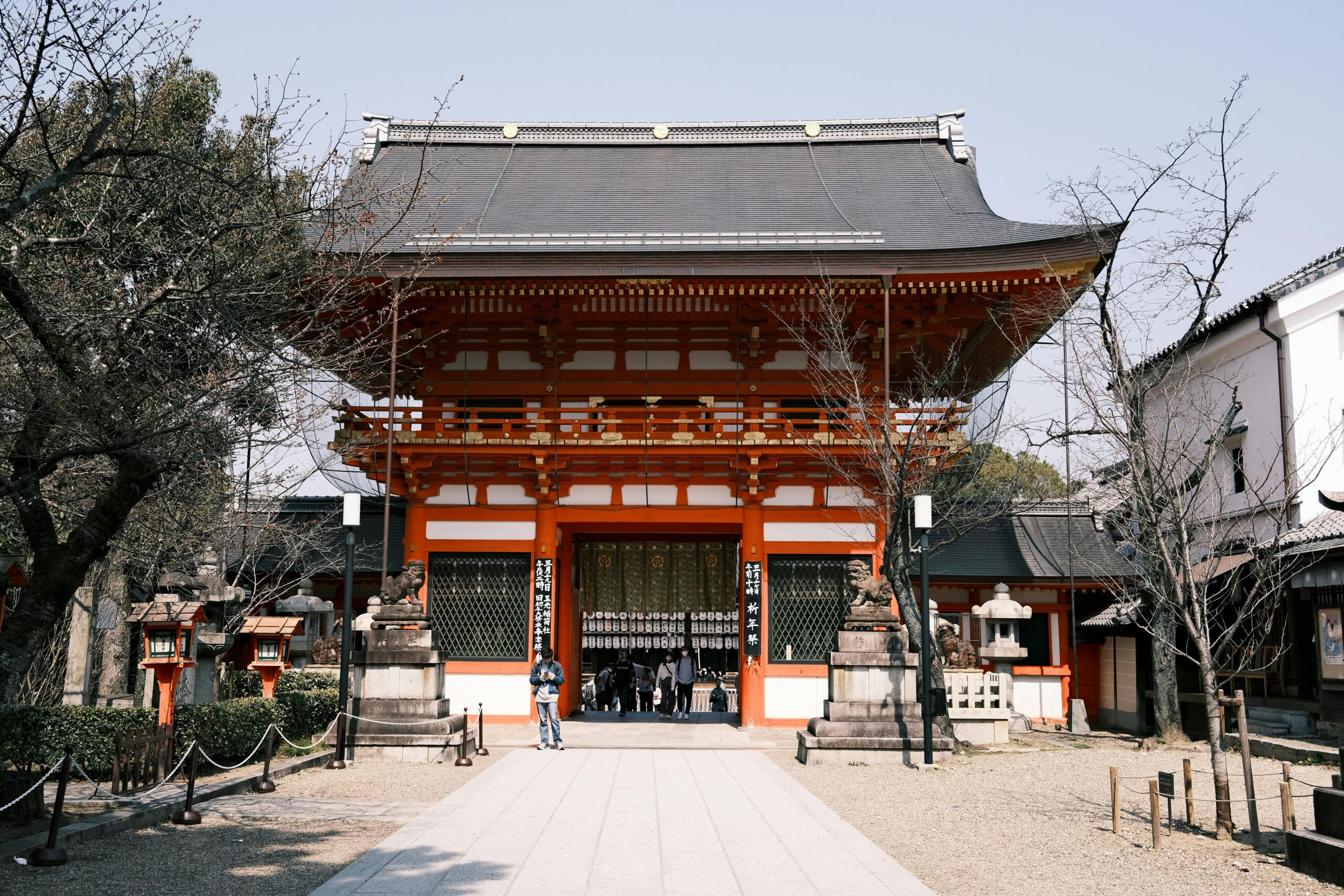
Kyoto tourist season and crowd management
Peak tourist seasons in Kyoto center on cherry blossom and autumn foliage windows, plus major national holidays like Golden Week and Obon. Temples such as Kiyomizu‑dera, Fushimi Inari and the Arashiyama bamboo grove become particularly crowded during those periods.
To manage crowds, consider these strategies:
- Visit popular sites early in the morning or late afternoon when light is best and visitor numbers drop.
- Book accommodations and major activities well in advance for spring and autumn travel dates.
- Include lesser-known temples and neighborhoods in your itinerary — Kyoto offers many quieter temples, local markets and residential districts with authentic charm.
- Use timed-entry tickets where available and avoid weekend travel through core sightseeing districts when possible.
Kyoto travel cost: budgeting for your trip
Costs vary considerably by season, accommodation style and dining choices. Like most popular destinations, prices tend to rise during peak tourist windows. Knowing where your spending will go helps set realistic expectations for a Kyoto trip.
Typical cost categories and considerations:
- Accommodation: Hostels and guesthouses are the most budget-friendly; mid-range ryokan and hotels provide more comfort, and high-end traditional inns offer premium experiences. Rates spike during cherry blossom and autumn foliage seasons.
- Food: Kyoto has a wide range of dining options, from inexpensive street food and casual eateries to kaiseki tasting menus that command higher prices. Sampling local specialties such as obanzai and matcha sweets can be done on varied budgets.
- Transport: Local buses and subways are economical. A prepaid IC card simplifies short journeys. Day trips by regional rail add to costs but are efficient for neighboring destinations like Nara or Uji.
- Attractions and tours: Temple entry fees are usually modest, but guided experiences and seasonal events can increase per-day spend.
As a planning rule, travel costs will be highest during the busiest months when accommodation and flights are in demand, so adjust your budget or travel dates if cost control is a priority.
How to choose the best time based on your priorities
Your ideal travel window depends on whether you prioritize scenery, festivals, lower cost or milder weather. Use this quick planner to match priorities with recommended months.
- Cherry blossom photography and atmosphere: Late March–early April. Reserve lodging early and expect large crowds.
- Autumn foliage and comfortable days: Mid‑October to late November. Peak leaf color typically arrives in mid‑November but varies with elevation and yearly conditions.
- Lower cost and fewer tourists: January–February or late May (outside Golden Week) and September (after any typhoons).
- Festivals and local events: July for Gion Matsuri and various summer festivals; August for Obon traditions though it is busy domestically.
- Cool, quiet temple visits: Winter months when gardens are still attractive and visitor numbers drop substantially.
Practical tips: bookings, transport and day trips
Practical planning can substantially improve your Kyoto experience regardless of season. Consider the following points when you finalize dates and bookings.
- Reserve accommodations early for peak months and festival dates to secure preferred neighborhoods near central transport hubs.
- Buy train tickets or passes in advance where applicable for intercity travel, and keep a prepaid IC card for local buses and subways to avoid queueing for cash fares.
- Plan popular temples and gardens for early morning visits; pair indoor activities, museums or covered markets during peak afternoon hours in summer rain or heat.
- Allow time for at least one nearby day trip — options include Nara for deer and giant temples, Uji for matcha experiences, or the rural hills around Kifune and Kurama for hikes and scenic shrines.
- Respect local rules at cultural sites: modest clothing at shrines, quiet photography where requested, and adherence to line systems for torii gates and narrow pathways.
FAQs
When do cherry blossoms typically bloom in Kyoto?
Cherry blossom timing varies annually with temperatures but generally peaks from late March to early April. Local forecasts and flower-tracking updates can narrow the window closer to your travel dates.
Is Kyoto very hot in summer?
Yes. Summer in Kyoto can be hot and humid, particularly July and August. Plan indoor activities, stay hydrated, and schedule temple and garden visits for cooler morning or evening hours.
How expensive is a typical day in Kyoto?
Daily costs depend on accommodation and dining choices: budget travelers can keep costs lower using guesthouses and casual meals, while mid-range and luxury travelers will see higher daily averages. Prices generally increase during peak tourist seasons like cherry blossom and autumn foliage.
Are there times to avoid because of crowds?
Avoid Golden Week (late April–early May), cherry blossom peak dates, and mid‑November foliage peak if you want to minimize crowds. Weekends during festival periods can also be busier than weekdays.
Can I visit temples and gardens year-round?
Most temples and gardens remain open throughout the year, though some sites may have limited hours in winter or special closures for maintenance. Seasonal events and displays often dictate the best times for visiting specific sites.
Conclusion
Choosing the best time to visit Kyoto means balancing scenery, crowds, weather and budget. Spring and autumn offer Japan’s most celebrated natural displays but require early planning and flexible expectations about crowds and costs. Summers highlight vibrant festivals but bring heat and humidity, while winter provides quieter temples and often lower prices.
Assess what matters most—peak scenery, festivals, lower travel costs or milder weather—and use the month-by-month suggestions and practical tips above to build an itinerary that fits your priorities. With a little timing and planning, Kyoto rewards visitors year-round with rich culture, timeless temples and memorable seasonal beauty.