Deciding the best time to visit San Francisco comes down to what you want from the trip: warm sunshine for sailing in the bay, crisp mornings for hiking the Presidio, or lighter crowds and lower prices. The city’s reputation for unpredictable weather means the ideal month for one traveler might be inconvenient for another. This guide condenses official tourism data and seasonal trends to help you choose the right time for your priorities.
Below you’ll find a practical breakdown of San Francisco weather patterns, tourist seasons, typical travel costs, and the events that shape each month. Recommendations are grounded in publicly available climate records and tourism reporting so you can plan with confidence.
When to go: an overview
San Francisco’s climate is classified as Mediterranean, but the strong maritime influence produces noticeable variation across neighborhoods. If you prioritize mild temperatures and long daylight hours, late summer and early fall (August–October) are often the most pleasant overall. For visitors who want the warmest, sunniest days, September in particular tends to deliver clearer skies and less fog than July and August.
If avoiding crowds and finding lower airfare and hotel rates is important, consider traveling in the shoulder seasons: mid-April to early June or November. Winter months (December–February) offer the lowest accommodation prices and are still mild compared with much of the United States, though you should expect more rain and shorter daylight hours.
Weather patterns and microclimates
San Francisco weather is famous for its microclimates: it can be foggy and cool near Ocean Beach while sunny and 10°F warmer in the Mission District on the same afternoon. Summer fog is driven by cool ocean currents and is most common in late spring and early summer, particularly June and July. Inland areas and south-facing neighborhoods warm up more quickly as the day progresses.
Temperatures typically range from the mid-40s°F (around 7°C) overnight to mid-60s°F (around 18°C) during the day, but pockets of the city routinely see temperatures into the 70s. Rain is seasonal, concentrated mainly from November through March; snow is virtually unheard of in the city itself. For up-to-date forecasts and historical climate data you can consult a major weather resource for planning specific dates.
Crowds and tourist seasons
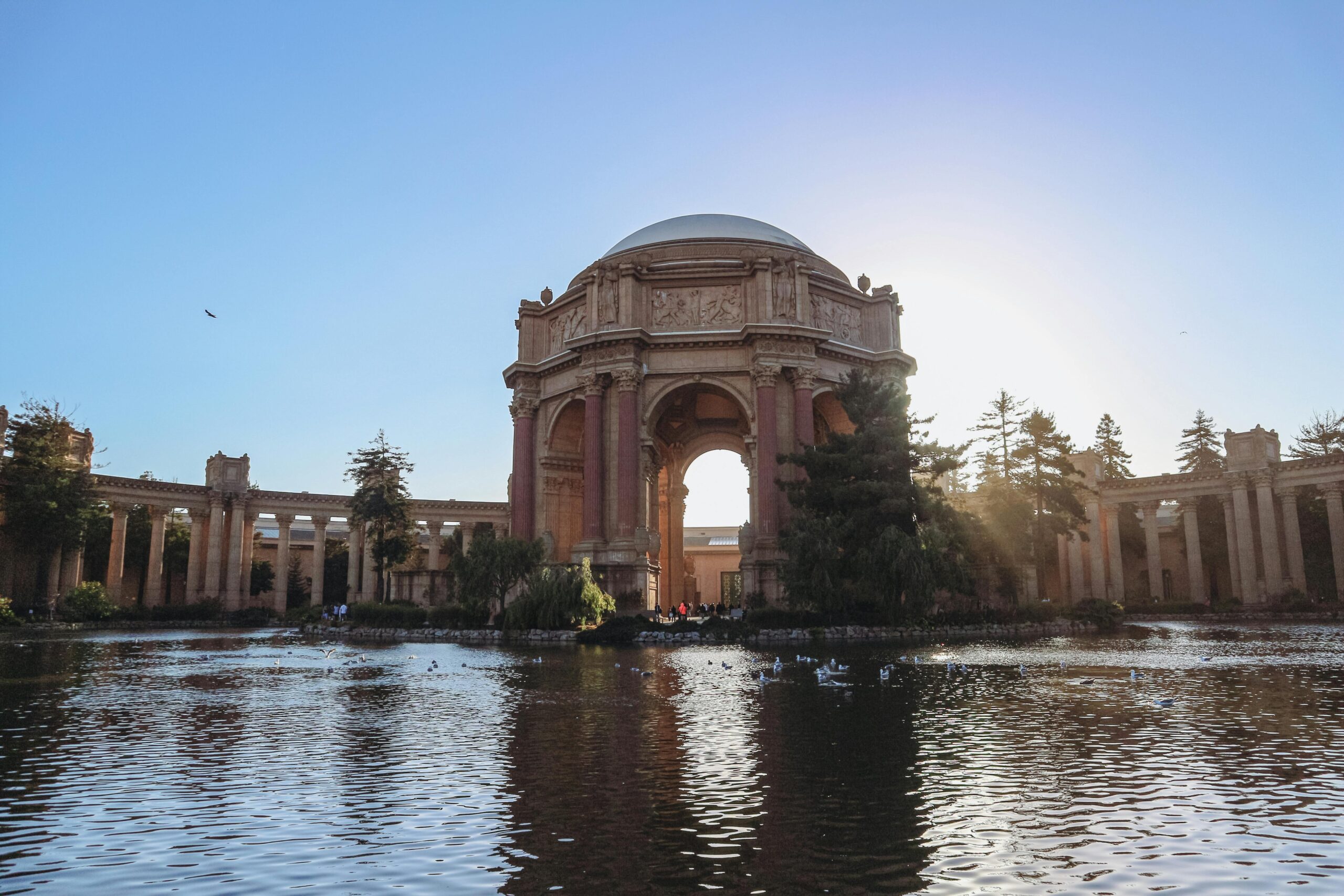
San Francisco tourist season peaks in summer months when families travel and international visitors arrive in greater numbers. Popular attractions such as Alcatraz, the Golden Gate Bridge viewpoints, and Pier 39 see higher visitor volumes, which can mean sold-out tours and longer wait times. If you want to minimize time in lines, visit on weekdays and book major activities in advance.
Shoulder seasons—spring and fall—offer a balance of decent weather and fewer visitors. Winter is the least crowded, and while some attractions operate reduced hours, you’ll find more flexible reservations and often friendlier local service. For a concise city overview and background on neighborhoods, a reputable encyclopedia page can be a useful reference when researching where to stay.
San Francisco travel cost by season
San Francisco travel cost varies with demand. Expect the highest hotel rates and flight prices in June through August and around major holidays like Thanksgiving and Christmas. Shoulder seasons (April–May and September–October) generally offer better value without a significant sacrifice in weather quality. Winter can provide the deepest discounts on lodging but watch for occasional premium pricing around conventions or special events.
Budget items to plan for include transit (Muni and BART), attraction fees (Alcatraz tours, museum admissions), and dining. Plan a daily budget that accounts for variable costs:
- Low budget: primarily public transit, casual meals, free attractions—plan conservatively.
- Mid-range: mix of paid attractions, occasional rideshare, mid-tier restaurants.
- High-end: private tours, fine dining, and frequent rideshares or car services.
Flexibility with travel dates and booking accommodations well in advance are the most reliable ways to manage San Francisco travel cost.
Events and festivals by season
San Francisco’s calendar is busy year-round. Spring showcases cultural festivals and outdoor events as weather improves, while summer and early fall bring big outdoor concerts, street fairs, and Pride celebrations. Winter hosts holiday lights, theater runs, and museum exhibition openings that attract both locals and visitors.
Major annual highlights to consider when choosing dates include parades and commemorative events, technology conferences that can spike hotel prices in specific weeks, and sport playoffs that draw crowds. If attending a specific festival is central to your trip, align your plans to book early and expect premium pricing during those windows.
Month-by-month quick guide
To make planning easier, here is a concise month-by-month summary that pairs typical weather with practical travel advice:
- January–February: Cool, wetter months. Fewer tourists and lower prices; pack waterproof layers and plan indoor activities.
- March–May: Spring brings more stable weather and blooming parks. Great for walking tours and outdoor markets before peak season.
- June–July: Often cool and foggy near the water; inland neighborhoods are warmer. Expect peak crowds and higher costs.
- August–September: Warmest, clearest stretch in many neighborhoods—September is a top pick for sun and calmer fog.
- October–November: Mild fall weather and thinner crowds make this another strong window for visits; some rain returns late in the period.
- December: Holiday atmosphere and seasonal programming; good deals on lodging outside major holiday weekends.
Practical packing and planning tips
Layering is essential no matter when you travel. A light base layer, a warm mid-layer, and a windproof outer shell cover most conditions. Comfortable shoes are a must for hills and uneven surfaces. Carry a compact umbrella during winter months and a small daypack for essentials when exploring neighborhoods.
Transportation planning helps save time and money: buy a Clipper card or plan for app-based transit passes, and consider a multi-day transit pass if you’ll move around a lot. Advance reservations are recommended for popular tours and restaurants, and checking a reliable forecast source before departure will help you adapt packing and daily plans accordingly.
For granular, up-to-the-minute weather information and extended forecasts useful during trip planning, consult an authoritative weather provider to confirm conditions as your travel dates approach.
FAQs
What is generally considered the best month to visit San Francisco?
Many locals and experienced visitors point to September as the most consistently pleasant month: fog tends to retreat, temperatures warm, and crowds can be lighter than mid-summer. However, personal priorities—such as attending specific events or finding lower rates—can make other months more suitable.
How should I prepare for San Francisco’s microclimates?
Plan to layer clothing and carry a lightweight windbreaker. Check forecasted temperatures for the specific neighborhoods you’ll visit, as weather near the ocean and in inland districts can differ significantly on the same day.
When are hotel prices lowest in San Francisco?
Hotel rates are typically lowest in the winter months (excluding holiday weeks) and some weekdays during off-peak seasons. Booking early and avoiding major conference dates will also help secure better rates.
Is it worth visiting during the summer despite the fog?
Yes—summer still offers many advantages, including longer hours of daylight, outdoor concerts, and full attraction schedules. If you want guaranteed sun, aim for late August and September or choose inland neighborhoods that warm earlier in the day.
How far in advance should I book popular activities like Alcatraz?
Popular tours such as Alcatraz often sell out weeks or months in advance during peak season. For flexibility and availability, book tickets and any high-demand restaurants or experiences as soon as your travel dates are confirmed.
Conclusion
Choosing the best time to visit San Francisco depends on whether you prioritize weather, cost, or crowd levels. For the sunniest days with a good balance of crowds, late summer and early fall (especially September) are recommended. For lower travel costs and quieter attractions, winter and the shoulder months are appealing. Use neighborhood-specific forecasts and event calendars to refine your dates, and pack layers to handle the city’s famous microclimates.
For a general background on the city and neighborhoods, consult a well-maintained encyclopedia entry, and check a trusted weather provider for short-term forecasts as your trip approaches to make final adjustments to plans.
Explore the city overview for more context
Check the latest forecasts before you go