Deciding the best time to visit Vancouver depends on what you want from the trip: sun and outdoor adventures, festivals and nightlife, or smaller crowds and lower prices. Vancouver’s seasonal variety—mild, wet winters; warm, dry summers; and colorful shoulder seasons—means there’s no single perfect month for everyone, but timing your visit can dramatically affect weather, costs, and the experiences available.
Use this guide to weigh Vancouver weather, tourist seasons, travel costs, and practical tips so you can choose the right window for your priorities. For a quick city overview and historical context, consult the Vancouver page on Wikipedia.
Why timing matters: what changes with the seasons
Vancouver sits on the Pacific coast of British Columbia and is framed by mountains and water. That geography shapes not only the city’s scenery but also its weather patterns and visitor flow. Summer brings long days, beach time and outdoor festivals; winter brings rain and nearby alpine skiing; spring and fall offer fewer tourists and dramatic natural transitions.
When planning, think about these trade-offs: better weather often means higher Vancouver travel cost and larger crowds; off-peak months offer savings and more space but can limit outdoor activities. Your priorities—sightseeing, hiking, whale watching, or cultural events—will point you toward the best season for your trip.
Season-by-season breakdown: month-by-month highlights
Spring (March–May): Temperatures generally range from about 6–15°C (43–59°F). Rain decreases as the season progresses, and cherry blossoms and other blooms create attractive streetscapes. Spring is ideal for lower rates, quieter attractions, and outdoor pursuits as long as you expect some changeable weather.
Summer (June–August): This is Vancouver’s peak tourist season. Expect temperatures from roughly 15–25°C (59–77°F), mostly dry weather, and long daylight hours. Beaches, bike paths, and outdoor festivals peak in popularity. If you want guaranteed sun, book early—ferries, tours and accommodations fill fast.
Fall (September–November): Early fall can offer warm, pleasant days and fewer crowds; later months bring rain and cooling temperatures. Fall foliage is a draw in parks like Stanley Park and in nearby forests. Shoulder-season travelers can enjoy cultural events and better hotel deals without sacrificing too much outdoor access.
Winter (December–February): Vancouver winters are the mildest among major Canadian cities, with temperatures often between 0–8°C (32–46°F) in the city. Coastal rain is common; snowfall is infrequent downtown but frequent in nearby mountains, making Vancouver a good base for combining city time with skiing or snowboarding days. Expect lower travel costs and fewer tourists in the city during this season.
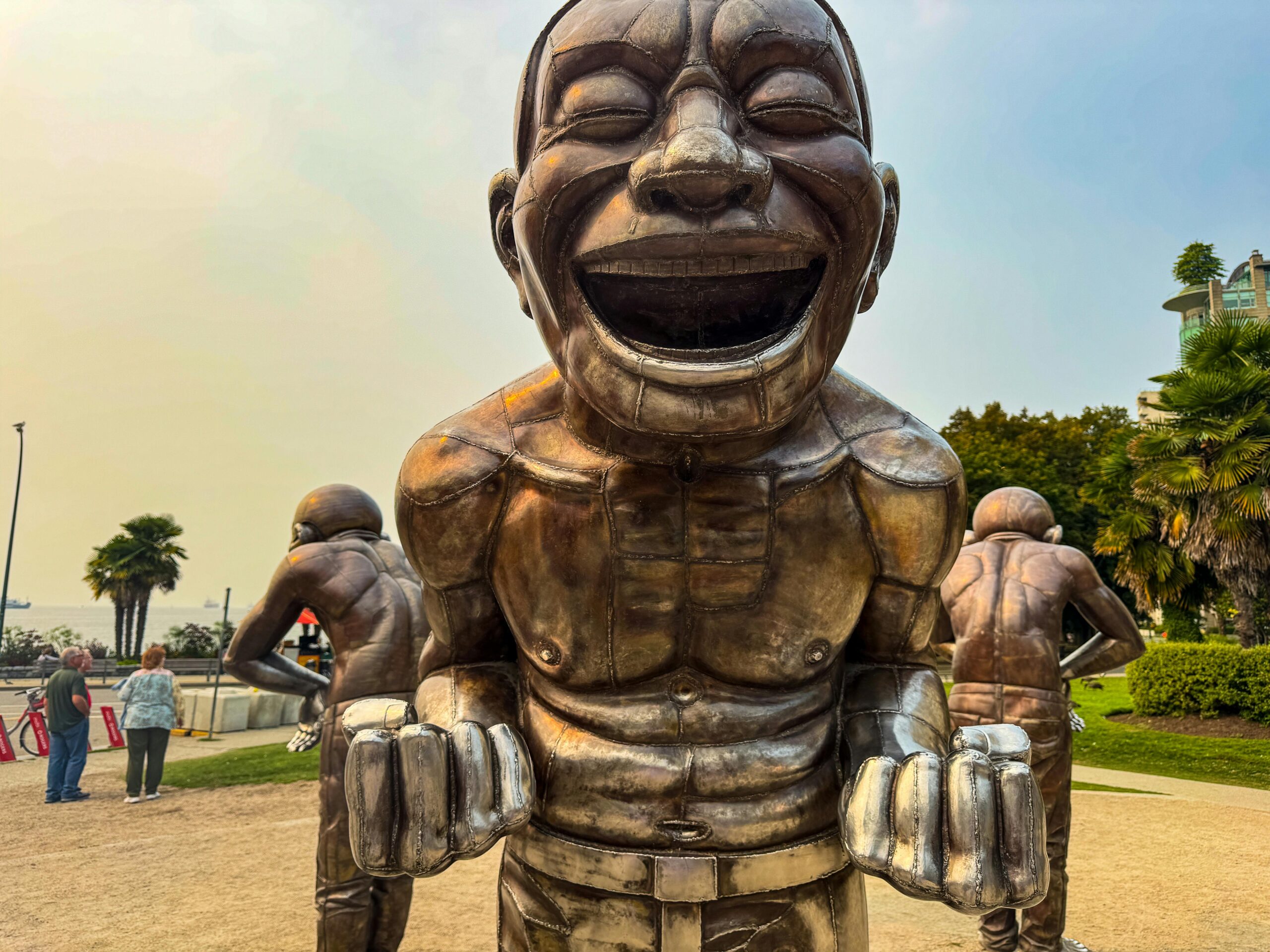
Vancouver weather in detail: what to expect and when
Understanding Vancouver weather by month helps you schedule activities. Summers are usually comfortable and dry—ideal for hiking, kayaking and exploring waterfront neighborhoods. Winters are cooler and much wetter; if you plan to spend time outdoors, a reliable waterproof jacket is essential. For up-to-date daily forecasts and long-range averages, check detailed forecasts and averages on Weather.com.
Microclimates matter: the downtown peninsula tends to be milder, while mountain areas such as Grouse, Cypress and Whistler (a couple of hours away) have their own snow and temperature profiles. If skiing is on your agenda, selecting winter months and monitoring snow reports is key; if hiking or cycling are priorities, late spring through early fall offers the most reliable conditions.
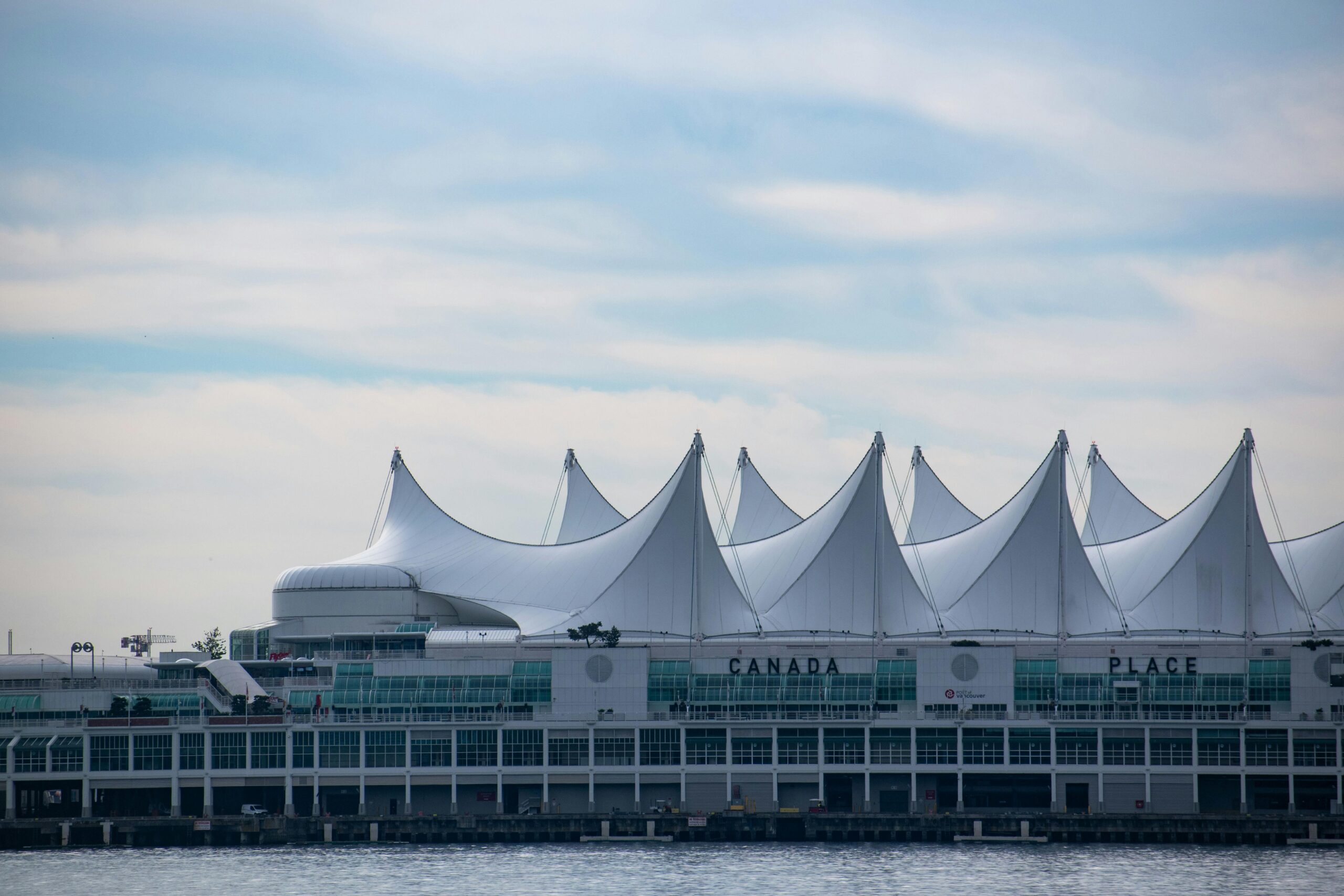
Vancouver tourist season and crowd patterns
The peak Vancouver tourist season runs from late June through August. Major attractions—Stanley Park, Granville Island, the seawall, Capilano Suspension Bridge—see their busiest months then. Cruises and ferries to Victoria and Gulf Islands also book up in summer.
Shoulder seasons (April–May and September–October) are often the best compromise: many tours still operate, the weather is frequently pleasant, and visitor numbers drop compared to July–August. Winter draws visitors interested in lower prices and access to nearby ski resorts, but expect more rain in the city and shorter daylight hours.
Vancouver travel cost: when you save and when you spend
Travel costs in Vancouver vary by season. Summer prices for flights and hotels usually peak due to demand. Expect premium rates for downtown hotels, especially during festivals such as the Vancouver International Jazz Festival and Celebration of Light fireworks competition.
To manage your budget, consider traveling in shoulder months when accommodations and airfare are often cheaper and attractions are less crowded. Booking mid-week stays, choosing neighborhoods outside the downtown core (like Mount Pleasant or Commercial Drive), and using transit rather than taxis can reduce daily expenses. For visitors combining outdoor activities with city time, a multi-day pass or bundled tour can deliver savings.
- High season (June–August): higher hotel and tour prices; book early.
- Shoulder season (April–May, September–October): moderate prices and fewer crowds.
- Low season (November–March): lowest accommodation costs, but expect rain and shorter days.
Practical tips: planning, packing and transport
Packing smart means preparing for changeable weather in shoulder and winter months. A breathable waterproof jacket, layers, and comfortable walking shoes are essentials year-round. Summer visitors should still pack a light layer for cool evenings and sunscreen for prolonged sun exposure on the seawall or beaches.
Getting around Vancouver is straightforward: TransLink operates buses, SkyTrain and SeaBus services that link neighborhoods, the airport, and nearby suburbs. Bikes and e-scooters are widely available for short trips in summer. If you plan excursions to nearby mountains, book shuttle or rental car services in advance, especially in ski season or during holiday weekends.
Day trips and activities by season
Summer highlights include walking or cycling the Stanley Park seawall, kayaking in False Creek, and day trips to Gulf Islands or Whistler. Whale-watching tours typically run from spring through autumn and are most reliable when sea conditions are calm.
In winter, the city’s mild climate pairs well with nearby alpine resorts for skiing and snowboarding. Nighttime events, holiday markets, and indoor museums offer cultural alternatives when the weather is wet. Shoulder-season travelers can enjoy hiking with fewer crowds, vineyard visits in the Fraser Valley, and cultural festivals that bookend peak season.
FAQs
What month is the warmest in Vancouver?
July and August are typically the warmest months, with daytime highs often in the mid-teens to mid-twenties Celsius (around 60s–70s Fahrenheit). These months usually have the driest weather and the most consistent sunshine for outdoor activities.
Is Vancouver very rainy in winter?
Vancouver experiences a wet winter season with frequent rain rather than prolonged snow in the city center. Snow is more common at higher elevations. Pack waterproof clothing and plan indoor activities for heavy-rain days; nearby mountains offer snow sports even when downtown remains rainy.
Are there good deals if I visit outside summer?
Yes. Shoulder and winter seasons generally offer lower accommodation and airfare prices. Traveling in April–May or September–October can reduce costs while still allowing access to many attractions; winter provides the deepest discounts but requires readiness for rain and shorter daylight.
When are peak tourist crowds in Vancouver?
Peak crowds occur in late June through August. Expect lines at popular attractions and busier dining reservations. If you prefer fewer people, aim for shoulder months or mid-week visits during summer.
Can I combine city time with skiing in the same trip?
Absolutely. Vancouver’s proximity to several ski areas makes it easy to pair urban sightseeing with alpine days. Cypress, Grouse, and Mount Seymour are close for day trips; Whistler is about two hours away and makes an excellent overnight or multi-day addition.
Conclusion
The best time to visit Vancouver depends on whether you prioritize fair weather, lower costs, or quieter attractions. Summers deliver the most reliable sunshine and outdoor programming but come with higher prices and larger crowds. Shoulder seasons provide a balanced option with fewer visitors and pleasant conditions for many activities, while winter is ideal for combining city culture with mountain snow sports at lower travel cost. Consider the activities you value most—beach time, hiking, festivals, or skiing—then use the seasonal breakdown and practical tips above to pick the timing that will make your Vancouver trip most rewarding.