Deciding on the best time to visit Auckland depends on what you want from your trip: warmer beach days, fewer crowds, or festival action. This guide explains seasonal weather, visitor patterns, costs, and practical tips so you can choose the ideal month for your Auckland visit.
Information in this article is based on official tourism data and seasonal travel trends, combined with climate summaries from authoritative sources to give a reliable, up-to-date overview for planning your trip to New Zealand’s largest city.
When to visit Auckland — quick overview
The best time to visit Auckland generally falls between late spring and early autumn (October to April) when temperatures are pleasant and outdoor activities are most enjoyable. Peak visitor months coincide with New Zealand’s summer school holidays, and that affects availability and prices for accommodation and tours.
Auckland’s location between two harbors gives it a maritime climate: warm summers, mild winters, and changeable weather from one day to the next. If you want a balance of good weather and moderate crowds, consider shoulder seasons such as late spring (October–November) and early autumn (March–April).
For a quick city orientation, the city’s full profile and history are summarised on Auckland’s Wikipedia page, which can help with planning cultural stops and understanding local geography: Auckland’s Wikipedia page.
Season-by-season guide
Summer (December–February): Longest days and warmest temperatures make summer the most popular time to visit. Expect daytime highs around 20–25°C (68–77°F). Beaches, sailing activities on the Hauraki Gulf, and outdoor festivals are at their peak. Because this is high season, book accommodation and tours well in advance.
Autumn (March–May): Early autumn offers warm, settled weather with fewer tourists. March and April are ideal for exploring vineyards on Waiheke Island, hiking nearby regional parks, and enjoying mild sea temperatures. Crowds taper off and prices begin to moderate after the school holidays.
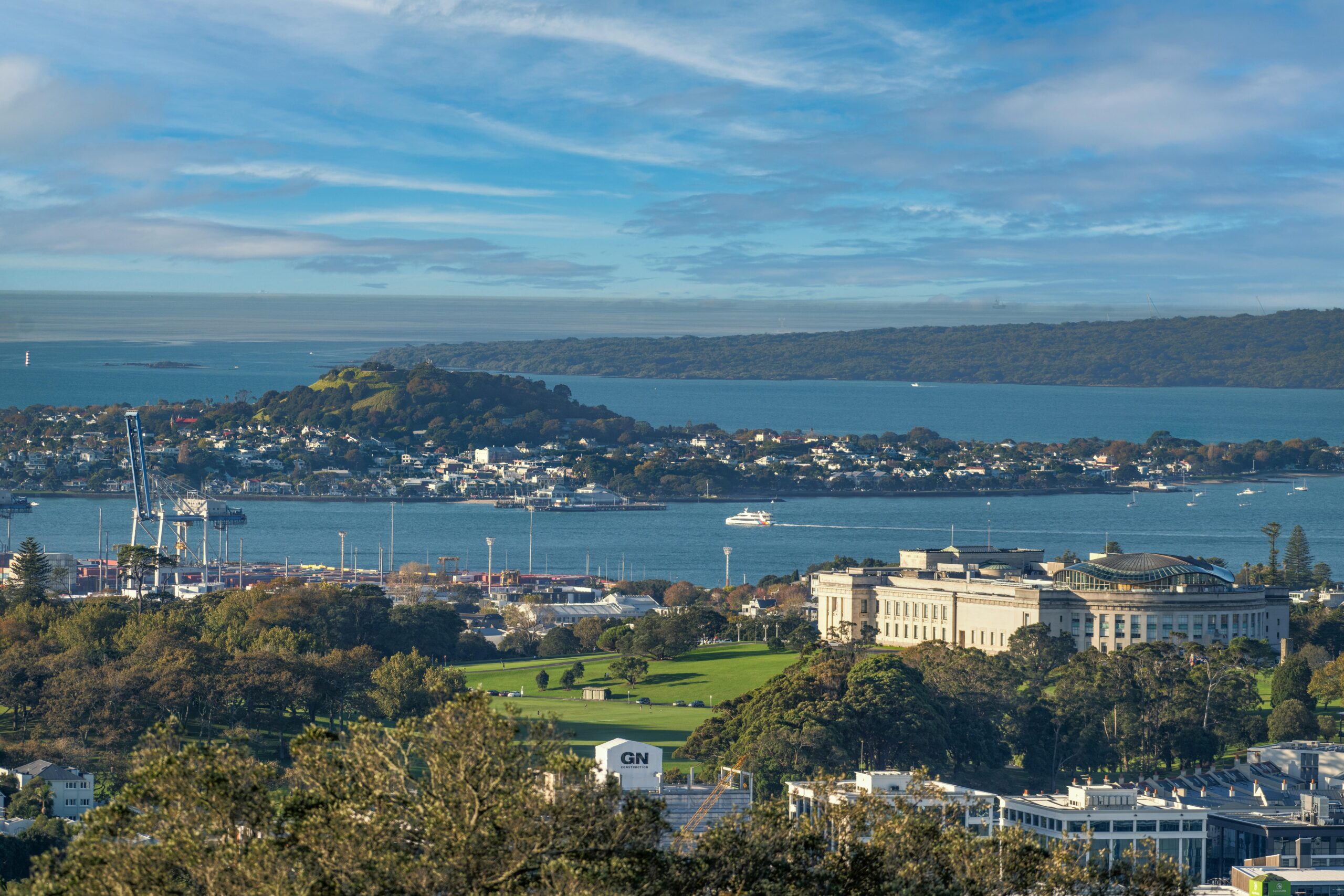
Winter (June–August): Winters are generally mild compared with many Northern Hemisphere cities, with daytime temperatures often between 10–15°C (50–59°F). Rain and wind are more common, but sightseeing is still comfortable and you’ll find the lowest travel costs and fewer crowds.
Spring (September–November): Spring brings blooming parks, warming seas, and increasing daylight. October and November especially combine comfortable temperatures with quieter streets before the summer rush. This season is strong for walkers and photographers since landscapes become green and flowers are abundant.
Weather and climate details
Auckland weather is characterized by a maritime temperate climate—moderate extremes, relatively high humidity, and a reputation for quick weather changes. Average summer highs are in the low to mid-20s°C; average winter lows seldom drop below 5°C. For day-to-day forecasts and seasonal climate summaries consult a trusted weather authority for the latest conditions: detailed weather forecasts.
Wind patterns, especially the northwest and southwest breezes, influence how comfortable the city feels; a breezy winter day can seem cooler than the air temperature implies. Rainfall is fairly evenly distributed through the year, though late winter and spring can bring more frequent wet spells.
Practical packing advice based on climate:
- Bring layers year-round—mornings and evenings are cooler even in summer.
- A waterproof shell or compact umbrella will keep you prepared for sudden showers.
- Sun protection is essential during summer due to strong UV levels—pack sunscreen and a hat.
Events and peak tourist season
Major events influence when Auckland is busiest. The summer months host outdoor concerts, cultural festivals, and sporting fixtures that draw domestic and international visitors. Key events to watch for include the Auckland Arts Festival in March and various summer music and food festivals.
December and January are the busiest months due to the school holidays and Christmas/New Year celebrations. Hotels and popular attractions such as the Sky Tower, Auckland Zoo, and ferry services to islands like Waiheke and Rangitoto see their highest demand during these weeks.
If you prefer quieter city exploration and easier bookings, aim for the shoulder months—October–November and March–April—when many events still run but visitor numbers decline.
Auckland travel cost: how season affects prices
Auckland travel cost fluctuates considerably by season and booking lead time. High season (December–February) brings higher airfare and accommodation rates, while winter months offer discounts and last-minute availability. Budget travelers often aim for late autumn and winter for lower prices on hotels and flights.
Typical strategies to manage travel costs:
- Book flights and hotels several months in advance for travel during December–January.
- Compare weekday and weekend rates—midweek stays can be cheaper in many accommodations.
- Consider staying in neighborhoods outside the CBD, such as Ponsonby or Devonport, for better value and excellent local character.
Remember to account for activity-specific costs: sailing and day trips to islands cost more in summer when demand is highest, while museum entrances and city tours are more stable year-round.
Getting around, day trips and seasonal activities
Auckland’s transport options suit different seasons: ferries to islands run year-round but are most frequent in summer; buses and trains provide reliable connections through the city and to suburbs. For flexible exploration, hire a car to reach regional parks, vineyards, and coastal drives.
Seasonal highlights and recommended day trips by interest:
- Beach and sailing: Summer is best for Mission Bay and Takapuna; island hopping to Waiheke is highly popular.
- Hiking and scenery: Spring and autumn offer ideal temperatures for climbing Mount Eden, Rangitoto Summit, or walking coastal trails in the Waitakere Ranges.
- Culture and food: Year-round options include museum visits, food markets, and Māori cultural experiences; however, many food events and outdoor markets are concentrated in warmer months.
Wildlife enthusiasts should note that seabird and marine mammal sightings follow seasonal patterns—consult local tour operators for the best months for specific species.
Planning tips and practical considerations
When finalizing travel dates, check school holiday calendars and major event schedules in New Zealand to avoid unexpected price spikes. Advance booking is especially important for popular summer weeks and for accommodations on Waiheke and other islands.
Health and safety tips:
- Protect against UV exposure—sunburn can occur even on cooler days.
- Carry a small rain jacket and wear comfortable walking shoes for variable terrain.
- Check local transport timetables in advance; services may be reduced on public holidays.
Where possible, align your visit with your priorities: quieter streets and lower costs in shoulder months, or bustling summer energy and island excursions if you plan early and book services in advance.
FAQs
What month has the best weather in Auckland?
Late summer (February) and early autumn (March) typically offer the warmest, most stable weather with plenty of outdoor events and lower chance of extreme heat. Shoulder months like October–November and March–April also provide comfortable temperatures and fewer crowds.
Is Auckland rainy year-round?
Auckland experiences rainfall throughout the year, but it is not constantly rainy. Showers can be frequent and quick to clear due to the maritime climate; heavier and more persistent rain is slightly more common in late winter and spring.
When is Auckland’s peak tourist season?
Peak tourist season runs from December to February, coinciding with New Zealand’s summer and school holidays. This period sees higher prices, fuller attractions, and more frequent event programming.
Can I save money by visiting in winter?
Yes. Visiting during winter (June–August) usually reduces accommodation and flight costs, and you’ll encounter fewer crowds. However, expect cooler, wetter weather and shorter daylight hours.
Are there months to avoid for island day trips?
While island ferries operate year-round, very windy days may disrupt services—more common in winter. If your itinerary depends on island access, plan extra buffer days or choose late spring to early autumn for the most reliable conditions.
Conclusion
Choosing the best time to visit Auckland depends on your priorities: summer for beaches and events, shoulder seasons for good weather with fewer crowds, and winter for budget-minded travelers who don’t mind cooler, wetter conditions. Use official tourism guidance and reliable weather summaries when planning specific activities, and book high-season travel early to secure the best options.
With thoughtful timing—considering weather patterns, events, and travel costs—you can tailor an Auckland trip that matches your interests and gets the most from New Zealand’s vibrant harborside city.