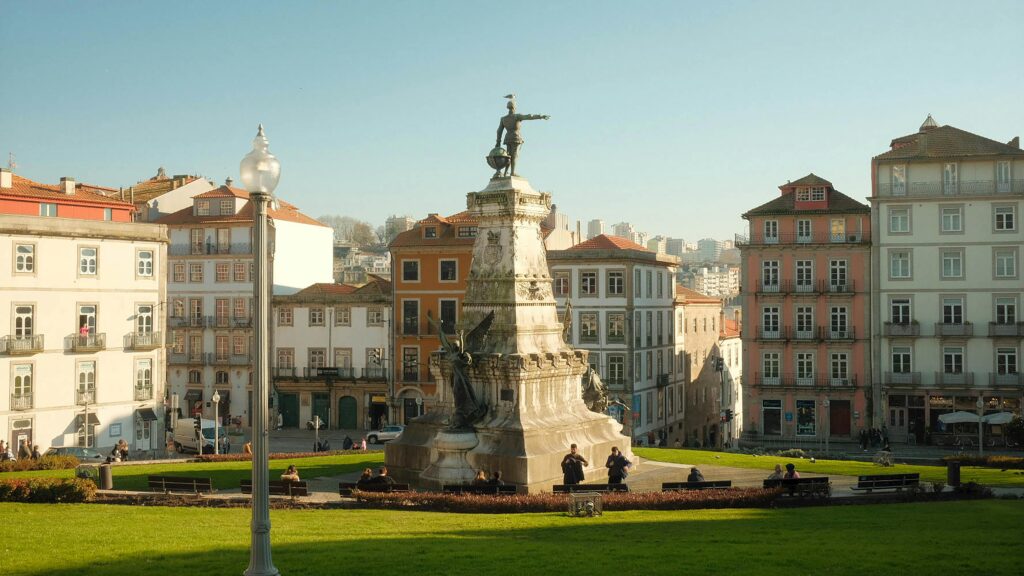
Deciding the best time to visit Porto depends on what you want from the trip: warm sunshine and long river walks, festival crowds and lively nightlife, or quieter streets and lower prices. Porto’s climate, events calendar and tourist flows vary enough through the year that picking the right month can change your experience dramatically.
This guide breaks down Porto weather, typical travel costs and tourist season patterns so you can choose the ideal window for your priorities—whether that’s mellow sightseeing, beach days on the Atlantic, or catching São João festivities. Practical tips for packing, budgeting and avoiding crowds are included to help you plan a smooth trip.
Why timing matters for your Porto visit
Porto’s compact centre, riverside setting and wine cellars make it irresistible year-round, but timing affects everything from the temperature to hotel rates and how many people you’ll share the Ribeira with. Summer brings long, warm days and vibrant outdoor dining but also higher prices and cruises. Winter is mild compared with much of northern Europe, with affordable accommodations but more rain and shorter daylight hours.
Consider the type of experience you want: if tasting port wine leisurely and strolling riverside cafés is your priority, the shoulder seasons offer mild weather and fewer crowds. If you want beach time on Matosinhos or festival energy, summer and specific event dates are better. Transportation schedules, opening hours for attractions and day-trip options to the Douro Valley also vary by season, so timing affects logistics as well as enjoyment.
Best months to visit Porto — month-by-month overview
Here’s a concise month-by-month guide to help pick the best time to visit Porto based on climate, crowds and activities.
- January–February: Quietest months. Cooler temperatures (8–14°C / 46–57°F) and frequent rain. Ideal for budget travellers and indoor attractions like port cellars and museums.
- March–May (spring): Increasing sunshine, blooming parks and comfortable daytime temperatures (12–20°C / 54–68°F). Spring is one of the best periods for fewer crowds and reasonable prices.
- June: Warm, festive and busier. São João (June 23rd) transforms the city with street parties, fireworks and local traditions—expect crowds and higher rates around that weekend.
- July–August (summer): Warm to hot (20–28°C / 68–82°F), very busy with tourists and cruise arrivals, and peak prices for lodging. Coastal breezes can cool Matosinhos beaches, but the city centre will be lively.
- September: One of the best months—warm sea temperatures, fewer crowds than midsummer, and pleasant weather for boat trips on the Douro.
- October–November (autumn): Mild and increasingly wet. Autumn colors and comfortable city walking weather make this a good shoulder-season choice.
- December: Festive lights, cooler temperatures and quieter streets outside the holiday period. Good for travelers who prefer indoor cultural experiences.
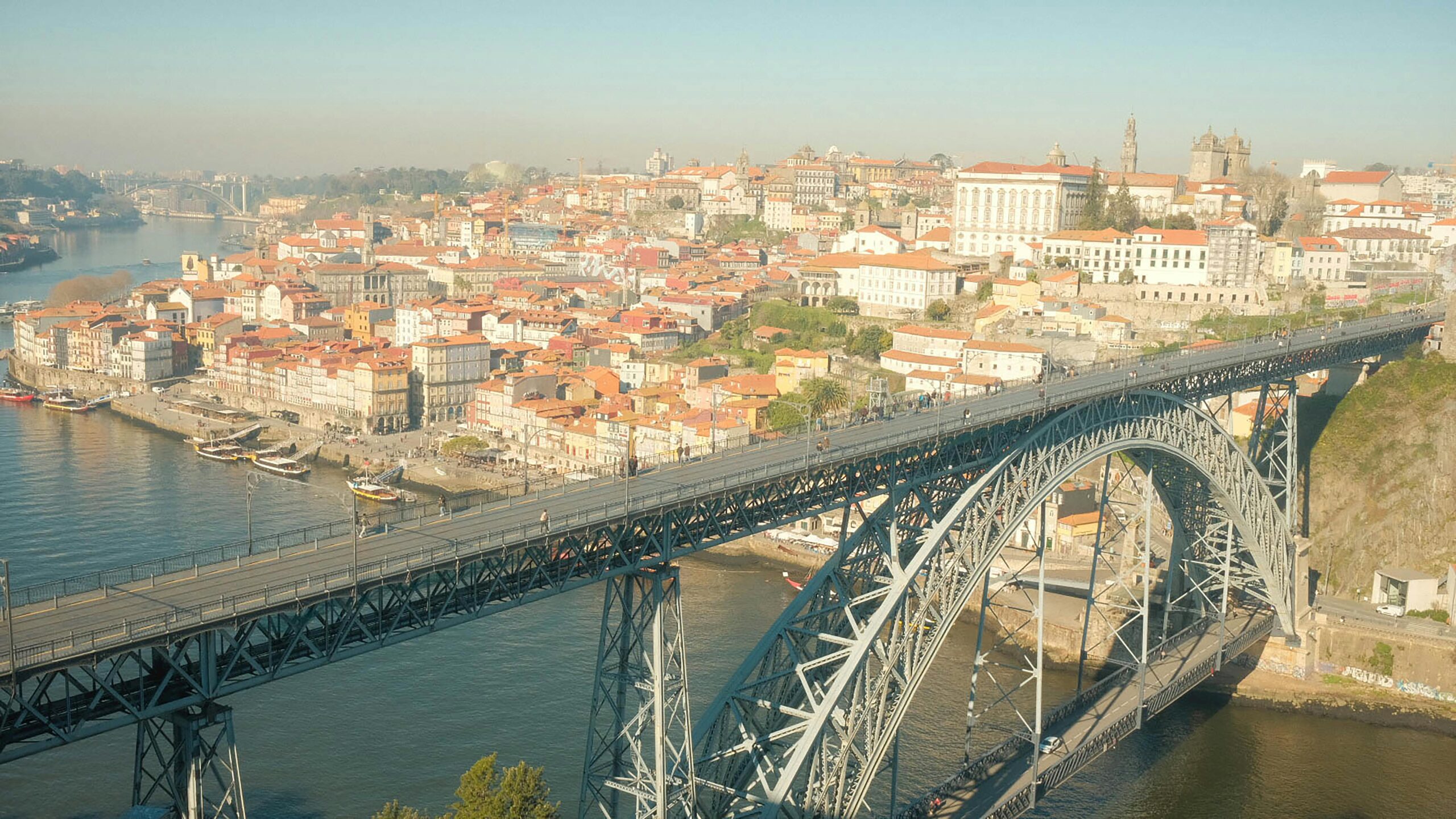
Porto weather and climate: what to expect
Understanding Porto weather helps you choose clothing and plan activities. The city has a maritime Mediterranean climate: winters are mild and rainy, summers are warm and relatively dry, and sea breezes moderate extremes. Average highs range from about 14°C (57°F) in January to around 25–28°C (77–82°F) in July and August.
Rainfall is concentrated in the autumn and winter months, with November typically the wettest. If you plan coastal walks or Douro Valley boat trips, aim for late spring or early autumn when rain is less frequent and the sea is comfortable for short swims. For current climate statistics and seasonal outlooks consult the national meteorological service for precise, up-to-date data if you need exact figures for planning.
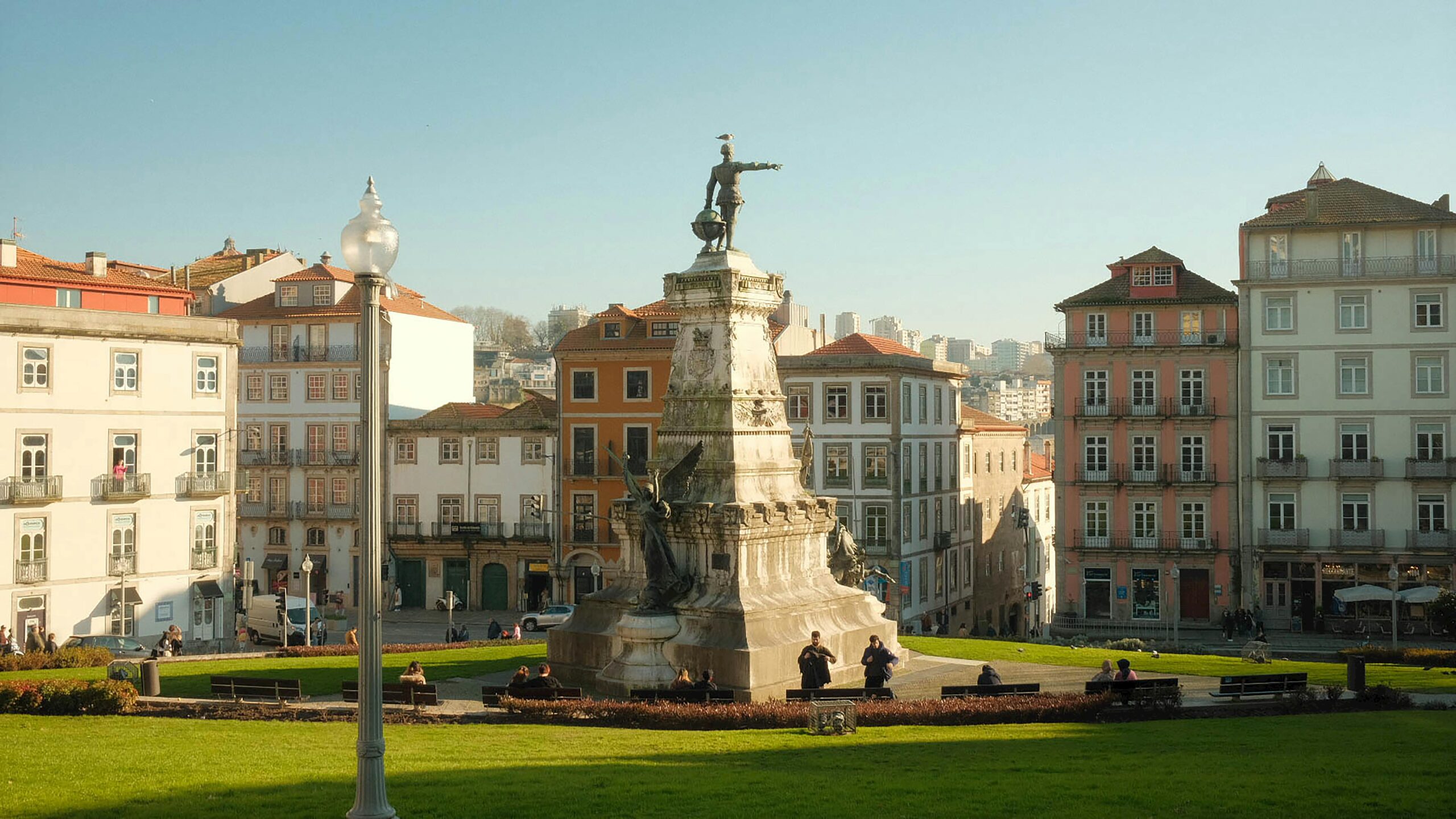
Porto travel cost: budgeting by season
Porto travel cost varies across seasons: summer and festival weekends push prices up while off-season months offer the best deals. Expect accommodation to be the largest variable: hotels and short-term rentals can be 30–50% more expensive in July, August and around São João in late June. Advance booking can mitigate this, especially for popular neighbourhoods like Ribeira and Foz.
Daily expenses beyond lodging are generally moderate. Meals at casual restaurants are affordable, public transport is inexpensive, and many museums offer reduced or free-entry days. For official visitor resources and tips on traveling around Portugal, the national tourism site maintains practical visitor information that can help you estimate costs and services for your trip.
Official visitor information for Portugal is a useful reference for transport passes, suggested itineraries and seasonal event calendars that influence pricing and availability.
Porto tourist season: crowds, festivals and when to avoid them
The main tourist season peaks in June through August, when cruise ships dock frequently and the historic centre fills with day-trippers. Weekends are busiest, and mornings can be pleasantly quiet while late afternoons into evening see more crowds at viewpoints and riverside cafés. If avoiding crowds is important, plan to sightsee early or late in the day and reserve popular restaurants ahead of time.
Major draw events include São João in June, which brings an exuberant, noisy local celebration that’s wonderful if you want a party but should be avoided if you prefer quiet; the Porto Wine Fest (varies by year) and certain music and cultural festivals also increase visitor numbers. For a calmer visit, target March–May or September–October shoulder seasons when the weather is agreeable and crowds are thinner.
Tips for different types of travellers
How you pick the best time to visit Porto should reflect travel style. Here are tailored recommendations:
- Budget travellers: January–March and November are cheapest, with lower flight and accommodation costs. Pack waterproof layers and plan indoor activities.
- Families: July–August aligns with school holidays and warm beach days, but book well in advance and pick family-friendly accommodation near beaches or parks.
- Couples and slow travellers: April–June and September offer romantic light, comfortable temperatures and fewer crowds—ideal for river cruises and long dinners.
- Festival-goers: Plan around São João (June 23rd) for a quintessential Porto experience; expect crowds and book lodging early.
- Outdoor enthusiasts: Late spring and early autumn provide the best balance of hiking-friendly temperatures in the Douro Valley and pleasant sea breezes for coastal walks.
Practical planning and packing tips
Packing smart for Porto relies on seasonality and planned activities. Essentials year-round include comfortable walking shoes (cobblestones are everywhere), a light waterproof jacket and layers for evenings. In summer, bring sunscreen, a hat and a reusable water bottle for long walks; in winter, include an umbrella and warm layers.
Transportation is straightforward: Porto’s metro, buses and trams connect most districts, and walking is often the fastest way to explore the historic centre. If you plan day trips to the Douro or coastal towns, book tours or train tickets in advance during peak months. For up-to-date travel advisories or seasonal service changes, check official transport operators before you travel.
FAQs
When is the warmest time to visit Porto?
July and August are the warmest months, with average highs in the mid-to-high 20s°C (around 77–82°F). Sea temperatures are warmest in late summer, making it a good time for short beach visits at nearby Matosinhos.
Is it a bad idea to visit Porto in winter?
Not at all—winter is quieter and more affordable. Expect cooler, wetter weather but also shorter lines at attractions, lower hotel rates and cozy indoor experiences such as wine cellars and museums.
How expensive is Porto compared with other European cities?
Porto is generally more affordable than major Western European capitals. Costs vary by season, with the biggest differences in accommodation and activities tied to tourist peaks. Dining and public transport tend to be budget-friendly year-round.
When should I book hotels and tours in Porto?
Book as early as possible for peak months (June–August) and festival dates like São João. For shoulder seasons, a few weeks’ lead time is often sufficient, but popular river cruises and Douro Valley tours still benefit from early reservations.
Are there quieter neighbourhoods to stay in while still being close to attractions?
Yes. Cedofeita and Boavista offer a quieter, more local feel with good access to central sites, while Foz do Douro is peaceful and coastal but slightly farther from the historic centre. Staying near a metro line can combine convenience with calmer evenings.
Conclusion
Choosing the best time to visit Porto comes down to your priorities: aim for late spring or early autumn for the best balance of pleasant Porto weather, moderate prices and manageable crowds; pick summer for beach weather and festival energy; and select winter for affordability and quieter museums and wine cellars. With practical planning—smart booking windows, appropriate packing and attention to events—you can tailor your trip to get the exact Porto experience you want.
Use official visitor resources and national weather information when finalizing dates to align reservations with transport schedules and local events, and you’ll be well placed to enjoy Porto at the time that suits you best.
Portugal’s meteorological authority provides current forecasts and seasonal trends that are helpful for finalizing travel dates and packing choices.