The best time to visit Reykjavik depends on what you want from Iceland’s capital: long summer days filled with festivals and puffin watching, or crisp winter nights perfect for chasing the Northern Lights. Deciding when to go comes down to balancing daylight, crowds, weather and cost.
This guide breaks down Reykjavik by season, compares Reykjavik weather patterns, outlines typical Reykjavik travel cost variations, and offers practical tips for avoiding crowds during the busiest Reykjavik tourist season. Use these insights to choose the right month for your priorities.
Overview: Reykjavik seasons at a glance
Reykjavik experiences four distinct seasons that feel more polarized than in many other capitals. Summers (June–August) bring near-continuous daylight and the warmest temperatures, shoulder months (May and September) offer milder crowds and pleasant weather, and winters (November–March) deliver short days, snow, and the best chance to see the aurora borealis.
Tourist flows spike during the Reykjavik tourist season in summer when international flights and cruise visits peak, which affects accommodation availability and prices. Understanding how Reykjavik weather shifts across months helps you plan activities like whale watching, geothermal bathing, hiking or Northern Lights tours.
Summer (June–August): Midnight sun, festivals and peak activity
Summer is the most popular time for visitors. June and July have the longest daylight hours—Reykjavik sees up to 21 hours of light around the summer solstice—making it ideal for long sightseeing days, road trips on the Ring Road, and late-night cultural events. Temperatures typically range from 8–15°C (46–59°F), though occasional warm spells can push values higher.
Because this is the core Reykjavik tourist season, expect crowded attractions, higher Reykjavik travel cost for hotels and car rentals, and sold-out tours unless booked well in advance. On the plus side, island day trips for puffin colonies and whale watching operate at full capacity, and outdoor festivals, music events and open-air pools create a lively city atmosphere.
Shoulder seasons (May and September): Best compromise for weather and crowds
May and September are often the most strategic months to visit. These shoulder months combine relatively mild Reykjavik weather with fewer tourists and lower prices than peak summer. In May, spring blooms and migratory birds return, while September offers crisp air, autumn colors and the start of aurora season without the deep cold of winter.
Tour operators typically still run many excursions in the shoulder months, but ferry and tour schedules can be less frequent than in summer. If you want to balance daylight for outdoor exploration and a calmer urban experience with better Reykjavik travel cost outcomes, these months are often ideal.
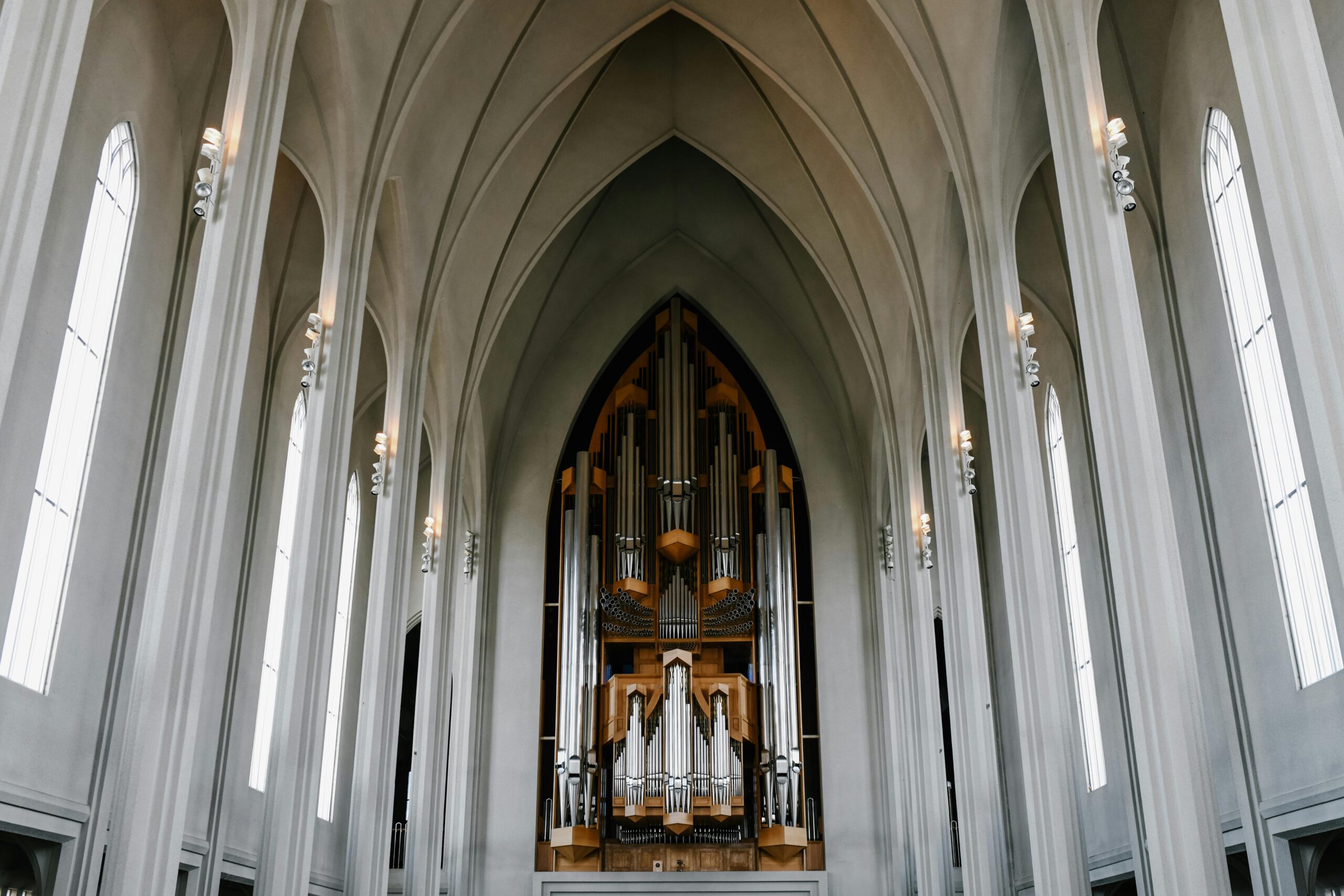
Winter (November–March): Northern Lights, snowy landscapes and quiet streets
Winter is the season for aurora hunters and photographers. With long nights comes the best window to see the Northern Lights, provided you get clear skies and low light pollution. Temperatures commonly range from -1 to 4°C (30–39°F) in Reykjavik, but wind and precipitation can make it feel colder. Stormier weather can sometimes interrupt road access to more remote attractions.
Travelers during winter can expect lower Reykjavik travel cost for accommodation outside holiday peaks, fewer crowds at museums and restaurants, and a chance to enjoy geothermal pools with snowy backdrops. Keep in mind that daylight is limited—December offers only a few hours of true daylight—so plan outdoor excursions accordingly and allow more time for travel during icy conditions.
Reykjavik weather: what to pack and how to prepare
Reykjavik weather is famously changeable; a single day can bring sun, wind, rain and a brief snowfall. Layering is essential year-round. In summer, include a waterproof windbreaker and warm layers for cool evenings. In winter, prioritize a warm insulated jacket, sturdy waterproof boots, hat, gloves and thermal base layers.
- Layering strategy: base layer (moisture-wicking), insulating mid-layer, waterproof outer shell.
- Footwear: waterproof hiking shoes or boots with good traction for icy sidewalks.
- Accessories: pack a compact umbrella, sunglasses for glare off snow or water, and a swimwear item for hot pools.
For the most reliable, up-to-date forecasts and safety notices related to volcanic activity, wind and severe weather, consult the Icelandic Meteorological Office before travel and while in the country. For localized weather updates and aviation advisories, the official forecasts are the primary source for travelers planning time-sensitive activities.
Budgeting: Reykjavik travel cost by season
Reykjavik travel cost varies widely by season and booking lead time. Summer (June–August) typically has the highest prices: expect premium rates for hotels, higher car rental costs, and surges in restaurant prices during festival weekends. Shoulder seasons bring better deals on lodging and more flexible tour availability, while winter can offer the lowest average nightly rates outside of Christmas and New Year.
- Accommodation: book 2–4 months ahead for summer; shorter lead times often work for shoulder months and winter.
- Transport: car rentals are costlier in peak season; consider public buses and well-reviewed day tours if driving is expensive.
- Food and drink: restaurants in Reykjavik range from casual to upscale—choose local markets or lunchtime menus to cut costs.
For official visitor information, practical advice on local services and recommended visitor experiences in Reykjavik, the city’s tourism site provides reliable guidance and seasonal updates to help you budget efficiently and find events or offers during your planned dates.
Practical tips: booking, crowds and transportation
If you plan to travel during the Reykjavik tourist season, make reservations early for popular attractions like the Blue Lagoon, guided Golden Circle tours, and whale-watching cruises. For shoulder season and winter visits, check operator schedules—some activities modify their timetables or require advance notice.
- Booking: reserve accommodation and any must-do tours as early as possible in peak months.
- Getting around: Reykjavik is walkable, with reliable public transit for suburbs; car hire gives freedom for day trips but check road conditions in winter.
- Crowd management: visit popular sites early morning or late afternoon to avoid cruise and coach arrivals.
When planning day trips outside Reykjavik, always factor in weather-dependent delays and allow buffer time to return before dark in winter. Travel insurance with trip interruption coverage is recommended year-round, and local tour operators often include real-time alerts for safety reasons.
FAQs
What month is best to visit Reykjavik for the Northern Lights?
The best months for seeing the Northern Lights are generally September through March, with clear, dark nights most favorable. Winter months offer longer periods of darkness, increasing your chances, but success depends on solar activity and local cloud cover.
Is summer the only good time to experience Reykjavik’s outdoor activities?
No. Summer offers the most daylight and many outdoor activities at full capacity, but shoulder seasons can provide pleasant weather with fewer crowds. Winter provides unique opportunities like ice caves, snowy landscapes and geothermal bathing under the stars.
How does Reykjavik weather affect travel plans and safety?
Reykjavik weather can change rapidly; wind and sudden rain are common. For safety, check local forecasts before excursions, choose sturdy footwear for variable conditions, and allow extra travel time during winter for slower road conditions and limited daylight.
Are hotels and tours significantly cheaper outside the Reykjavik tourist season?
Yes—outside peak summer months, many hotels and tour operators lower prices or offer promotions. Shoulder seasons often represent the best balance between good weather, manageable crowds and lower Reykjavik travel cost.
Can I combine a Reykjavik city visit with Iceland’s nature highlights in one trip?
Absolutely. Reykjavik is a convenient base for day trips like the Golden Circle, South Coast waterfalls, and Snaefellsnes Peninsula. Consider time of year and daylight hours when planning how many day trips you can comfortably fit into your itinerary.
Conclusion
Choosing the best time to visit Reykjavik depends on whether you prioritize long daylight hours and festivals, lower prices and fewer crowds, or the chance to see the Northern Lights. Summer provides unparalleled daylight and activity options but comes with peak prices and crowds. Shoulder seasons—May and September—offer the best compromise for milder Reykjavik weather and value. Winter is quieter and ideal for aurora viewing and snowy landscapes, though daylight is limited.
Use seasonal forecasts, compare transportation and accommodation prices for your intended dates, and book key experiences in advance during the Reykjavik tourist season. For weather alerts and safety guidance, check the national meteorological service before travel, and consult Reykjavik’s official visitor resources when arranging tours and local services.