Deciding the best time to visit Tallinn depends on what you want from the trip: warm summer days full of festivals, a snowy medieval town at Christmas, or quieter shoulder seasons for lower prices and empty streets. This guide covers season-by-season considerations and practical tips so you can choose the ideal window for your visit to Tallinn.
Throughout the article you’ll find weather patterns, crowd trends and budgeting guidance to help plan your trip. Whether you’re weighing Tallinn weather against local events or calculating Tallinn travel cost for a week-long stay, these notes will help you match timing to priorities.
When is the best time to visit Tallinn: quick answer
The broad answer is late May through early September for the warmest, sunniest weather and the most activity, and December for festive atmosphere if you prefer winter markets and holiday lights. If you want a balance of mild weather, fewer tourists and reasonable prices, aim for the shoulder months of April–May or September–October.
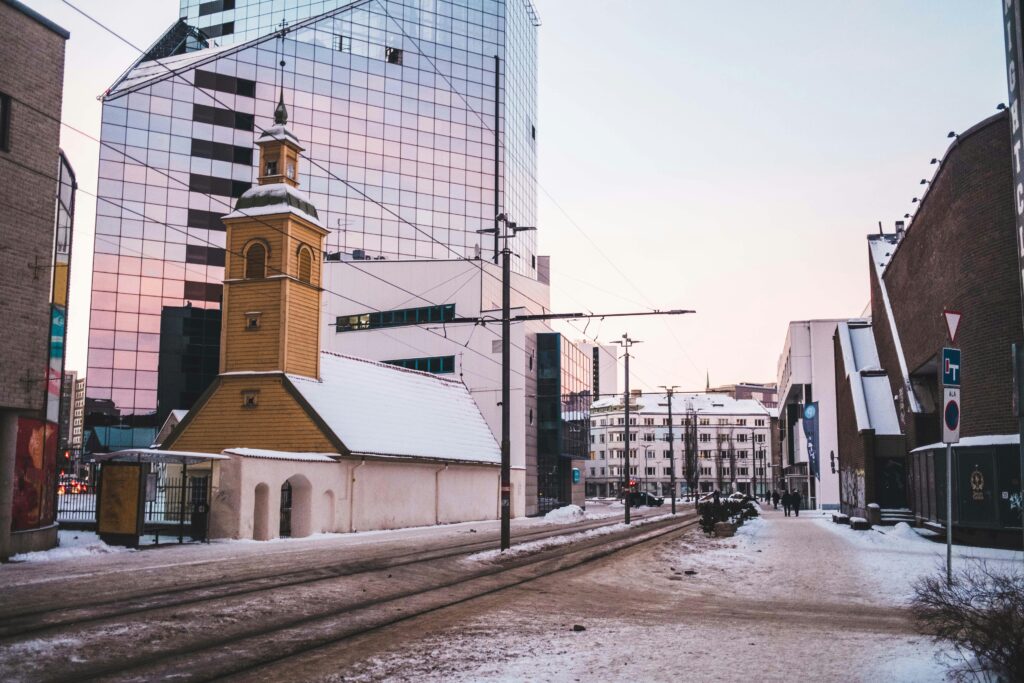
Peak tourist months run from June to August, when outdoor cafés are full and historic attractions have extended hours. For quieter sightseeing and better hotel deals, plan for spring or autumn. If Christmas markets and snowy streets are your draw, late November through December offers a magical experience in the Old Town.
For official seasonal events and visitor information check Estonia’s tourism resources for up-to-date calendars and practical advice; the national site provides reliable event listings and travel guidance.
Tallinn weather by month: what to expect
Tallinn weather changes markedly through the year because of its northern location on the Baltic. Summers are short and pleasant, while winters can be cold and dark. Understanding typical month-by-month conditions helps you pack the right clothes and plan activities.
- January–February: Cold and often snowy, daytime highs around -2 to -6°C (28–30°F). Short daylight hours; good for winter photography and cozy cafés.
- March–April: Transition to spring. Temperatures climb toward 0–8°C (32–46°F), but late snow is possible. Streets begin to clear and outdoor venues reopen in April.
- May: Milder days (10–18°C / 50–64°F). Trees and parks green up; a pleasant month for walking tours and fewer crowds than summer.
- June–August: Warmest months with highs typically between 18–23°C (64–73°F). Long daylight hours (especially June), festival season and beach visits on nearby coasts.
- September: Crisp, comfortable weather (10–16°C / 50–61°F) and autumn colors. A great shoulder-season choice with thinning crowds.
- October–November: Growing chill and shorter days. Rain is common; prepare for wind off the Baltic and early frosts by late November.
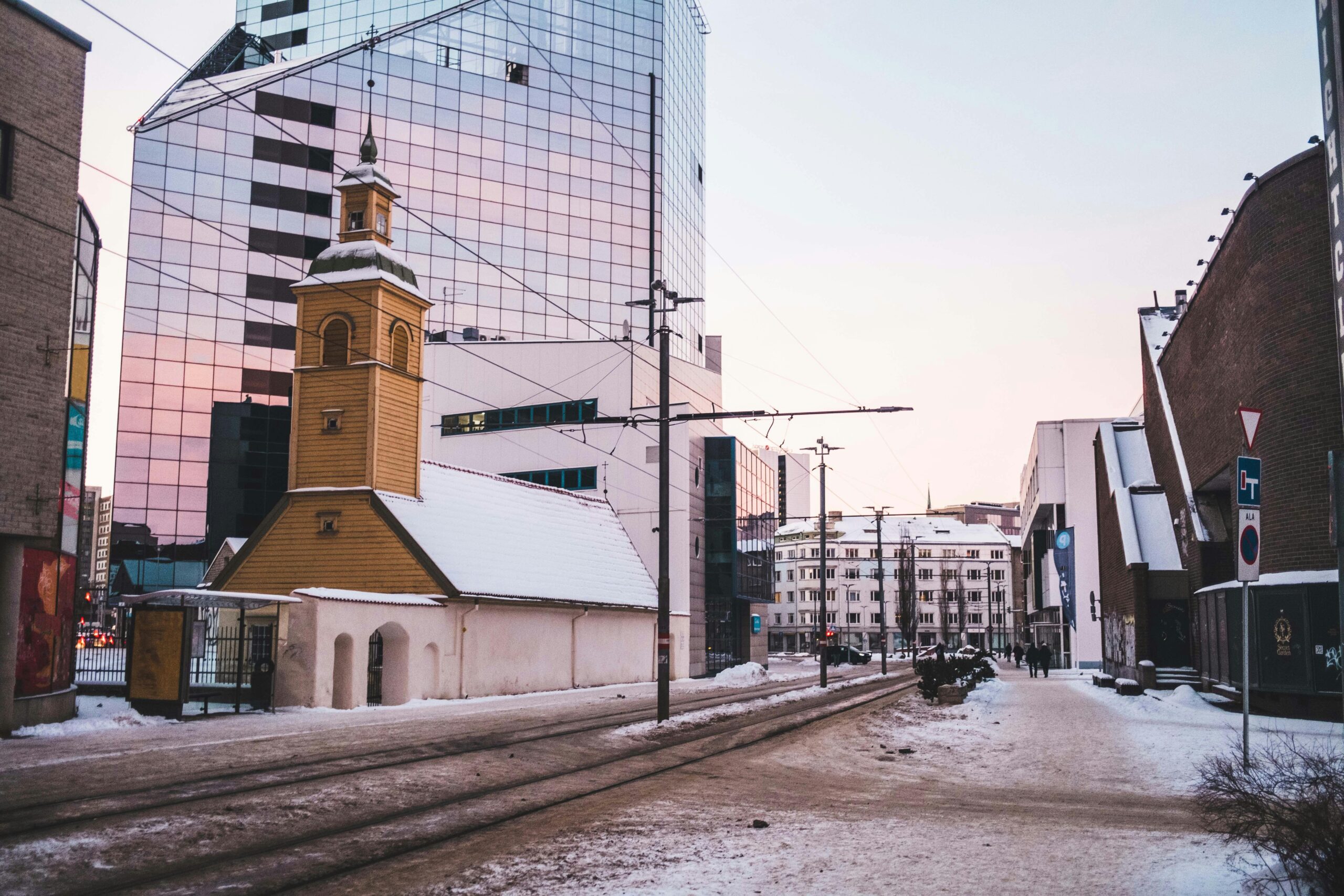
- December: Cold and festive. Temperatures often below freezing and Old Town becomes atmospheric with lights and holiday markets.
For background on Tallinn’s climate history and seasonal patterns, a reliable encyclopedia entry can provide useful context and historical climate notes for travelers.
Tallinn tourist season and crowd management
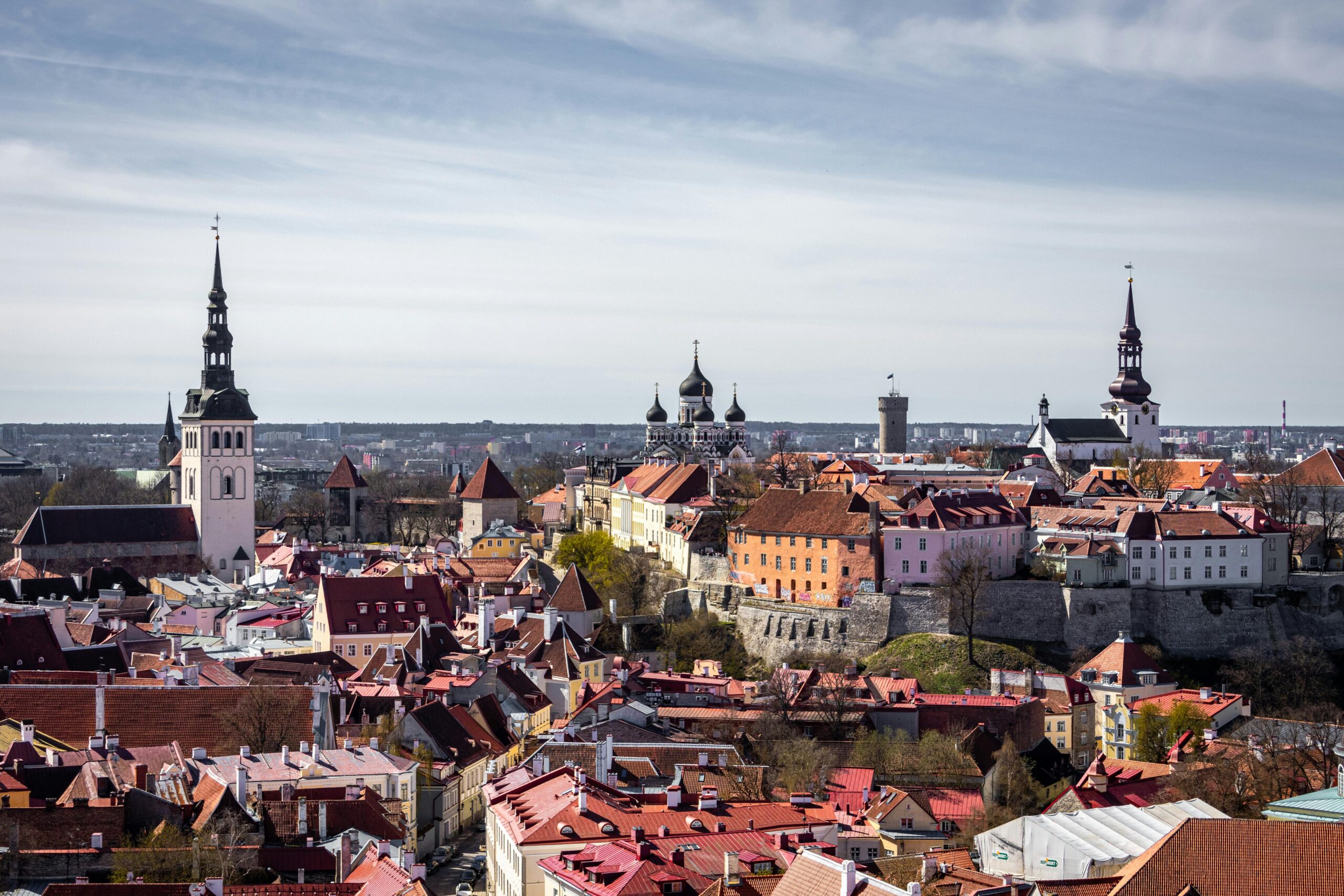
Tallinn tourist season peaks in summer when visitors from cities across Europe and cruise passengers arrive. The Old Town, Toompea Castle area and Kadriorg Park are busiest from June to August. If you prefer exploring without the crowds, choose late spring or early autumn for more comfortable walking and better photo opportunities.
Keep in mind that cruise ship schedules can create short-term spikes in foot traffic, particularly at ports near the Old Town. Booking popular activities, museum entry times or guided tours in advance helps you avoid disappointment during busy weeks.
For travelers looking to experience local life rather than peak-season tourist scenes, midweek visits and staying in residential neighborhoods like Kalamaja or Pelgulinn offer quieter evenings and more authentic dining options.
Tallinn travel cost: budgeting by season
Tallinn travel cost varies by season, with the highest prices for flights and hotels during June–August and around the Christmas holidays. Shoulder seasons (April–May and September–October) typically offer the best value: lower accommodation rates, reasonable weather and reduced crowds.
- Accommodation: Expect a premium for central hotels and boutique properties in summer. Booking early can secure better rates; look for apartments or guesthouses for longer stays to reduce nightly costs.
- Food and drink: Dining out in Tallinn is generally affordable compared with major Western cities. Seasonal menus in summer feature fresh Baltic seafood and local produce.
- Transport: Public transport is inexpensive, and central Tallinn is very walkable. Some cities in Estonia offer free public transport to registered visitors—check local policies for your planned dates.
- Activities: Museum and attraction prices are fairly stable year-round, though some seasonal outdoor tours run only in summer or winter.
Plan a daily budget according to your travel style: shoestring travelers can manage on modest spending, while mid-range budgets should allow for comfortable hotel stays, meals at decent restaurants and a few paid tours or day trips.
Events and festivals: timing for culture and nightlife
Tallinn’s cultural calendar helps determine the best time to visit if events matter. Summer brings the densest set of festivals, but spring and winter also have distinct highlights.
- Spring: Smaller cultural events, art openings, and increasing outdoor activity in May.
- Summer: A festival-packed season — outdoor music, food markets, and heritage events. The White Nights of June extend evening activity and are ideal for late-night city strolls.
- Autumn: Film and theater festivals, along with harvest-themed markets in September and October.
- Winter: Christmas markets and seasonal concerts transform the Old Town. Advent atmosphere is one of Tallinn’s biggest draws in December.
Match your visit to a festival if music, food or cultural events are central to your trip — otherwise the quieter months offer easier access to museums and landmarks without lines.
Packing and practical tips for each season
Packing depends on when you travel. Layering is essential in shoulder seasons because temperatures can swing during the day. Summers need light layers with a waterproof jacket for sudden showers, while winters require insulated outerwear, warm boots and accessories for short daylight hours.
- Summer checklist: Lightweight clothing, a warm sweater for evenings, comfortable walking shoes and sunscreen.
- Shoulder season checklist: Waterproof outer layer, mid-weight layers, closed shoes and a small umbrella.
- Winter checklist: Insulated coat, thermal base layers, hat, gloves, and sturdy footwear with good grip for icy streets.
Also consider practicalities like plug adapters, a small daypack, and a printed copy of important addresses. Advance reservations for popular restaurants and tours are useful in summer, while many venues have reduced hours in winter.
Getting around Tallinn and nearby day trips
Tallinn is compact and easy to explore on foot, particularly the UNESCO-listed Old Town. Trams and buses connect neighborhoods, and taxis or ride apps are widely available for late-night returns. Renting a car is unnecessary for central Tallinn but useful if you plan rural exploration or flexible day trips.
- Short day trips: Lahemaa National Park for nature walks; the coastal town of Pärnu for beaches in summer; and the island routes to Saaremaa for a longer trip.
- Historic sites: Kadriorg Palace and the Russian Orthodox Alexander Nevsky Cathedral are easy trips within the city and worth scheduling during daylight hours for photography.
- Practical transport tips: Purchase single tickets or day passes for public transport as needed and check schedules for weekends and holidays.
For planning help on attractions and background on the city’s history, an established encyclopedia entry offers concise historical context to enrich your visit planning.
FAQs
What month has the best weather in Tallinn?
July is typically the warmest month with the most reliable summer weather and long daylight hours, making it the most comfortable month for outdoor sightseeing and events.
Is Tallinn expensive to visit compared with other European capitals?
Tallinn is generally more affordable than many Western European capitals, particularly for accommodation and dining, though peak-season prices rise. Budget, mid-range and premium options are all available.
Can I see snow in Tallinn during December?
Yes, snow is common in December and often remains through January and February. Snowfall varies year to year, but winter offers a festive Old Town atmosphere when conditions are snowy.
When are the tourist crowds smallest?
Late autumn (November, excluding holiday weekends), winter (January–February), and early spring before May see the fewest tourists, providing quieter streets and easier access to popular sites.
Are there special events I should plan around?
Major events cluster in summer — music festivals, city cultural weeks and outdoor markets. December’s Christmas market is a highlight. Check local event calendars before booking to align your travel dates with or away from large events.
Conclusion
Choosing the best time to visit Tallinn comes down to your priorities: pick summer for weather and festivals, winter for holiday charm, or shoulder seasons for lower costs and fewer crowds. Review the climate trends, festival calendar and your budget to select the month that fits your travel style. With this information you can plan practical packing, reserve the right accommodations and enjoy Tallinn at the pace you prefer.
For official travel updates and event listings consult Estonia’s national visitor information and authoritative references to refine practical arrangements before you go.