Deciding the best time to visit Warsaw depends on what you want from the trip: warm, long days for walking the Old Town and river cruises, quieter streets for museum visits, or festive markets and winter culture. Warsaw’s seasons are distinct, so timing your visit affects weather, prices, and crowd levels.
This guide breaks down Warsaw weather, peak tourist season, typical travel costs, and practical tips so you can choose the month that matches your interests and budget. Use the sections below to plan activities, packing, and how to avoid crowds without missing the city’s highlights.
Quick answer: When to go and why
For most travellers the best compromise is late spring (May–June) and early autumn (September). During these months Warsaw offers pleasant temperatures, green parks, and fewer tourists than the high summer, while many cultural events remain on the calendar. If you prefer warmer weather and a lively city scene, July and August are busiest; if you want lower prices and snowy charm, consider winter months from December to February.
Beyond basic weather, consider that Warsaw’s calendar includes music festivals, museum nights, and public holidays that can make a visit especially rewarding or more crowded depending on your tolerance for busier streets.
Warsaw weather by season
Warsaw has a temperate continental climate with four clear seasons. Winters are cold and often snowy, springs are variable but steadily warming, summers bring long sunny days and occasional heatwaves, and autumns are crisp with colorful foliage. Here’s a quick snapshot of typical conditions by season:
- Winter (December–February): Average daytime temps around -1°C to 2°C (30–36°F); snowy spells and shorter daylight hours.
- Spring (March–May): Temperatures rise from cool to mild; May often sees comfortable 15–20°C (59–68°F) days and blooming parks.
- Summer (June–August): Warmest months with daytime averages 20–26°C (68–79°F); occasional 30°C+ heatwaves and summer thunderstorms.
- Autumn (September–November): September is still warm; October brings cooler weather and stunning foliage, with November becoming chilly and damp.
Spring and early autumn are generally the most comfortable for walking tours, cycling along the Vistula river, and visiting outdoor attractions with manageable temperatures and typically stable weather.
Tourist season and crowd patterns
High tourist season in Warsaw centers on June through August, when international visitors, school holidays, and domestic travelers converge. During July and August you’ll find longer queues at major sights like the Royal Castle and Wilanów Palace as well as busier restaurants and full hotel occupancy. Shoulder seasons (May–June and September–October) balance pleasant weather and thinner crowds.
Major cultural events can also affect crowd levels. The city’s summer festivals draw music and arts audiences, while December’s holiday markets and light displays bring both locals and tourists to the Old Town and city squares.
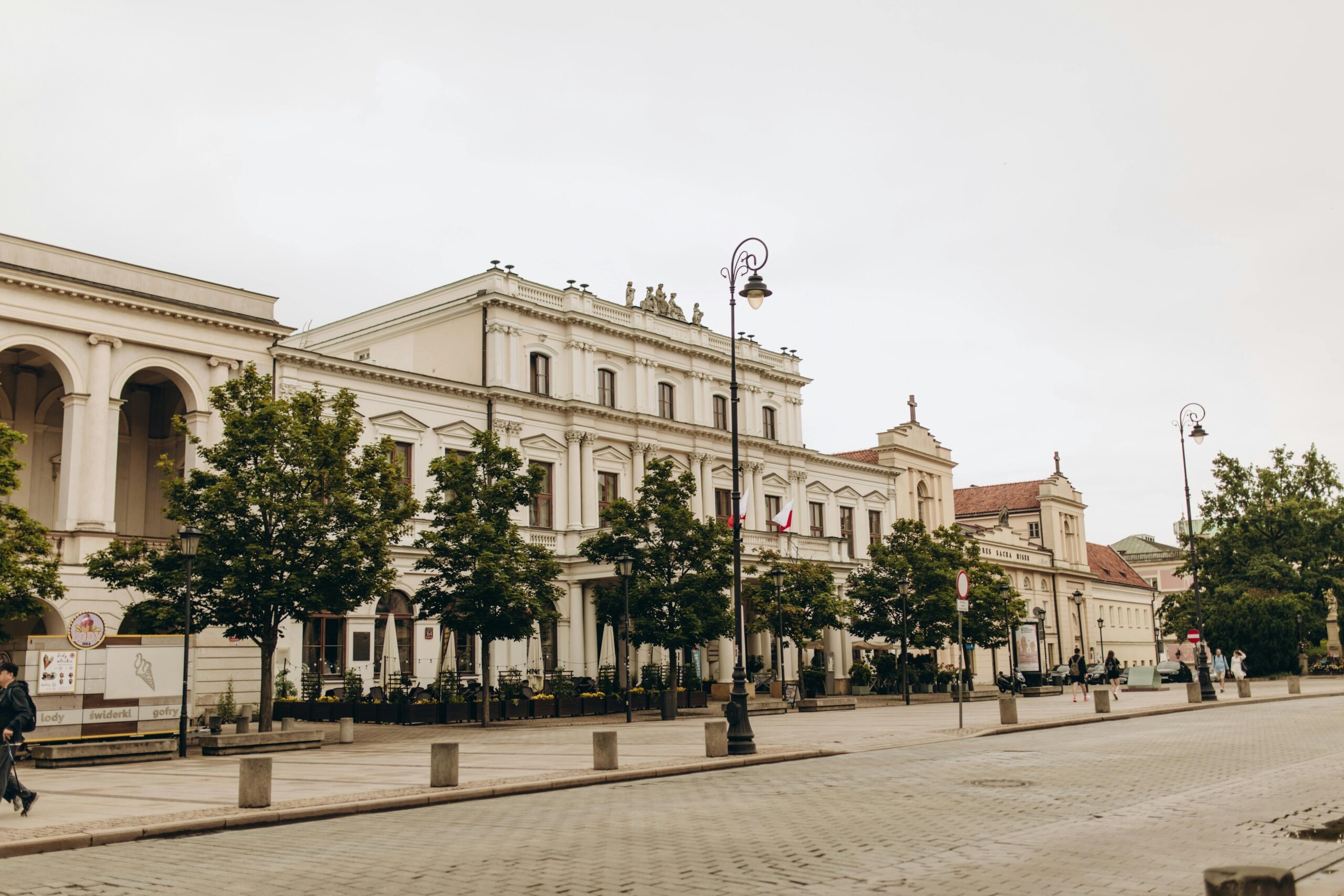
Warsaw travel cost: when prices rise and fall
Travel cost in Warsaw varies by season. Peak months in summer command higher hotel rates and pricier weekend restaurant reservations. Conversely, late autumn and winter (excluding the Christmas/New Year period) can be the most economical time to visit, with discounted accommodation and off-peak airfare deals.
For up-to-date cost comparisons and local price trends, consult reputable cost-of-living and travel resources to estimate daily budgets and accommodation averages before booking. A nightly mid-range hotel in high season will be noticeably more expensive than the same room in shoulder months, so flexible travel dates can yield substantial savings.
Month-by-month planning guide
Choosing a specific month helps set expectations for weather, events, and costs. Below is a concise month-by-month summary to match travel goals with Warsaw’s seasonal character.
- January: Cold, quiet, good for museum time and low prices; dress warmly for outdoor sightseeing.
- February: Still wintery; carnival events and fewer visitors make it ideal for budget travelers and photography of frosted architecture.
- March: Early spring variability—some mild days, some chill. Museums and indoor attractions are pleasant without crowds.
- April: Blossoming parks; Easter services and holidays can increase local travel—book accommodation early for holiday weekends.
- May: One of the best months—parks in bloom, comfortable temperatures, and cultural events begin to ramp up.
- June: Warm weather and long daylight; expect more tourists but still manageable crowds compared with July.
- July: Peak tourist season—hot days, outdoor festivals, and busiest sights. Book tickets in advance.
- August: Similar to July; some locals take holidays, which can make certain restaurants quieter midweek.
- September: Excellent shoulder month—pleasant weather, harvest festivals, and thinning crowds after summer.
- October: Crisp air and fall foliage; good for photography and walking tours, though days shorten noticeably.
- November: Cooler and often grey—lower prices and quiet streets, a good time for museums and historic sites.
- December: Festive atmosphere and markets from mid-December onwards; expect local crowds around holidays and higher rates during the Christmas/New Year period.
Practical tips for timing your visit
To make the most of your trip, match your priorities to the season. If outdoors and river activities top your list, aim for late May–early September. If you prefer lower prices and an indoor cultural focus, choose late autumn or winter outside of the main holiday weeks.
Book in advance for summer and festival periods, and check opening hours for museums and palaces that may have seasonal schedules. Also consider midweek travel to avoid weekend surges at popular attractions and restaurants.
FAQs
What months offer the best weather for sightseeing in Warsaw?
Late May through June and September typically offer the most comfortable weather for sightseeing—mild temperatures, long daylight hours, and lower rainfall compared with early spring or late autumn.
Is Warsaw expensive to visit compared with other European capitals?
Warsaw is generally more affordable than many Western European capitals, but costs fluctuate by season and neighborhood. Dining out, public transport, and museum admissions are typically reasonable; accommodation can be the biggest variable during peak months.
Are there any events that should influence when I visit?
Yes. Summer music and arts festivals boost foot traffic and atmosphere, while December’s holiday markets and celebrations create a festive mood but higher prices. Religious holidays and national celebrations can also affect opening hours and crowds.
Can I rely on public transport year-round?
Warsaw’s public transport network—trams, buses, and metro—operates year-round and is efficient for reaching most attractions. In winter, dress for cold conditions and allow extra time for surface transport in snowy weather.
How far in advance should I book hotels and tours?
For travel during June–August and around major festivals or holidays, book hotels and popular tours at least 2–3 months in advance. In shoulder and low seasons, booking a few weeks ahead often suffices, though weekend stays near events may still sell out earlier.
Conclusion
Choosing the best time to visit Warsaw depends on whether you prioritize weather, crowds, or travel cost. Late spring and early autumn commonly offer the best balance—pleasant Warsaw weather, manageable tourist season crowds, and good value compared with high summer. If budget is the priority, aim for late autumn or winter (outside major holidays) to benefit from lower prices and quieter attractions.
Plan around any specific festivals or public holidays that interest you, pack appropriately for seasonal conditions, and book popular experiences in advance during busy months. With the right timing, Warsaw’s mix of history, green spaces, and cultural life makes it a rewarding destination year-round.
For official visitor information, including event calendars and transport advice, consult the national tourism site for Poland and local cost comparison resources before booking.
Poland’s official tourism portal
Current cost-of-living and price data for Warsaw