Deciding the best time to visit Bordeaux depends on what you want from the trip: warm vineyard days, quieter city streets, or lively festival atmospheres. Whether you’re planning a weekend tasting tour or a two-week exploration of Nouvelle-Aquitaine, this guide will help you choose the season and months that match your priorities.
This article covers climate patterns, month-by-month recommendations, crowd levels during the tourist season, budget considerations, and practical tips for getting the most from your stay. Read on to learn when Bordeaux’s weather, events, and prices align with your travel style.
When to go: seasons at a glance
Bordeaux has a temperate oceanic climate: mild winters, warm summers, and relatively even precipitation year-round. For many travelers, late spring (May–June) and early autumn (September–October) are the sweet spots: the vines are vibrant, outdoor patios are in use, and temperatures are comfortable without the peak summer crowds. Those seeking the absolute warmest weather often prefer July and August, but keep in mind tourist numbers and higher prices during those months.
If your priorities are lower travel costs and quieter streets, consider visiting between November and March. Winter months bring lower Bordeaux travel cost and more affordable accommodations, though some small wineries may reduce opening hours and rain is more frequent.
Month-by-month guide
Here is a practical month-by-month breakdown to help you match specific activities and weather expectations to the right time of year.
- January–February: Quiet, chilly (averaging 5–8°C / 41–46°F). Good for museum visits, city architecture, and off-season deals, but vineyards can be dormant and several attractions have reduced hours.
- March–April: Early spring brings milder temperatures and blooming parks. Tourist season begins to ramp up in late April; expect unpredictable showers but pleasant sightseeing weather on clear days.
- May–June: Often considered the best overall period. Warm days, long evenings, and open châteaux make this ideal for wine tours and outdoor dining. May can be especially comfortable before peak summer heat and crowds.
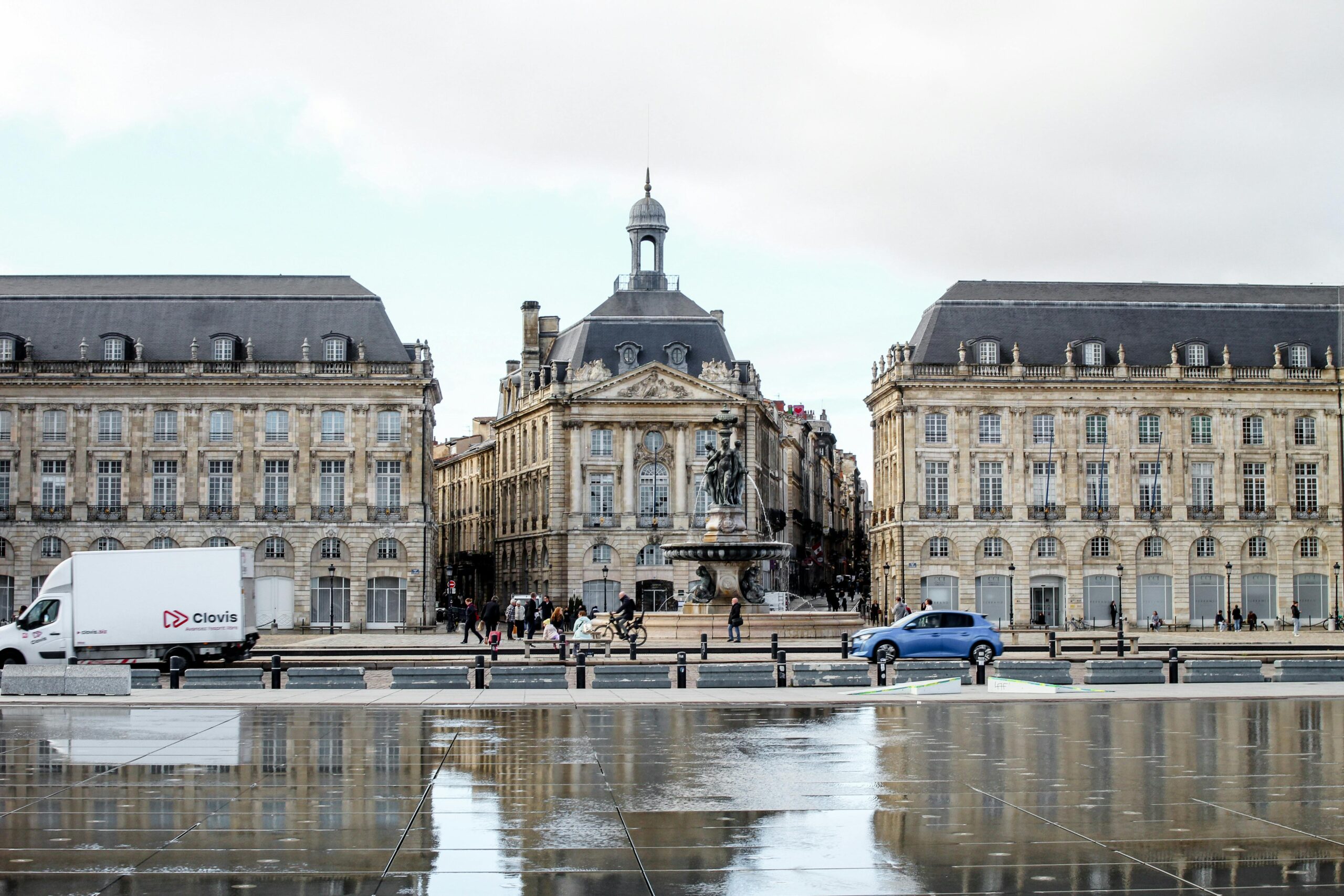
- July–August: Hottest and busiest months. Daily temperatures often exceed 25°C (77°F). Festivals and events peak, but so do hotel rates and crowds in popular spots like Place de la Bourse.
- September–October: Harvest season in the vineyards (vendanges) and very attractive for wine-focused travel. Days remain warm through September, and October brings crisp air and autumn colors.
- November–December: Colder, wetter, and quieter. Winter markets and holiday lights create a different atmosphere; ideal if you want to avoid crowds and reduce Bordeaux travel cost.
Understanding Bordeaux weather
Bordeaux weather is moderated by the Atlantic, which keeps summers from becoming excessively hot and winters from plunging into severe cold. Average highs range from about 8–10°C (46–50°F) in winter to 25–28°C (77–82°F) in summer. Rain is fairly evenly distributed across the year, so packing a light rain jacket is smart regardless of season.
If you are focused on outdoor activities—cycling along the Garonne, strolling the quays, or wine-harvesting tours—aim for late spring through early autumn when rainfall probability is lower and daylight hours are extended.
Events, festivals and the tourist season
Bordeaux’s calendar features food, wine, and culture events that influence the best time to visit. The tourist season peaks in July and August when many festivals and outdoor concerts take place. Key events to consider when planning your trip include the harvest period (late August–October) when vineyards are most active and local festivals celebrate wine and gastronomy.
For travelers who want to time a trip around a signature event, it’s worth booking months ahead. If you prefer to avoid the tourist season, consider late spring or early autumn weekdays when attractions are less busy and local neighborhoods feel more authentic.
Bordeaux travel cost: when prices drop and why
Costs for flights, hotels, and tours tend to rise during high season (summer and major festivals). To lower Bordeaux travel cost without compromising experience, target shoulder months—May, early June, and September—when weather is reliable but demand and rates are lower. Winter months deliver the biggest savings for accommodations and some guided experiences, though vineyard access can be limited.
For accommodation bookings and to compare options across neighborhoods, many travelers use large hotel platforms to find deals and flexible cancellation policies; these can be helpful when planning around weather-sensitive activities and event dates. For quick searches of available properties in Bordeaux, you can search hotels and apartments in Bordeaux.
Where to stay and how to avoid crowds
Choosing a base can shape your experience. Central Bordeaux (near the historic center and the river) is ideal for first-time visitors who want walkability and easy access to major sights. For quieter stays and often lower rates, neighborhoods like Chartrons or Bassins à Flot offer a local feel while remaining a short tram ride from the center.
To avoid peak visitor numbers in popular areas, plan major sightseeing early in the morning or after typical dining hours. Booking smaller guided tours or private tastings at wineries can also sidestep the larger coach-tour groups that dominate midday in high season. If you prefer to compare and book lodging options with maps and reviews, it’s useful to compare places to stay in different neighborhoods.
Practical tips for planning your trip
- Pack layers: Even summer evenings can feel cool near the river, and shoulder seasons may include chilly mornings.
- Book popular wineries in advance during harvest season to secure tours and tastings.
- Use public transit and bikes—Bordeaux’s tram system and bike-share network make it easy to navigate without a car.
- Reserve restaurants for dinner in high season and on weekends, especially for well-known bistros and wine bars.
- Consider weekday travel to attractions to avoid weekend crowds, especially at the Cité du Vin and major museums.
FAQs
What is the single best month to visit Bordeaux?
Many travelers identify May and September as the best single months: both offer mild temperatures, active vineyards, and fewer peak-summer crowds. May presents spring blossoms and comfortable sightseeing weather, while September coincides with grape harvests and often clear skies.
How does Bordeaux weather affect vineyard visits?
Bordeaux weather influences harvest timing and vineyard accessibility. During late summer and early autumn, vines are busiest with harvest activity and many châteaux offer special events. In winter, some estates reduce visiting hours, but indoor tastings and cellar tours still run at many producers.
When is Bordeaux’s tourist season and how crowded does it get?
The tourist season peaks in July and August. During these months, main sights, riverfront areas, and popular wine tours can be crowded, and prices for lodging rise. Shoulder seasons (spring and early autumn) give a good balance of pleasant weather and moderate visitor numbers.
Is Bordeaux expensive to visit?
Bordeaux travel cost varies by season and style. Summer and festival periods bring higher accommodation and tour prices. To save, travel in the off-season (November–March) or shoulder months and book lodging and transportation in advance. Dining and wine-tasting budgets depend largely on your choices—from casual bistros to high-end Michelin dining.
Can I combine Bordeaux with other regions easily?
Yes. Bordeaux is well connected by train and road to regions such as the Dordogne, Arcachon Bay, and Cognac. Day trips or multi-day itineraries combining coastal beaches, countryside châteaux, and nearby historic towns are straightforward and popular for travelers with more time.
Conclusion
Choosing the best time to visit Bordeaux comes down to balancing weather, crowds, and cost. For most visitors seeking pleasant weather and active vineyards, late spring and early autumn provide the ideal mix. If you prefer lower prices and quieter streets, winter months are worth considering, with the trade-off of fewer outdoor activities. Plan around events you most want to experience, book key visits in advance, and pick a neighborhood that matches your pace to make the most of Bordeaux’s rich food, wine, and cultural offerings.