Deciding the best time to visit Valencia depends on what you want from your trip: warm Mediterranean beaches, buzzy festivals, or quieter museum- and tapas-filled days. Valencia’s climate and calendar mean there are clear high, low, and shoulder seasons that shape prices, crowds, and what you can comfortably do outdoors.
This guide breaks down Valencia weather, tourist season trends, travel costs, and practical tips so you can choose the month that fits your priorities—whether that’s catching Las Fallas in March, enjoying sun on Malvarrosa Beach in July, or exploring the City of Arts and Sciences with fewer crowds in November.
When is the best time to visit Valencia?
For most travelers the best time to visit Valencia is during the shoulder seasons: late spring (May–June) and early autumn (September–October). During these months the Valencia weather is reliably pleasant—warm but not sweltering—and temperatures sit comfortably between about 18°C and 27°C (64°F–81°F). Sightseeing is easier with smaller crowds than the peak summer, and hotel and flight prices are more reasonable than in July and August.
If your top priority is beach weather, mid-June through early September offers hot, sunny days and warm sea temperatures. Conversely, if you want to experience Valencian culture and festivals, plan for March to coincide with Las Fallas, when the city becomes a spectacular mix of art, parades, and nightly fireworks—but expect crowds and higher travel costs during that tourist season peak.
Valencia weather by season
Valencia has a Mediterranean climate: mild, wet winters and hot, dry summers. Understanding month-by-month patterns helps you set realistic expectations.
- Winter (December–February): Mild daytime temperatures around 12°C–17°C (54°F–63°F) and occasional rainy days. Ideal for city sightseeing and lower hotel rates.
- Spring (March–May): Temperatures rise from roughly 15°C to 23°C (59°F–73°F). March hosts Las Fallas; April and May are dry and sunny—great for outdoor dining and exploring parks.
- Summer (June–August): Hot and dry with daytime highs often in the high 20s to low 30s°C (82°F–90°F). Beaches are lively and the sea is warm; prepare for crowds and higher prices.
- Autumn (September–November): Warm through September, cooling into October and November. This is another excellent shoulder season for smaller crowds and pleasant weather for walking and cycling.
Peak tourist season and major events
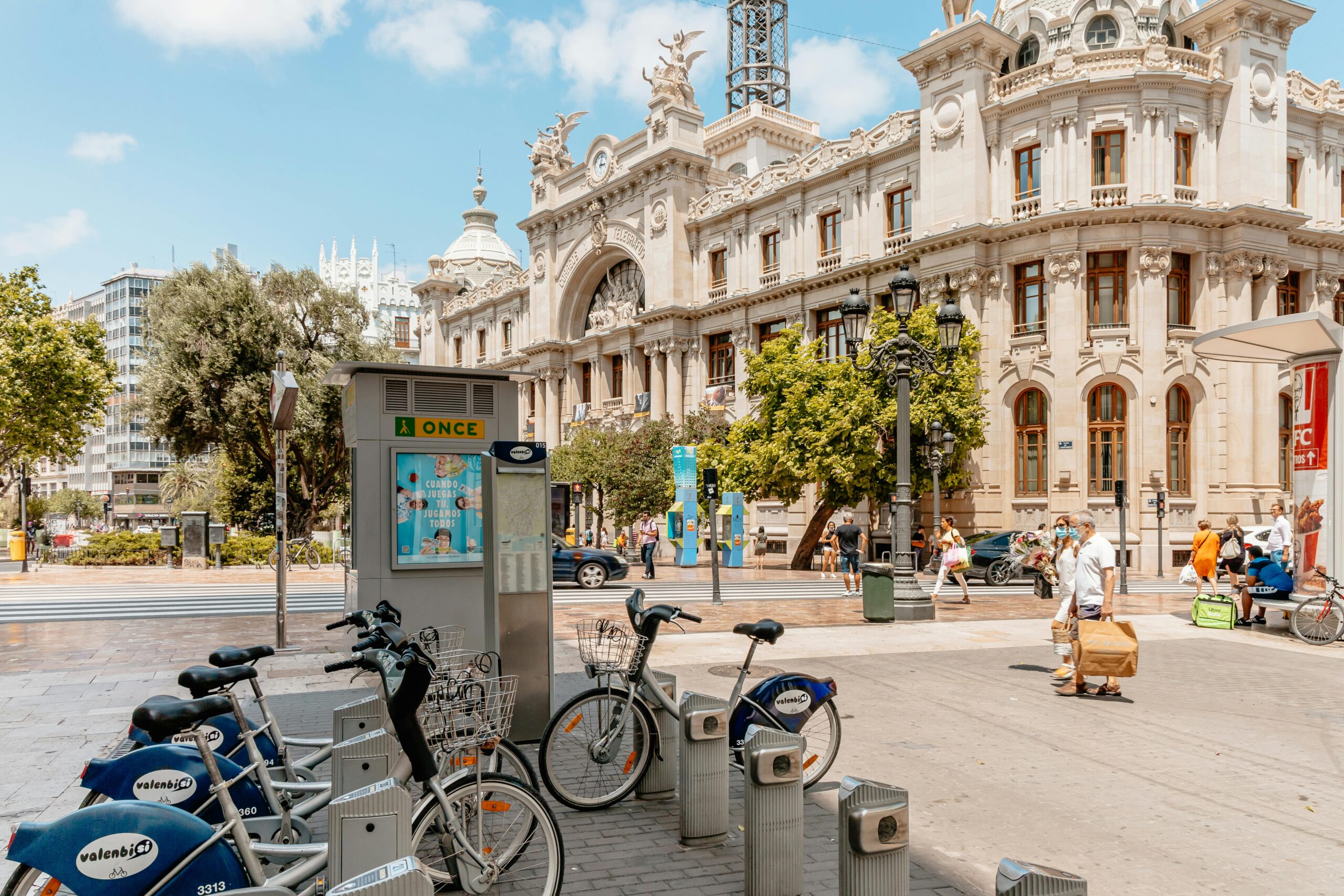
Valencia tourist season peaks in July and August when European summer holidays fill the city and beaches. Hotel prices climb and popular sights like the Central Market and the Oceanogràfic get crowded. If you plan to travel in peak season, book accommodation early and arrive early to attractions to avoid long lines.
March is a very special time: Las Fallas is Valencia’s biggest annual festival, with dramatic papier-mâché sculptures, street parties, and nightly fireworks culminating in the “La Cremà” bonfires. The atmosphere is unforgettable, but expect sold-out hotels and busy streets around the city centre.
Best months depending on your priorities
If you’re prioritizing quiet exploration and lower costs, aim for November, February, or late October. Museums, tapas bars, and the Turia Gardens are enjoyable without large crowds. For warm-weather beach holidays, mid-June through September is optimal.
To catch cultural highlights: visit in March for Las Fallas or late September for quieter festivals and the grape harvest atmospheres in nearby wine regions. If you need convenient access to a wide hotel selection, use an established booking service to compare neighborhoods and availability; you can find hotels in Valencia quickly online.
Valencia travel cost: budgeting by season
Valencia travel cost varies with season and how you travel. On average, expect to pay more for accommodation and flights in summer and during Las Fallas. Shoulder seasons deliver better value without sacrificing much on weather.
- Accommodation: Low season (winter, excluding festivals) can be 20–40% cheaper than peak summer nights. Apartments and guesthouses often offer discounts in off-peak months.
- Dining and transport: Eating out and public transport prices are fairly stable year-round. Take advantage of set lunchtime menus (“menu del día”) for value meals.
- Attractions: Museum and attraction prices are constant, but guide tours and excursions may be cheaper off-season or by booking in advance.
For practical planning, set a daily budget target: backpackers can manage on a modest budget by using public transit and budget eateries; mid-range travelers should budget for museums, a few guided experiences, and mid-tier hotels. If you prefer flexibility and want to book accommodation with free cancellation, you can book accommodation options and change dates as needed.
How to avoid crowds and save money
Travelers who want to avoid the busiest times or reduce spending should consider these tactics:
- Travel in shoulder months (May, June, September, October) for fewer tourists and moderate prices.
- Book mid-week stays rather than weekends and avoid the two weekends around Las Fallas if visiting in March.
- Use the city’s efficient public transport and rent bikes to cover the flat city quickly and cheaply.
- Reserve popular attractions or guided tours in advance for both price guarantees and guaranteed entry times.
- Choose neighborhoods a short tram or metro ride from the centre—Ruzafa and El Carmen offer lively dining with slightly lower rates than beachfront hotels.
Packing and practical tips by season
Packing depends strongly on season. For summer, bring light clothing, sun protection, and comfortable sandals for cobblestone streets. If visiting the beach, include swimwear and a light cover-up for restaurants. In winter, pack a medium-weight jacket and layers: evenings can be cool even if days feel mild.
- Spring/Autumn: Light layers, a light rain jacket, comfortable walking shoes.
- Summer: Sunscreen, hat, sunglasses, breathable fabrics, and refillable water bottle.
- Winter: Waterproof footwear for occasional rainy days and a warmer layer for evenings.
Remember local norms—Valencia’s tapas culture means casual-smart attire is common in restaurants after dinner. Also, plan for siesta-influenced opening hours outside central tourist areas where shops may close in the mid-afternoon.
Day trips and how weather affects them
Valencia’s location makes it a great base for varied day trips. Weather influences what’s best to choose:
- Hot summer days are ideal for Albufera Natural Park boat rides and beach visits; early mornings are cooler for city walking tours.
- Spring and autumn offer great conditions for cycling or wine tours inland in Utiel-Requena without the summer heat.
- Winter is excellent for exploring historic towns such as Xàtiva or Sagunto, where lower tourist numbers make attractions more accessible.
Transport is straightforward: frequent trains and regional buses serve surrounding towns. Advance planning helps when attempting popular excursions or timed boat trips in the warmer months.
FAQs
What is the warmest month in Valencia?
July is typically the warmest month, with average daytime highs often reaching the high 20s to low 30s°C (around 82–90°F). August also remains very warm and is part of the busiest beach season.
Is Valencia rainy in spring?
Spring in Valencia is generally mild and increasingly dry from March to May. March can be variable—cooler and with occasional showers—but April and May are usually pleasant and sunny, perfect for sightseeing.
When should I visit to experience Las Fallas?
Las Fallas takes place each March, with the busiest festival days in mid-March culminating on March 19. Book well in advance if you plan to attend, as hotels fill early and prices spike during the festival.
Can you swim in Valencia in September?
Yes—September is a good month for swimming. Sea temperatures remain warm from the summer months, and the crowds thin out compared to July and August, offering a nice balance of good weather and manageable beach density.
How expensive is Valencia compared with other Spanish cities?
Valencia is generally more affordable than Barcelona and Madrid for accommodation and dining, especially outside peak summer and festival dates. Costs for museums, transit, and meals are reasonable, but prices rise during tourist season and major events.
Conclusion
Choosing the best time to visit Valencia depends on whether you prioritize weather, festivals, crowds, or cost. For most visitors, late spring and early autumn hit the sweet spot: pleasant Valencia weather, fewer crowds than summer, and good value. If you’re after beach days, plan for June–September; for cultural spectacle, schedule March for Las Fallas knowing prices and crowds will be higher.
Regardless of season, Valencia rewards thoughtful planning: book accommodation early for busy periods, pack season-appropriate clothing, and consider side trips that match seasonal conditions. With its mix of beaches, vibrant neighborhoods, and world-class architecture, Valencia is a year-round destination—you only need to pick the best window for your priorities.