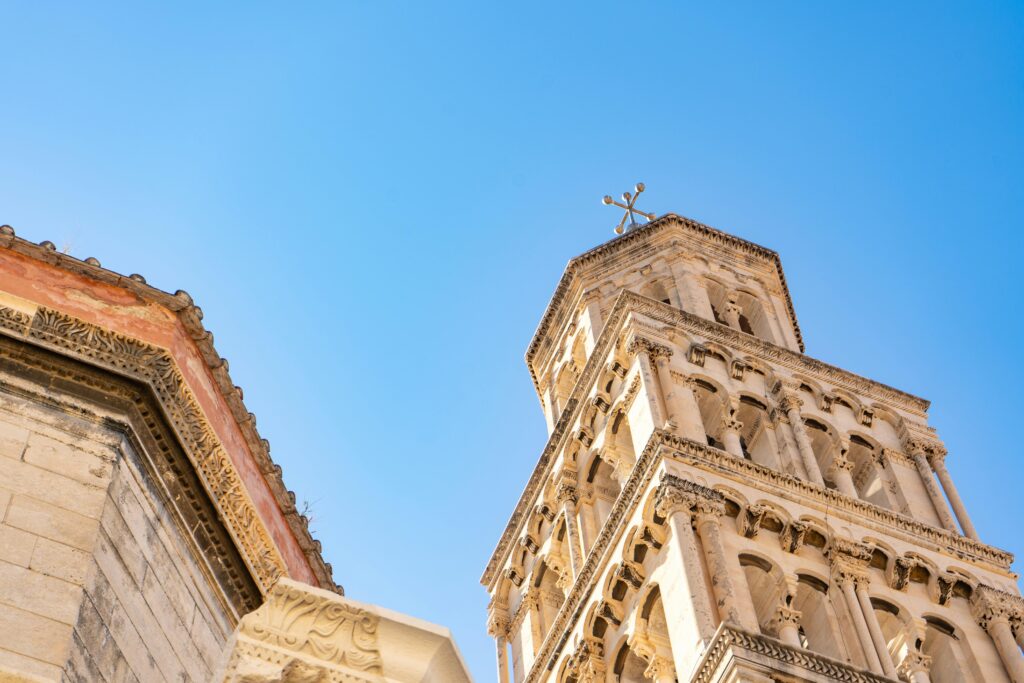
Deciding on the best time to visit Split depends on what you want from Croatia’s sunniest Dalmatian city: warm Adriatic swimming, lively festivals, or quieter roaming through Diocletian’s Palace. The best time to visit Split balances pleasant Split weather, manageable crowds, and reasonable travel costs so you can enjoy beaches, cafés, and historic sites without stress.
This guide breaks down seasons, crowd patterns (Split tourist season), budgeting tips (Split travel cost), and practical advice so you can pick the ideal window for your trip and plan activities that match the weather and energy of the city.
When is the best time to visit Split?
For most travelers, the shoulder months of late spring (May–early June) and early autumn (September–early October) are the sweet spot. Temperatures are warm but not sweltering, the sea is comfortable for swimming, and the city is less crowded than the peak summer months. If you prioritize beach time and a full timetable of events, July and August are unbeatable for atmosphere, but expect higher Split travel cost and big crowds.
If you prefer a calmer cultural experience—museums, architecture walks, and dining like a local—late autumn and winter offer the quiet streets and better-value accommodation. Even winter has mild days compared with northern Europe, so Split remains appealing year-round for travelers who can tolerate cooler evenings.
Split weather by season
Split has a Mediterranean climate: hot, dry summers and mild, wetter winters. Understanding Split weather seasonally helps you pack and plan activities.
- Spring (March–May): Temperatures climb from about 10–18°C (50–64°F) in March to 18–24°C (64–75°F) by May. Late spring sees blooming gardens, quieter attractions, and often sunny days—ideal for walking and day trips to nearby islands.
- Summer (June–August): Highs often reach 28–33°C (82–91°F). July and August are the warmest and driest, with long daylight hours. Sea temperatures are perfect for swimming and water sports.
- Autumn (September–November): Early autumn maintains warm sea and daytime temperatures in September (20–26°C / 68–79°F), with cooling and increased rainfall into November. September is especially popular due to pleasant swimming conditions and thinner crowds than August.
- Winter (December–February): Mild but wetter, with averages around 8–14°C (46–57°F). Snow is rare; many restaurants and hotels remain open, and you’ll see locals enjoying city life without the tourist crush.
Spring and autumn combine comfortable daytime weather with fewer tourists, while summer delivers reliably warm sea temperatures and the most vibrant outdoor life.
Peak tourist season and crowd management
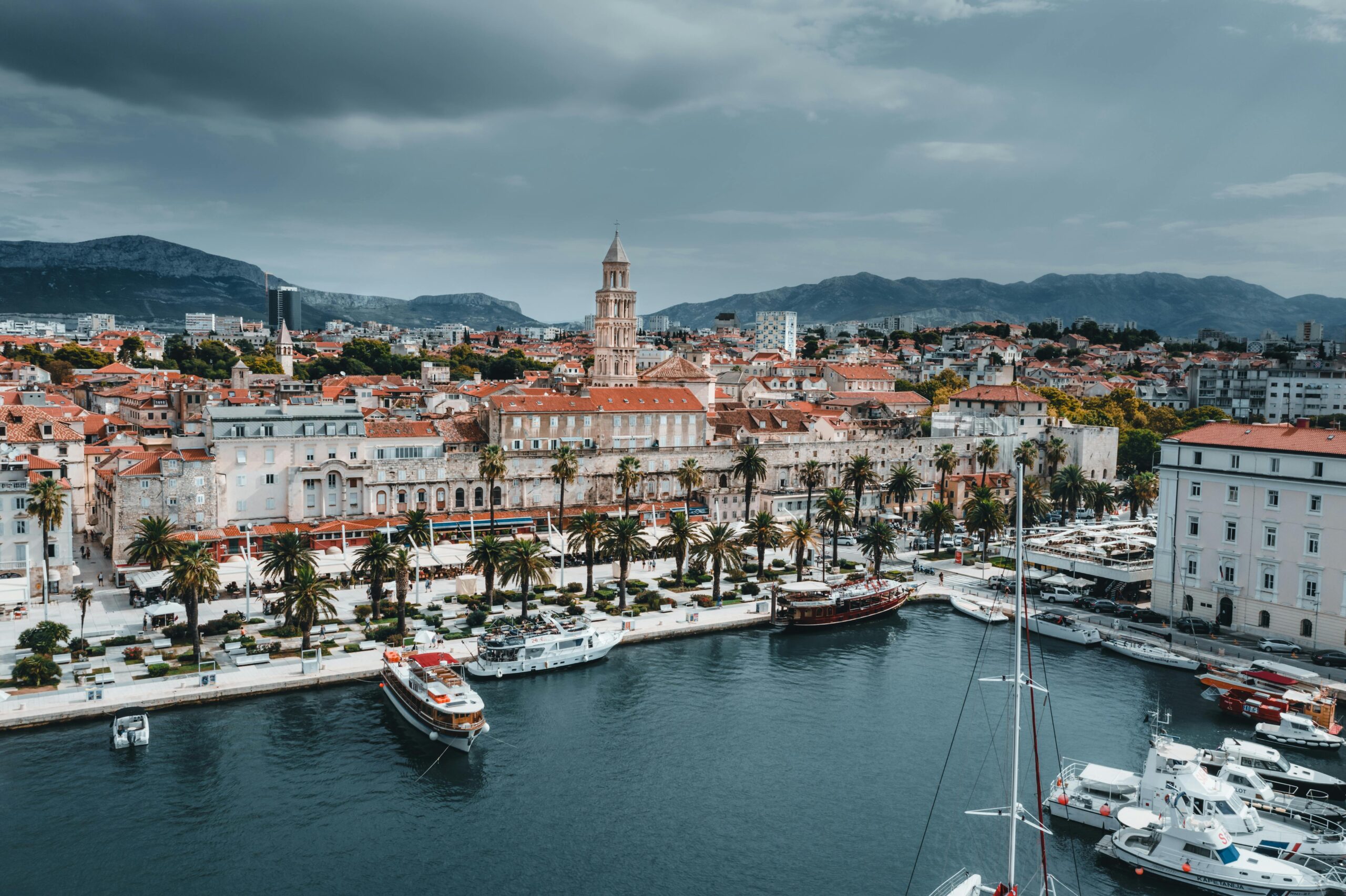
Split tourist season peaks in July and August when cruise ships, charter groups, and holiday travelers converge. The historic center and waterfront Riva are busiest midday and early evening. If you visit during these months, arrive early at popular sites like Diocletian’s Palace or schedule museum visits for late afternoon to avoid lines.
To limit the impact of crowds, consider these approaches:
- Stay in a quieter neighborhood (e.g., Varoš or Meje) and commute into the old town on foot.
- Book tickets for attractions and island ferries ahead of time to secure spots and often better prices.
- Explore lesser-known beaches such as Bene or Kašjuni for a more tranquil seaside experience.
If you prefer a very quiet visit with lower Split travel cost, aim for late autumn or winter. Many tour operators and smaller restaurants scale back their hours off-season, so check availability in advance.
Split travel cost: budgeting by season
Travel costs in Split fluctuate with the season. Expect the highest prices for flights, hotels, and organized tours in July and August. Accommodation rates can be substantially higher during peak weeks, especially with cruise liners in port.
For better value, book stays in May, June, or September when hotels lower nightly rates but weather remains excellent. If you’re planning accommodations, check current listings and deals like those found on hotel options on Booking—early reservations often lock in lower rates.
Daily expenses (food, local transport, museum fees) are generally reasonable year-round. You can save by eating where locals dine—konobas (family-run taverns) often offer better prices and authentic menus—using local buses for short trips, and choosing self-catering apartments during longer stays.
What to do by season: activities, festivals, and island trips
Split’s activity calendar shifts with the seasons. Here’s a breakdown to match interests with timing:
- Spring: Ideal for hiking Marjan Hill, visiting the Archaeological Museum, and joining island excursions before the summer rush. Cultural events and calendar festivals begin to reappear in May.
- Summer: Beach time, boat trips to nearby islands like Hvar and Brač, snorkeling, and nightlife on Bacvice and by the waterfront dominate. Summer festivals, open-air concerts, and theatre performances often take place in historic venues.
- Autumn: Long swims are possible in September, plus harvest festivals and quieter city tours. It’s a good window for photography and food-focused travel.
- Winter: Off-season museum visits, local markets, and walking tours reveal a more authentic daily life. It’s also a good time to explore regional wineries and inland Dalmatian towns without crowds.
For help with accommodations and seasonal availability, many travelers compare options and read guest reviews on sites such as find accommodation listings before finalizing dates.
Practical tips: getting around, packing, and timing
Getting around Split is straightforward. The city is compact and walkable, and local buses link neighborhoods and nearby beaches. Ferries and catamarans provide regular service to the islands and coastal towns—book ahead in high season. If you plan car excursions, reserve a rental early in summer to secure availability.
Packing tips by season:
- Bring comfortable walking shoes year-round for cobbled streets and hill trails.
- In summer, pack light fabrics, sun protection, and a reusable water bottle.
- For spring and autumn, layers are best—mornings and evenings can be cool while afternoons stay warm.
- Winter calls for a waterproof jacket and warmer layers for breezy evenings along the waterfront.
Finally, when choosing your dates, consider local holidays and event calendars—some festivals increase prices and demand while also offering special experiences you may not want to miss.
FAQs
What month is best for swimming in Split?
Late June through September offers the warmest sea temperatures, with July and August being the warmest and busiest. September is often ideal for swimming with fewer crowds and still-warm waters.
Is Split crowded in May and October?
May and October are shoulder months with noticeably fewer tourists than peak summer. You’ll find many businesses open, pleasant weather, and better-value accommodation—making them excellent months for sightseeing without the heavy crowds.
How much should I budget per day in Split?
Daily expenses vary by travel style. Budget travelers can manage on modest meals and public transport, while mid-range travelers should plan for meals, local travel, and modest activities. Expect higher daily costs in July–August; booking accommodation outside peak months reduces overall travel expense.
Are there any months to avoid in Split?
No month is strictly “bad,” but if you dislike crowds and high prices, avoid July and August. If you want guaranteed beach weather, avoid late autumn and winter for swimming, though those months are excellent for a quiet cultural trip.
How do I avoid cruise-ship crowds in the old town?
Visit main attractions early in the morning or later in the afternoon when cruise passengers are onshore. Explore side streets and neighborhoods off the Riva, and reserve entry times for key sites when possible.
Conclusion
Choosing the best time to visit Split comes down to priorities: lively beach and festival scenes in July–August, the pleasant balance of weather and lower crowds in May, June, and September, or quieter cultural exploration during winter. Consider your tolerance for crowds, desired activities, and budget when planning. With mild climate year-round and strong local culture no matter the season, Split rewards thoughtful timing—book smart, pack appropriately, and you’ll enjoy one of Croatia’s most memorable coastal cities.