Choosing the best time to visit Tirana depends on what you want from Albania’s energetic capital: warm café-lined afternoons, lively festivals, or quieter streets for museum visits. Tirana enjoys a Mediterranean climate with continental influences, so seasons vary from hot, dry summers to cool, wet winters; planning around weather and events will help you get the most from your trip.
This guide breaks down Tirana weather through the year, outlines high and low tourist seasons, compares travel costs across months, and gives practical tips on when to visit for sightseeing, nightlife, or budget travel. Whether you’re a first-time visitor or returning to explore neighborhoods more slowly, this overview helps you pick the right month for your priorities.
Understanding Tirana weather and seasons
Tirana sits in central Albania, shielded by hills to the east and open toward the Adriatic coast. Summers (June–August) are typically hot and dry, with daytime temperatures often reaching the high 20s to low 30s °C (80s–90s °F). Winters (December–February) are cool and wetter, with average daytime temperatures around 8–12 °C (46–54 °F), and occasional light snow on the surrounding hills. Shoulder seasons—spring and autumn—offer milder temperatures and lower humidity, with plenty of sunshine and comfortable conditions for walking and sightseeing.
Rainfall is heaviest during autumn and winter, so bring a waterproof layer if you visit between October and March. For reliable daily forecasts while planning, check reputable weather services before you book to avoid unexpected conditions that could affect outdoor plans or day trips to nearby mountains and coastal towns.
Peak tourist season vs. low season
Tirana tourist season peaks in July and August, when many Europeans are on summer holidays and the city hums with open-air events, extended café hours, and busy terraces. Museums, galleries and restaurants stay open late, and day trips to coastal towns or the historic city of Krujë are convenient. Expect hotel prices and restaurant demand to be higher during these months.
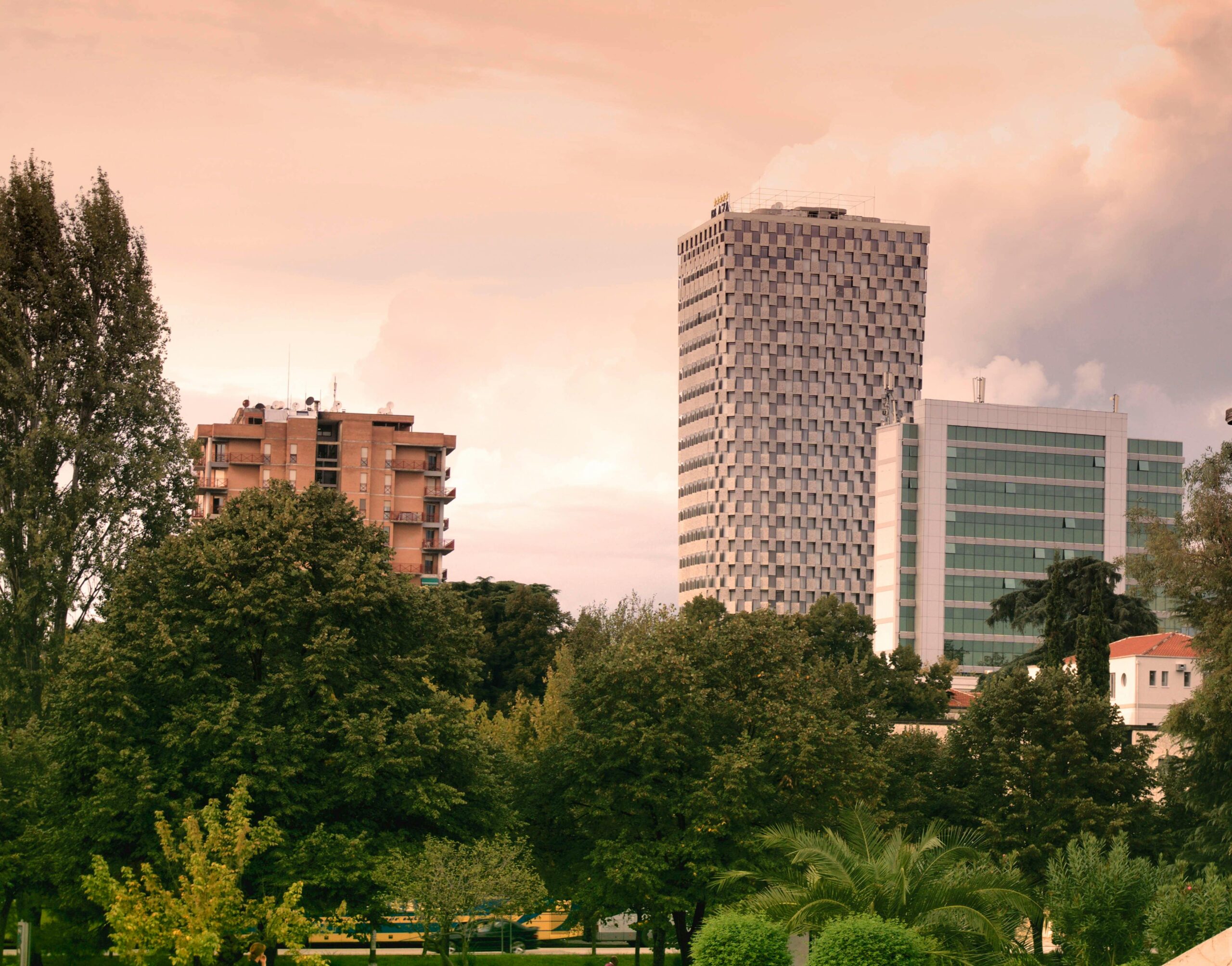
Low season runs from late November through February. This is the quietest time for visitors: fewer crowds, more flexible accommodation options, and better deals. Some small businesses may close for short periods in January and February, and daylight is shorter, but museum queues are minimal and you can experience a more local tempo to daily life.
Month-by-month breakdown: when to go for different interests
Spring (March–May): Ideal for walking tours, parks and outdoor cafés. Temperatures gradually climb into the mid-teens to low 20s °C and parks such as Rinia and Grand Park burst with blossoms. Cultural events begin to pick up in May.
Summer (June–August): Best for nightlife, festivals and long days. Expect hot afternoons and late sunsets. If you want to combine Tirana with Albania’s beaches, use summer as an opportunity to split time between the city and the coast.
Autumn (September–November): Warm early autumn makes September a sweet spot—pleasant weather, thinning crowds after August and continued cultural programming. By late October, expect more rain and cooler evenings, but still good conditions for exploring museums and cafes.
Winter (December–February): Quiet and atmospheric, winter offers lower travel costs and easier access to indoor attractions like the National History Museum and Bunk’Art museums. Pack layers and a waterproof coat; occasional snow can make the city photogenic but chilly.
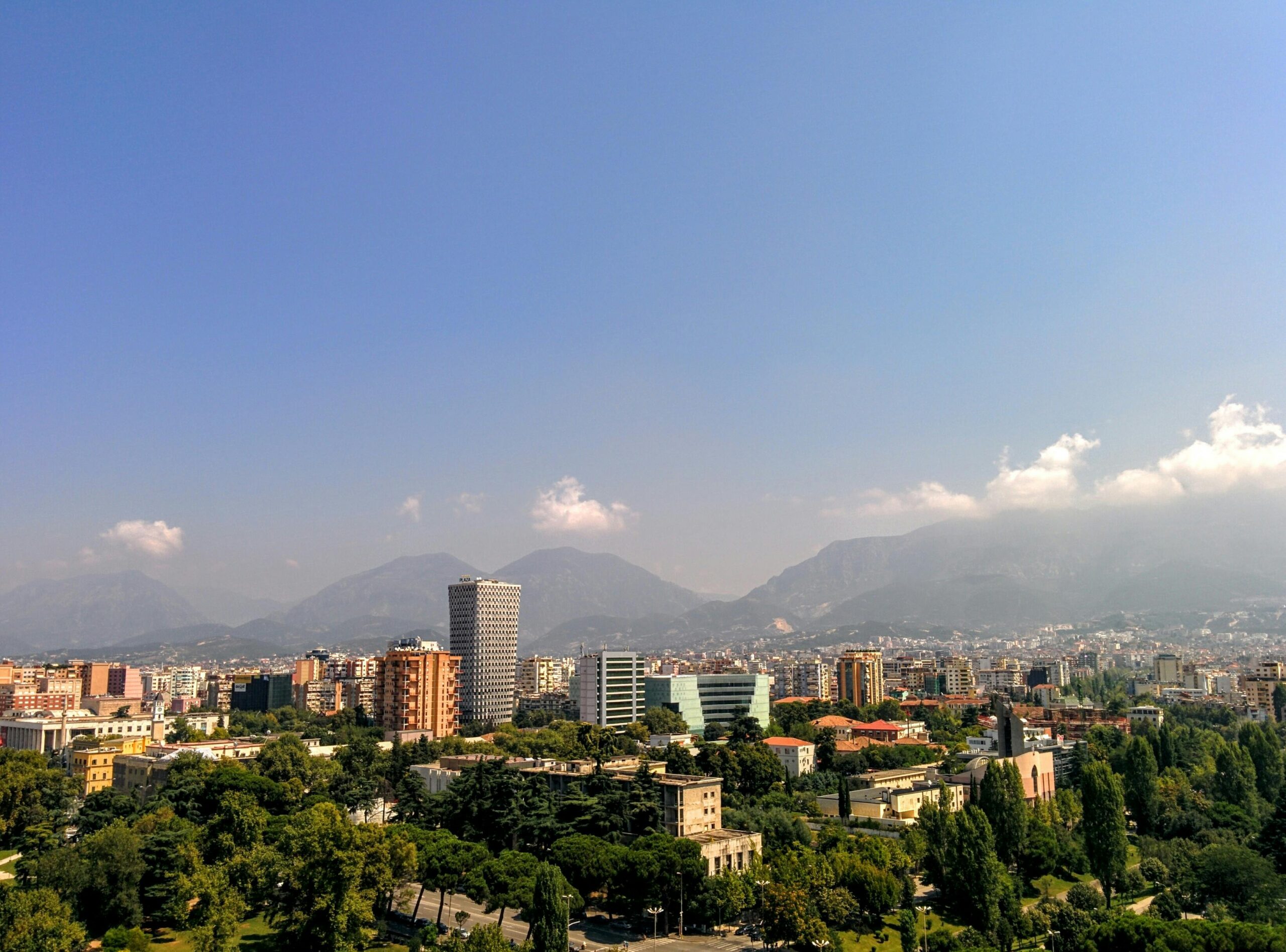
How Tirana travel cost changes by season
Travel costs in Tirana are generally lower than in Western European capitals, but prices still fluctuate with the tourist calendar. Peak-season airfare and hotel rates spike in July and August; book at least a few months ahead if traveling then. During shoulder seasons you’ll find more competitive hotel rates and occasional flight deals.
For accommodation options and to compare pricing across neighborhoods—from Blloku’s lively streets to the quieter areas near the Grand Park—use reputable booking platforms to view current availability and user reviews before deciding. Comparing options helps you balance budget and comfort.
Practical tips for choosing the right time
If you prefer fewer crowds and cheaper prices: travel November–March, but be aware shorter daylight and cooler weather. If you want guaranteed sunshine and the full festival atmosphere: visit June–September, keeping in mind higher prices and busier streets. For comfortable walking weather and still-plentiful activities, April–May or September–October are excellent choices.
Consider timing for specific events: Tirana hosts occasional cultural festivals, open-air concerts and exhibitions that vary year to year. If attending a specific event is important, confirm dates well in advance and secure accommodation early.
What to pack by season
- Spring/Autumn: light layers, a lightweight waterproof jacket, comfortable walking shoes, and a scarf for windier evenings.
- Summer: breathable clothing, sunscreen, a hat, and a refillable water bottle for walking between outdoor cafés and plazas.
- Winter: warm layers, a waterproof outer layer, closed shoes or boots, and a compact umbrella.
Also bring a small daypack for urban hikes to the Dajti hills or for carrying purchases from local markets. Power adapters are Type C and F, common across Europe.
Getting around and day-trip timing
Tirana is compact and walkable; the main squares and museums are within easy reach, so a short trip can be productive even on a long weekend. Public transport and taxis are affordable; traffic can be heavier during summer afternoons. If you plan day trips to Berat, Krujë or the Albanian Riviera, allow for extra travel time and consider starting early to make the most of daylight.
For hotels, neighborhoods like Blloku place you close to nightlife and cafés while Tirana’s northern blocks provide calmer, more residential options. If booking during busy months, allow time in your itinerary for relaxed exploration rather than racing between sights.
FAQs
When is the warmest month in Tirana?
July is typically the warmest month, with daytime highs often in the upper 20s to low 30s °C (80s–90s °F), making it ideal for outdoor dining and late-night strolls, but expect higher prices and larger crowds.
Is spring a good time to visit for outdoor activities?
Yes. Spring (April–May) offers comfortable temperatures, blooming parks and manageable crowds—perfect for walking tours, picnic stops and exploring open-air markets.
How does Tirana travel cost compare in high vs. low season?
Costs rise in July and August due to increased demand for hotels and flights. Low season (late November–February) typically yields the best accommodation deals and off-peak transport fares, though some small venues may reduce hours.
Are museums and attractions open year-round?
Major museums and attractions remain open throughout the year, though hours can be reduced in winter. Smaller cultural venues or seasonal tours may operate on limited schedules during the quietest months.
Where can I find current hotel and accommodation options?
To compare hotels, read recent reviews and check availability across dates and neighborhoods; many travelers use widely-known booking platforms for side-by-side comparisons and confirmed guest feedback.
Conclusion
The best time to visit Tirana balances personal priorities—weather, crowds, and cost. For sun and nightlife, choose late spring through early autumn; for lower prices and a quieter urban experience, pick late autumn or winter. Shoulder seasons often hit the sweet spot with pleasant Tirana weather, manageable crowds and fair travel costs. With sensible packing, flexible planning, and an eye on event calendars, you can enjoy Tirana’s lively cafés, museums and local culture any time you visit. Safe travels and enjoy discovering Albania’s capital.