Deciding on the best time to visit Zurich depends on what you want from the trip: outdoor lake days, crisp winter markets, or quieter streets for sightseeing. Zurich’s compact city center, reliable public transport and a calendar of seasonal events mean the ideal month varies by mood—this guide helps you match timing to experience.
Below you’ll find practical weather insights, tourist-season patterns, budgeting advice and packing tips so you can choose the right dates and make the most of your stay in Switzerland’s largest city.
When to visit Zurich: a quick overview
Zurich has four distinct seasons, each with its own advantages. Spring (April–June) brings mild temperatures, flowering parks and fewer crowds than mid-summer. Summer (late June–August) is the warmest and sunniest time to enjoy the lake and outdoor cafés, while early autumn (September–October) offers clear days, colorful foliage and lower hotel rates. Winter (December–February) is cold and often snowy, but it’s the time for Christmas markets, cozy restaurants and discounted weekday stays.
Your priorities—weather, events, budget and crowd levels—will determine when the city feels best. If you want a balance of good weather and manageable visitor numbers, late spring and early autumn are commonly recommended.
Best months to visit Zurich
For warm, pleasant weather and open outdoor attractions, May through September are the most popular. May and June feature moderate temperatures (typically 12–22°C / 54–72°F) and blossoming public gardens. July and August are the warmest months, with plenty of lake activity but also the highest local tourism. September and early October reward visitors with comfortable days, cooler evenings and shrinking crowds.
If you want to enjoy seasonal festivities, plan around these highlights: the lively Street Parade in August, the spring tradition of Sechseläuten in April, the Zurich Film Festival in late September/early October, and the city’s atmospheric Christmas markets in December.
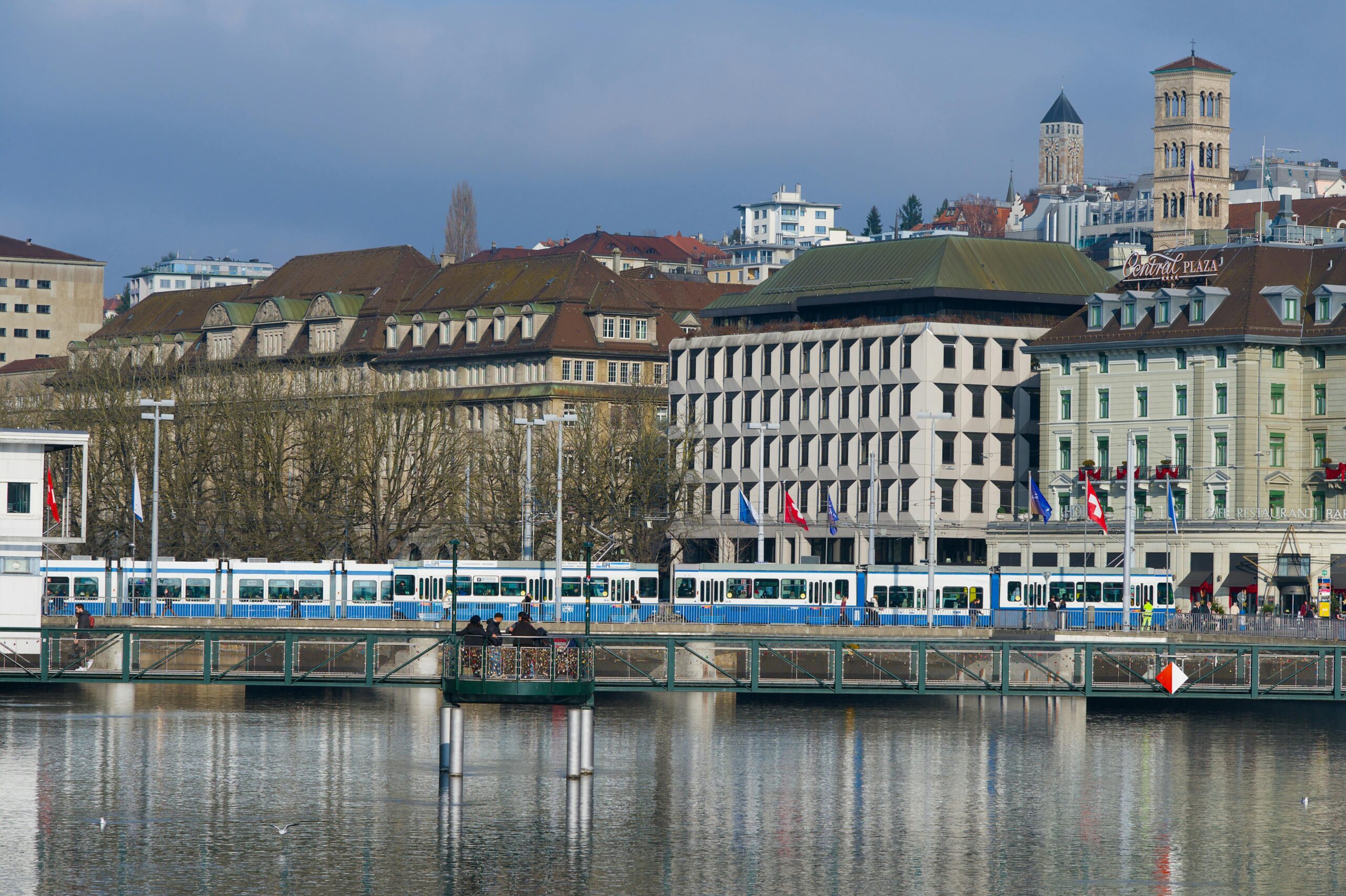
Zurich weather: month-by-month expectations and packing essentials
Zurich’s weather varies enough that packing wisely pays off. Summers are warm but rarely sweltering; winters are cold with possible snow; spring and autumn can be changeable with both sunny and rainy days.
- Spring (Mar–May): Layering is key—light sweaters, a waterproof jacket and comfortable walking shoes. Expect occasional rain and cool mornings.
- Summer (Jun–Aug): Light clothing, a hat and sunscreen for daytime; a light jumper for breezy evenings on the lake.
- Autumn (Sep–Nov): Similar to spring—layers and a compact umbrella. Early autumn can still be very pleasant.
- Winter (Dec–Feb): Warm coat, insulated footwear, gloves and a hat. Snow boots are helpful if you plan to explore beyond the city center.
For flexible travel plans, a lightweight down jacket or packable waterproof shell will cover most scenarios. If you’re visiting for outdoor swimming or boating, July and August are the months with the warmest lake water temperatures.
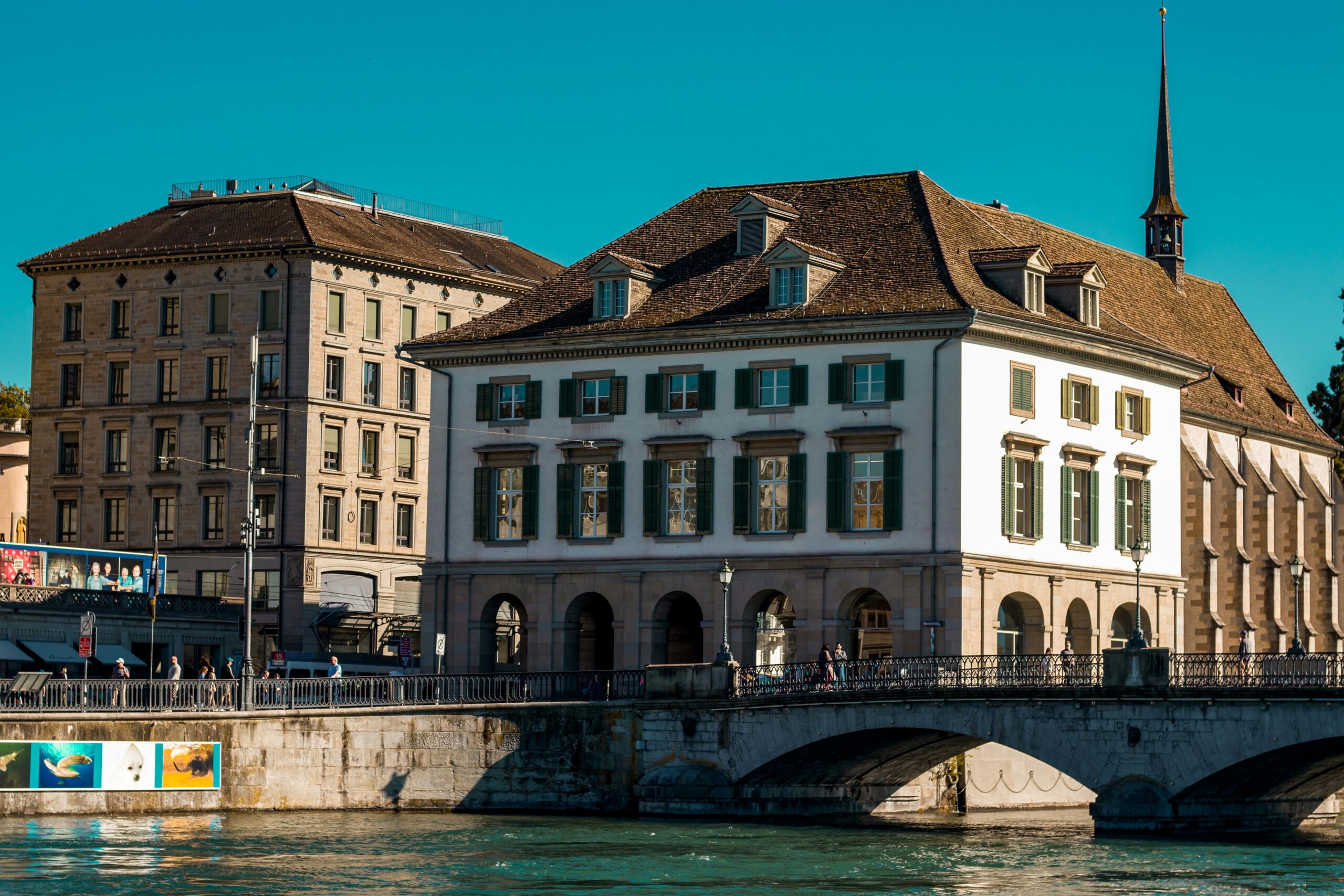
Zurich tourist season and major events
High season centers on summer months when international visitors arrive for sun and festivals. Expect the busiest streets and higher accommodation prices from late June through August. Shoulder seasons—May–June and September–October—offer good weather with fewer crowds, making them ideal for museum visits and day trips.
Key events that influence visitor numbers include the Street Parade in August, which draws huge crowds to the lakeshore and city center, and the Zurich Film Festival in autumn, which brings many film industry visitors and screenings. Winter holiday markets fill the old town in December, creating a festive but busier atmosphere.
To secure better rates and more accommodation options, consider traveling midweek or booking stays outside peak holiday weeks. If you want a balance of activity and space, aim for mid- to late-September when events are still active but crowds have thinned.
Zurich travel cost: budgeting and money-saving tips
Zurich is frequently ranked among the more expensive European cities. Typical daily budgets (excluding flights) range widely depending on travel style, but many travelers can expect mid-range days to cost between CHF 120–250 for accommodation, meals and transport. Fine dining and high-end shopping will increase that estimate significantly.
Smart ways to reduce costs include booking accommodation early and comparing neighborhoods—stays slightly outside the old town often offer better value. For hotel options across a range of budgets, browse reputable accommodation listings to compare rates and locations.
Public transport is efficient and reliable; consider passes like the ZürichCARD for unlimited public transit in the city and discounts at museums and attractions when you plan multiple paid entries. Eating where locals eat—cafés, bakeries and casual bistros—also stretches your budget without compromising quality.
Getting around Zurich and practical travel tips
Zurich’s compact center makes walking the easiest way to explore most sights. The public transportation network—trams, buses and trains—is punctual and well-connected. Purchase single tickets via the SBB or local VZO apps, buy day passes, or use city cards for convenience and savings.
- Airport to city: Zurich Airport is linked to the city center by frequent trains that take about 10–15 minutes.
- Public transport: Trams are a great way to navigate the center; buy tickets before boarding and validate when required.
- Day trips: Efficient regional trains serve Lucerne, Interlaken and the Swiss Alps for accessible day excursions.
- Language and currency: German is the primary language; English is widely spoken. Switzerland uses the Swiss franc (CHF).
Practical tips: carry a compact umbrella, keep some cash for small vendors, and check opening hours—many shops close on Sundays. Tipping is appreciated but not obligatory; round up fares or leave small change for good service.
FAQs
What is the warmest month in Zurich?
July is typically the warmest month, with daytime temperatures often in the low to mid-20s °C (70s °F). This is the best time for swimming in Lake Zurich and enjoying extended outdoor hours.
Which month is cheapest to visit Zurich?
Late autumn (November) and parts of winter outside the holiday season generally offer lower accommodation rates and fewer tourists. Travelling midweek and booking well in advance can also reduce costs significantly.
Is Zurich crowded in July and August?
Yes. July and August are peak months for international tourism, especially around the lakeshore, major museums and outdoor attractions. Expect longer lines and higher hotel prices during these months.
Can I swim in Lake Zurich, and when is it safe?
Yes, swimming is popular in summer months (July–August) when water temperatures are warmest. Public bathing areas, lidos and swimming docks are well-maintained—always follow local safety signage and lifeguard guidance.
Is winter a good time to visit Zurich for Christmas markets?
Absolutely. December brings festive decorations, cozy markets and seasonal treats. Expect chilly weather and more visitors around the markets, but the atmosphere is particularly charming and ideal for those who enjoy winter festivities.
Conclusion
Choosing the best time to visit Zurich depends on whether you prioritize warm lake days, festive winter markets or quieter city exploration. Late spring and early autumn typically offer the best balance of favorable weather, manageable crowds and reasonable prices, while summer is ideal for outdoor activities and winter for holiday charm. Plan around events if you want to attend specific festivals, and book transport and lodging in advance to secure good rates.
With sensible packing, a transit pass and an awareness of seasonal peaks, you can tailor your Zurich visit to match your interests—whether that means swimming on the lake, exploring museums, or enjoying a snow-dusted old town.