Deciding on the best time to visit Copenhagen shapes everything from what you pack to how much you pay and how much of the city you’ll actually see. Copenhagen’s appeal changes through the year: long summer days, cozy winter hygge, and shoulder seasons that balance weather, crowds, and cost. This guide helps you choose the right month for your trip so you get the Copenhagen experience you want.
Below you’ll find practical, season-by-season guidance on Copenhagen weather, tourist season patterns, travel costs, events, and tips to plan smarter — including when to expect the best weather and when to avoid peak crowds.
Overview: best time to visit Copenhagen at a glance
Generally, the highest number of visitors arrive between June and August, when temperatures are warmest and daylight lasts into the evening. If you want mild weather and lively street life, that’s the window to aim for. For fewer tourists and lower prices, late spring (April–May) and early autumn (September–October) provide a good compromise: comfortable weather and thinner crowds.
If you’re planning around festivals, cycling culture, or the famous Christmas markets, timing becomes more specific — summer for outdoor events and late November–December for holiday atmosphere. Consider your priorities (weather, cost, events) and use the season summaries below to pick the month with the best balance.
Weather and seasons: what to expect month by month
Copenhagen’s climate is temperate maritime. Winters are cool rather than severely cold, summers are mild, and precipitation is spread fairly evenly across months. Average summer highs (June–August) sit around 20–22°C (68–72°F), while winter highs often hover near 2–5°C (36–41°F). Spring and autumn are changeable: sunny spells can be followed by brisk rain or wind off the Øresund.
Month-by-month highlights:
- January–February: Shortest days, chilly winds, occasional snow. Quiet tourist season and low prices.
- March–April: Increasing daylight and early spring blooms. Unpredictable weather — layers recommended.
- May: Warmer days, many outdoor cafés reopen. A pleasant shoulder-season choice.
- June–August: Long daylight hours (midsummer light reaches late evening), warmest temperatures, full festival calendar.
- September: Often mild and stable; good for walking and cycling with fewer crowds than summer.
- October–November: Cooling temperatures and autumn colors; occasional rainy spells and fewer tourists.
- December: Festive decorations, Christmas markets, and short yet charming winter days with a strong hygge vibe.
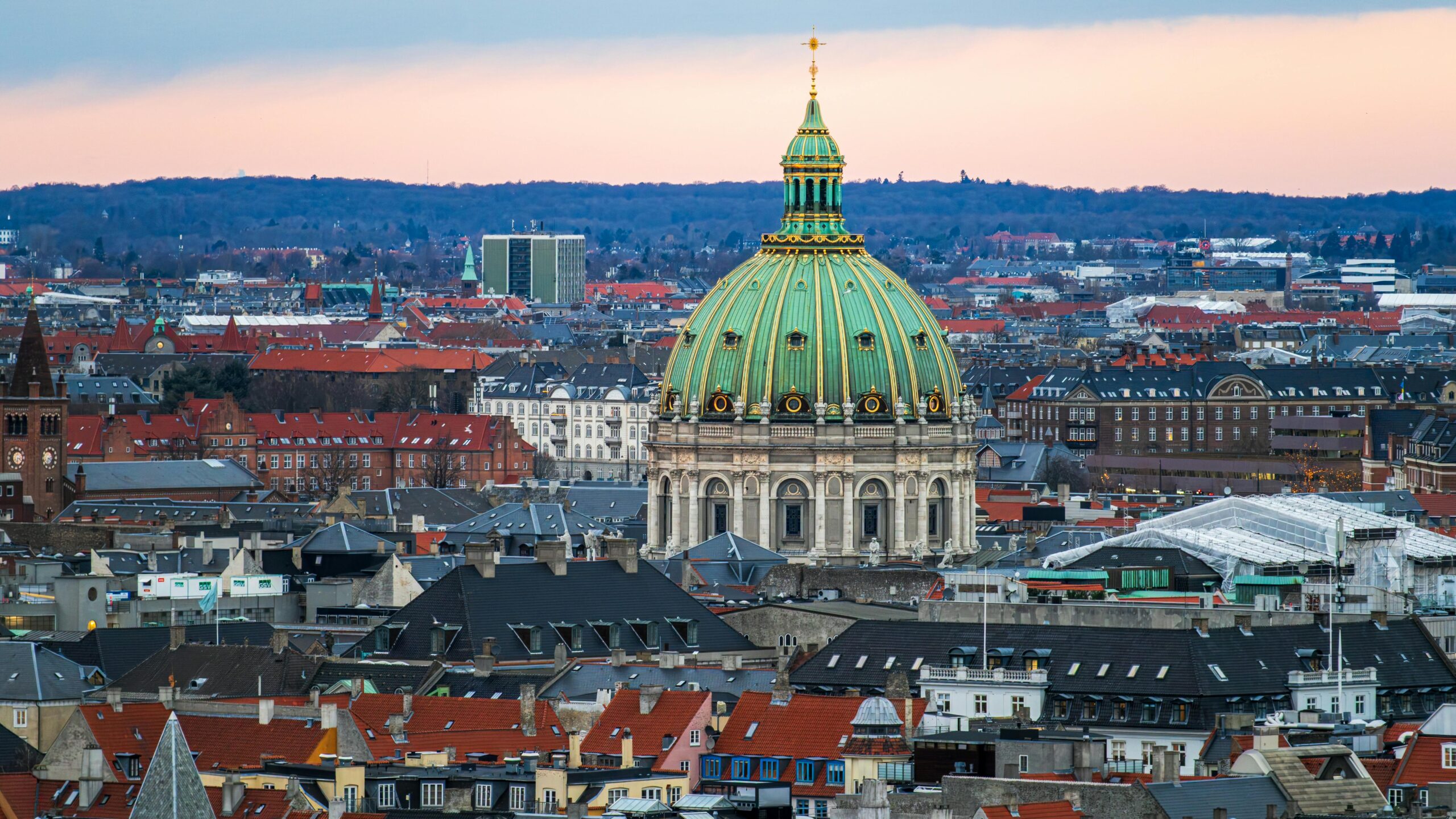
Peak tourist season and crowds: when Copenhagen is busiest
Peak tourist season in Copenhagen centers on summer months when European and international travelers converge on the city. Popular attractions such as Tivoli Gardens, Nyhavn, the Little Mermaid, and the national museums get busiest from late June through August. Expect longer waits for guided tours, busier bike paths, and higher hotel rates.
To avoid crowds while still enjoying pleasant weather, aim for late May or September. These shoulder months offer more space at key sites and a calmer pace in neighborhoods like Vesterbro and Nørrebro. If you’re sensitive to congestion, weekdays in shoulder seasons will feel noticeably less crowded than weekend visits in high summer.
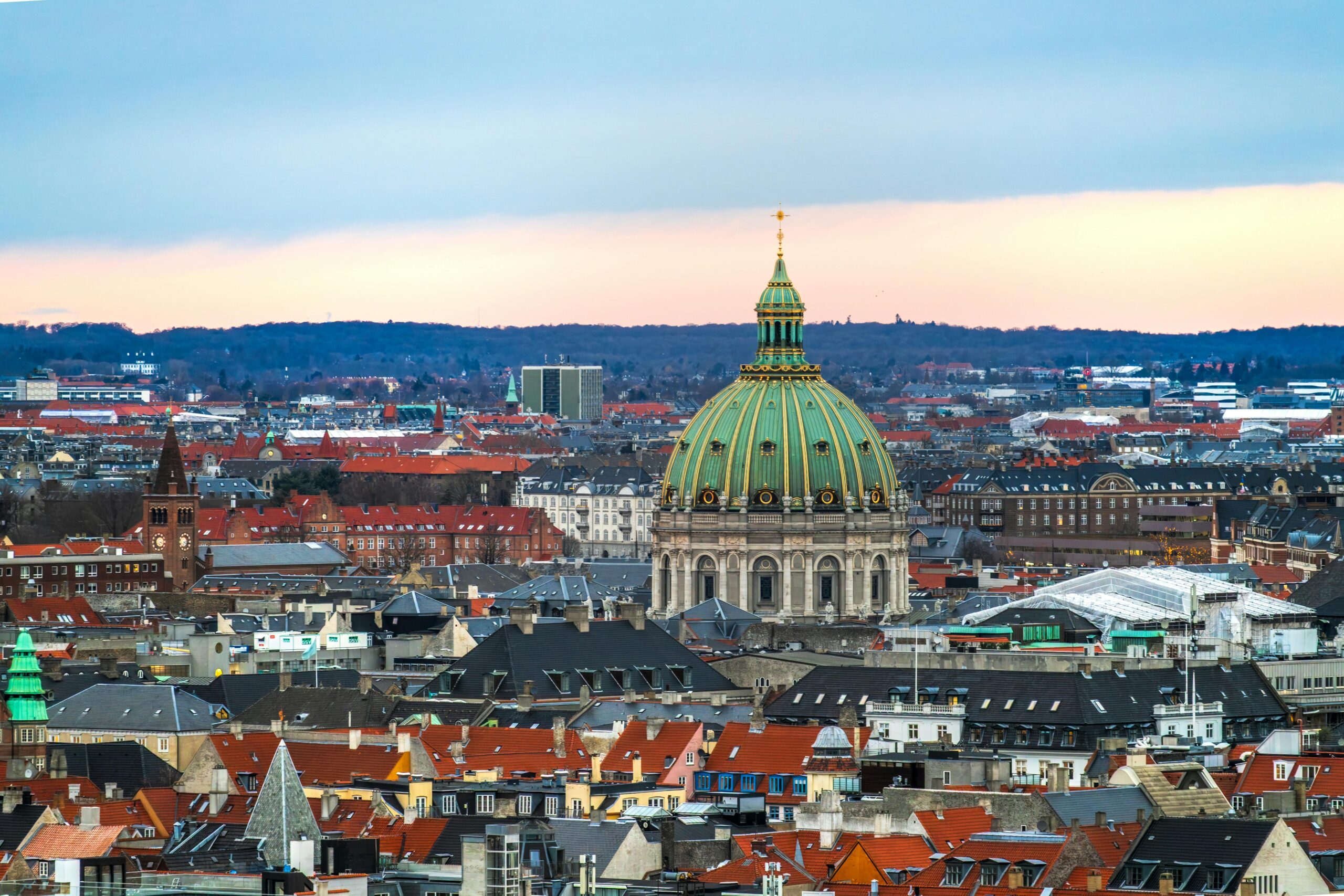
Events and festivals: when culture and celebrations peak
Copenhagen’s calendar influences the best time to visit depending on cultural interests. Summer hosts open-air concerts, the Copenhagen Jazz Festival (July) and various neighborhood street parties. Midsummer events around late June include bonfires and celebrations in nearby parks. Christmas market season lights up Tivoli and the city center from late November to December, making winter an atmospheric choice.
If you want to time your trip for a particular event, check local festival schedules in advance because dates shift year to year. For contemporary design lovers, the Copenhagen Design Week (usually in October) gathers exhibitions and shows across the city. For food-focused travelers, Copenhagen’s restaurant scene is active year-round but reaches a social peak during summer dining months.
Costs and budgeting: Copenhagen travel cost by season
Copenhagen travel cost varies significantly with season. Summer is the most expensive time for flights and hotels, and attractions often mark peak-season pricing. Conversely, January–March sees the lowest hotel rates and some discounted museum passes, though weather is less favorable. Shoulder seasons (April–May and September–October) often provide the best cost-to-value ratio: pleasant weather with more favorable prices.
Simple budgeting tips:
- Book accommodation and major attractions in advance for June–August travel to avoid last-minute price spikes.
- Use public transport passes or rent a city bike to save on local travel; Copenhagen’s network is efficient and bike-friendly.
- Consider advance purchases for popular attractions and restaurants if you travel in high season to secure availability and avoid premium walk-in rates.
For browsing current hotel options and comparing rates across seasons, check reputable booking platforms to get an immediate sense of price variation.
Compare Copenhagen hotel options
Practical travel tips: packing, daylight and transport by season
Packing smart depends on the season you choose. Summer travelers can rely on light layers, a rain jacket, and comfortable walking shoes. Spring and autumn require a waterproof layer, medium-weight sweater, and windproof jacket. Winter calls for warm boots, thermal layers, hat and gloves, and a coat rated for damp cold rather than extreme sub-zero temperatures.
- Daylight: Expect nearly 18 hours in mid-June and under 8 hours in December. Plan outdoor activities for the long daylight in summer and schedule museum visits or cozy cafés in darker months.
- Public transport: Copenhagen’s metro, trains, and buses are reliable. Purchase a city pass or multi-day ticket if you plan frequent travel around the city and surrounding areas.
- Biking: Renting a bike is one of the best ways to travel like a local. Helmets are not mandatory for adults, but use caution in wet, windy weather and on cobblestones.
When booking accommodations, consider neighborhoods that match your travel style — central Indre By for sightseeing, Vesterbro for nightlife, Frederiksberg for parks. If you prefer quieter stays, neighborhoods slightly outside the inner ring offer better value without sacrificing transit access. For quick comparisons of neighborhoods and lodging at different price points, a hotel search tool can be useful.
Find accommodations by neighborhood
How to choose the best time based on what you want to do
Match your priorities to a season:
- Outdoor festivals, nightlife, long days: June–August.
- Lower costs, quieter museums, and winter markets: November–February.
- Mild weather with fewer crowds: May and September.
- Photography and autumn colors: October offers crisp light and fewer tourists.
- Design and cultural events: check specific event dates in spring and autumn.
Think about how much flexibility you have with dates. If you can travel midweek or shift by a week, you’ll often avoid the most crowded windows even within summer months. For family travel, school holiday periods drive up prices and crowds, so aim for shoulder seasons if possible.
FAQs
When is Copenhagen warmest?
Copenhagen is warmest in July, with average high temperatures around 21–22°C (70–72°F). June and August are also pleasantly warm but can vary due to maritime influences. Even in summer, evenings may be cool, so a light jacket is recommended.
Is Copenhagen worth visiting in winter?
Yes. Winter brings festive lights, cozy cafés, and fewer visitors at major attractions. Days are short and weather can be cold and damp, but the city’s hygge culture and Christmas markets make winter appealing for travelers seeking atmosphere over sun.
How expensive is Copenhagen compared with other European cities?
Copenhagen ranks among the more expensive European capitals for dining, accommodation, and attractions. Costs peak in summer, but careful planning — using public transport, shopping at markets, and choosing off-peak travel times — can reduce expenses substantially.
Are there times to avoid due to weather or closures?
There are no months when the city shuts down, but late autumn and winter can bring more rain and shorter daylight hours, which limits outdoor activities. Check seasonal opening hours for attractions and restaurants during January and February when some smaller venues may reduce hours.
What is the best season for cycling around Copenhagen?
Late spring through early autumn (May–September) offers the most comfortable cycling weather: milder temperatures and longer daylight. Copenhagen’s infrastructure is excellent year-round, but be cautious on wet days and during winter when roads may be icy.
Conclusion
Choosing the best time to visit Copenhagen depends on whether you prioritize weather, cost, events, or avoiding crowds. For warm weather and lively street life, visit June through August; for lower prices and quieter sights, pick January–March; and for the best balance of comfortable weather and fewer tourists, aim for May or September. Plan ahead for accommodation and ticketed attractions during peak months, pack layers for variable weather, and you’ll have a smooth, enjoyable trip to Denmark’s capital.