Deciding the best time to visit Stockholm depends on what you want from the trip: long summer days and outdoor cafés, crisp winter light and holiday markets, or quieter shoulder-season streets with lower prices. Stockholm’s climate, daylight hours and local events shape the ideal travel window, so understanding seasonal differences helps plan the most rewarding visit.
This guide breaks down Stockholm weather, tourist season patterns, travel costs and practical tips so you can choose the right month for your interests—whether you’re chasing Midsummer celebrations, winter coziness, or milder shoulder-season bargains.
Why timing matters: daylight, weather and experiences
Stockholm sits far north, which means dramatic shifts in daylight across the year. In summer the city basks in long, light evenings that encourage outdoor dining, boat trips around the archipelago and festivals; in winter, daylight can be limited to just a few hours, which creates a very different atmosphere of museums, cafés and seasonal lights.
Stockholm weather is generally temperate but can feel cool and damp in spring and autumn, while winters are cold with potential snow. Your priorities—outdoor activities, fewer crowds, or lower travel cost—will determine the best time to visit Stockholm for you.
When to visit Stockholm: season-by-season guide
High season: late June through August. This is peak tourist season thanks to warm weather, school holidays and festivals. Expect busy attractions and higher Stockholm travel cost for flights and hotels.
Shoulder seasons: late April to mid-June and September to early October. These periods often offer the best balance of pleasant weather, manageable crowds and more affordable prices. Spring brings blooming parks and mild temperatures; early autumn offers crisp air, golden foliage and lingering festival activity.
Low season: November through March. Winters are cold and daylight is short, but this is when you’ll find the lowest typical travel costs and the coziest local scene—think candlelit restaurants, holiday markets and smaller museum lines.
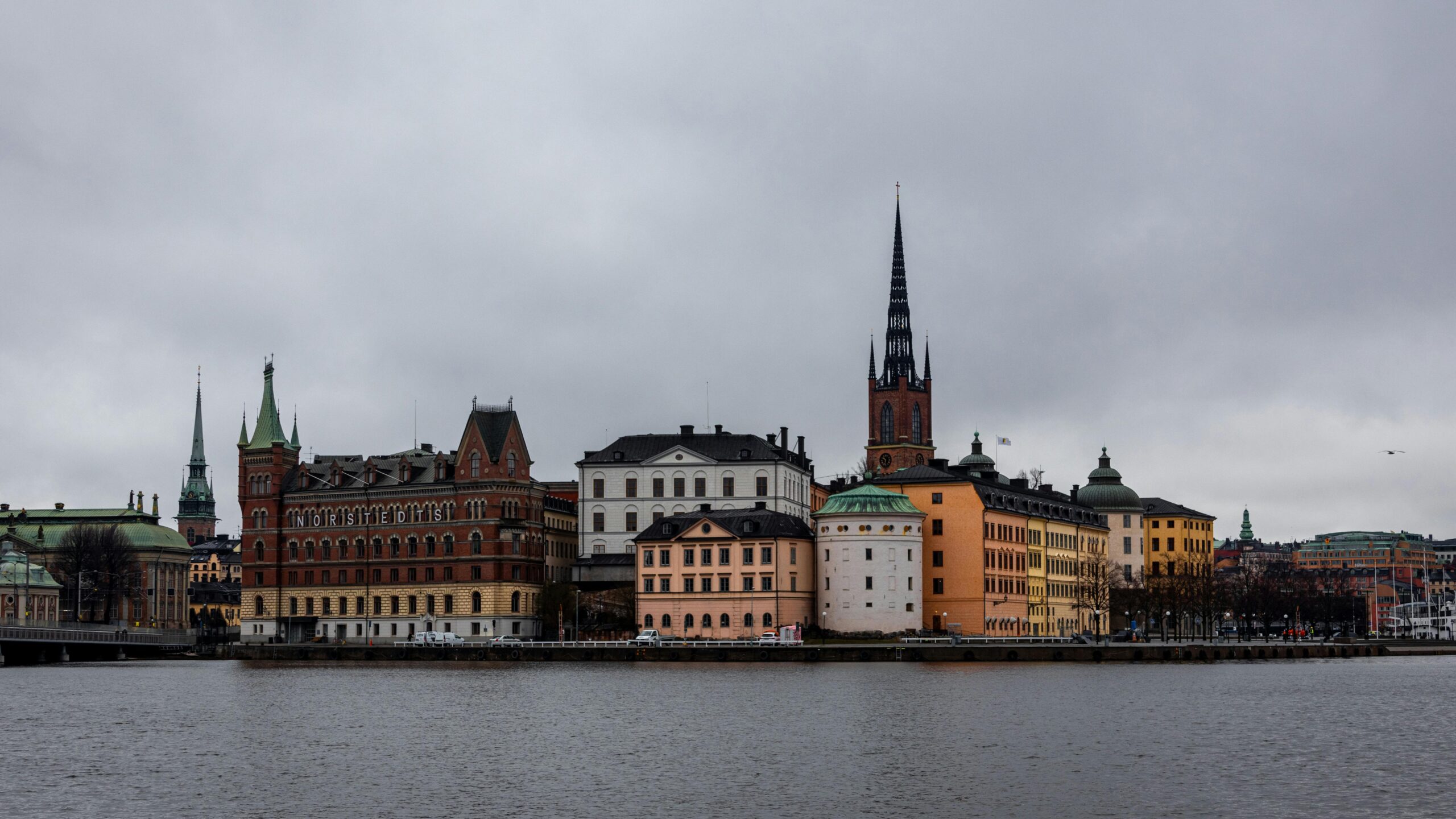
What to expect month by month
April–May: Spring arrives unevenly. Early April can still be chilly, but by late May the city blooms and terraces open. Tourist crowds are lighter than summer, and many seasonal attractions begin reopening. This is a great time for photographers and walkers.
June–August: June brings Midsummer, one of Sweden’s most important celebrations, with maypoles, traditional song and rural festivities. July is often the warmest month, ideal for archipelago trips and outdoor dining. August sees slightly fewer visitors as families return home, but weather remains pleasant.
September–October: Early autumn is pleasantly cool with fewer tourists and good event calendars. The archipelago is quieter and city walks are comfortable. By late October, temperatures drop and daylight shortens significantly.
November–March: Winter in Stockholm offers snow-covered streets and cozy indoor culture—museums, design boutiques and cafés. December is festive with Christmas markets and lights. If you enjoy winter sports or a slower pace, this is an affordable time to visit.
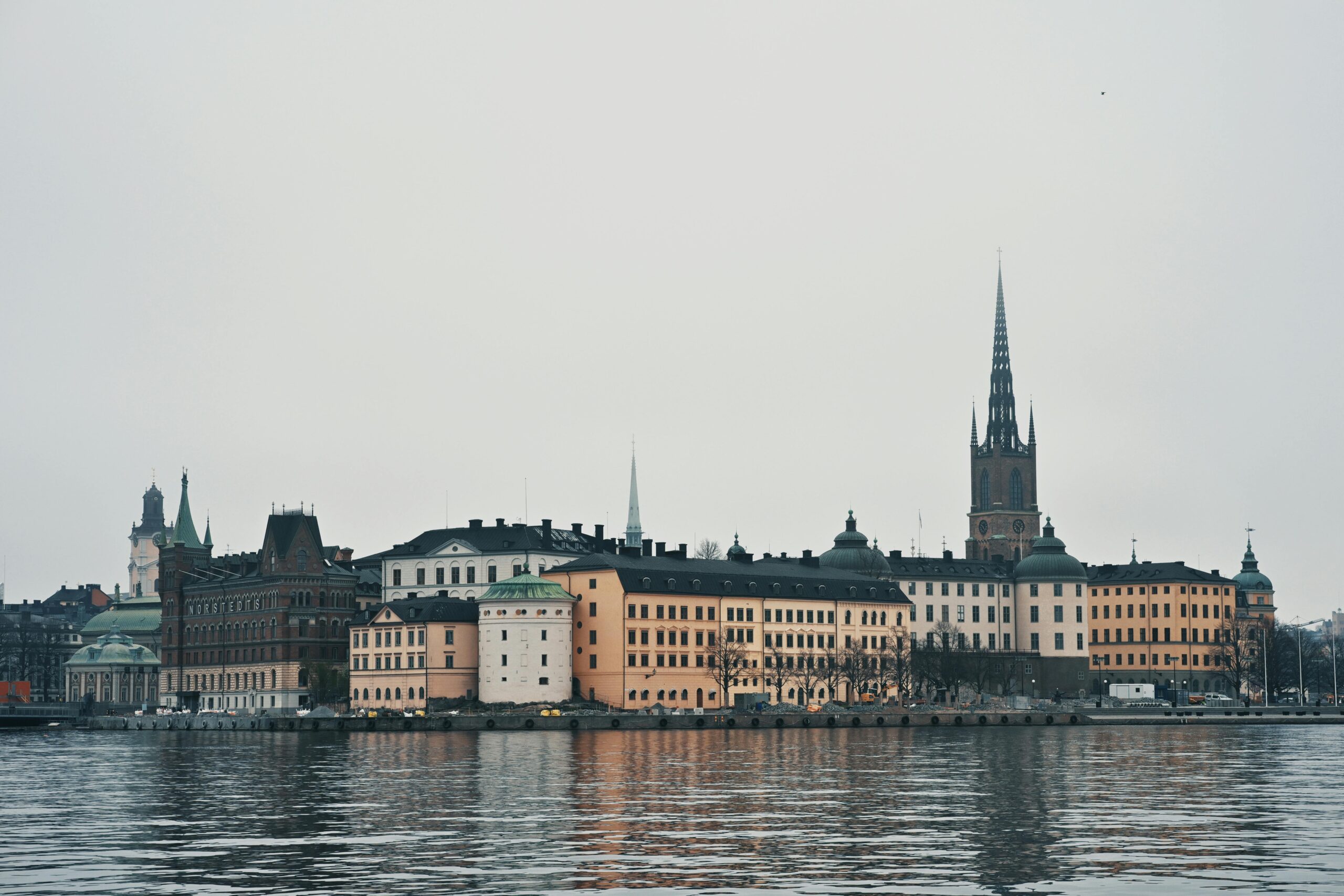
Stockholm weather and daylight: planning by conditions
Weather matters as much as season. Summers average 20–25°C (68–77°F) during the day, while winter daytime temperatures can hover around freezing, sometimes dipping lower. Rain is possible year-round, so packing a light waterproof layer is sensible even in summer.
- Daylight: Expect very long days in June (up to 18 hours) and very short days in December (often under six hours).
- Wind and water: Stockholm is built on islands; waterfront areas can feel cooler with sea breezes, especially in spring and autumn.
- Snow: Occurs most frequently December–March but is not guaranteed; winters alternate between snowy and milder conditions.
Consider what daylight you need for your itinerary: photographers and outdoor enthusiasts will favor summer and early autumn; museum-goers and shoppers might prefer the winter months when indoor attractions shine.
Stockholm travel cost: when prices rise and fall
Stockholm travel cost varies by season and how far ahead you book. Peak summer and holiday periods (Midsummer, late December) typically drive higher room rates and airfare. Booking well in advance pays dividends for central hotels and in-demand dates.
For up-to-date hotel availability and a sense of pricing across the city, consult a reputable booking platform that lists properties across neighborhoods and price ranges like hotel options in Stockholm.
- Budget travelers: aim for shoulder seasons when tourist season is lighter and more hostels and budget hotels have availability.
- Mid-range and luxury travelers: book summer months early—popular boutique hotels and waterfront properties sell out fast for Midsummer and school holiday windows.
- Saving tips: flexible travel dates, midweek stays and neighborhoods outside the Old Town (Gamla Stan) can lower costs without compromising the experience.
Practical tips for crowds, bookings and events
Stockholm tourist season peaks in July, but local events such as Midsummer (late June) and major festivals can concentrate crowds around specific dates. If you want to join celebrations, plan and book weeks ahead; if you prefer calm streets, aim for late September or early May.
For real-time availability and booking tools that include apartments and smaller hotels, check a comprehensive accommodation directory to compare options and neighborhoods like Norrmalm, Östermalm and Södermalm via services such as places to stay around Stockholm.
- Transport: Stockholms Lokaltrafik (SL) has extensive public transport; a travel card or the SL app simplifies trips across buses, trams and ferries.
- Advance tickets: popular museums, boat tours and certain exhibitions can sell out in summer—book timed-entry tickets where possible.
- Packing: layers are key. Summer evenings may be cool; winter requires warm, waterproof outer layers and good footwear.
Activities and local highlights by season
Summer highlights: island-hopping in the archipelago, open-air concerts, canal cruises and lively cafés in Södermalm and Gamla Stan. Midsummer is an essential Swedish cultural experience.
Shoulder season highlights: quieter museum visits, design shopping, and photographing the city with interesting light; spring blooms and autumn colors offer scenic backdrops.
Winter highlights: Christmas markets at Skansen and Stortorget, mulled wine (glögg), ice skating and cozying up in design-forward cafés. Winter photography of the illuminated city can be rewarding despite fewer daylight hours.
FAQs
What month has the best weather in Stockholm?
July typically has the warmest, most stable weather with long daylight hours—ideal for outdoor activities, archipelago trips and festivals. Late June is excellent if you want to experience Midsummer traditions.
Is Stockholm expensive to visit and when can I save money?
Stockholm can be pricey, especially during high season. You can reduce Stockholm travel cost by visiting in the shoulder seasons (May–early June, September–October), staying outside the Old Town, and booking accommodations and flights in advance.
When is the quietest time to visit Stockholm?
The quietest period is mid-November through March (excluding Christmas), when fewer tourists visit. This low season offers smaller crowds at museums and attractions and lower accommodation rates.
How does daylight affect a trip to Stockholm?
Daylight varies dramatically: long days in summer let you pack many activities into each day, while short winter days mean planning around limited daylight hours—perfect for indoor cultural experiences and early-evening ambiance.
Are there seasonal events I should plan around?
Yes. Key events include Midsummer (late June), Stockholm Pride (typically late July), and holiday markets in December. Festival schedules change yearly, so check event calendars and book accommodation early if you plan to attend.
Conclusion
Choosing the best time to visit Stockholm comes down to what you value most: endless summer light and festivals, quiet winter charm and lower prices, or balanced shoulder seasons with pleasant weather and fewer crowds. Use the seasonal breakdowns and practical tips here to match your priorities—whether that’s chasing Midsummer, photographing autumn light, or enjoying winter markets—and plan bookings early for popular dates to secure the best options.