Deciding the best time to visit Kyoto comes down to balancing weather, crowd levels and the cultural experiences you most want to enjoy. Kyoto’s character changes dramatically through the year — from cherry blossoms in spring to fiery maple leaves in autumn, hot humid summers, and quiet snowy winters — so the optimum season depends on what you hope to see and how you handle crowds and costs.
This guide breaks down Kyoto weather, tourist season patterns and travel cost considerations month by month, and offers practical tips for planning a trip that matches your priorities. Whether you want the classic sightlines under sakura or fewer lines at temples, these recommendations will help you pick the right window for your visit.
How seasons shape the best time to visit Kyoto
Kyoto lies in a temperate climate zone with four distinct seasons. Spring (March–May) and autumn (September–November) are widely considered peak times because of dramatic natural displays and mild temperatures, but those qualities also attract the most visitors. Summers bring high humidity and afternoon storms, while winters are cold but often clear and peaceful. Understanding Kyoto weather trends will help you match expectations for temperature, rainfall and daylight to your travel preferences.
Spring (March–May): cherry blossoms and high demand
Spring is possibly the single most iconic season in Kyoto. Cherry blossom season usually peaks between late March and early April, though exact timing varies year to year with temperatures. Expect pleasant daytime temperatures (10–20°C / 50–68°F) and long queues at popular spots like Maruyama Park, the Philosopher’s Path and Kiyomizu-dera during peak bloom.
Because spring is a top tourist season, accommodations and flights book early and prices rise. If seeing sakura is important, plan for flexibility: consider weekdays, stay slightly outside the central areas, and make reservations well in advance to control Kyoto travel cost. For quieter viewing, head to lesser-known shrines or botanical gardens during off-peak mornings.
Summer (June–August): humidity, festivals and the rainy season
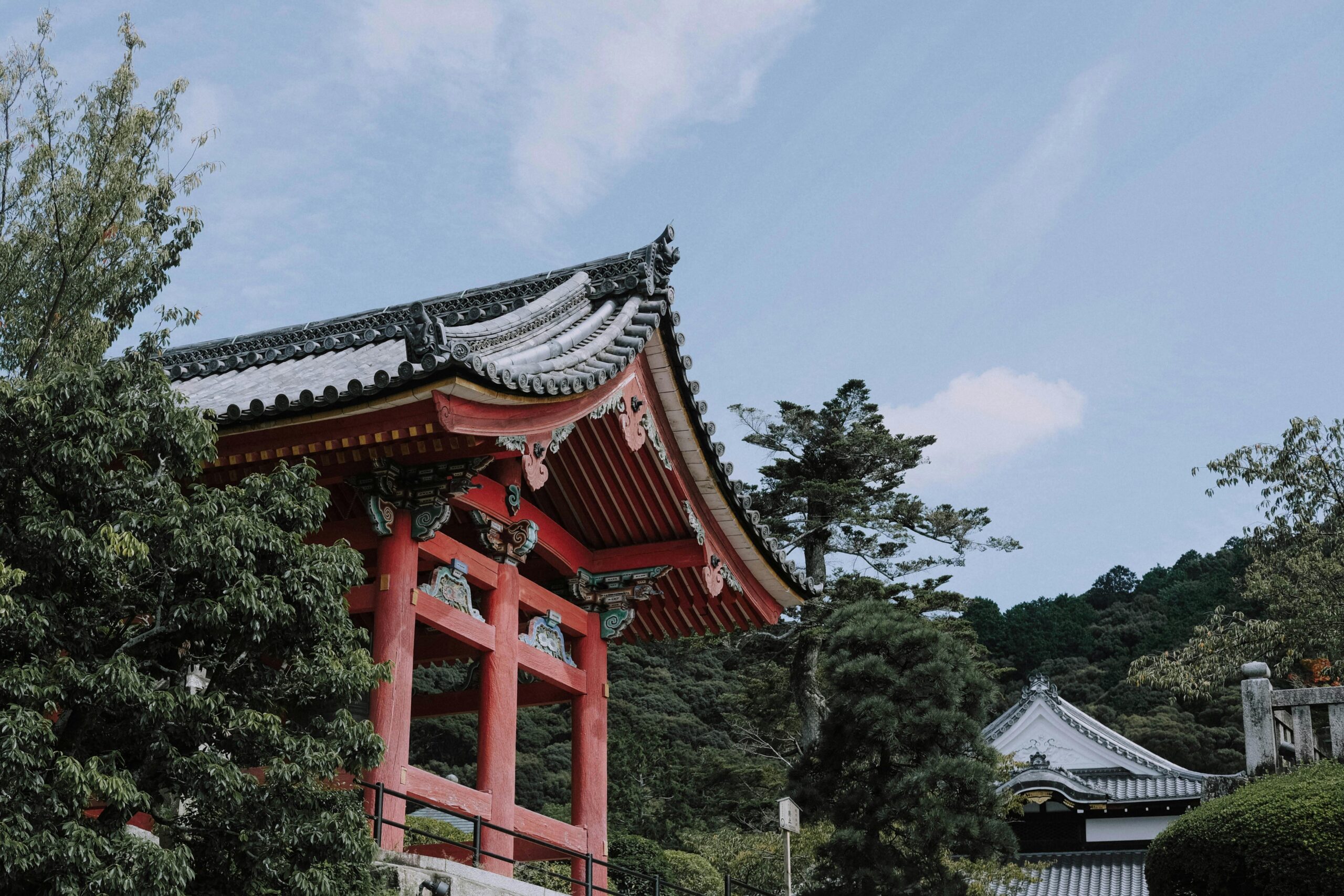
Summer in Kyoto starts with the rainy season (tsuyu), typically in June, bringing frequent showers and higher humidity. July and August are hot and muggy, with daytime highs often exceeding 30°C (86°F). Despite the heat, summer offers unique cultural benefits: lively festivals such as Gion Matsuri in July and various local events give a different, energetic side of the city.
If you travel in summer, plan for midday breaks to escape the heat and schedule temple visits early morning or late afternoon. Summer can be a budget-friendly time compared with spring and autumn if you’re willing to tolerate the weather; bargain rates and better hotel availability are possible outside festival dates. For hotel options and up-to-date availability, you can search hotels in Kyoto and compare locations near transport hubs or quieter neighborhoods.
Autumn (September–November): fall colors and comfortable weather
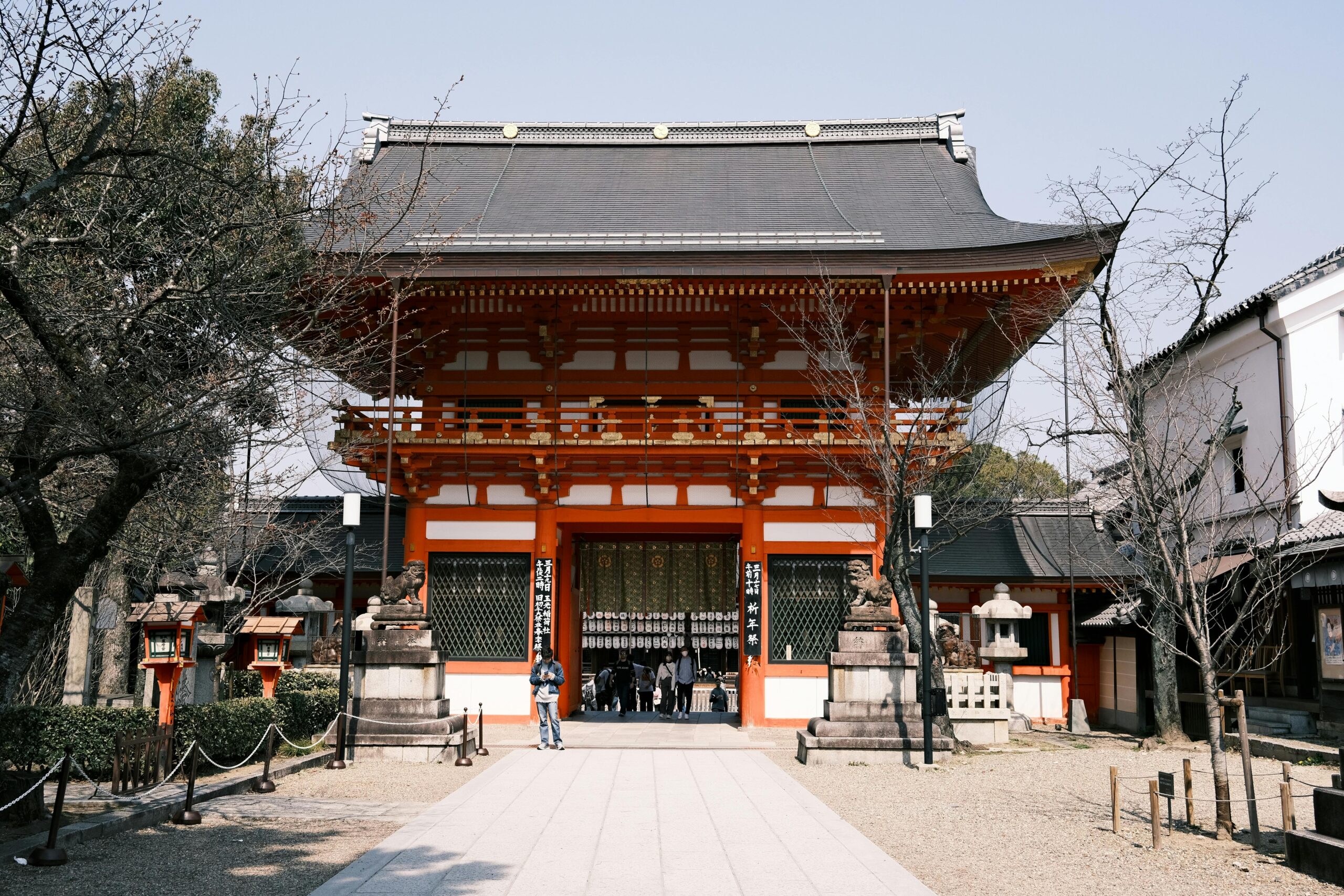
Autumn rivals spring for beauty and popularity. From mid-November to early December, maple leaves (koyo) turn brilliant reds, oranges and golds, creating stunning backdrops at temples like Tofuku-ji, Eikan-do and the Imperial Palace gardens. Temperatures are usually comfortable — cool but mild — making long walks and temple hopping enjoyable.
As with spring, autumn is a busy Kyoto tourist season, especially on weekends and during national holidays. If you want the vivid colours with reduced crowds, aim for weekdays and early mornings, and consider visiting lesser-known gardens. Advance planning keeps travel costs predictable since prices for lodging generally rise during peak foliage weeks.
Winter (December–February): quiet temples and lower prices
Winter brings cooler weather (often around 0–10°C / 32–50°F) and occasional snow that dusts temple roofs and gardens, creating peaceful scenes that many visitors find magical. This is Kyoto at its calmest: museums and attractions are less crowded, and travelers can enjoy more reflective visits and faster access to popular sites.
If budget and fewer crowds are priorities, winter can be the best time to visit Kyoto. Hotels frequently offer lower rates and weekday travel yields extra savings. Be aware of shorter daylight hours and colder evenings; pack warm layers and waterproof footwear for potential snow or rain. Winter festivals, like the arctic-clear Hatsumode (New Year shrine visits), are culturally interesting if you plan around them.
Balancing cost, crowds and climate: planning strategies
Choosing the best time to visit Kyoto requires balancing Kyoto travel cost with your tolerance for crowds and weather. Here are practical strategies:
- If you prioritize mild climate and iconic scenery, aim for shoulder periods: late March (just before peak sakura) or mid-November (early koyo) to reduce crowds slightly while still enjoying good weather.
- To save money, travel in winter or the early rainy season; hotel rates and airfares are often lower, and attractions are less crowded outside festival windows.
- For festival experiences like Gion Matsuri, expect higher prices and book months ahead; consider staying in smaller guesthouses outside central districts to lower accommodation costs.
- Use public transport passes and regional rail options to keep daily spending predictable, and combine paid attractions with free temple walks and parks for budget balance.
When comparing accommodation options or locking in last-minute deals, many visitors use large booking platforms; to check current availability and compare neighborhoods, you can check hotel availability and read neighborhood descriptions.
Practical tips for timing your trip
Beyond season selection, small choices make a big difference in your Kyoto experience. Consider these practical tips to maximize comfort and value:
- Book train and bus tickets in advance if traveling during Golden Week (end of April–early May) or national holidays, when domestic travel spikes.
- Stay near a main subway or JR line to reduce daily walking between sites; Kyoto’s streets are compact, but transit saves time between distant temples and day-trip destinations like Arashiyama.
- Schedule must-see outdoor spots like Fushimi Inari Taisha and Arashiyama for early morning to avoid crowds and harsh midday light.
- Pack a layered wardrobe for transitional months — mornings can be chilly even when afternoons warm up — and include a compact umbrella for sudden showers in spring or summer.
- Reserve special experiences (tea ceremonies, kaiseki meals, or guided temple tours) well ahead of your trip, especially during peak seasons, to ensure availability and avoid premium last-minute prices.
FAQs
When is peak tourist season in Kyoto?
Peak tourist season is during spring cherry blossom time (late March–early April) and autumn foliage (mid-November), plus national holidays like Golden Week. These windows combine ideal scenery with higher visitor numbers, so expect crowded sites and higher prices.
How does Kyoto weather vary across the year?
Kyoto has four distinct seasons: wet and humid early summer (June), hot and storm-prone midsummer (July–August), mild spring and autumn, and cool to cold winters with occasional snow. Temperatures and rainfall change notably, so pack according to seasonal norms.
Can I save money by visiting in off-peak months?
Yes. Winter months and parts of the rainy season generally have lower lodging and airfare prices. You’ll find fewer crowds and more flexible booking options during these times, though weather may be less ideal for outdoor sightseeing.
Are there months to avoid because of extreme weather?
Avoiding July and August is wise if you dislike heat and humidity; these months can be uncomfortable for walking long distances. Late June is the rainy season, which brings frequent showers. Typhoon risk is low but possible in late summer; keep travel insurance updated and monitor forecasts.
How far in advance should I book accommodations in Kyoto?
For spring and autumn peak windows, book at least 3–6 months ahead to secure preferred locations and prices. For festivals like Gion Matsuri, reserve even earlier. In off-peak months, booking a few weeks ahead is often sufficient, though weekends near major events fill faster.
Conclusion
There is no single best time to visit Kyoto — the right choice depends on whether you prioritize weather, scenery, lower costs or smaller crowds. Spring and autumn deliver the most iconic views but come with higher prices and heavier tourist flow. Summer offers lively festivals and better deals outside festival dates, while winter provides quiet temples and lower costs for travelers who don’t mind cooler weather.
Use the season breakdowns and practical tips above to align your priorities with the typical Kyoto weather and tourist season rhythms. With a little planning — early reservations for peak months, flexible scheduling for shoulder seasons, or a winter trip for budget-conscious travelers — you can craft a visit that makes the most of Kyoto’s unique cultural and natural charm.