Deciding the best time to visit Las Vegas depends on what you want from the trip: weather tolerance, budget, crowd levels, and which events or shows you hope to catch. Las Vegas weather swings from scorching desert summers to mild winters, so timing affects both comfort and cost.
This guide breaks down seasons, monthly conditions, typical travel costs, crowd patterns, and practical tips so you can pick the right window for your plans—whether you want pool days, bargain hotel rates, or quieter sightseeing along the Strip and beyond.
When to Go: Seasonal Overview
Las Vegas has four distinct visitor seasons. Summer (June–August) delivers extreme heat and lively pool-party culture. Fall (September–November) and spring (March–May) offer the most comfortable temperatures for walking the Strip and exploring nearby natural areas. Winter (December–February) is cooler and often the cheapest for travelers who don’t mind short, crisp days and some evenings that require a jacket.
Tourist season peaks around major U.S. holidays, trade shows and conventions, and major entertainment residencies. If you prefer lower crowd density and better rates, target shoulder seasons or midweek dates outside big event weekends.
Spring and Fall: Best Balance for Weather and Crowds
Spring (March–May) and fall (September–November) are widely considered the best times to visit Las Vegas for pleasant daytime temperatures, lower humidity, and active outdoor options like Red Rock Canyon and Valley of Fire. Daytime highs are typically in the 70s–80s°F (20s–30s°C) in spring and fall, which makes strolling the Strip, dining on patios, and hiking quite comfortable.
These windows also balance reasonably priced hotel options with fewer extremes in weather, though specific dates may still spike due to conventions or sporting events. Weekdays in these seasons are generally quieter than weekends.
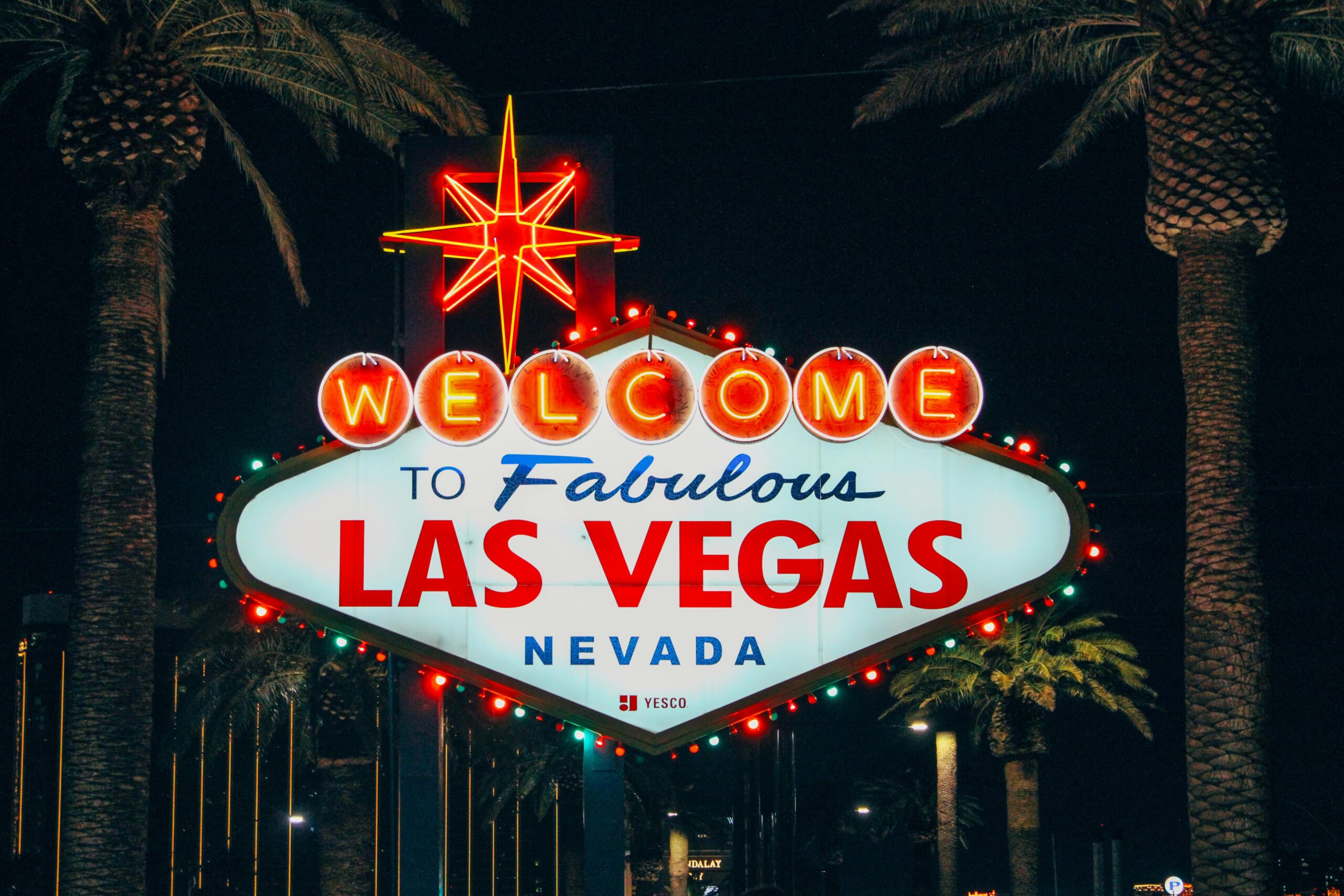
Winter: Mild Days, Better Deals
Winter in Las Vegas (December–February) rarely sees snow on the Strip, though the surrounding mountains can be snowy. Daytime temperatures typically range from the 50s–60s°F (10–20°C) and evenings can dip to the 30s–40s°F (0–10°C), so bring a medium jacket for after-dark activities and outdoor dining.
Winter is attractive for budget-minded travelers because hotel rates drop outside of holiday periods and major conventions. If you want to avoid heat and don’t mind cooler mornings or evenings, winter offers lower travel cost options and shorter lines at attractions.
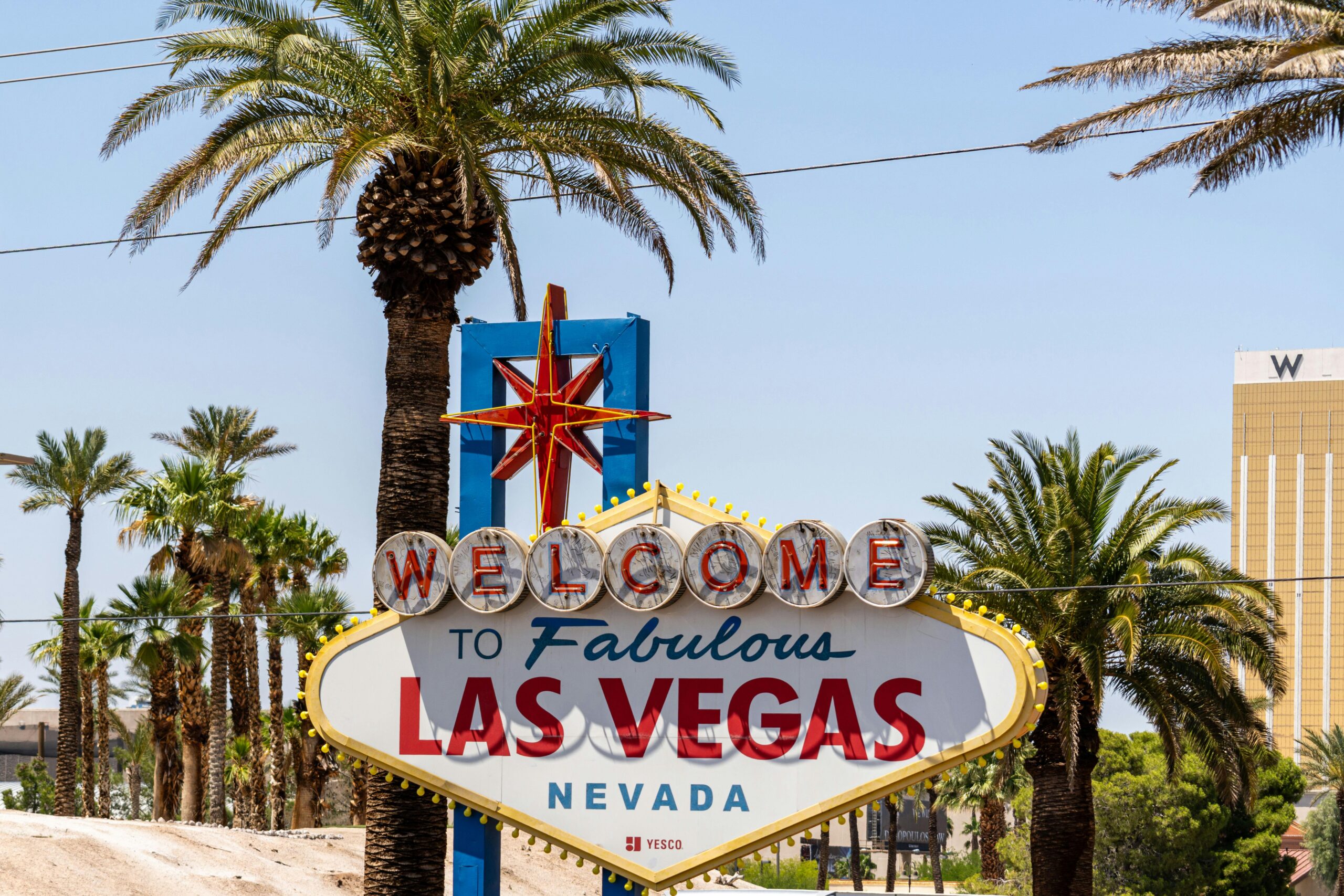
Summer: Extreme Heat and High Energy
Summer in Las Vegas is famous for intense heat. From June through August, daytime highs frequently exceed 100°F (38°C), and evenings often stay quite warm. Outdoor activities such as hiking become challenging during midday heat, while daytime pool parties, rooftop bars, and late-night entertainment dominate visitor itineraries.
Expect large crowds around the Fourth of July and during major music festivals. If you travel in summer, plan indoor activities for the hottest hours, stay hydrated, and book pool access or cabanas early if pools are a priority.
Las Vegas Weather by Month
Understanding monthly averages helps fine-tune the timing of your trip. Below is a simple month-by-month summary to match plans with typical conditions:
- January: Cool days, cold nights, lowest crowds after New Year’s.
- February: Slightly warmer, some conventions begin; watch for event-related price increases.
- March: Spring arrives; comfortable days and evenings—good for outdoor exploration.
- April–May: Warm days and lively outdoor dining; shoulder-season crowds grow as temperatures rise.
- June–August: Very hot—best for pool-focused travel or nightlife; book hotels with good pool scenes.
- September–October: Temperatures fall into an ideal range for long walks and hikes; busy weekends for shows and sports.
- November: Cooler, fewer tourists before holiday season ramps up—often a good value month.
- December: Festive atmosphere and higher rates around holidays; mild daytime weather with cool nights.
Cost and Crowds: Las Vegas Travel Cost & Tourist Season
Las Vegas travel cost swings dramatically with seasonality and event calendars. Peak tourist season usually aligns with spring break, major holidays, conventions, and high-profile entertainment residencies. Expect higher room rates, sold-out shows, and busier attractions during these times.
For travelers seeking to stretch a budget, midweek stays in winter or late fall can deliver substantial savings on hotels and dining. To compare hotel options and special deals across different dates, check comprehensive booking platforms that list properties and rates across the Strip and downtown.
Find a broad selection of hotels and current pricing on Booking.com’s Las Vegas listings when planning dates and comparing room types.
Practical Tips for Picking the Right Time
Match the season to your priorities with these practical guidelines:
- If you want mild walking weather and outdoor sightseeing: target March–May or September–November.
- If hotel price and smaller crowds are your top priority: aim for January–February or late November (avoiding Thanksgiving and holidays).
- If you’re focused on pool life, day parties, and summer festivals: plan for June–August and prepare for high temperatures.
- If you’re attending a particular show, sporting event, or convention: book as far ahead as possible and accept that prices will reflect demand.
- If flexible on accommodations but want a great deal on last-minute rooms: consider weekday stays and watch for special offers from hotel networks and booking sites.
For a quick way to compare properties across different nights, many travelers use an online booking site to scan rates and cancellation policies before committing to dates. A popular source for checking availability and hotel descriptions is available on the city’s hotel listings, but weigh options across multiple sources and read recent guest reviews before booking.
Getting Around, Day Trips and Outdoor Considerations
Las Vegas is compact for casino resorts and nightlife, but many natural attractions are a short drive away. If you plan day trips to Red Rock Canyon, Hoover Dam, or the Valley of Fire, spring and fall are the most comfortable months for hiking and scenic drives. Summer hikes should start early or be replaced by cooler indoor activities.
Transportation costs can vary by season—rideshare pricing surges during conventions and big events. Booking a rental car early is smart if you plan to explore outside the city, and always check cancellation policies in case your travel dates change.
FAQs
What month is Las Vegas the least crowded?
January (after New Year’s) and early February are generally the least crowded months, except when conventions or major events are scheduled. Weekdays during winter tend to have the quietest hotels and attractions.
When are Las Vegas hotel rates the cheapest?
Hotel rates are typically lowest in the winter shoulder season (January–February, excluding holidays) and late November. Midweek stays also usually offer better rates than weekends.
Is it too hot to visit Las Vegas in summer?
Summer temperatures often exceed 100°F (38°C), which makes outdoor daytime activities challenging. However, many visitors plan around the heat with pool-time, air-conditioned attractions, and evening outdoor dining—if you can tolerate high temperatures, summer offers lively nightlife and pool scenes.
Are there specific months to avoid because of major conventions?
Conventions and trade shows can spike crowd levels and lodging prices at any time of year. Popular months for large conventions include March, April, and early fall—check conference calendars for your travel dates to avoid unexpected surges.
Can I find good deals on shows and restaurants year-round?
Deals appear year-round but are easier to find in off-peak times like January, February, and midweek periods. Last-minute ticket apps and box offices sometimes have discounted seats, and many restaurants run specials during slower seasons.
Conclusion
Choosing the best time to visit Las Vegas depends on your tolerance for heat, desire for lower costs, and need to avoid crowds or catch specific events. For comfortable weather and a balanced experience, aim for spring or fall. For budget-focused travelers, winter weekdays offer the best value, while summer is ideal for pool culture and nightlife despite high temperatures. Review event calendars, compare hotel availability, and plan activities around the weather to get the most from your trip.