Deciding the best time to visit Sydney depends on what you want from the trip: warm sun and surf, mild city sightseeing, or quieter streets and lower travel costs. This guide breaks down Sydney weather, visitor patterns, and budget considerations across the year so you can pick the season that matches your priorities.
Read on for a month-by-month look, practical packing advice, crowd and cost insights, and activity ideas for each season. Whether you want to chase festivals, avoid peak tourist season, or plan around outdoor events, this article gives clear, actionable guidance for planning your Sydney visit.
Seasonal overview: what each time of year feels like
Sydney has a temperate climate with four distinct seasons: summer (December–February), autumn (March–May), winter (June–August) and spring (September–November). Summers are warm to hot and humid with long daylight hours; winters are mild, rarely dropping below 7–8°C at night in the city. Autumn and spring are often the most comfortable for general sightseeing, offering mild temperatures and fewer extreme weather days.
For outdoor activities like Bondi to Coogee coastal walks, harbour cruises, and beach time, summer is ideal. For lower crowds, clearer air, and pleasant temperatures for walking and dining al fresco, aim for March–May or September–November.
Month-by-month guide to the best time to visit Sydney
Planning by month helps pinpoint specific events and climate details:
- January: High summer, hot days and busy beaches. Expect higher hotel rates and vibrant nightlife.
- February: Similar to January but with a few quieter pockets; great for beachgoers and outdoor events.
- March: Heat eases; great month for festivals and outdoor dining as humidity drops.
- April: Autumn really kicks in — pleasant temperatures and fewer tourists after Easter.
- May: Cool, crisp mornings and comfortable sightseeing conditions.
- June–August: Winter months with cooler mornings; perfect for cultural activities, museums, and less crowded attractions.
- September: Spring begins, flowers bloom, and temperatures warm up; ideal for walking tours and gardens.
- October: Warmer and lively with events; good for both beaches and city exploration.
- November: Late spring, warm days and long evenings — a very appealing travel window.
- December: Starts warming up with busy holiday crowds and many seasonal events.
If your schedule is flexible, aim for the shoulder months of March–May or September–November for a balance of pleasant weather and manageable crowds.

Understanding Sydney weather and what to pack
Sydney weather varies but is generally predictable enough for packing with a few layers. Summer sees daytime highs averaging 25–30°C but can reach the mid-30s during heatwaves; winters usually sit around 16–18°C during the day. Rain is spread throughout the year, with late summer storms possible.
- Summer packing: light fabrics, sun protection (hat, sunscreen), a light rain jacket for sudden showers, and swimwear for beaches.
- Autumn/spring packing: layers that can be added or removed — a light jumper, breathable shirts, and comfortable walking shoes.
- Winter packing: a warm jacket for evenings, a medium-weight sweater, and a waterproof layer for cooler, damp days.
For practical, up-to-date daily forecasts and seasonal averages check reliable accommodation and travel listings when you finalize dates; many booking platforms include local weather references and traveller reviews that help you plan.
Estimating Sydney travel cost and budgeting tips
Sydney travel cost depends on season, accommodation choice, and activities. Peak summer and major event periods (New Year’s Eve, Vivid Sydney in late May–June) push prices up for flights and hotels. Booking in shoulder seasons or winter can reduce accommodation costs substantially.
Consider browsing hotel availability and comparative rates to set a realistic budget; for an overview of hotels and their pricing trends use a trusted booking site to compare options and read recent guest reviews, which helps find the best value for your dates. Compare Sydney hotels and neighborhoods
- Accommodation: expect higher nightly rates in December–February and during major events.
- Food and dining: plenty of mid-range and budget options; markets and casual eateries reduce costs.
- Transport: purchase an Opal card for public transit savings; ferries and trains offer scenic, economical travel across the harbour.
To reduce overall travel cost, book flights and accommodation well in advance for popular dates, travel mid-week when possible, and mix paid attractions with free experiences like coastal walks and public beaches.
When Sydney is busiest: tourist seasons and crowd tips
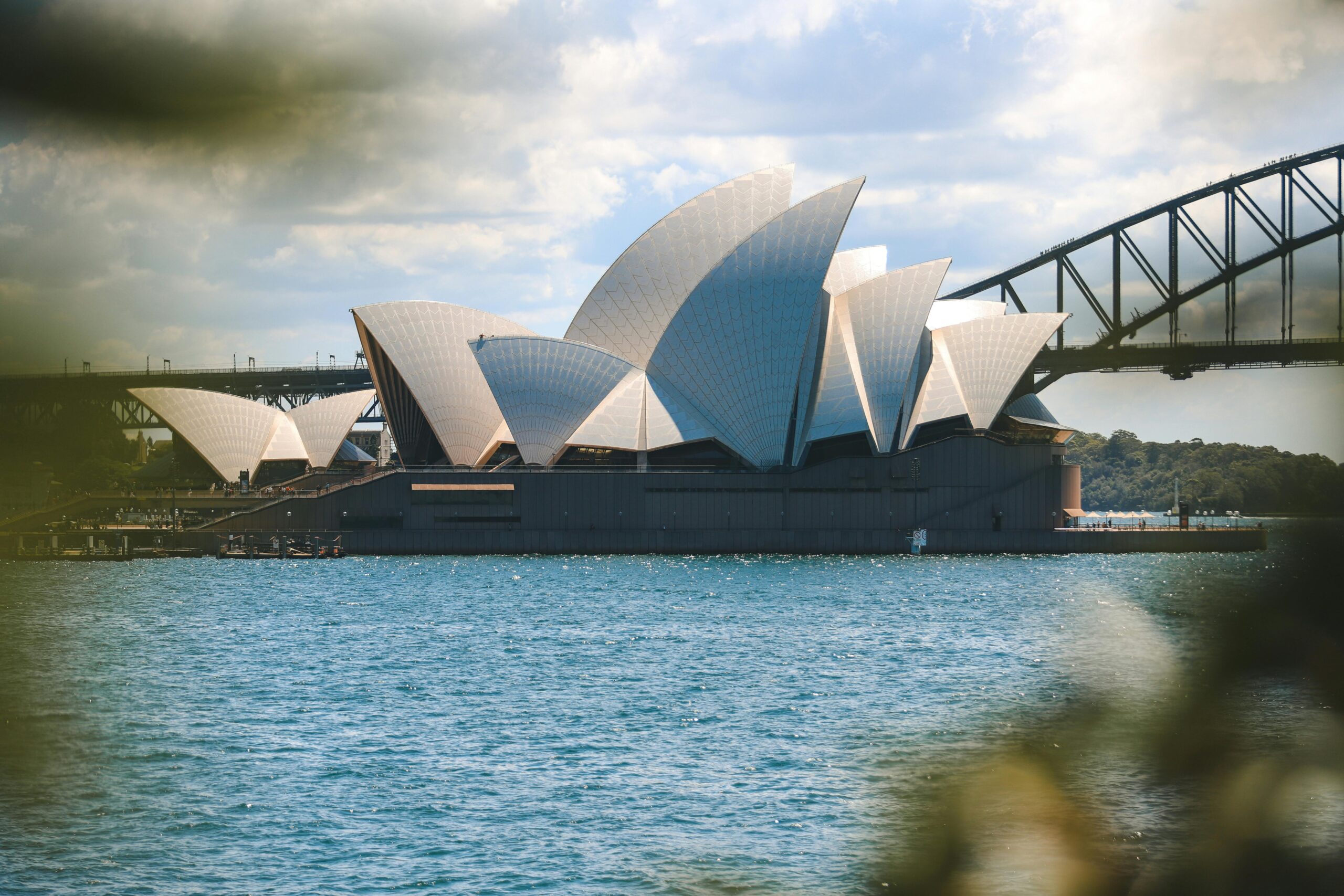
Peak tourist season generally runs from December through February when international visitors and domestic holidaymakers flock to beaches and events. Major attractions — the Opera House, Harbour Bridge, and coastal promenades — are busiest during these months and on weekends. If you prefer quieter sightseeing, avoid school holidays and long weekends.
For those wanting to time their trip around culture rather than crowds, late May to early June hosts Vivid Sydney (light and music festival) which attracts visitors but offers unique nighttime experiences. Booking accommodations early for event dates is essential; checking availability a few months ahead gives the best results. Search accommodations for event dates
- Avoid weekends at major beaches if you want solitude; early mornings are best for coastal walks.
- Visit major museums and the Opera House on weekdays to bypass long queues.
- Consider staying in quieter neighbourhoods like Newtown or Balmain for lower noise and better value.
Top activities and events by season
What you can do in Sydney shifts with the seasons, so match activities to the time of year:
- Summer: Bondi and Manly beaches, harbour swimming, outdoor cinemas, and rooftop bars.
- Autumn: Harbour cruises, food festivals, and the Royal Botanic Garden in crisp weather.
- Winter: Museums, theatre, and dining in Surry Hills and Barangaroo; the city stays lively with indoor events.
- Spring: Whale watching season begins, gardens bloom, and walking tours are especially pleasant.
If your ideal trip centers on outdoor photography, golden-hour coastal views are spectacular in autumn and spring. For cultural immersion, time a visit around Sydney Festival in January or the contemporary arts showcases in autumn.
FAQs
What is considered the best month to visit Sydney?
For mild weather and manageable crowds, March–May and September–November are commonly recommended. These shoulder months offer pleasant temperatures for walking and outdoor dining while avoiding the busiest summer holiday periods.
Is Sydney hot all year round?
No. Sydney has warm summers but winters are mild rather than extremely cold. Expect daytime winter temperatures around 16–18°C and cooler mornings; packing a jacket for evenings is advisable.
How much should I budget per day in Sydney?
Daily costs vary widely: budget travellers can manage on a modest amount by using public transport and casual dining, while mid-range travellers should budget for accommodation, meals in cafes or restaurants, and a mix of paid and free attractions. Booking in off-peak months lowers overall costs.
When are hotel prices cheapest in Sydney?
Hotel prices tend to be lower during winter (June–August) and the shoulder seasons, and higher in summer and around major events like New Year’s Eve and Vivid Sydney. Mid-week stays can also be cheaper than weekends.
Can I swim at Sydney beaches year-round?
Yes, you can swim year-round, but water is coldest in winter. Lifeguard-patrolled beaches like Bondi and Manly are safest, and following local warnings is important. Summer offers the warmest water and beach conditions.
Conclusion
Choosing the best time to visit Sydney comes down to priorities: summer for beaches and long days, autumn and spring for comfortable sightseeing and fewer crowds, and winter for lower prices and cultural offerings. Consider what matters most — weather, cost, or specific events — and use the month-by-month insights here to align your plans with Sydney’s seasonal rhythms.
With flexible travel dates you can balance cost and comfort; if you need reliable accommodation options or want to compare neighbourhoods, checking current listings and availability before booking will help you lock in the best experience for your Sydney trip.