Deciding the best time to visit Granada depends on what you want from this layered Andalusian city: mild days for strolling the Alhambra, warm nights for tapas in the Albaicín, or quieter streets for photography and lower prices. Granada offers strong seasonal contrasts, so timing your trip will shape your experience of its monuments, food, and neighborhoods.
This guide breaks down Granada weather, tourist seasons, travel cost considerations and practical tips so you can pick the ideal month for your visit. Whether you care most about climate, crowds, or budget, these insights will help you plan a trip that matches your priorities.
When to visit: quick overview
Granada’s climate is Mediterranean with some continental influences because of its inland location and proximity to the Sierra Nevada. Summers (June–August) are hot and dry; winters (December–February) can be chilly, especially at night, and may bring snow in the nearby mountains. Spring and autumn are generally the most comfortable periods, balancing pleasant Granada weather with manageable crowds.
If your priorities are warm but not sweltering daytime temperatures and long daylight hours, aim for late spring (May–June) or early autumn (September–October). For lower prices and the quietest streets, consider visiting in November or February, when museum lines are shorter and accommodation deals are more common.
Granada weather by season
Understanding Granada weather by season helps set expectations:
- Spring (March–May): Warming temperatures, blooming orange trees, and comfortable evenings. Daytime highs often range from the high teens to mid-20s °C (60s–70s °F).
- Summer (June–August): Hot, dry weather with daytime highs frequently above 30 °C (86 °F). Nights can remain warm, especially in the city center—stay hydrated and plan indoor activities midday.
- Autumn (September–November): Mild temperatures return, and early autumn can be almost as warm as summer. Rain becomes more likely later in the season.
- Winter (December–February): Cooler days and cold nights; daytime highs commonly sit in the single digits or low teens Celsius. Snow is rare in the city but common in the Sierra Nevada ski area nearby.
Keep an eye on local meteorological reports if you plan outdoor excursions or mountain day trips, as conditions can change quickly at higher elevations.
Peak and shoulder tourist seasons
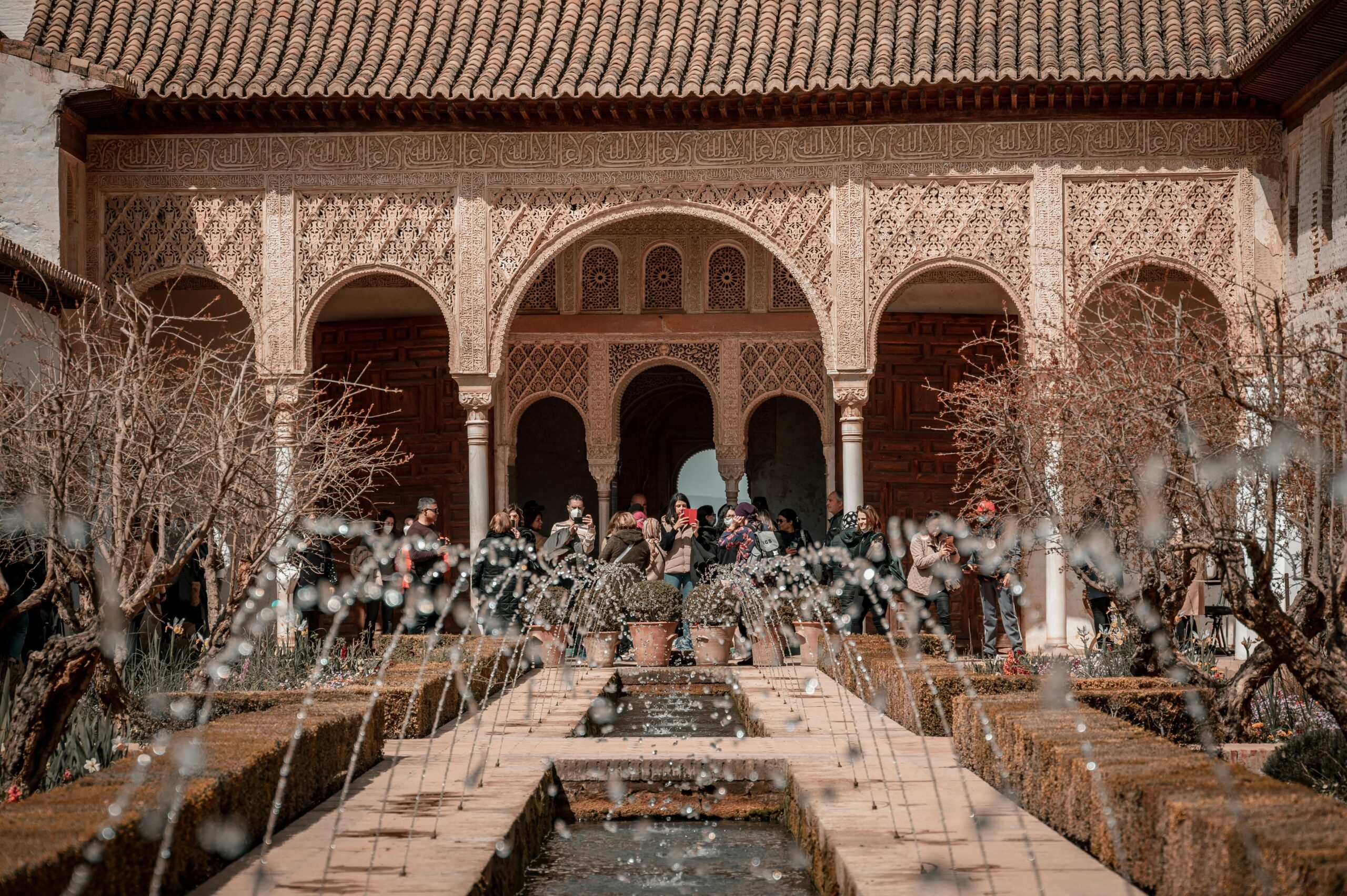
Granada tourist season peaks in summer and during Holy Week (Semana Santa), when both international and domestic visitors flood the city to enjoy religious processions, cultural events, and summer festivals. The Alhambra and Generalife gardens are busiest during July and August, and again during Easter.
Shoulder seasons—late spring and early autumn—offer a good compromise: fewer crowds than mid-summer, still-warm days, and more available reservations for the Alhambra and popular flamenco shows. Booking major attractions in advance remains important outside peak months, but you’ll likely find more flexible time slots in May or October.
Month-by-month guide to choosing the best time
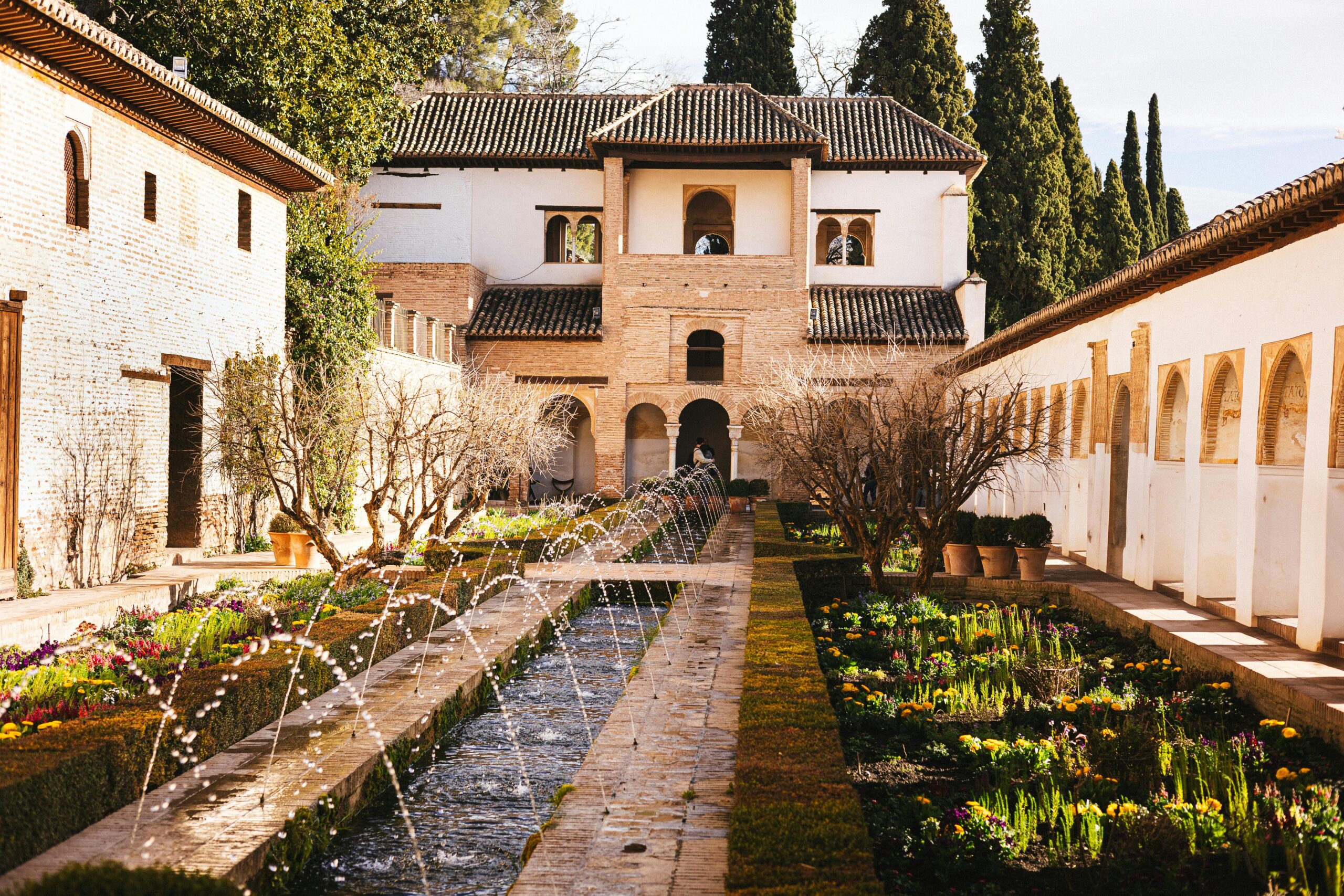
This month-by-month snapshot helps match your interests to the most suitable time to visit Granada:
- January: Quiet, cooler, and often the cheapest month. Good for museum visits and off-season restaurant deals.
- February: Similar to January with occasional festivals; an option for budget travelers who don’t mind chilly evenings.
- March: Warmer days and the start of Semana Santa preparations; crowds grow toward the end of the month.
- April: Holy Week usually falls in April — expect significant crowds and a lively cultural calendar, plus pleasant weather.
- May: One of the best months for weather and scenery—flowers, warm days, and fewer tourists than high summer.
- June: Long sunny days, warm but not yet extreme heat; perfect for open-air concerts and rooftop dining.
- July–August: High summer tourist season. Expect hot afternoons and packed attractions; early mornings and evenings are best for walking.
- September: Offers much of the warmth of summer with easing crowds and comfortable nights—ideal for wine and tapas outdoors.
- October: Mild and often rainy; a good shoulder-month choice for lower prices and still-pleasant daytime temperatures.
- November: Cooler and quieter; a strong choice for travelers on a tighter budget or who prefer a more local feel.
- December: Festive atmosphere with holiday lights and markets; cold nights but fewer tourists except around Christmas and New Year.
What to pack and how to dress for Granada
Packing well depends on your travel season. For spring and autumn include layered clothing: a light jacket, long-sleeve shirts, and a compact umbrella for occasional rain. Summer demands lightweight, breathable fabrics, sun protection, and comfortable shoes for cobbled streets. Winters call for a warm coat, scarf, and closed shoes; if you plan to visit the Sierra Nevada for snow or skiing, add thermal layers and winter boots.
Footwear deserves special mention: Granada’s historic districts have many steep, uneven streets and cobblestones. Choose supportive shoes for long walks around the Albaicín and Alhambra gardens.
Granada travel cost and budgeting tips
Granada travel cost can vary widely depending on season, accommodation choice, and dining preferences. On average, travelers find lower accommodation prices in the off-season (November–March) and higher rates in summer and during major events like Semana Santa. To see official visitor information and local event calendars, check regional travel resources such as the city and national tourism pages for planning details and seasonal notices. Granada on Spain’s official tourism site
Smart budgeting tips:
- Book the Alhambra and other ticketed attractions well in advance—last-minute options can be more expensive or sold out.
- Eat where locals eat: find small taverns and tapas bars in neighborhoods off the main tourist paths to save money and enjoy authentic food.
- Consider a multi-day travel card or combined attraction passes if you plan to visit several museums and sites in quick succession.
- Use public transport for short inter-neighborhood hops; many central sights are walkable, which saves on transit costs.
Getting around, day trips and timing your activities
Granada’s compact center is walkable, but public buses and taxis fill in where distances or hills make walking less comfortable. To avoid the heat and crowds, schedule Alhambra visits early morning or late afternoon—these slots offer softer light for photography and more comfortable temperatures. If you want a guided experience, book tours that include the Generalife and the Nasrid Palaces to ensure access during limited time windows.
Popular day trips include a drive to the Sierra Nevada for hiking or skiing, a visit to the white villages (pueblos blancos) of the Alpujarras, or a trip to Córdoba or Málaga. Time those excursions for shoulder season when mountain conditions are favorable and coastal towns haven’t yet hit peak visitor numbers.
For historical context on the Alhambra and its cultural significance, UNESCO’s designation offers useful background that can enrich your visit: Alhambra World Heritage entry
FAQs
What month has the best weather in Granada?
Late May through June and mid-September through October usually provide the most pleasant balance of warm days and cool evenings, minimal rain, and fewer extreme temperatures compared with high summer or winter.
Is Granada too hot to visit in summer?
Summers can be hot, with daytime temperatures often above 30 °C (86 °F). Plan outdoor activities for mornings and evenings, use sun protection, and spend midday inside museums or shaded courtyards to stay comfortable.
h3>Are there quiet times to visit the Alhambra?
Yes. The quietest times are typically in the off-season (November–March) and early weekdays outside of school holidays. Regardless of season, booking a timed entry in advance is the best way to avoid long lines and secure preferred visiting hours.
How does Granada tourist season affect prices?
Accommodation and some tour prices peak in summer and during major festivals. Shoulder seasons and winter usually bring better deals on hotels and more availability for guided tours and restaurant reservations.
Can I combine Granada with a ski trip to the Sierra Nevada?
Absolutely—Granada is a convenient base for day trips to the Sierra Nevada, which offers skiing and snow activities in winter. Travel times vary but are generally under 90 minutes by car to the main resort areas.
Conclusion
Choosing the best time to visit Granada comes down to your priorities: warm weather and lively streets in summer, cultural highlights and festival energy in spring, or calm, budget-friendly travel in winter. Late spring and early autumn stand out as the most universally comfortable windows for pleasant Granada weather, manageable crowds, and flexible travel costs. Keep an eye on festival dates, reserve major attractions like the Alhambra in advance, and pack layers to handle cool evenings and seasonal swings. With a little planning you’ll enjoy Granada’s mix of historic charm, rich cuisine, and scenic mountain access no matter when you travel.