Deciding the best time to visit Riga depends on what you want to see and do: warm summer festivals and long daylight hours, colorful autumn streets, snowy winter markets, or quieter spring museums and cafés. This guide breaks down the seasons, typical Riga weather, budget expectations and practical tips so you can choose the right month for your trip.
Whether you’re planning a weekend in the Old Town, a week exploring Art Nouveau districts and nearby Baltic coastlines, or timing your visit around local festivals, the information below will help you match weather, crowds and cost to your travel priorities.
When to visit Riga — a quick overview
Riga is appealing year-round, but the most popular period is late spring through early autumn. Summer (June to August) offers the warmest temperatures, lively outdoor terraces and the highest number of events, which means more tourists and higher prices. Late spring (May to early June) and early autumn (September) are excellent shoulder-season windows if you want milder Riga weather with fewer crowds and lower travel costs.
Winter draws visitors looking for Christmas markets, low hotel rates and the atmospheric, snow-dusted Old Town. If your priorities are outdoor cafés, long daylight and swimming near Jurmala, aim for July. For cultural festivals and local life without the peak-season bustle, consider May or September.
Season-by-season guide
Here’s a practical month-by-month look so you can match activities, weather and crowd levels to your interests.
- Winter (December–February): Cold and often snowy; excellent for Christmas markets, museums, and cozy cafés. Expect the fewest tourists and the best hotel deals.
- Spring (March–May): Gradually warming temperatures; cherry blossoms and fewer crowds. April and May are pleasant for walking tours and lower Riga travel cost compared with peak months.
- Summer (June–August): Warmest and sunniest period. Long days for sightseeing and festivals but also the Riga tourist season’s busiest stretch—book accommodations early.
- Autumn (September–November): Crisp, colorful foliage and comfortable touring weather in September and early October; November becomes chillier and quieter.
Choosing between these windows comes down to whether you prioritize warm weather and events or quieter streets and lower prices.
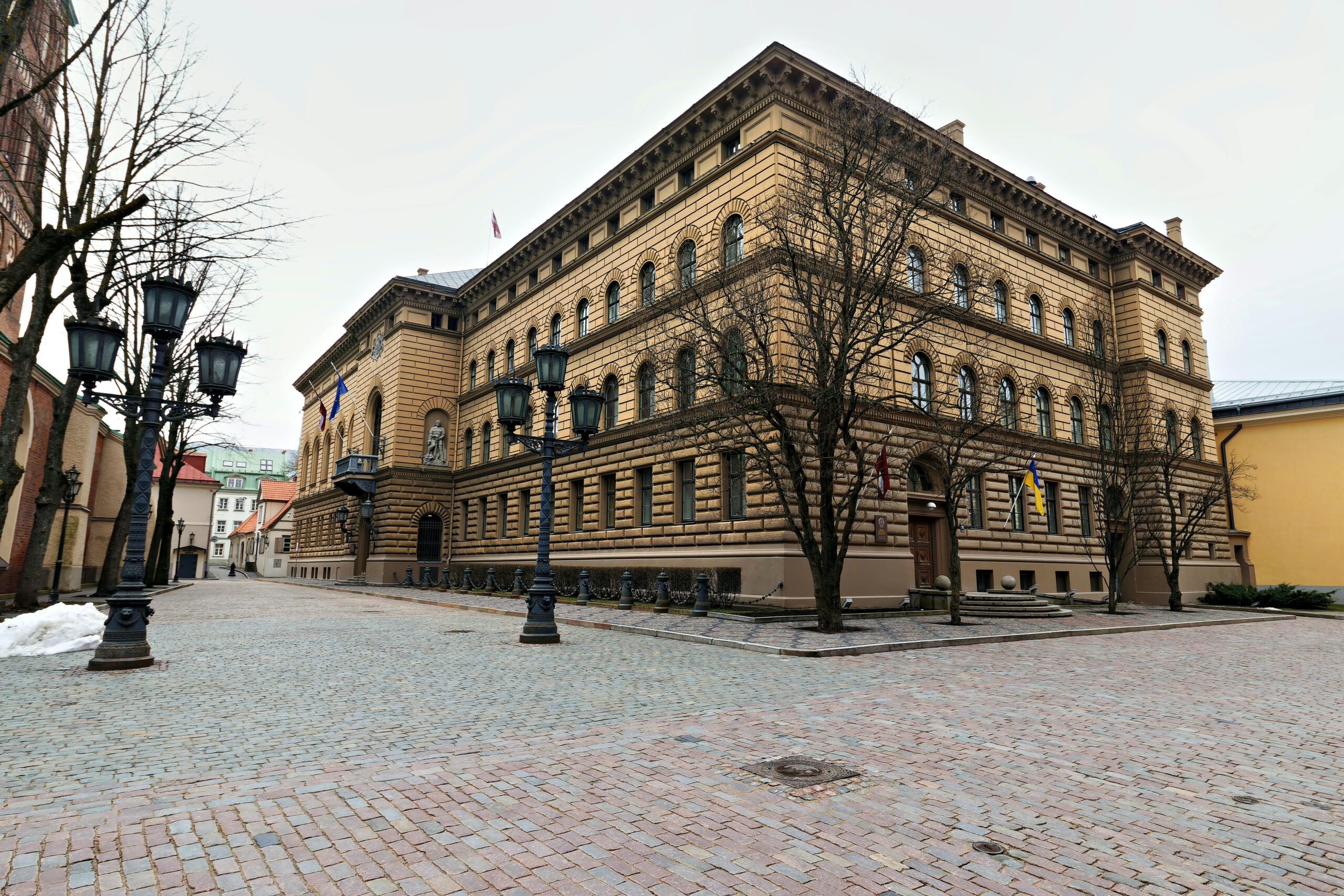
Riga weather and what to pack
Understanding typical Riga weather for your intended month helps with packing and day planning. Summers are pleasantly warm and can reach into the low to mid-20s°C (70s°F), while winters drop below freezing and bring snow and icy streets. Spring and autumn are variable—layers are essential.
Pack recommendations by season:
- Summer: Light layers, a waterproof jacket for sudden showers, comfortable walking shoes, and sun protection; evenings can be cooler so include a light sweater.
- Shoulder seasons (spring/autumn): Layered clothing, a midweight jacket, waterproof footwear and a compact umbrella.
- Winter: Insulated coat, hat, gloves, thermal layers and shoes with good traction; many indoor spaces are well heated, so pack thin base layers you can shed.
For long-term weather trends and detailed forecasts before you travel, check the local meteorological authority for updated climate data and alerts: Latvian meteorological service.
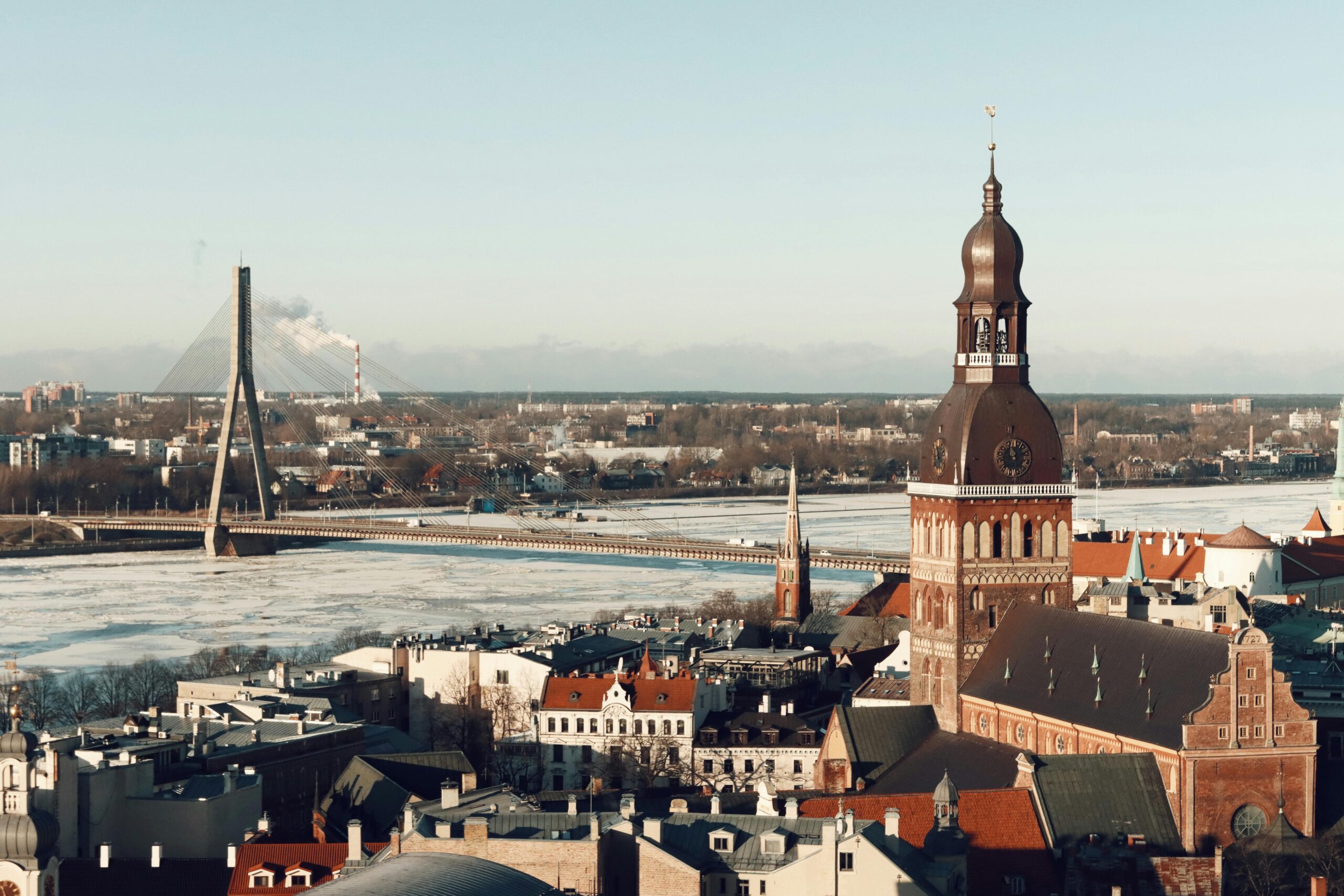
Events, festivals and the tourist season
Local events shape the Riga tourist season and can tip your decision on timing. Summer months host street concerts, outdoor food markets and the Riga City Festival—perfect for experiencing local culture but also bringing larger crowds. Midsummer (Jāņi) in late June is a national celebration of folk traditions, bonfires and singing; while it’s observed across Latvia rather than being Riga-only, you’ll see many gatherings and festivities.
In winter, Riga’s Christmas market draws visitors to Dome Square and the Old Town, creating a festive atmosphere with local crafts and seasonal foods. Cultural institutions run special exhibits and concerts throughout the year, so if a particular performance or exhibition matters to you, check program calendars well in advance via official sources such as Latvia’s official tourism website.
Riga travel cost — budgeting by season
Riga travel cost varies with season, accommodation type and how you choose to dine and move around the city. Summer is the most expensive time for hotels and flights, while winter and shoulder months typically deliver better deals.
- Budget travellers: Choose hostels, guesthouses or budget hotels and eat at local cafés and markets. Off-peak months offer the best rates.
- Mid-range travellers: Expect moderate hotel rates in spring and autumn, with mid-June to August being pricier. Public transport and many attractions remain affordable year-round.
- Luxury travellers: Peak season commands higher prices for boutique hotels and special experiences; book months ahead for the best options.
Cost-saving tips:
- Travel in shoulder seasons for lower accommodation prices and smaller crowds.
- Buy a travel card or multi-ride tickets for public transport if you plan frequent journeys.
- Enjoy local markets and cafés for authentic meals at lower cost than tourist restaurants.
Practical tips: avoid crowds, get around and where to stay
To avoid the worst of the Riga tourist season crowds, plan museum visits for weekday mornings, explore residential neighborhoods like Āgenskalns and Centrs for Art Nouveau architecture, and reserve popular restaurants in advance during summer weekends. Early mornings in the Old Town are especially peaceful for photography and walking tours.
Getting around:
- Riga’s public transport network of buses, trams and trolleybuses covers the city well; consider buying multi-trip tickets for savings.
- Walking is often the fastest way to see the Old Town and nearby neighborhoods. Taxis and ride-hailing services are widely available for late-night returns or trips to the airport.
- If you plan a day trip to the seaside resort of Jurmala, trains run frequently in summer and take roughly 20–30 minutes from the city center.
Where to stay depends on priorities: the Old Town for proximity to sights and nightlife; the Central District (Centrs) for Art Nouveau architecture and cafés; or Āgenskalns and Pārdaugava for a quieter, local feel. Booking earlier for summer and festival dates secures the best locations and prices.
FAQs
What month has the best balance of good weather and fewer tourists?
Late May and September generally offer a strong balance: pleasant Riga weather, fewer crowds than July and August, and more affordable accommodation rates. These shoulder-month windows are ideal for outdoor walks, museums and day trips.
Is Riga worth visiting in winter?
Yes. Winter brings a cozy atmosphere, holiday markets, and lower hotel prices. If you enjoy festive displays, seasonal foods and seeing architectural highlights dusted with snow, winter can be a very rewarding time for a Riga visit.
How much does a typical day in Riga cost?
Daily expenses vary by travel style. Budget travelers can manage on modest sums by using public transport and eating at markets; mid-range visitors should budget more for sit-down meals and entrance fees. Costs rise during the peak tourist season when accommodation and some services increase in price.
When are the major festivals that affect the Riga tourist season?
Key events that draw visitors include midsummer (Jāņi) in late June, various summer street festivals and the Riga City Festival in August, and the Christmas market season in December. These events influence crowd levels and hotel availability.
Are there any weather-related travel considerations I should know?
Summer is generally reliable for outdoor activities, but short rain showers can occur any time of year. Winters can be cold with snow and ice, so pack warm layers and shoes with good traction. Always check updated forecasts close to departure.
Conclusion
Choosing the best time to visit Riga depends on your priorities: go in summer for festivals, long days and beach-side escapes; choose shoulder months like May or September for pleasant weather with fewer crowds and better prices; and pick winter for festive markets and lower travel costs. Keep an eye on event calendars, pack appropriate layers for the season, and book ahead for summer dates to secure the best accommodations. With planning matched to your interests, Riga rewards visitors in every season.