Deciding the best time to visit Vilnius depends on what you want from Lithuania’s capital: lively festivals, long summer days, or a snowy, fairytale Old Town. The best time to visit Vilnius is typically late spring through early autumn for mild Vilnius weather, easy walking, and the fullest range of cultural events. This guide breaks down seasons, month-by-month weather, costs, crowd levels, and packing tips so you can pick the right window for your trip.
Whether you’re budgeting for a weekend break or planning a two-week exploration, understanding Vilnius travel cost across seasons helps you make smarter choices about when to book flights, accommodation, and tours. Read on for a practical, experience-oriented view of Vilnius across the year, with clear trade-offs for weather, crowds, and price.
When to go: an overview by traveler type
For first-time visitors who want to explore UNESCO-listed Old Town, cobblestone streets and capital museums comfortably, the months of May, June, and September strike the ideal balance. These months have pleasant temperatures, longer daylight hours, and fewer peak-season crowds than July and August.
If your primary interest is festivals, music, and outdoor cafés, mid-June through August brings the liveliest scene: outdoor concerts, open-air markets, and terrace dining. Conversely, if you prefer low prices and minimal crowds, late autumn (October–November) and winter (December–February) offer the best value, though you should be prepared for shorter days and cold, snowy weather.
Season-by-season breakdown
Spring (March–May): Spring arrives slowly. March can still feel wintry but by late April and May the city blooms with green parks and warming days. This is a great time for walking tours before the summer rush and for catching lower Vilnius travel cost on accommodation and flights.
Summer (June–August): Summer is peak tourist season with the mildest Vilnius weather, averaging 18–25°C (64–77°F). Layers work well for unpredictable evenings. Expect more crowded attractions and higher prices, but also the fullest program of festivals, open-air cinema, and food events.
Autumn (September–November): Early autumn often rivals spring for pleasant walking weather and yields spectacular fall foliage across the city’s parks and hills. By November temperatures drop and rainfall increases, but this season remains excellent for museum visits and quieter sightseeing.
Winter (December–February): Winters are cold and often snowy. If you enjoy festive markets, a quieter Old Town and the possibility of a snowy cityscape, winter delivers a memorable atmosphere. Plan for indoor activities and check for shorter opening hours at smaller attractions.

Vilnius weather by month: what to expect
Understanding month-to-month climate helps pick the perfect dates. March: transitional and unpredictable—snow possible alongside sunny days. April–May: steadily warming, spring blossoms, and comfortable sightseeing. June–August: warmest months with long daylight, occasional thunderstorms. September: warm early, cooling later; October–November: crisp, rainy, and increasingly grey. December–February: coldest months with regular below-freezing temperatures and snow cover on many days.
For detailed climate averages and historical records, consult official climate sources; they offer month-by-month temperature and precipitation charts to help you plan outdoor activities and packing. For official national weather data, you can check the Lithuanian meteorological service for up-to-date statistics and forecasts: Lithuania Hydrometeorological Service.
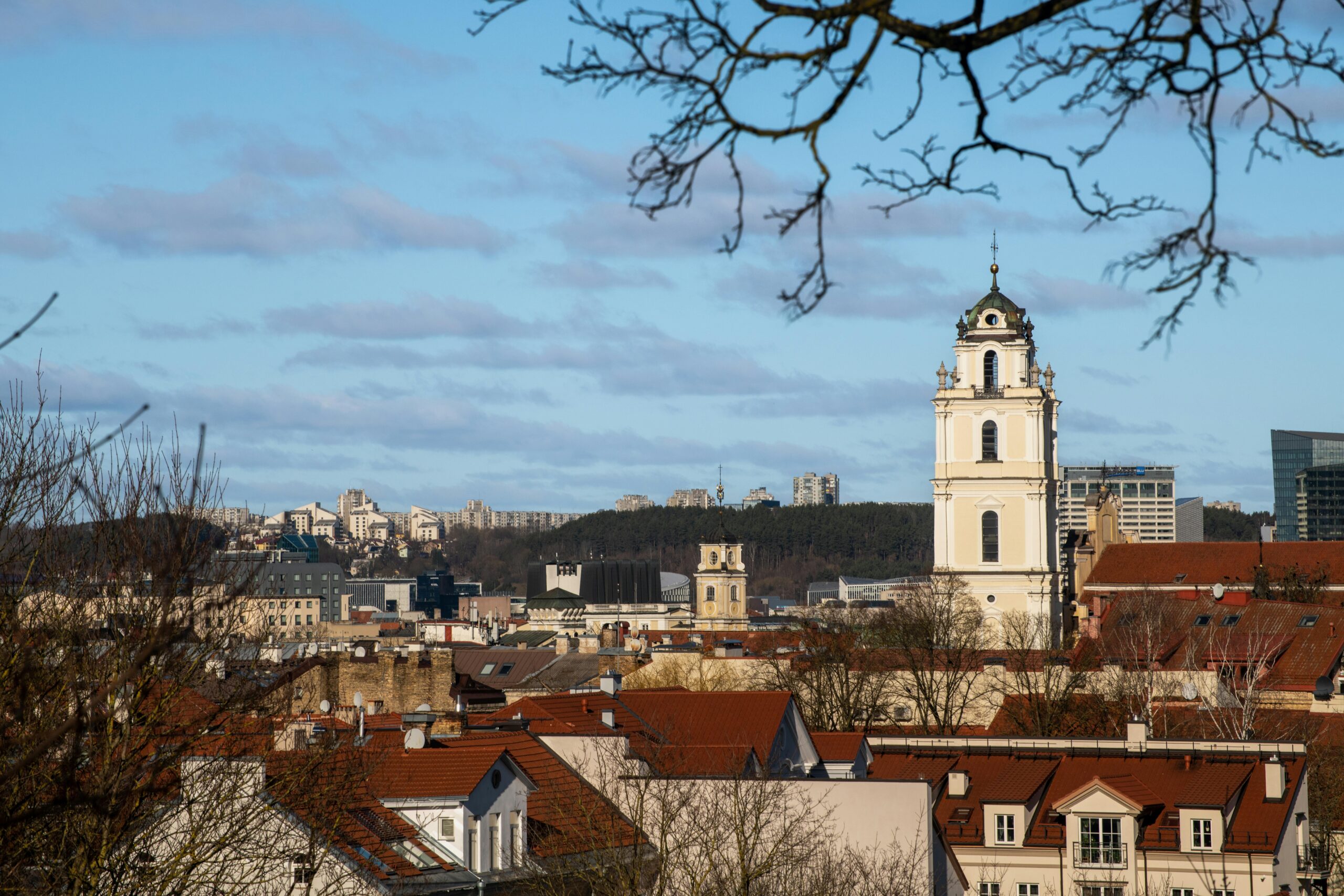
Crowds and the Vilnius tourist season
Vilnius tourist season peaks in July and August. During these months, popular attractions such as Gediminas Tower, the hilltops around Užupis, and key museums can be noticeably busier. Street cafés and rooftop bars are most crowded and lively, and central hotels often charge premium rates.
If you prefer fewer tourists and shorter lines, target shoulder months—May, June, and September. These months combine agreeable Vilnius weather with better availability and more reasonable Vilnius travel cost for hotels and guided tours. Winter offers the lightest foot traffic, which is ideal if you want quiet streets and easy access to sites without the bustle.
Costs and budgeting: how season affects Vilnius travel cost
Vilnius travel cost varies by season, and being flexible with dates often yields savings. Typical cost considerations:
- Accommodation: Expect highest nightly rates in July–August. Book early for major festivals.
- Flights and trains: Summer demand raises fares; shoulder seasons typically offer lower airfares and better availability.
- Food and attractions: Restaurants keep regular pricing year-round, but guided tours and outdoor activities may add seasonal premiums or surcharges.
- Transport within the city: Public transport and walking are inexpensive year-round; rideshares and taxis show minor seasonal variance.
For current travel alerts, visa rules, and visitor information that can affect planning and costs, official tourism resources provide practical, updated guidance. You can find visitor pages and suggested itineraries on the national tourism site: Lithuania Tourism Board.
What to pack and how to plan activities by season
Packing depends on your chosen season. Essentials by season:
- Spring: a lightweight waterproof jacket, layering pieces, comfortable walking shoes, and a compact umbrella.
- Summer: breathable layers, sun protection, a light sweater for evenings, and comfortable sandals or trainers for cobblestone streets.
- Autumn: warm layers, waterproof footwear, and a mid-weight coat for chilly evenings.
- Winter: insulated coat, thermal layers, waterproof boots with grip for icy sidewalks, hat, scarf, and gloves.
Activity planning tip: many museums and historic churches offer discounted or free entry on specific days—check schedules in advance. For outdoor activities like hot-air balloon rides over Vilnius or day trips to Trakai Castle, reserve spots early in summer and shoulder months to avoid sold-out tours.
Practical travel tips and neighborhood picks
Get to know Vilnius neighborhoods to make the most of your time. Old Town is compact and walkable—perfect for first-time visitors. Užupis, the self-declared republic, is lively with art and alternative cafés. Naujamiestis and Šnipiškės offer newer restaurants, parks, and modern cultural spaces.
Public transport is reliable and inexpensive; buy short-term passes if you plan multiple rides. Many central sites are reachable on foot, so comfortable shoes are essential. For currency and payment, Lithuania uses the euro and cards are widely accepted, though small cafés and markets may prefer cash.
FAQs
What month has the best Vilnius weather for sightseeing?
Late May through September generally offers the most pleasant Vilnius weather for sightseeing, with warm days and long daylight hours. May and September are great shoulder months if you want mild weather but fewer tourists than peak summer.
Is winter a bad time to visit Vilnius?
Not necessarily—winter is ideal if you enjoy festive markets, snowy streets, and lower prices. Be prepared for cold temperatures and shorter daylight, and plan more indoor activities like museums, churches, and restaurants.
How does visiting during Vilnius tourist season affect costs?
Visiting in the peak Vilnius tourist season (July–August) typically increases costs for accommodation and flights, and popular attractions may have longer wait times. Traveling in shoulder seasons usually reduces overall travel expenses while keeping good weather.
Are there specific events that influence the best time to visit Vilnius?
Yes—major cultural events like the Vilnius Festival, various music festivals, and public holidays can shape the best time to visit if you want to attend. Check event calendars when planning a trip to align with festivals or avoid high-demand dates.
How much should I budget per day in Vilnius?
Daily budgets vary by style. A frugal traveler can manage on modest spending using public transport and budget dining, while mid-range travelers should budget for comfortable hotels, museum entries, and meals in mid-price restaurants. Costs rise during peak season, so factor in seasonal price differences when estimating your daily spending.
Conclusion
Choosing the best time to visit Vilnius depends on your priorities: warm weather and festivals in summer, quieter streets and lower prices in shoulder months, or snowy atmospheres and seasonal markets in winter. May, June, and September often give the best mix of good Vilnius weather, manageable crowds, and reasonable Vilnius travel cost. Use the month-by-month tips above to match your interests—whether it’s strolling the Old Town, attending cultural events, or seeking solitude in a snowy cityscape—and you’ll find a rewarding visit whenever you travel.