Choosing the best time to visit Malaga depends on what you want from the trip. Whether you prioritize warm beach days, mild city sightseeing, lower prices, or local festivals, this guide explains the climate, crowds, costs, and monthly rhythms so you can plan with confidence.
This article covers Malaga weather across the year, what to expect during the Malaga tourist season, typical Malaga travel cost ranges, and practical tips for packing, booking, and getting around. Read on to find the ideal month for your visit and a realistic plan for making the most of Málaga, Spain.
When to aim for: shoulder seasons vs peak summer
For most travelers the shoulder seasons — late spring (April–June) and early autumn (September–October) — offer the best balance of pleasant temperatures, open attractions, and fewer crowds. Daytime highs are typically in the low to mid-20s Celsius, evenings are comfortable, and outdoor museums, beaches, and tapas terraces are enjoyable without the crush of August tourists.
Peak summer (July–August) brings reliably hot weather and long sunny days, which is great if your priority is sunbathing and nightlife. However, Malaga tourist season is at its busiest in these months, with higher hotel rates and crowded beaches. Winter (December–February) is mild by northern European standards — often the best choice for budget travelers who don’t mind cooler days and the occasional wet spell.
Malaga weather: month-by-month breakdown
Understanding the month-by-month weather helps you match activities to conditions. Malaga has a Mediterranean climate with hot, dry summers and mild, wetter winters.
- January–February: Coolest months. Average highs 15–17°C, lows around 7–9°C. Rain is most common in this period, though many sunny days occur.
- March–May: Spring warms quickly. March sees highs near 18°C, rising to the low 20s by May. Wildflowers and festivals begin to appear.
- June: Early summer brings warmer days (mid-20s to 28°C) and limited rain — a good transition month before peak season.
- July–August: Hottest months with average highs of 30–33°C and peaks above 35°C during heatwaves. Sea temperatures are ideal for swimming.
- September: Still warm (mid to high 20s) but less crowded after August; water remains pleasant for late-season swimming.
- October–November: Cooler and wetter, with daytime temperatures in the mid-teens to low-20s. Autumn colors and quieter streets make sightseeing pleasant.
- December: Mild holiday season with comfortable daytime temperatures, though evenings can be cool and some attractions may run reduced hours.
Peak tourist months and festival calendar
Malaga tourist season peaks in July and August. If you plan to travel then, book accommodation and major attractions early. August is also Feria de Málaga, the city’s biggest festival: daytime cultural programming and late-night street parties draw big crowds and create a memorable experience if you enjoy lively local celebrations.
Semana Santa (Holy Week) in the spring is another busy period with dramatic processions and a strong local draw. If you want to attend festivals, book well in advance; if you prefer quieter streets, avoid those dates. Shoulder months still offer events and fewer crowds, making them a sensible compromise.
Malaga travel cost: budgeting and tips to save
Costs in Málaga vary by season. Expect the highest prices for hotels, some restaurants, and flights during July–August and festival weeks. Shoulder seasons bring noticeably lower rates and often better value for restaurants and tours. A basic mid-range daily budget (excluding flights) typically falls into these ranges: budget travelers €50–€80, mid-range €100–€180, and comfort travelers €200+ per day.
To find the best accommodation deals and compare prices across neighborhoods, use a reputable booking site when planning — it’s useful for checking availability across different dates and seeing cancellation options before you commit. Compare hotels and apartments in Málaga.
- Accommodation: Book earlier for August and Semana Santa; shoulder seasons often have 20–40% lower nightly rates than peak months.
- Food and drink: Tapas bars and local markets can reduce meal costs; expect fine-dining or tourist-front prices downtown to be higher.
- Transport: Public transport and regional trains are affordable; taxis and airport transfers add to the daily cost if used often.
What to pack and how to prepare
Packing for Malaga depends on season but keeping a few essentials handy makes any trip smoother. For spring and autumn bring layered clothing, a light waterproof jacket for rare rainy days, and comfortable shoes for cobbled streets. Summer requires sun protection: wide-brim hat, sunscreen, and breathable fabrics. Winters are mild but pack a warm layer for evenings.
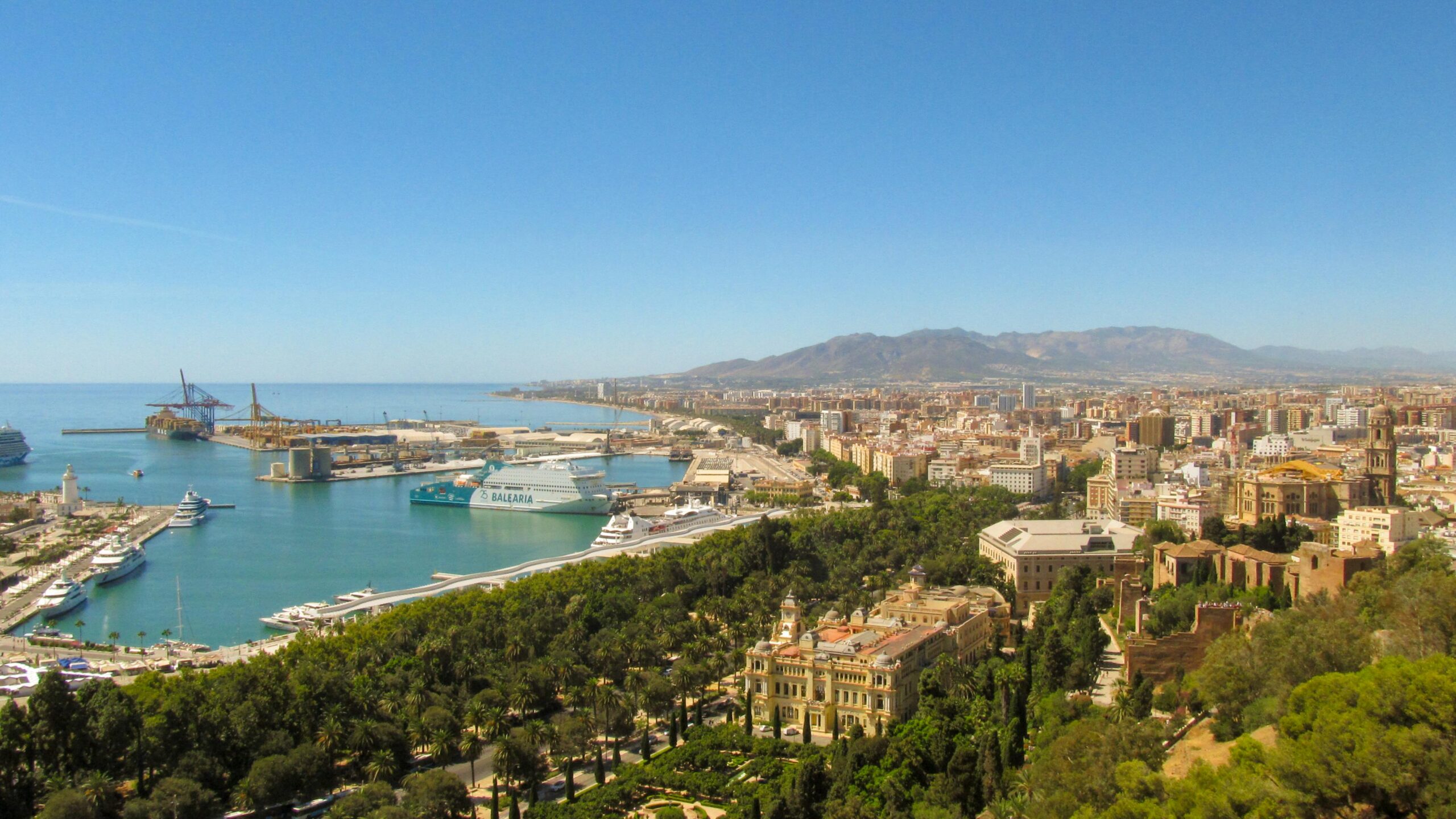
- Footwear: Comfortable walking shoes for the Alcazaba, old town, and hilltop Gibralfaro.
- Beach gear: A quick-dry towel and reef-friendly sunscreen if you plan to spend many hours on the sand.
- Electronics: A small power adapter (Spain uses Type F, 230V) and a portable charger for long day trips.
Activities by season: what to prioritize
Match activities to the season for the best experience. In summer focus on beaches and late-night terraces; in spring and autumn prioritize city sightseeing, museums, and day trips. Even winter offers pleasant walking weather and fewer queues at popular sites.
- Spring (March–May): Ideal for hiking in Montes de Málaga, visiting botanical gardens, and exploring patios and markets.
- Summer (June–August): Beach days at Malagueta or Pedregalejo, sunset drinks along the promenade, and water-based excursions.
- Autumn (September–November): Great for cultural visits — Picasso Museum, Alcazaba, and less crowded food tours.
- Winter (December–February): Off-season rates and mild weather for museum-going and sampling seasonal cuisine.
If you need to secure lodging for a specific event or want flexible cancellation policies, it’s practical to compare options and book with a platform that shows many neighborhoods and property types. Search Málaga accommodations and read recent reviews.
Getting around and day-trip ideas
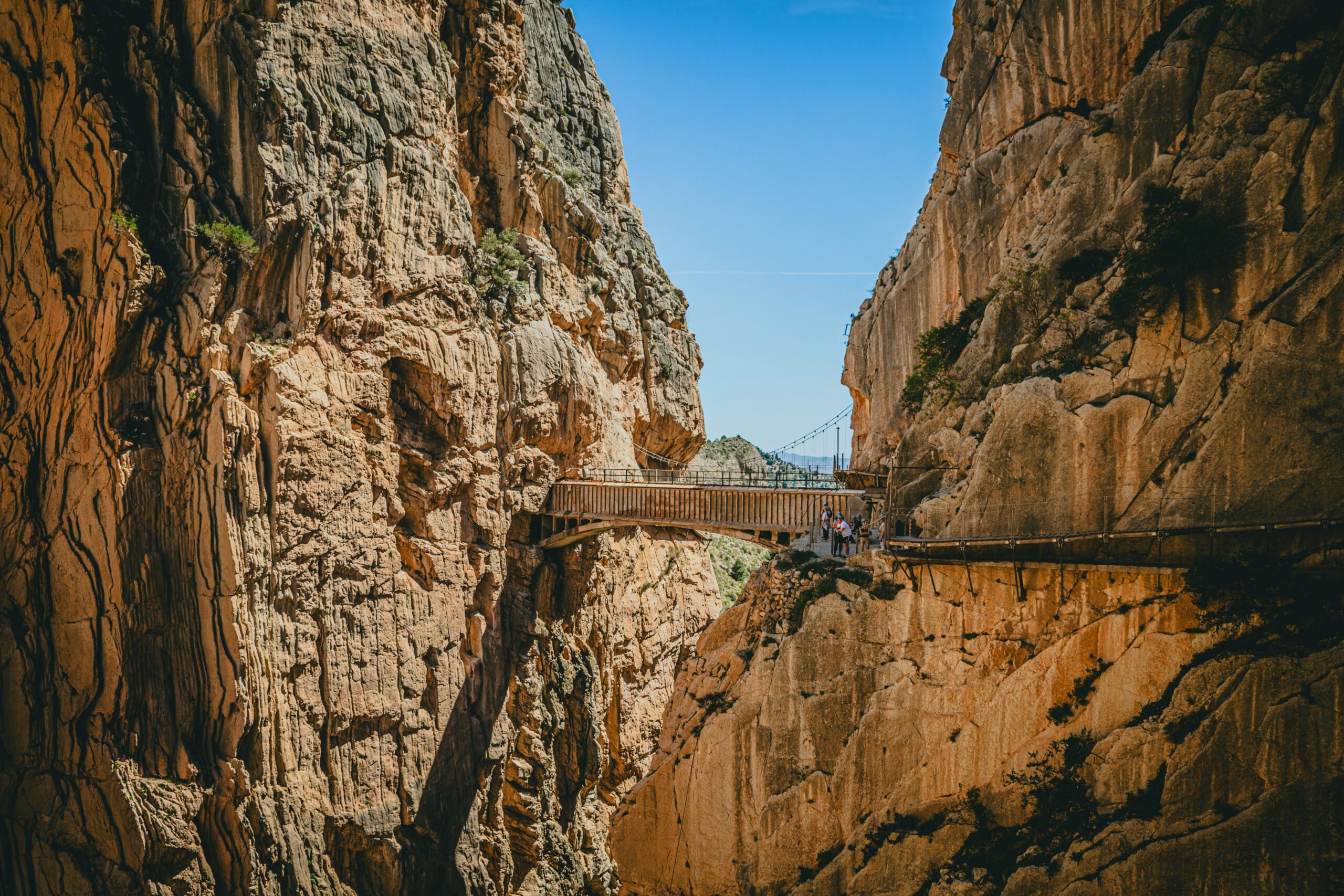
Málaga is compact and walkable in the historic center; trams and buses connect beaches and neighborhoods. The airport is close to the city and well served by shuttle buses, taxis, and occasional suburban trains. For day trips, trains and organized excursions offer easy access to Granada (Alhambra), Ronda, Nerja, and the white villages (pueblos blancos) of Andalusia.
- Public transport: Buy single tickets or day passes for multiple trips; check schedules for late-night travel in high season.
- Rentals and drivers: Car rental gives flexibility for inland exploration but is unnecessary for city-only stays.
- Day trips: Book museums and popular excursions in advance during peak months to avoid sold-out tours.
FAQs
What is the warmest month in Málaga?
July and August are usually the warmest months, with average daytime highs around 30–33°C and occasional heatwaves pushing temperatures higher. Sea temperatures are typically ideal for swimming during these months.
When is the cheapest time to visit Malaga?
November through March (excluding holiday weeks) tends to be the cheapest time to visit, with lower accommodation rates and fewer tourists. Keep in mind cooler, sometimes wetter weather during winter months.
Is Malaga good to visit year-round?
Yes. Málaga’s mild climate makes it suitable year-round: summer for beaches, spring and autumn for sightseeing with pleasant weather, and winter for quieter streets and lower prices. Choose activities to match the season.
How crowded is Malaga during Feria de Málaga?
Feria de Málaga in August draws significant local and international visitors, creating lively streets, concerts, and late-night festivities. Expect crowded public spaces and higher accommodation prices; book early if you plan to attend.
Do I need to rent a car to explore Málaga and its surroundings?
No, not for the city itself — Málaga is walkable and well connected by public transport. A car is useful for flexible day trips into rural Andalusia or for visiting several smaller towns in one day, but trains and guided tours cover many popular destinations without the need to drive.
Conclusion
Deciding the best time to visit Malaga comes down to your priorities: for warm beach days and lively nightlife aim for July–August; for mild weather, manageable crowds, and better value choose spring or early autumn; for the lowest prices and a quieter city experience plan for winter. Consider festival dates like Feria and Semana Santa if events matter, and book accommodation early when traveling in peak periods. With good planning, Málaga offers excellent weather, rich culture, and accessible day trips almost any time of year.