Deciding the best time to visit Pisa depends on what you value most: mild weather, smaller crowds, lower prices, or lively local events. Whether you want to climb the Leaning Tower without long queues, enjoy warm afternoons by the Arno, or plan day trips to nearby Florence and the coast, timing your trip to Pisa will shape the experience.
This guide breaks down the seasons, explains typical Pisa weather, outlines Pisa travel cost expectations, and highlights the city’s tourist season so you can choose the right month for your priorities and build a practical itinerary around it.
Quick answer: ideal months at a glance
For most travelers, late spring (May and early June) and early autumn (September and early October) offer the best balance of pleasant temperatures, fewer crowds than peak summer, and a full range of services and tours. These months generally present warm, comfortable days and cooler evenings, good conditions for sightseeing and photography, and open restaurants and attractions without the peak-season congestion.
If you want the absolute lowest prices and the emptiest streets, aim for November to March (excluding Christmas and New Year holiday weeks). For guaranteed sun and long daylight hours—at the cost of higher visitor numbers and heat—July and August are the busiest times.
Seasonal breakdown: what to expect month by month
Spring (March–May): Temperatures climb from cool to pleasantly warm. March can still feel brisk, but April and May bring blooming parks and increasingly comfortable days. This is prime time for walking tours and photography, and university terms mean a youthful atmosphere.
Summer (June–August): Warm to hot weather dominates. June begins to fill with tourists, peaking in July and August when many Europeans are on holiday. Expect larger crowds at the Piazza dei Miracoli, longer lines for the Leaning Tower, and higher prices for hotels and flights.
Autumn (September–November): September mirrors late spring in weather and crowd size, with pleasant temperatures and a quieter feel after late-August peaks. October and November cool down further and may include rain, but offer more authentic local life and lower costs.
Winter (December–February): Winters are mild compared with northern Europe but can be chilly and damp. Tourist numbers dip sharply (except around Christmas and New Year). Museums remain open, and you’ll find the city calm and easier to explore without queues.
Pisa weather: temperature, rainfall and what to pack
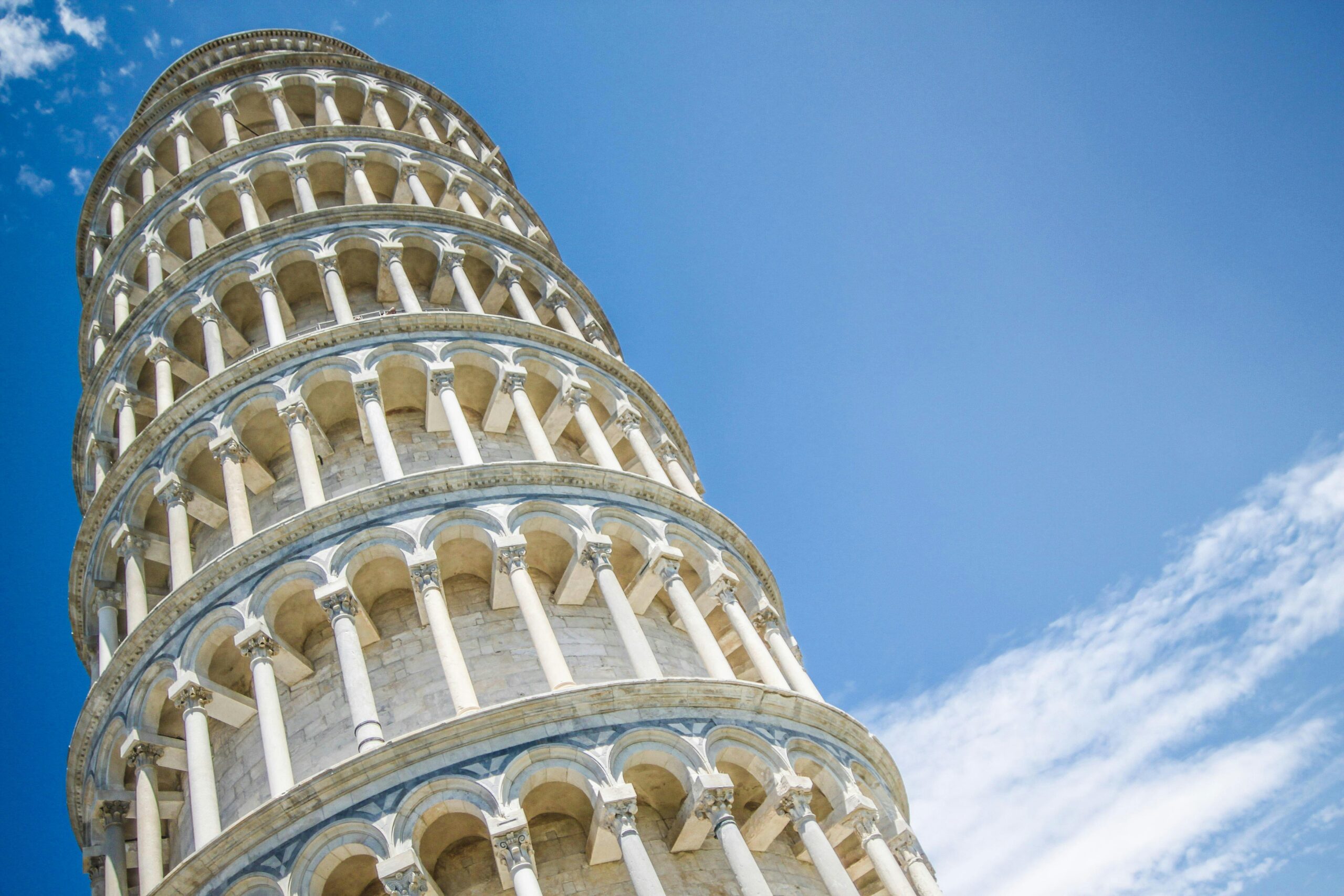
Pisa’s climate is Mediterranean with continental influences: hot, dry summers and mild, wetter winters. Average highs in summer reach the mid to high 20s °C (mid-70s to low 80s °F), while winter daytime highs are typically around 10–13 °C (50–55 °F). Rainfall is most common in autumn and winter, with short showers possible in spring.
For packing: bring lightweight layers for spring and autumn; a breathable hat, sunscreen, and comfortable walking shoes for summer; and a warm coat plus an umbrella for winter. Nights can be cooler in shoulder seasons, so layering avoids being caught out by temperature swings.
Pisa tourist season: crowd levels, events and peak times
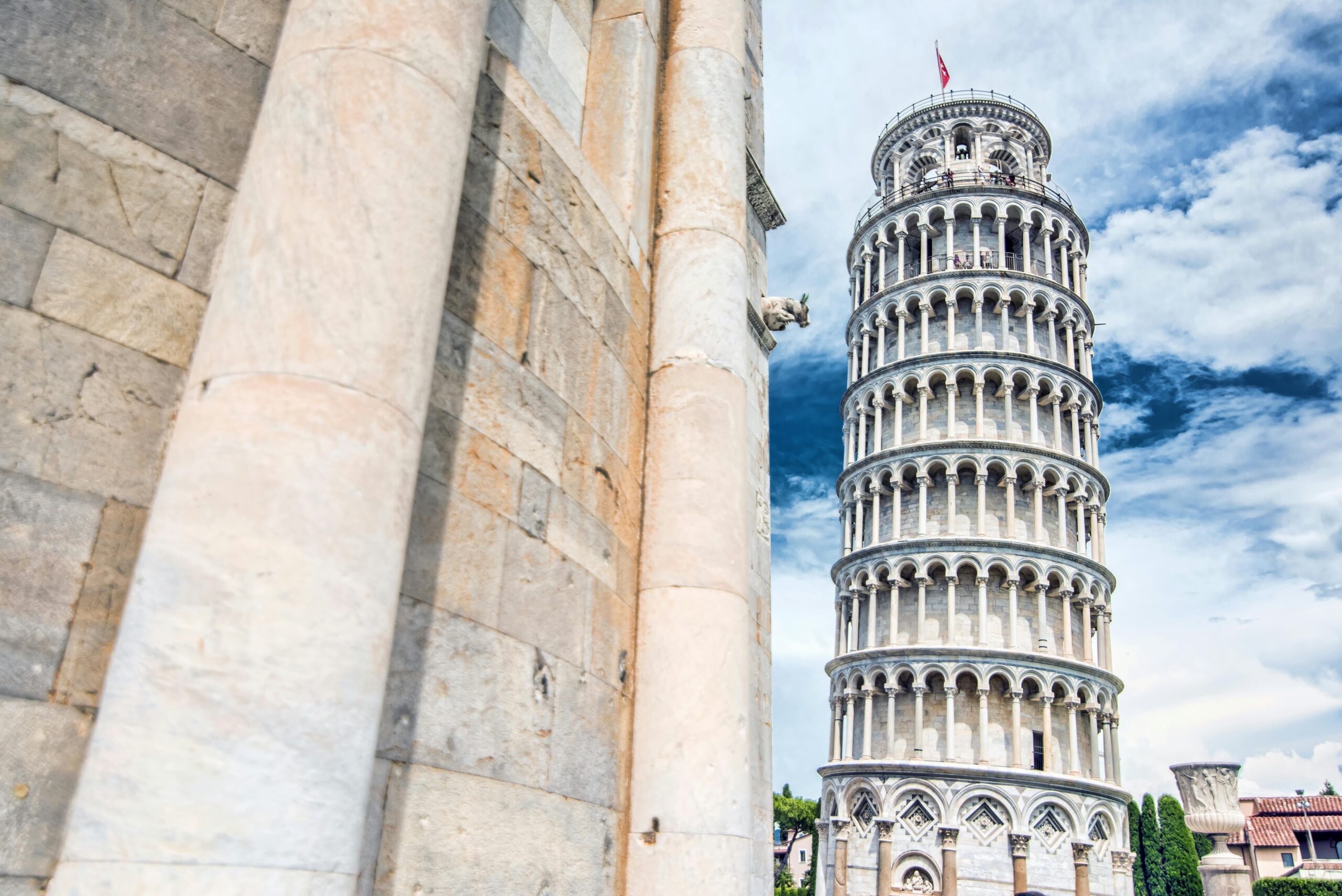
Pisa tourist season peaks in the summer months when visitors flood to the Piazza dei Miracoli to see the Leaning Tower, Baptistery and Cathedral. Weekends, public holidays, and cruise ship days also spike local crowds, especially between late morning and mid-afternoon. If you prefer quieter visits, plan early-morning entry to major sites or late-afternoon strolls along the Arno.
Major local events can affect crowding and availability: the Luminara (a candlelit festival in June in nearby cities), university events, and regional festivals. Check calendars in advance and book popular activities ahead of time. For hotel searches and last-minute accommodation options, consider browsing reliable booking platforms to compare availability and rates, such as Pisa hotels and apartments.
Pisa travel cost: budgeting for hotels, food, and activities
Pisa travel cost varies by season. Peak summer and major festivals raise accommodation and flight prices; conversely, shoulder and low seasons offer better deals. Expect a range of hotel prices from budget hostels and basic B&Bs to mid-range hotels near the city center and higher-end boutique properties around Piazza dei Miracoli.
Typical daily budgets (approximate): budget travelers can manage on €60–€90 per day (hostel or budget hotel, inexpensive meals, public transport); mid-range travelers should plan €120–€220 per day (3-star hotels, casual restaurants, paid attractions); luxury travelers will spend more depending on hotel choice and dining. For real-time rates and seasonal deals, check accommodation listings and compare options on major booking sites like booking platforms.
- Accommodation: book early for May–September; look outside the historic center for value.
- Meals: casual trattorie and pizzerie offer great value; tourist menus near attractions are pricier.
- Transport: Pisa is compact—many attractions are walkable; trains and buses are affordable for regional travel.
- Attractions: Leaning Tower tickets, museum entries, and guided tours add to daily costs—reserve ahead to avoid higher day-of rates.
How to avoid crowds and make the most of short visits
For a one-day visit: arrive early (before 9:00) to beat the largest tour groups; reserve timed tickets for the Leaning Tower; focus on Piazza dei Miracoli, the nearby Camposanto, and a relaxed walk along the Arno. Skip lunch at the immediate tower restaurants and wander a couple of streets away to find more authentic dining.
For two to three days: add the Museo dell’Opera del Duomo, stroll through the university district for lively cafes, and take a half-day trip to Lucca or the Pisa Botanical Garden. Consider weekday travel outside school holiday weeks for the best balance of open services and smaller crowds.
Practical planning: transport, day trips and accessibility
Pisa International Airport (Galileo Galilei) is a convenient entry point with domestic and international flights. Train links connect Pisa Centrale to Florence, Livorno, and La Spezia for Cinque Terre day trips. Trains to Florence take about an hour, making Pisa an excellent base for short excursions.
Getting around: the historic center is pedestrian-friendly. Taxis and local buses cover longer trips within the province. If you rely on public transit for day trips, check schedules in advance—regional trains can be less frequent on weekends and holidays. For accessible travel, many museums and key sites offer barrier-free entries, but check individual attraction pages for exact details and to request assistance if needed.
FAQs
When is Pisa least crowded?
The least crowded periods are late autumn through winter (November to February), excluding the holiday weeks around Christmas and New Year. Early mornings in any season also have fewer visitors.
What month has the best weather in Pisa?
May and September typically have the most pleasant combination of warm daytime temperatures, comfortable evenings, and lower rainfall—making them ideal months for visitors who want good weather without peak-season crowds.
How much should I budget per day in Pisa?
Budget travelers can expect €60–€90 per day, mid-range travelers €120–€220, and luxury travelers more, depending on accommodation and dining choices. Costs rise during high season, so factor that into planning.
Are there any festivals that affect travel plans in Pisa?
Regional festivals and university events can increase crowd levels and demand for accommodation. While Pisa itself has local celebrations, nearby Tuscan events and summer holidays influence visitor numbers—check event calendars before booking.
Can I visit Pisa as a day trip from Florence?
Yes. Pisa is about an hour by train from Florence. A well-planned day trip can cover the Leaning Tower, cathedral complex, and a short walk along the Arno, but staying overnight gives more flexibility and a calmer experience.
Conclusion
Choosing the best time to visit Pisa hinges on your priorities: aim for May or September for the optimal mix of mild Pisa weather, manageable crowds, and reasonable prices. If budget is the top concern, travel in the low season and expect cooler, wetter conditions. For sun and long days, book ahead for July and August but prepare for peak tourist activity.
Plan timed tickets for major sites, consider early-morning visits to avoid crowds, and compare accommodations to match your budget. With a little planning around seasonality and events, Pisa rewards visitors year-round with history, accessible day trips, and a compact, walkable city center that’s easy to explore.