Deciding the best time to visit Hallstatt depends on what you want from the trip: alpine panoramas, quiet village strolls, winter snow or summer lake activities. Hallstatt’s dramatic lakeside location and compact size mean seasonal differences affect crowds, costs and what you can comfortably do in a day.
This guide explains Hallstatt weather patterns, the peak and shoulder tourist seasons, budget considerations, transport tips and recommended months for different experiences so you can plan a trip that matches your priorities.
When to go: seasons at a glance
Hallstatt experiences a typical Central European alpine climate. Summers (June–August) are warmest and sunniest, offering long days ideal for boating and hiking. Winters (December–February) bring cold, often snowy conditions that transform the village into a fairytale scene but limit some outdoor activities. Spring (April–May) and autumn (September–October) are the shoulder seasons with milder weather and fewer day-trippers.
Consider what matters most: fewer crowds and lower prices (shoulder seasons), guaranteed warm weather and vibrant activity (summer), or snowy scenery and festive markets (winter). Hallstatt’s small footprint and popularity mean even these broad options can feel very different from one year to the next.
Peak tourist season and crowd management
Hallstatt tourist season peaks in July and August when guided tours, coach groups and cruise passengers arrive in steady waves. If you visit during these months expect narrow streets, busy waterfronts and longer waits for ferries and attractions. Photography spots like the market square and the classic lakeside view are crowded for much of the day.
To avoid the worst of the crowds, plan an overnight stay rather than a day trip. Early morning and late afternoon offer the quietest windows for exploring, while midweek visits are usually calmer than weekends. If you prefer solitude, aim for late May–early June or September when visitor numbers drop but weather remains pleasant.
Seasonal breakdown: month-by-month planning
Here’s a practical, month-focused summary to match activities and expectations to Hallstatt weather and crowd levels:
- March–April: Early spring can still be chilly; snows may linger at higher elevations. Expect fewer tourists and early-season rates but check attraction opening dates.
- May–June: Warming temperatures, blooming landscapes and quieter streets make these ideal months for hiking, photography and boat rentals.
- July–August: Peak warmth and tourism; full service for attractions, but also the busiest and most expensive period.
- September: Crisp air and autumn colors; crowd levels fall quickly after the first two weeks and weather remains attractive for outdoor pursuits.
- October–November: Cooler with the chance of early snow; many summer services scale back. Good for budget travelers who are flexible.
- December–February: Winter scenery, potential for Christmas markets and icy views. Expect cold weather and shorter daylight hours; some mountain attractions may be closed.
Activities and what to expect by season
Hallstatt’s compact setting means nearly everything is walkable, but the season determines what’s available and comfortable:
- Spring (May–June): Excellent for low-altitude hikes, boat trips on the lake, and visiting the salt mine with fewer queues. Wildflowers and fresh green landscapes are highlights.
- Summer (July–August): Prime time for boating, swimming in the lake (if you’re brave), cable car rides and guided tours. Expect full schedules at popular sites like the Skywalk and Salt Mine.
- Autumn (September–October): Ideal for scenic drives and leaf-peeping walks; trails are quieter and photographers get softer light for lakeside shots.
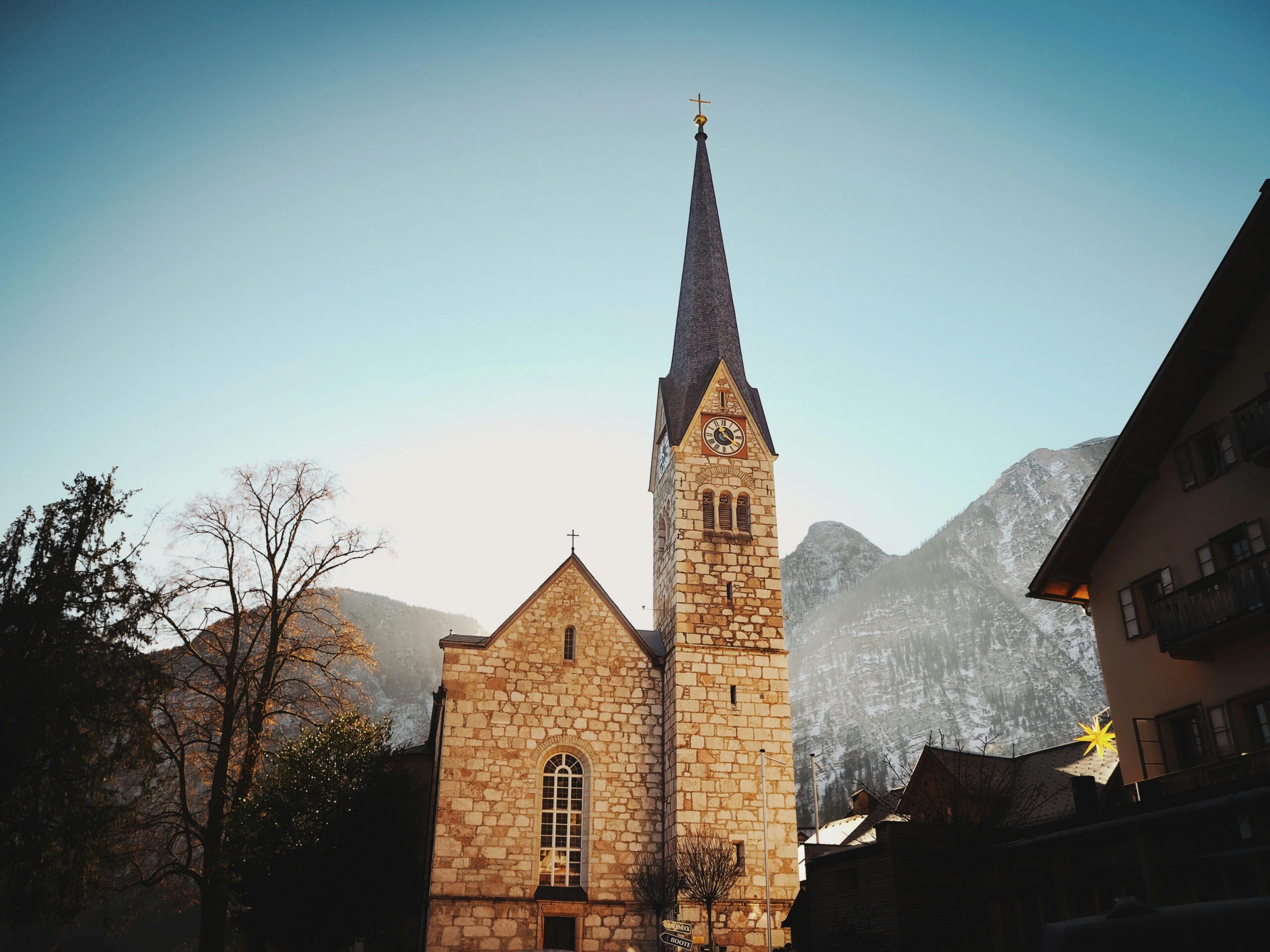
- Winter (December–February): Great for a cozy, snowy postcard scene. Christmas markets add local atmosphere, but check whether mountain attractions like the Dachstein caves or certain ferry services are operating.
Always check attraction websites for seasonal opening hours and any scheduled maintenance before you travel.
Hallstatt travel cost and budgeting tips
Hallstatt travel cost varies with season, accommodation type and how you choose to get there. Peak summer rates for hotels and guesthouses are noticeably higher; shoulder months often bring better value and more availability.
Budget tips:
- Stay in nearby towns such as Obertraun or Bad Goisern for lower nightly rates and take a short ferry or train ride to Hallstatt.
- Book accommodation in advance if traveling in July–August; last-minute options are limited and expensive. You can search available hotels in Hallstatt to compare prices and locations.
- Use public transport where possible: trains and regional buses are efficient and remove the hassle of limited parking in the village.
Meal costs in Hallstatt skew higher near the main square; buying snacks or dining slightly off the waterfront saves money. Many travelers combine Hallstatt with a base in Salzburg to spread accommodation costs and access a wider range of transport options.
Getting there and practical logistics
Hallstatt is best approached by public transport or car with a plan for parking. The nearest international airports are Salzburg and Munich; from either you can take trains to Attnang-Puchheim and then regional services toward Hallstatt. The village has a small train station on the opposite side of the lake with a short ferry link into town, which adds to the scenic arrival.
If you prefer on-site booking and comparing properties, use a reputable booking platform to view options and policies before you arrive. For convenience, many travelers book lakeside rooms or nearby guesthouses to avoid same-day availability stress.
Driving provides flexibility but expect narrow roads, limited parking and occasional restrictions for large vehicles. If you drive, allow extra time for parking and the final leg by ferry or shuttle, especially during summer when coach traffic increases.
FAQs
What is the warmest month in Hallstatt?
The warmest months are generally July and August, when daytime highs often reach the low to mid 20s°C (70s°F). Expect the sunniest weather and the most reliable conditions for outdoor activities during these months.
Is Hallstatt worth visiting in winter?
Yes—winter transforms Hallstatt into a picture-perfect snowy village. If you enjoy peaceful walks, winter photography and holiday markets, December through February can be magical. Just be prepared for shorter daylight hours and limited services on some alpine attractions.
How crowded is Hallstatt in peak season?
July and August are very busy, with frequent day-trippers from nearby cities and tour buses. Early mornings and evenings are the least crowded times, and staying overnight reduces the sense of congestion compared with a same-day visit.
How should I plan for unpredictable Hallstatt weather?
Pack layers and waterproof outerwear year-round because alpine weather can change quickly. Even in summer, cool mornings and sudden showers are possible. Comfortable walking shoes are essential for cobbled streets and uneven trails.
Can I visit Hallstatt on a day trip from Salzburg?
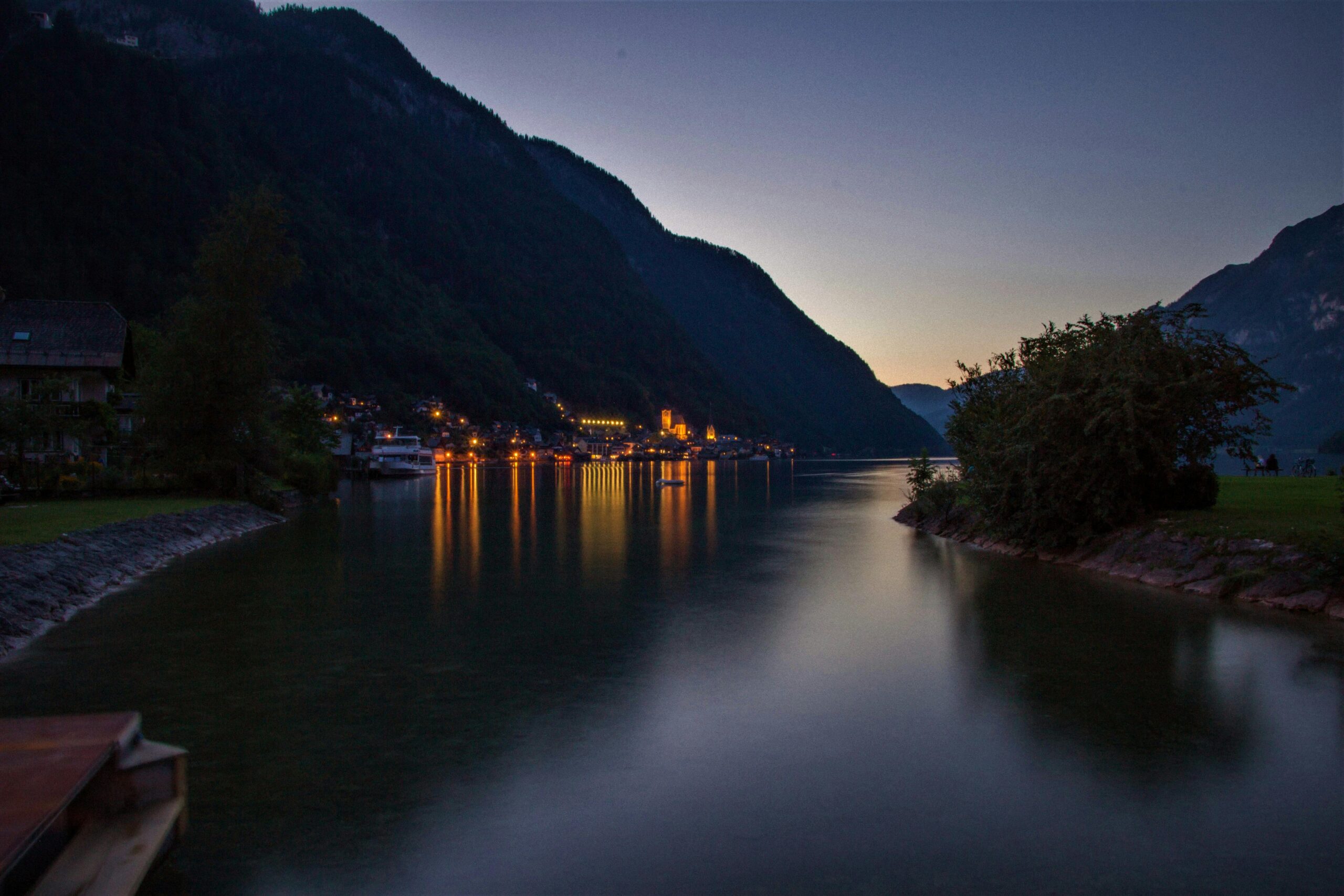
Yes—many visitors make Hallstatt a day trip from Salzburg, but it can feel rushed. If your schedule allows, staying at least one night gives you time to enjoy sunrise and sunset by the lake and to avoid the major daytime crowds.
Conclusion
Choosing the best time to visit Hallstatt depends on whether you prioritize weather, solitude or local events. For mild weather and fewer tourists, late spring (May–June) and early autumn (September) are ideal. If you want guaranteed alpine warmth and full services, aim for July–August but plan for crowds and higher costs. Winters offer a unique, atmospheric experience if you’re prepared for cold and reduced services.
Whatever season you choose, plan transport and lodging ahead, allow time for early-morning or late-evening exploration, and check current opening hours for key attractions before you travel. A little planning ensures you’ll experience Hallstatt’s remarkable setting in a way that matches your travel priorities.