Deciding on the best time to visit Porto depends on what you want from the city: warm sunshine and riverfront terraces, quieter streets and lower prices, or lively festivals and busy markets. Porto’s climate, tourist seasons and events all influence the experience, so understanding when to go helps you plan a trip that matches your priorities.
This guide breaks down Porto weather through the year, compares crowd levels and travel cost considerations, and offers practical tips for packing and timing. Whether you’re aiming for sunny days along the Douro or searching for off-season bargains, these recommendations will help you choose the ideal month for your visit.
When to visit Porto: a quick overview
Porto has a maritime Mediterranean climate with mild winters and warm summers, making it a flexible destination year-round. The most popular travel months are late spring through early autumn, when outdoor dining, river cruises and rooftop bars are in full swing. If you prefer fewer crowds and lower rates, shoulder seasons — spring (April–June) and autumn (September–October) — usually offer the best balance of weather and value.
Peak tourist season extends from June through August, when school holidays fill hotels and attractions. Winter (November–March) brings more rain and shorter days but also much smaller crowds and the lowest Porto travel cost for accommodation and some attractions.
Season-by-season guide
Spring (March–May): Spring is one of the best times to visit Porto. Temperatures climb from the low teens (°C) into the high teens and low twenties, flowers bloom across parks and terraces start to reopen. This is an excellent window for walking the Ribeira, exploring the palaces and sampling port houses with comfortable weather and manageable crowds.
Summer (June–August): Summer brings the warmest weather and the busiest tourist season. Daytime highs often reach the mid-to-high twenties Celsius, and long evenings make alfresco dining and river cruises very appealing. Expect higher prices for hotels and popular tours; book early if traveling in July or August.
Autumn (September–November): Early autumn can feel like a second spring — warm days and fewer tourists. By November, temperatures drop and rainfall increases, but you’ll find good deals and a calmer city to explore museums, churches and cafés without long lines.
Winter (December–February): Winters in Porto are mild compared with northern Europe but wetter. Temperatures typically hover around 8–15°C. While outdoor activities are limited by rain, winter is ideal for budget-conscious travelers and those who want to experience Porto’s cultural scene with shorter queues and discounted rates.
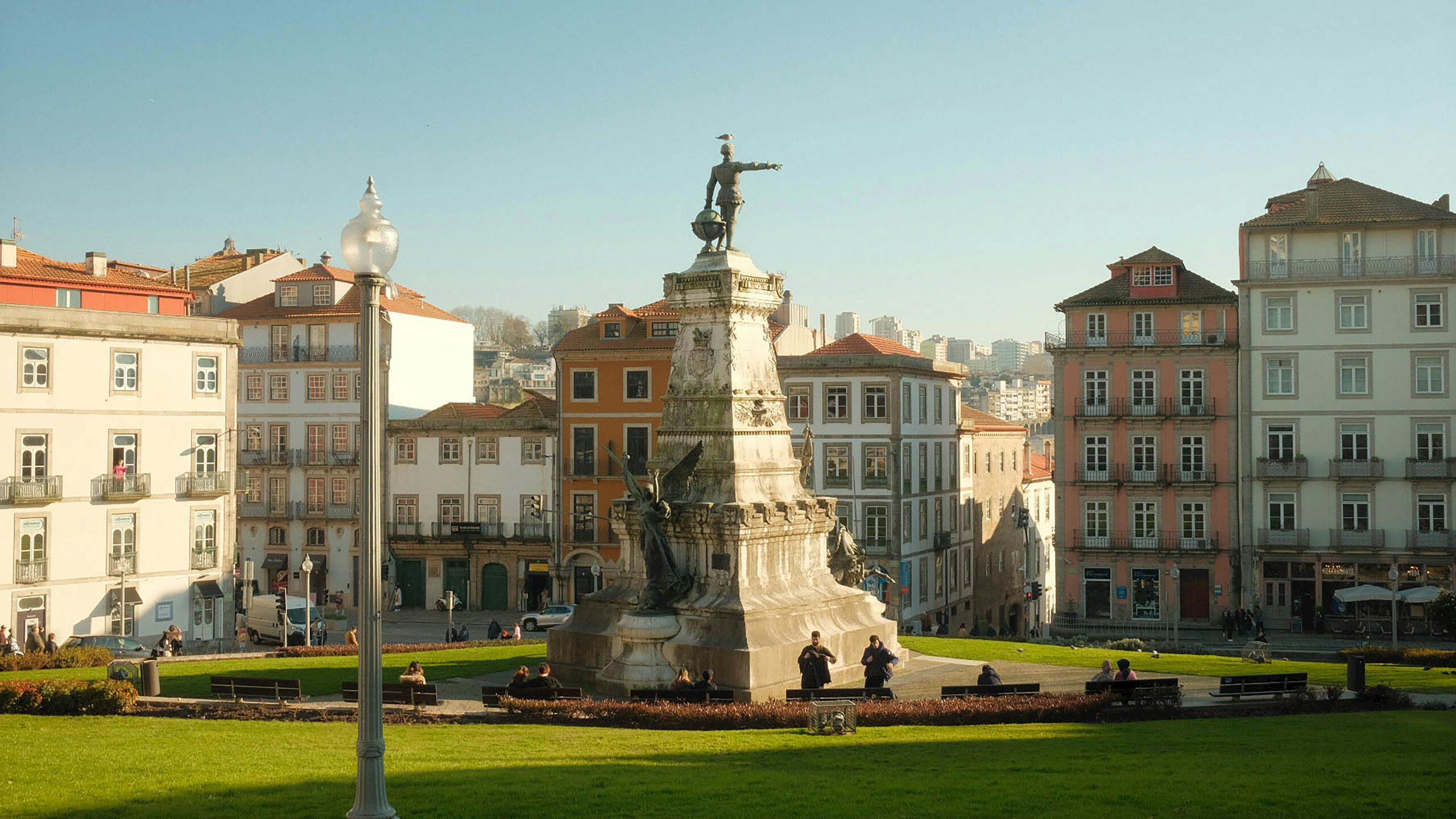
Porto weather and what to pack
Understanding typical Porto weather by month helps you pack smart. Summers are warm and often dry, while autumn and winter bring more rain. Layering is a practical approach for spring and autumn when temperatures can shift during the day.
- Spring: light jacket, comfortable walking shoes, umbrella for occasional showers.
- Summer: sunscreen, hat, light clothing and a light jacket for cooler evenings near the river.
- Autumn: waterproof jacket, layered tops, closed shoes suitable for cobblestones that can be slippery when wet.
- Winter: warm coat, waterproof footwear, and an umbrella — city streets can be damp and breezy.
Porto’s historic center has many steep, cobbled streets, so good walking shoes are essential year-round. If you plan wine tastings in the Douro Valley, include a smart-casual outfit for cellar tours and tastier tasting rooms.
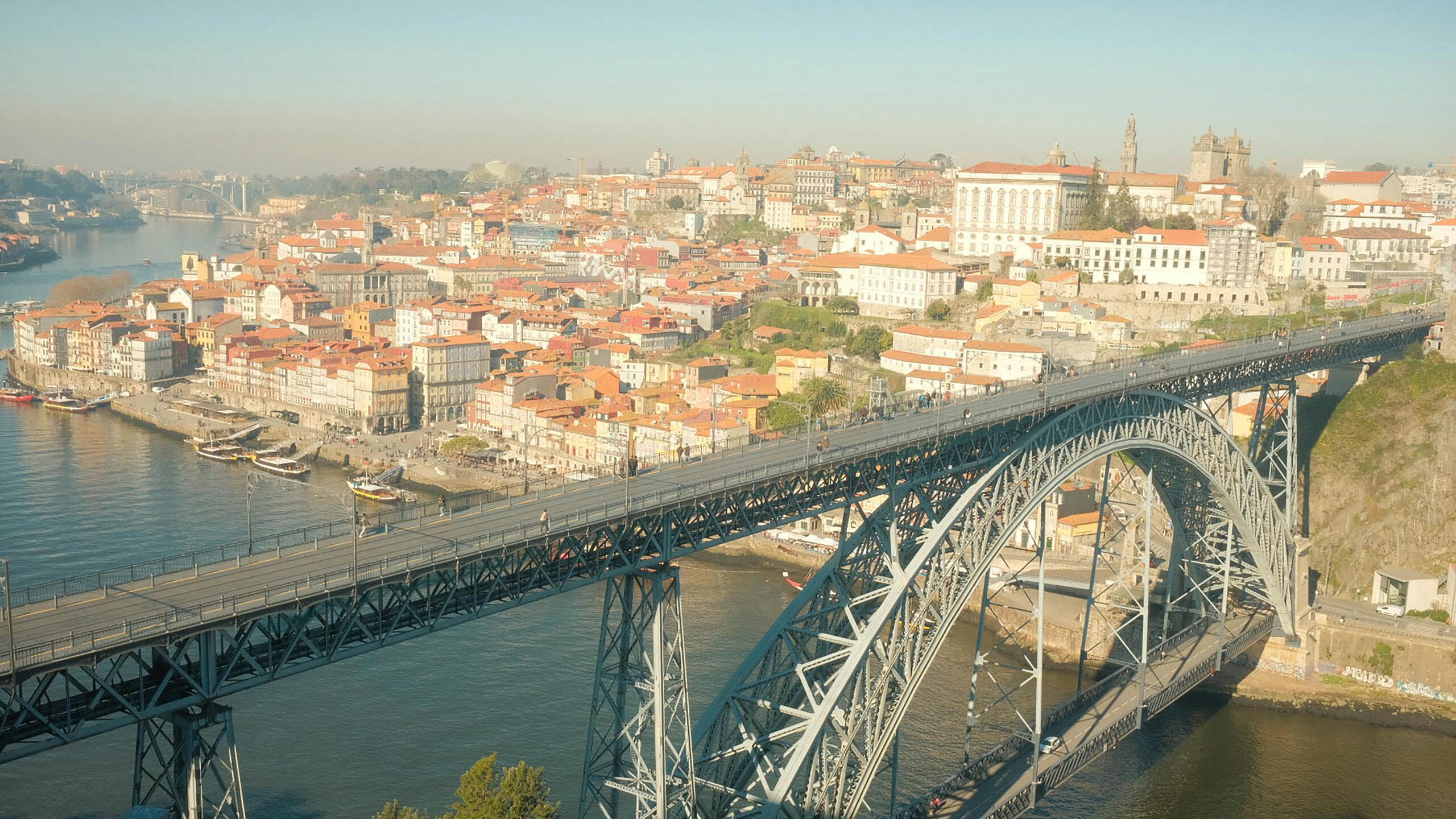
Porto tourist season: crowd patterns and timing
High season (June–September) sees the most visitors, especially the first half of August when some European holidaymakers travel. Major attractions like Livraria Lello, the Clérigos Tower and the port lodges by the river can get especially busy. To avoid the worst crowds, arrive early at attractions or plan visits on weekdays.
Shoulder months such as May and October are popular for travelers who want pleasant weather without peak-season crowds. November through February offers the quietest experience: museums, restaurants and the riverside are less crowded, but check opening times — some seasonal businesses reduce hours.
If you want a social experience with local festivals and nightlife, June is particularly lively thanks to São João (St. John’s) festival on the night of June 23–24, when neighborhoods celebrate with music, fireworks, and street parties. For a quieter, contemplative trip, aim for late autumn or winter.
Porto travel cost: budget expectations and tips
Porto travel cost varies significantly by season. Expect the highest prices for accommodation and airfare in July and August, while winter months often offer the best deals. Mid-range daily budgets for meals, local transport and modest attractions are lower than many Western European capitals, but premium dining and river cruises add to the total.
- Accommodation: book early for summer to avoid higher rates; consider family-run guesthouses in the city center for a balance of price and location.
- Food and drink: casual meals and local cafés are affordable; tasting menus and Michelin-starred restaurants raise costs.
- Transport: Porto’s metro, buses and trams are efficient and reasonably priced; day passes reduce per-trip costs.
To compare places to stay and lock in the best rates, many travelers use online hotel marketplaces. You can check hotels and apartments in Porto to see current availability and price trends for your dates.
Booking attractions and train tickets in advance often reduces costs and guarantees seats, especially for Douro Valley excursions and river cruises during the busy months. Consider visiting in shoulder months for a better balance of lower prices and pleasant weather.
Events, festivals and ideal timing for culture
Porto’s calendar is rich with cultural events that may influence the best time to plan your visit. São João, the city’s largest street festival in late June, is a highlight for those who enjoy lively public celebrations. The Porto Wine Festival in late summer showcases vintages and local gastronomy, and winter hosts intimate classical music concerts and holiday markets.
If you want to align your trip with cultural programming, check event schedules in advance and reserve tickets where possible. Festivals bring an energetic atmosphere but also higher accommodation demand and possible price spikes.
FAQs
When is the warmest month in Porto?
August is typically the warmest month, with average daytime highs in the mid-to-high twenties Celsius. Even in summer, breezes from the Atlantic keep temperatures comfortable compared with inland Portuguese cities.
Is Porto rainy often?
Porto has the most rainfall between October and March. Rain can be frequent but usually comes in showers rather than prolonged downpours. Packing a light waterproof layer will keep you comfortable during wetter spells.
Can I visit Porto in winter?
Yes. Winter is quieter and more affordable, with mild temperatures compared to northern Europe. Some outdoor activities may be limited and daylight hours are shorter, but museums, restaurants and wine lodges remain open and are less crowded.
How long should I stay in Porto to see the highlights?
Three to four days covers the main sights: the Ribeira, port wine cellars, Clérigos Tower, Livraria Lello and a short Douro cruise or day trip. Add extra days for a relaxed pace or trips into the Douro Valley.
Is Porto expensive for travelers?
Porto is generally more affordable than many major Western European cities, especially for food and transport. Costs rise during peak summer months and around major festivals, so traveling in shoulder seasons helps control expenses.
Conclusion
Choosing the best time to visit Porto depends on your priorities: summer offers warm weather and vibrant street life; spring and autumn provide excellent weather with fewer tourists; winter gives the lowest Porto travel cost and a quieter cultural experience. Consider local festivals, your tolerance for crowds, and what you want to do in the city when you pick dates. With planning and the right timing, Porto delivers memorable food, port tasting, riverside views and historic charm in every season.
For practical booking and accommodation searches tailored to your travel dates, you can also find places to stay across Porto and compare current options before you go.