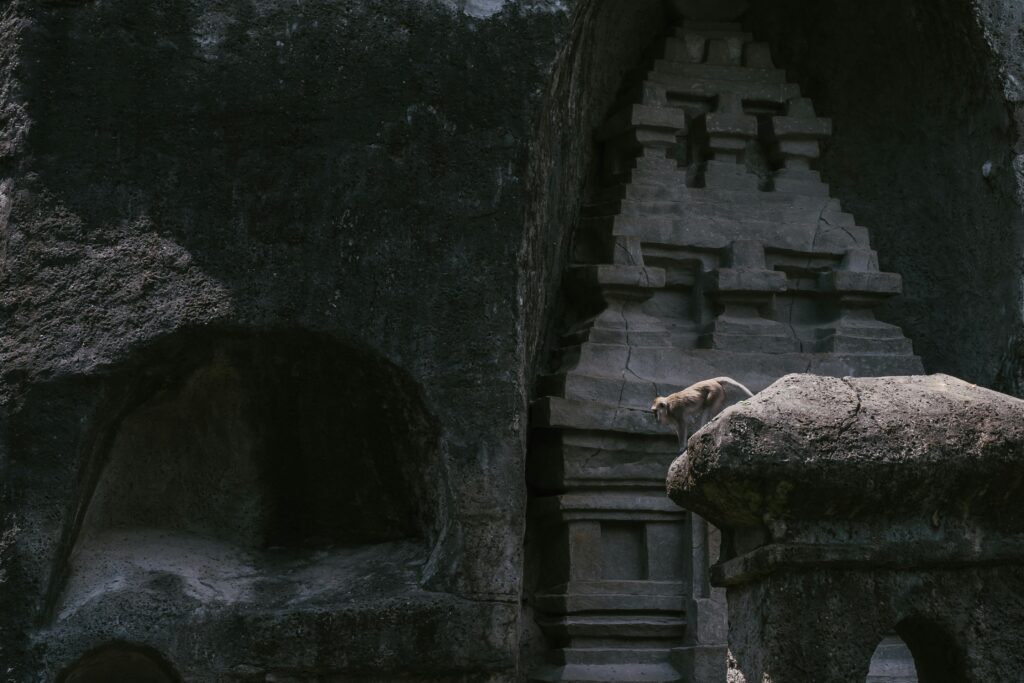
Searching for the best yoga retreats in Ubud will quickly show why this town in central Bali is synonymous with holistic wellness. Ubud’s lush rice terraces, quiet lanes lined with spas, and a long-established community of teachers and healers make it one of the world’s most consistent choices for restorative yoga, meditation, and integrated healing programs.
Whether you want a week of daily asana and Yin classes, a silent meditation immersion, or a retreat that pairs breathwork with local healing practices, Ubud offers a wide spectrum of ubud wellness retreats bali meditation centers that suit different experience levels and budgets. This guide breaks down what to expect, how to choose, and practical tips for getting the most from a retreat experience in Ubud.
Why Ubud is a global hub for yoga and wellness
Ubud sits amid rice paddies, jungle valleys and spiritual sites that contribute to its reputation as a restorative destination. The town’s combination of natural beauty, established teacher networks, and a hospitality industry oriented around mindful travel has created a dense ecosystem of studios, retreat centers, and practitioners. Visitors find accessible options for yoga styles ranging from Vinyasa flow and Ashtanga to restorative, Yin, Kundalini and therapeutic yoga.
Local culture also feeds the wellness scene. Balinese spiritual practices, including offerings, temple rituals and traditional healing, are woven into many retreat programs, creating an experience that blends movement with ritual, sound healing, and culturally rooted therapies. That immersion can be especially valuable for travelers seeking more than a series of classes — a deeper, place-based reset.
What to expect at the best yoga retreats in Ubud
Retreats in Ubud vary widely, but most follow a familiar structure: daily yoga sessions (usually combination of morning and late-afternoon classes), a guided meditation or pranayama practice, vegetarian or plant-forward meals, and optional therapies such as Balinese massage, sound healing, or Ayurvedic consultations. High-end centers often include spa services, private yoga sessions, and excursions to nearby temples or natural sites.
Smaller, teacher-led retreats prioritize intimate group sizes and personalized instruction, while larger retreat resorts may offer more varied class schedules and wellness amenities. Accommodations can range from shared dorm-style rooms and simple bungalows to private villas with plunge pools. Many retreats support detox-focused menus or specifically curated diets for breathwork and yin-focused programs.
When booking, pay attention to the daily rhythm — some retreats emphasize silence during meals or set times, while others are more social. Also review included services: are transfers from the Denpasar airport provided? Are spa treatments or excursions included, or charged separately? Understanding the program’s level of immersion will help you align expectations with your personal retreat goals.
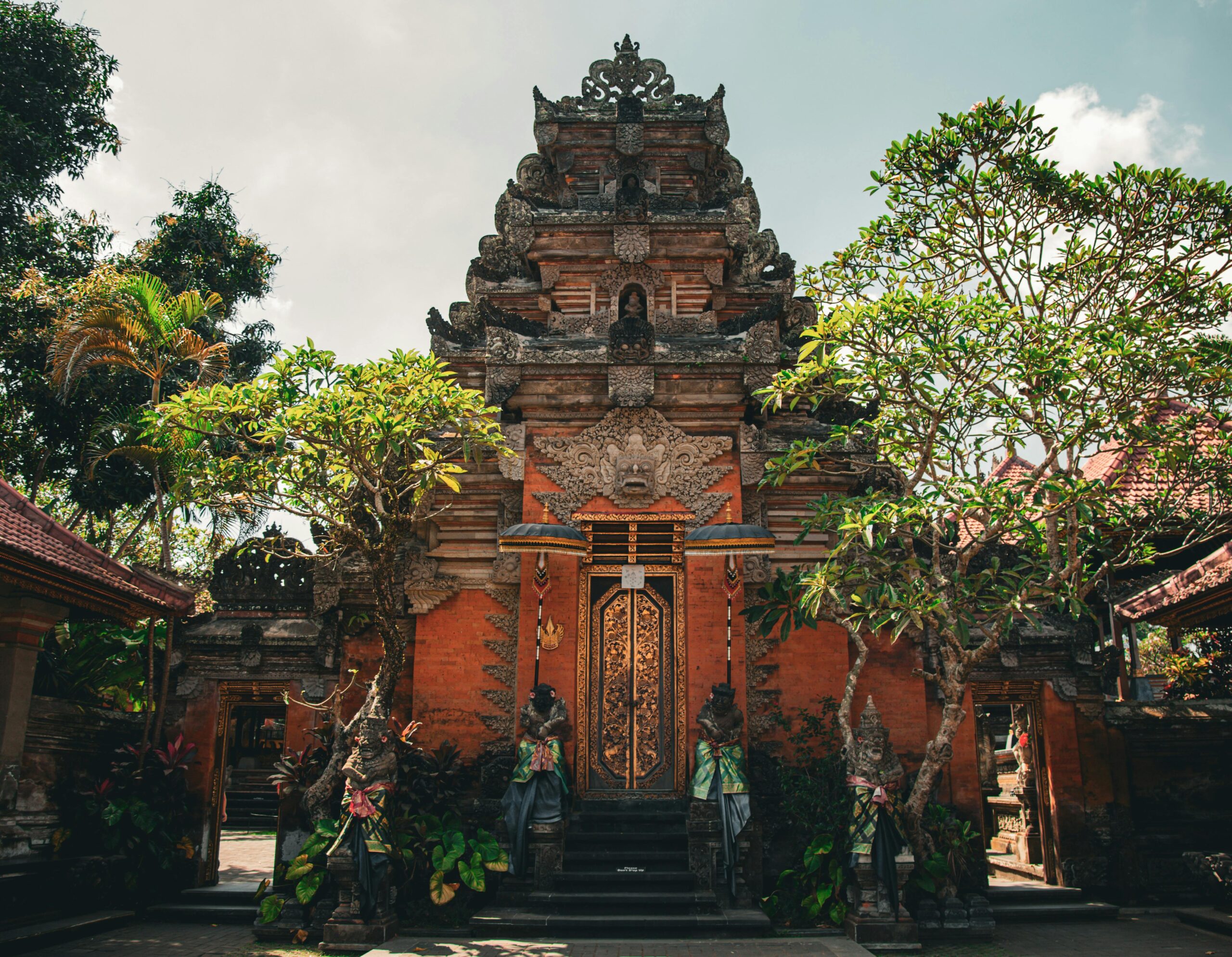
Top retreat styles and how to choose what suits you
Knowing the style of retreat that best matches your goals is the fastest route to a satisfying experience. Common retreat formats in Ubud include:
- Daily-asana packages — Focused on physical practice, these retreats offer multiple classes each day and are great for deepening technique and stamina.
- Mindfulness and meditation intensives — Emphasize silent sits, guided meditation, and Vipassana-influenced structure for internal focus.
- Detox and cleansing retreats — Pair gentle yoga with tailored menus, colonics or Ayurvedic treatments, and nutritional counseling.
- Yoga therapy and restorative retreats — Tailored for healing, chronic pain, or stress reduction using slower practices and therapeutic modalities.
- Teacher training and workshops — Multi-week programs for those pursuing certification or deep study, with a rigorous schedule and pedagogy.
Ask yourself: do you want physical intensity or restorative balance? Are you seeking cultural immersion or a quiet, inward-focused reset? If you’re new to retreating, a 3–5 day drop-in style retreat with mixed-level classes can be a gentle introduction; seasoned practitioners often prefer week-long programs with more rigorous schedules.
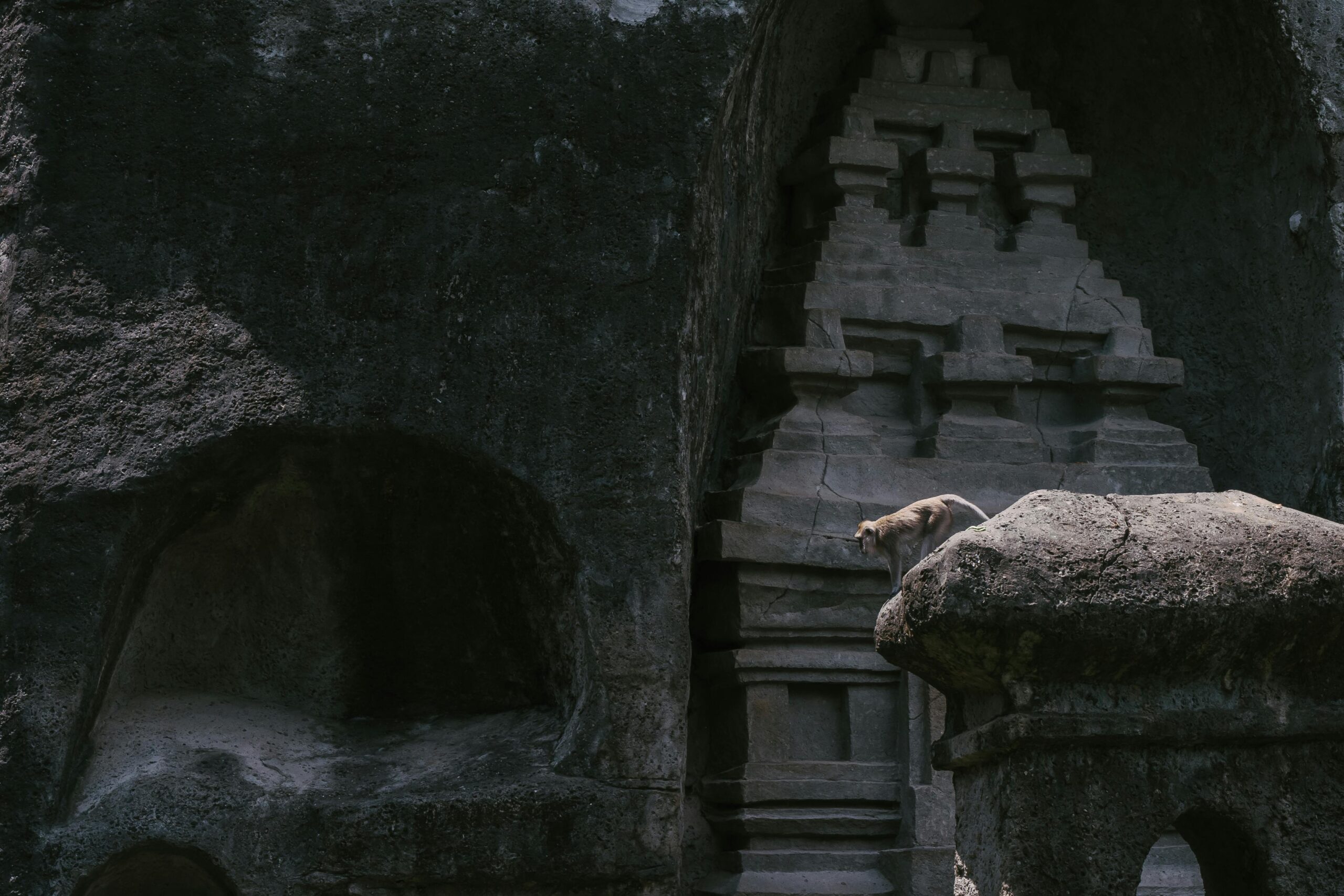
Recommended retreats and centers — a practical shortlist
Below are types of retreats you’ll commonly find in Ubud, with representative features to look for. This is not an exhaustive list of centers by name, but rather a practical way to compare options when reviewing offerings online or through local booking platforms. For an up-to-date list of accommodations and guest reviews, check local listings such as Ubud accommodation listings on Booking.
- Luxury retreat resorts — Expect spacious rooms or villas, daily spa access, and curated wellness menus. Ideal for travelers who want a high level of comfort with structured programming.
- Artist- and teacher-led boutique retreats — Smaller groups, deep teacher access and hands-on adjustments. Perfect for personalized instruction and community-building.
- Meditation centers — Focus on silent or guided sits, sometimes with a strict daily routine. Best for inner work and prolonged silence.
- Eco-conscious and farm-to-table retreats — Emphasize sustainable living and local produce with permaculture gardens and low-impact accommodations.
- Weekender or drop-in studios — Shorter retreats and workshops for those with limited time but who want an intensive weekend reset.
When you have a shortlist, compare teacher biographies, daily schedules, group size limits, included meals, and travel logistics. Reviews can be informative, but prioritize centers or teachers with transparent sample schedules and clear cancellation policies.
How to plan: timing, budgeting, and booking tips
The best time to book a yoga retreat in Ubud depends on what you want from the weather and crowd levels. High season runs from July to August and around Christmas–New Year, when prices tend to be higher and popular retreats fill quickly. The shoulder months of April–June and September–October are often ideal — warm, generally dry, and less crowded.
Budgeting: expect a broad price range. Basic drop-in retreats (3–5 days) can be budget-friendly, while week-long luxury packages with private rooms and spa treatments can be substantially more expensive. Factor in airport transfers, any optional therapies, and local excursions. For short stays or day classes, many studios offer class passes or single-session options.
Booking advice: confirm what’s included (meals, transfers, taxes) and review the cancellation policy before payment. If you have dietary restrictions or medical conditions, contact the retreat team in advance to ensure they can accommodate you. Many centers will request a wellness intake form to personalize your program.
For logistics and to compare options across accommodation types when planning your travel, you can search aggregated listings such as Ubud hotels and guesthouses which may help with pairing your retreat choice with nearby stays or supplementary nights in Ubud.
Typical daily schedule and common offerings
While every retreat has its own rhythm, a representative daily schedule might look like this:
- 06:00 – 07:30 Morning yoga or breathwork (pranayama) session
- 07:30 – 08:30 Light breakfast or herbal tea
- 09:00 – 12:00 Workshops, longer practice, or free time for spa treatments
- 12:30 – 13:30 Lunch (often plant-forward)
- 14:00 – 16:00 Rest, optional therapies or cultural excursions
- 16:30 – 18:00 Evening restorative or Yin class
- 18:30 – Dinner and optional community circle or sound healing
Many retreats offer a menu of add-on therapies: Balinese massage, energy healing, Shirodhara (an Ayurvedic oil treatment), sound baths, and acupuncture. Other useful inclusions are one-on-one consultations with teachers, alignment clinics, and meditation coaching. If you’re managing an injury, look for centers that advertise yoga therapy or teachers with rehabilitation experience.
Packing, preparation and etiquette for a respectful retreat stay
Packing for a retreat in Ubud is straightforward but thoughtful preparation enhances the experience. Essentials include:
- Comfortable yoga clothing and a lightweight blanket or shawl for meditation
- Reusable water bottle, sun hat and reef-safe sunscreen
- Insect repellent, quick-dry towel and flip-flops for moving around a retreat property
- Any required medications, a small first-aid kit and copies of travel documents
Preparation tips: arrive with an open mind and realistic expectations. If the schedule includes silence, consider how that will affect socializing and phone use. Respect local customs; Ubud is culturally rich and many sites require modest dress for temple visits. Ask in advance how the retreat observes local rituals so you can participate appropriately.
Etiquette during classes and communal spaces is also important: arrive on time, avoid heavy scents, and follow teachers’ instructions for hands-on adjustments. If you’re unsure about adjustments, tell the teacher your comfort level before class starts.
Local experiences to complement your retreat
Ubud has many mindful excursions and cultural activities that complement a retreat. Consider planning one or two low-key experiences to round out your practice:
- Walks through the Tegallalang rice terraces early in the morning for quiet reflection.
- Visiting Tirta Empul temple for a water purification ritual — a meaningful cultural complement to a retreat focused on cleansing.
- Short hikes or waterfall visits for nature immersion and mindfulness practice outdoors.
- Local art galleries, music performances or a traditional dance evening for cultural connection without a high-energy agenda.
Keep excursions light and schedule them on free afternoons rather than during intensive retreat days. Many retreats offer guided cultural activities, which can be preferable because they are curated to align with the retreat’s ethos and schedule.
FAQs
How long should a yoga retreat in Ubud be for noticeable benefits?
While even a weekend retreat can leave you feeling refreshed, a week (7–10 days) often allows time for deeper changes — improved sleep, reduced stress markers, and a more embedded practice. Longer stays or repeat visits amplify benefits, but the right length depends on your schedule and goals.
Do I need to be experienced at yoga to join a retreat in Ubud?
No — many retreats cater to all levels and specify whether classes are mixed-level, beginner-friendly, or advanced. Look for “all levels” or “beginners welcome” in the program description if you are unsure. Teacher availability for modifications and a gentle pace are good signs for newer practitioners.
Are meals typically included and what about special diets?
Most retreats include at least two meals per day and prioritize plant-forward or vegetarian menus. Many can accommodate dietary restrictions (vegan, gluten-free, dairy-free), but you should confirm in advance and provide details during the booking or intake process.
How do I choose between a teacher-led boutique retreat and a larger resort-style program?
Choose a teacher-led boutique retreat if you want close instruction, smaller groups, and deep interaction with one or two teachers. Opt for a resort-style program if you prefer a variety of classes, more amenities, and perhaps a broader range of included services like spa access and transfers.
What COVID-era considerations should I be aware of when booking a retreat?
Many centers maintain hygiene protocols, flexible cancellation policies, and sometimes testing requirements depending on current regulations. Check the most recent booking terms and local health guidance before travel, and confirm what documentation (vaccination, tests) is needed for entry to Indonesia or specific venues.
Conclusion
Choosing one of the best yoga retreats in Ubud comes down to matching your intentions and practical needs with the retreat’s offerings. Whether you seek an intensive physical practice, a silent meditation immersion, or a restful, spa-enhanced reset, Ubud’s diverse retreat ecosystem supports a wide range of goals. Thoughtful planning — clarifying inclusion details, reviewing teacher credentials, and balancing retreat intensity with light cultural excursions — will help you get the most from your time in this uniquely restorative corner of Bali.
Before you finalize a booking, check recent schedules and reviews, confirm any dietary or health accommodations, and plan your travel time to allow for rest on arrival. With intention and preparation, a retreat in Ubud can be a deeply restorative chapter in your wellness journey.