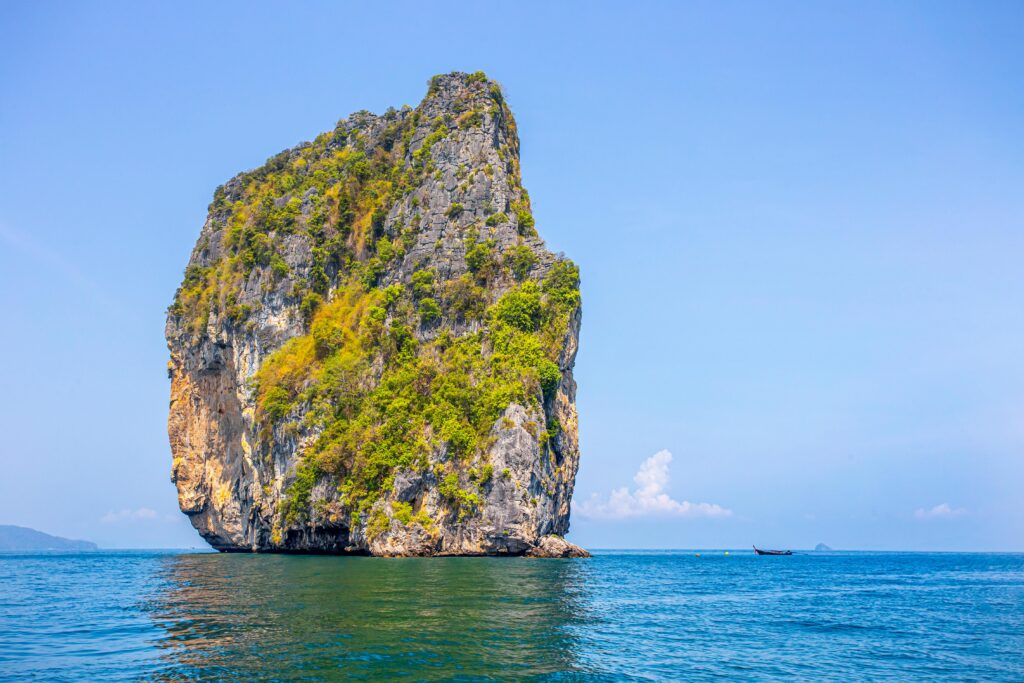

Deciding the best time to visit Krabi depends on what you want from the trip: calm seas and island hopping, dramatic skies for rock climbing photos, or lower prices and fewer crowds. Based on official climate data from the Thailand Meteorological Department and long-term observations, this guide will help you match Krabi’s weather to the activities you love and plan a trip that suits your travel style.
This travel guide breaks down Krabi’s seasonal rhythms, month-by-month weather expectations, crowds and cost patterns, and practical packing and planning advice. Whether you’re searching for the driest months for boat tours or the warmest window for diving, read on to find the most suitable time for your visit.
When to visit Krabi at a glance
Krabi’s climate is tropical monsoon: warm year-round with a distinct wetter season. For most travelers, the easiest rule is that the months from November to April offer the most reliable weather for beaches and sea-based activities. Beaches like Railay and islands such as Phi Phi and Koh Lanta are at their sunniest and calmest during this period, which makes it the peak tourist season.
However, “best” can mean different things. If you prioritize solitude and lower prices over guaranteed sunshine, the shoulder months (late April, May, and October) can be a smart choice. If you’re a photographer, surfer, or rock climber who enjoys dramatic skies and fewer visitors, the wet season also has unique appeal despite the higher chance of rain.
Krabi’s seasons explained: cool, hot and rainy
Krabi experiences three informal seasons that influence temperatures, rainfall and sea conditions:
- Cool/dry season (November–February): Mostly sunny days, lower humidity, and the most comfortable temperatures. This is the busiest tourist season.
- Hot/transition season (March–May): Higher temperatures and humidity build up, with occasional thunderstorms. Sea conditions remain generally good until late April.
- Rainy/monsoon season (June–October): Frequent showers and rougher seas; heavy rainfall tends to arrive in shorter bursts but can last for days, especially in September and October.
Daily highs tend to range between about 28–34°C (82–93°F) throughout the year, while overnight lows rarely drop below 23°C (73°F). The most pronounced variation is in monthly rainfall rather than temperature, and that determines island access, ferry schedules and the safety of sea excursions.

Month-by-month weather and travel conditions for Krabi
Understanding how each month tends to behave helps align your expectations. The following breakdown is based on long-term climate records and typical patterns for the Andaman coast.
- January–February: Some of the best weather of the year: sunny days, low humidity and calm seas. Ideal for island hopping, snorkeling and rock climbing. Prices and crowds are at their peak during this period.
- March: Temperatures increase and humidity rises. Sea remains calm early in the month; late March begins the transition toward hotter weather. Great time for diving and beach time if you’re okay with warmer days.
- April: Hotter with more afternoon thunderstorms toward the end of the month. It’s a shoulder month with fewer crowds than peak winter; ferries and tours still run normally until the rains pick up.
- May: Start of the monsoon influence; expect more regular showers and occasional rough seas. Some tours reduce frequency, and you may find lower room rates.
- June–August: Monsoon season is established but often intermittent—rain tends to come in heavy bursts followed by sunny spells. Sea conditions can be choppy; island trips operate but are more likely to be modified for safety.
- September–October: The wettest and least predictable months. Prolonged rain and stronger winds can cancel boat services. Many small businesses slow operations or close for maintenance.
- November: Rain eases as the cool dry season returns. Late November is a popular time to arrive: the landscape is lush after monsoon rains and the weather rapidly improves.
For up-to-date monthly averages and official climate numbers that inform local planning, consult the Thailand Meteorological Department’s long-term data summaries when setting exact dates for travel. See the official agency for current forecasts and historical records: Thailand Meteorological Department.
How tourist season affects crowds, prices and services
Peak season (November–February) aligns with the best weather and the highest number of incoming visitors. Expect fuller beaches, busy restaurants and pre-booked tours. Accommodation rates can be 20–50% higher than during the low season, and popular attractions can be crowded at midday.
Shoulder seasons (March–April and November) offer a balance: weather is mostly good and crowds are lighter than the heart of winter. If you’re targeting lower prices with reasonable weather, book in a shoulder-month window where possible.
During the monsoon months, many operators reduce schedules, and island tours can be canceled on safety grounds. That said, this is the time when you’ll find the deepest discounts on hotels and less congested viewpoints. If your trip is flexible and you don’t rely on frequent boat travel, the savings can be worthwhile.
To reserve accommodation and tour services, many travelers rely on trusted booking platforms for availability checks and reviews; you can review current hotel availability for Krabi at a major accommodation site: Krabi hotels and stays.
Activities by season: what to expect on land and sea
Choosing the right season depends largely on the activities you prioritize. Here’s how common activities map to Krabi’s seasonal pattern.
- Island hopping and snorkeling: Best November–April. Clear sea conditions and good visibility make snorkeling and boat trips enjoyable. During the monsoon the sea can be too rough for safe excursions.
- Scuba diving: Year-round diving is possible, but visibility shines in the dry months. The Andaman Sea’s dive sites are accessible outside the heaviest monsoon periods, though some operators limit trips in rough weather.
- Rock climbing (Railay): November–March is ideal for climbing with drier rock faces and comfortable daytime temperatures. Wet season offers fewer climbers and dramatic atmospherics but can bring slippery conditions.
- Kayaking and mangrove tours: Calm seas in cool months are best for coastal paddling. Some river and mangrove trips operate during shoulder and wet months, but expect changes for safety in stronger currents or heavy rain.
- Fishing and sunset cruises: Most operators run these trips in the dry season; in the rainy months boats tend to stay in port when weather dictates.
If your trip centers on several sea-based activities, target the dry season for the highest chance of uninterrupted plans. If you’re pursuing solitude, nature photography or lower cost, be prepared for weather-related changes and flexible itineraries in the wet season.
Planning tips: booking, packing and transport
Advance planning and flexible arrangements make Krabi travel smoother regardless of season. These practical tips will help you avoid common pitfalls and maximize enjoyment.
- Book early for peak season: Reserve hotels and popular tours several months ahead for travel between December and February to secure preferred dates and rooms.
- Check ferry schedules: Ferry and long-tail boat services adjust during the monsoon. Confirm boat times the day before departure and keep some flexibility in island itineraries.
- Packing essentials: For dry season travel, bring lightweight layers, reef-safe sunscreen, a wide-brim hat and a light rain jacket for occasional showers. For wet-season travel, pack quick-dry clothing, a reliable rain jacket, waterproof bags for electronics and sturdy sandals.
- Transport options: Krabi International Airport serves the region with flights from Bangkok and regional hubs. For on-land travel, taxis, shared minivans and rental scooters are common. During wet weather, leave extra travel time for road conditions.
- Health and safety: Tropical climates mean sun protection and hydration are essential year-round. During the rainy season, mosquito protection is more important—pack repellent and consider accommodations with window screens or air-con.
When comparing accommodation options and traveler reviews to match your budget and travel priorities, reputable booking platforms provide a quick way to check availability and compare amenities.
Where to base yourself: Krabi Town, Ao Nang, Railay and islands
Krabi offers a variety of bases depending on the travel experience you want. Each area has distinct advantages for different seasons and activities.
- Ao Nang: Convenient for restaurants, shops and day-trip departures. A practical base during peak and shoulder seasons with easy access to island tours and road transport.
- Railay Beach: Accessed by long-tail boat, Railay is a quieter, scenic choice with world-class climbing. It’s best in dry months when boat services are frequent and the sea is calm.
- Krabi Town: Budget-friendly with local markets and ferry connections. Ideal if you want a more local atmosphere and lower accommodation costs, especially outside peak season.
- Phi Phi, Koh Lanta and other islands: Choose islands for more secluded beach time. Lanta can be calmer and family-friendly, while Phi Phi is livelier. Remember that the islands become harder to reach in the heavy monsoon months.
When booking accommodation, factor in transport time to your planned activities. If you expect to rely heavily on day trips, Ao Nang or a centrally located hotel in Krabi Town will reduce transit time.
FAQs
When is the absolute best time to go for beach weather?
If your priority is consistent beach weather and calm seas for island-hopping, aim for December through February. These months typically have the most stable conditions, less humidity and minimal rainfall, making them the most reliable for sun and sea activities.
Are there months to avoid entirely because of the weather?
September and October tend to be the wettest and least predictable months. During this period, heavy rains and stronger winds can cancel boats and outdoor tours. If your itinerary depends on frequent island access, these months are the least convenient.
Can I find good deals if I travel during the rainy season?
Yes. The monsoon months often bring significant discounts on hotels and tours, and fewer crowds at major viewpoints and attractions. If you are budget-conscious and flexible about sea-based activities, the savings can offset occasional weather disruptions.
Is it safe to travel to Krabi during the monsoon season?
Travel is generally safe, but conditions can change quickly. Heavy rains can cause flash flooding and rough seas. Choose operators that prioritize safety, monitor weather updates from official sources, and build slack into your schedule to accommodate cancellations or delays.
How far in advance should I book to get the best options?
For travel in December–February, book hotels and popular tours at least three to six months in advance to secure prime rooms and slots. For shoulder and low-season travel, a shorter booking window of a few weeks is often sufficient but always check cancellation policies for flexibility.
Conclusion
Choosing the best time to visit Krabi depends on whether you value consistent sunshine and calm seas, lower costs and solitude, or dramatic monsoon atmospherics. For most travelers, November through April offers the most reliable beach and island conditions. Shoulder months provide a balance of fewer crowds and acceptable weather, while the wet season brings lower prices and lush scenery but a higher chance of disruption.
Use the official climate summaries to fine-tune your dates and always build flexibility into sea-based plans. With the right timing and planning, Krabi’s limestone cliffs, turquoise waters and island beaches can be enjoyed throughout the year in different and rewarding ways.

Our Fact Checking Process
We prioritize accuracy and integrity in our content. Here's how we maintain high standards:
- Expert Review: All articles are reviewed by subject matter experts.
- Source Validation: Information is backed by credible, up-to-date sources.
- Transparency: We clearly cite references and disclose potential conflicts.
Our Review Board
Our content is carefully reviewed by experienced professionals to ensure accuracy and relevance.
- Qualified Experts: Each article is assessed by specialists with field-specific knowledge.
- Up-to-date Insights: We incorporate the latest research, trends, and standards.
- Commitment to Quality: Reviewers ensure clarity, correctness, and completeness.
Look for the expert-reviewed label to read content you can trust.