Deciding the best time to visit Bali depends on what you want from the trip: sun, surf, festivals, quieter beaches, or lower prices. This guide outlines the island’s climate, tourism patterns, and month-by-month conditions so you can choose the ideal window that matches your priorities. It draws on official climate and tourism data for accuracy and practical planning advice.
If you want a comprehensive bali weather month by month travel guide, this article walks through each season and month, explains regional differences across Bali, and gives clear recommendations for different types of travelers — families, surfers, divers, cultural visitors, and budget-conscious explorers.
Understanding Bali’s seasons and what they mean for travelers
Bali has a tropical climate characterized by two main seasons: the dry season and the wet season. The dry season typically runs from April to September, bringing sunnier days, lower humidity, and calm seas — conditions many visitors find ideal. The wet season, from October to March, brings more frequent rainfall, higher humidity, and occasional storms, but also fewer crowds and lush green landscapes.
Temperature variations across the year are modest compared with temperate regions. Coastal areas usually experience daytime highs in the high 20s to low 30s Celsius (mid-80s to low 90s Fahrenheit) year-round, while higher-altitude locations like Ubud and Mount Batur are cooler, particularly early in the morning and in the evening. Humidity and rainfall are the main factors shaping the travel experience.
Tourism peaks during the dry months and around international holidays such as late December and Easter. For travelers seeking a quieter experience or lower prices, shoulder months at the start and end of the dry season can be ideal. Read on for a detailed month-by-month breakdown to match weather expectations with what you want to do on the island.
Month-by-month breakdown: what to expect
Below is a practical month-by-month picture of Bali’s typical weather and travel conditions. Use it to match activities and crowd levels to the time you plan to travel.
January – February: Peak wet season. Expect frequent afternoon or evening downpours and high humidity. Rivers and waterfalls are full, making waterfall visits spectacular, but some rural roads can be slippery. These months see fewer international tourists outside holiday travel, and hotel rates can be lower except around major Indonesian holidays.
March – April: Transition months. Rainfall decreases as the dry season approaches. March can still be wet early on, but by April skies clear more regularly. This period is pleasant for exploring cultural sites, rice terraces, and early surf windows on exposed breaks.
May – June: Early dry season. Lower humidity, sunnier days, and cooler nights in the hills. May is an excellent time for outdoors activities and cultural festivals that begin to ramp up. Accommodation and flight prices are usually more moderate than peak months.
July – August: Peak dry season. Warm, sunny, and very popular with international travelers. Expect large crowds in Seminyak, Kuta, Uluwatu, and Canggu, and high demand for popular beaches and attractions. Advance booking is recommended for hotels and tours.
September – October: Late dry season and start of transition back to wetter weather. September remains reliably dry and is often a favorite for travelers seeking great weather with slightly fewer crowds. October sees increasing chance of showers by the end of the month but still enjoys many sunny stretches.
November – December: Wet season returns. November can be unpredictable, and by December rainfall increases. Tourist flows grow in late December due to holiday travel, so while weather can be mixed, demand and prices rise around Christmas and New Year’s.
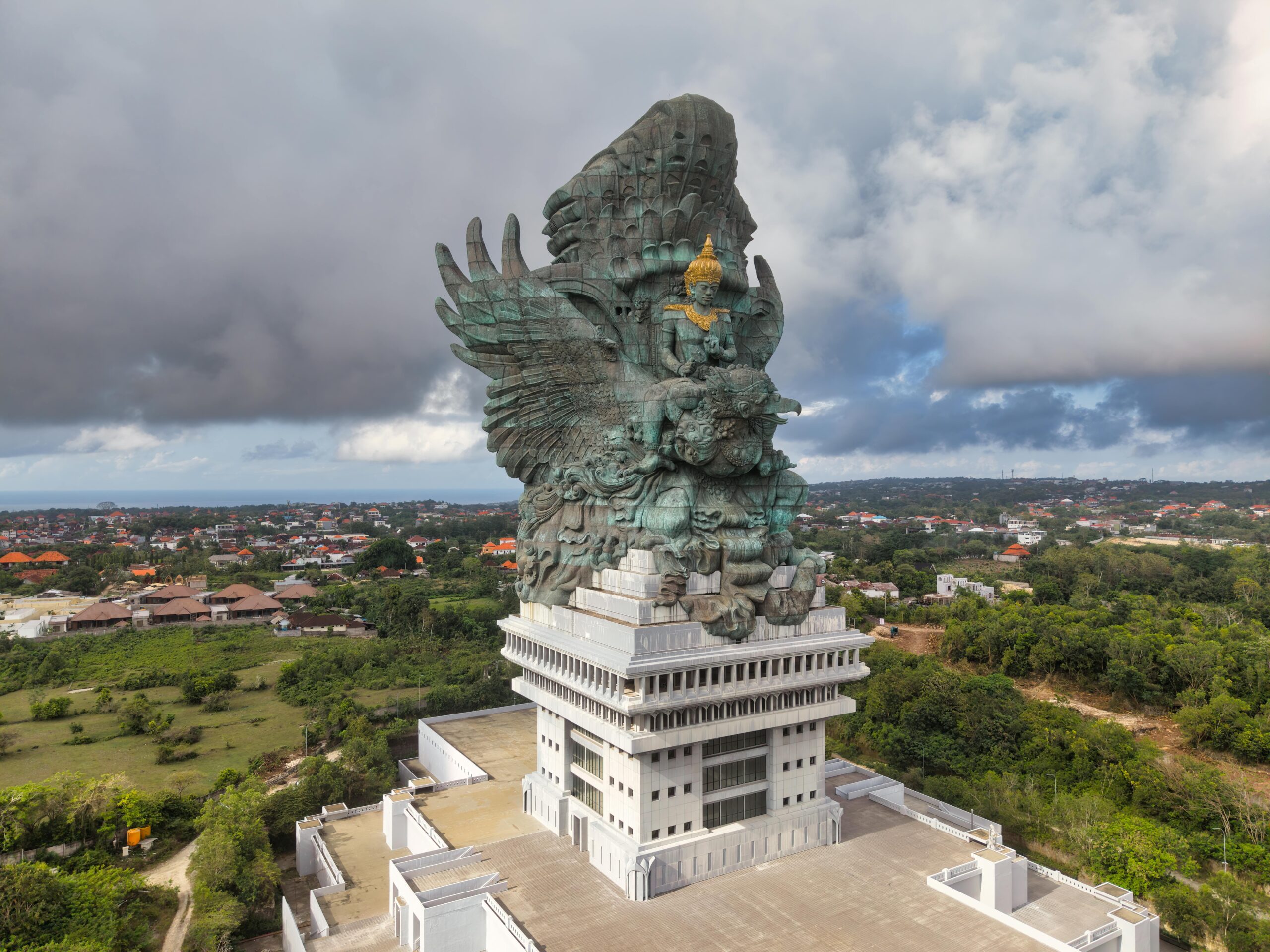
Regional differences: north, south, east, and central Bali
Bali’s weather is not perfectly uniform. Microclimates and geographic variation shape local conditions and activity suitability across the island:
- South Bali (Kuta, Seminyak, Nusa Dua, Jimbaran): Beaches here are most accessible year-round. During the dry season, beaches are ideal for swimming and sunbathing. During the wet season, short heavy showers are common but often don’t last all day.
- West coast (Canggu, Tanah Lot, Uluwatu): Known for world-class surfing breaks. The best surf changes with the season — reef and beach breaks peak at different times, but the dry season generally brings improved conditions for reef breaks.
- East Bali (Amed, Candidasa, Padangbai): Calm seas and clearer water for diving and snorkeling, particularly during the dry season. East Bali can be slightly drier and is less crowded than the south.
- Central Bali (Ubud, Bedugul): Higher elevation brings cooler temperatures and misty mornings. The wet season turns rice terraces vividly green and is perfect for photographers, though some trails can be muddy.
- North Bali (Lovina): Typically quieter, with different rainfall patterns; great for dolphin watching and black-sand beaches. The north can receive more rain at times, depending on monsoon shifts.
Understanding these differences helps decide where to base yourself depending on planned activities: surfing in the west, diving in the east, cultural touring in the center, and relaxed beaches in the south or north.
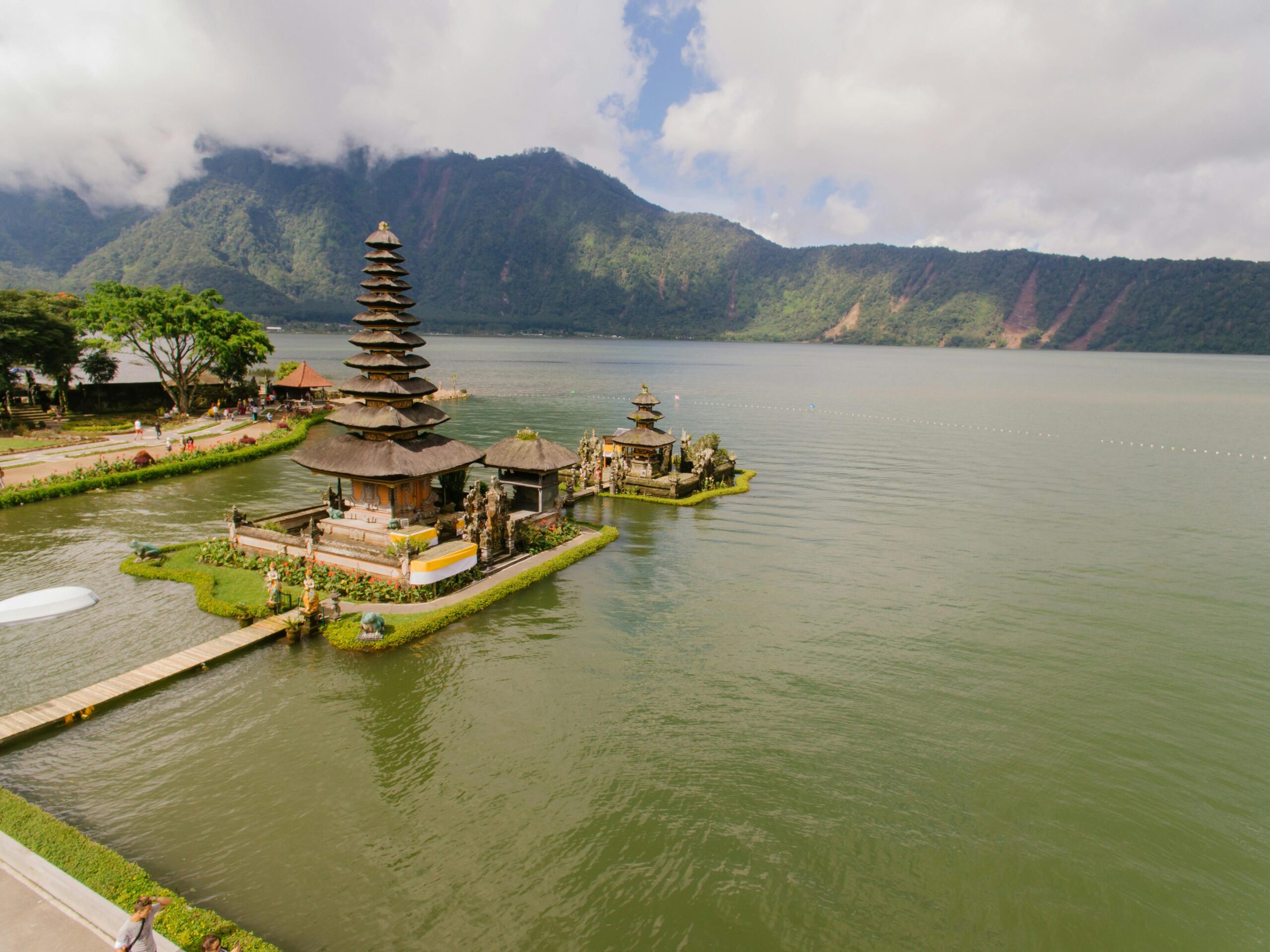
Best time to visit Bali depending on your priorities
“Best” varies by traveler type. Here are clear recommendations to match common priorities with months and locations.
- Sun and beach days (swimming, sunbathing): May to September offers the most reliable sun and calm beach conditions, especially in south and east Bali.
- Surfing: West and south coasts: dry season (April–September) brings consistent swells to many reef breaks; wet season can favor certain exposed west-facing breaks. Check local surf forecasts for specific breaks before booking.
- Diving and snorkeling: Dry season typically offers the best visibility (May–September), especially in the east and around Nusa Penida and Menjangan Island.
- Culture and festivals: Bali’s Hindu calendar includes temple festivals and religious ceremonies year-round, with major events like Galungan and Nyepi (the silent day) shifting each year. Check local calendars to coincide with cultural experiences.
- Lower prices and fewer crowds: Travel during the wet season (November–March) outside holiday spikes offers reduced rates, quieter attractions, and more flexible booking options.
- Photography and landscapes: For lush rice terraces and waterfalls in peak condition, visit during or just after the rainy season (December–March). For dramatic sunsets and clear skies, choose the dry season.
| Goal | Best months | Why |
|---|---|---|
| Sun & Swimming | May–September | Low rainfall, calm seas, consistent sun |
| Surfing | April–September (varies by break) | Better swells and wind directions for many reef breaks |
| Diving Visibility | May–October | Lower plankton, clearer water particularly in east Bali |
| Cultural Experiences | Year-round (plan for festival dates) | Festivals and ceremonies occur all year; avoid Nyepi if you prefer activities |
| Budget Travel | November–March (excluding holidays) | Lower demand, more hotel discounts, quieter attractions |
Practical planning: flights, accommodation, and what to pack
Booking and packing strategy depends on seasonality and planned activities. For high season travel, book flights and hotels several months in advance. If you’re traveling in the wet season and prioritizing quiet beaches and lower prices, allow flexibility for occasional weather-related changes to your plans.
For accommodation across Bali, many travelers choose to compare options and book stays in advance, especially in popular areas during peak months. For a wide selection of hotels across Bali and to check current rates, consider browsing reputable booking platforms before you finalize dates: wide selection of hotels across Bali.
Packing tips by season:
- Dry season: light cotton clothing, reef-safe sunscreen, sun hat, sunglasses, and a light jacket for evenings in the hills.
- Wet season: quick-dry clothing, light waterproof jacket, insect repellent, waterproof bags for electronics, and sturdy footwear for muddy trails.
- General items: power adapter, basic medical kit, reusable water bottle, and appropriate footwear for temple visits (you may need to walk barefoot in some temple areas).
Health and safety: Bali is generally safe for travelers, but during the wet season monitor local advisories for flooding or road closures after heavy rains. Stay updated on vaccination recommendations and carry travel insurance that covers medical evacuation and trip interruption.
Activities by season: when to book tours and special events
Activity availability and conditions change seasonally. Below are common activities and timing recommendations to help you plan and book in advance where necessary.
- Surf lessons and board rentals: Peak-season lessons are in high demand; book ahead if you want morning or sunset slots in July and August. Intermediate surfers may find better offshore winds in shoulder months.
- Scuba diving and snorkeling trips: For manta rays and mola mola season, research specific dive sites and seasonal windows. Dive centers operate year-round but offer best visibility in the dry months.
- Hiking and volcano treks: Sunrise treks to Mount Batur are popular year-round but can be slippery in the wet season; book with licensed guides and check trail conditions.
- Cultural tours and temple visits: Performances and ceremonies occur year-round. Nyepi (Balinese New Year) results in a full-day islandwide shutdown — no flights in or out on that day — so plan around it if you prefer uninterrupted travel.
Booking windows: For popular activities and holiday-period travel, reserve at least 2–3 months in advance. For travel during quieter months, last-minute bookings are often possible and may be discounted.
Weather data, sources, and how to interpret forecasts
Official weather data and tourism board information are the best sources for up-to-date conditions and seasonal averages. Long-term climate normals show the typical distribution of rainfall and temperature, but short-term forecasts can be affected by monsoon shifts and occasional tropical storms.
When checking local conditions before a trip, consult an official tourism site for travel advisories and cultural event calendars to avoid surprises. For broad planning and to learn about festivals and regional visitor information, the island’s official tourism portal is a useful resource: official tourism website.
Interpreting forecasts:
- Seven- to ten-day forecasts are generally reliable for planning daily activities; expect sudden showers in the wet season and short-lived squalls.
- Seasonal outlooks indicate the most likely range of rainfall and temperature but not day-to-day variability; pack for both sun and sudden rain if traveling in transition months.
- Local weather apps and trusted meteorological services offer hourly forecasts for specific areas like Denpasar, Ubud, and coastal towns; cross-reference sources before booking outdoor tours.
FAQs
When is the absolute best time to visit Bali for first-time travelers?
For most first-time visitors, the dry season between May and September is ideal. This period offers consistent sunshine, lower humidity, and calmer seas — perfect for beaches, outdoor sightseeing, and island activities. If you prefer fewer crowds, consider May, June, or September, which combine good weather with lower visitor numbers than July and August.
Is Bali busy during the wet season and is it worth visiting then?
Bali sees fewer international tourists during most of the wet season (November–March), except for holiday spikes in December and early January. Visiting during the wet season can be worthwhile: lower prices, lush landscapes, and quieter attractions are major benefits. Rainfall usually consists of short, heavy showers rather than continuous downpours, although some days can be wet and humid.
Which months offer the best surf in Bali?
Surf conditions vary by break, but many reef and beach breaks perform best during the dry season from April to September. West and south coasts receive consistent swells in those months. If you’re a beginner, many surf schools operate year-round, but water conditions and wave size will differ with the season.
How far in advance should I book accommodation and tours?
For travel during peak season (July–August and late December), book accommodation and popular tours at least three to six months in advance to secure preferred dates and rates. In shoulder and low seasons, booking a few weeks ahead is usually sufficient, though booking platforms and refundable rates make it easy to adjust plans as needed.
Can you recommend quieter areas of Bali for a more relaxed trip?
Yes. To avoid the busiest crowds, consider staying in parts of East Bali (Amed, Candidasa), North Bali (Lovina), or the less-developed western areas near Menjangan Island. Central highland areas like Ubud are quieter in the hills, but still near cultural attractions. These regions offer a calmer pace while still providing access to beaches, diving, or cultural sites.
Conclusion
Choosing the best time to visit Bali depends on what you want from your trip: sunshine and calm seas point to May–September, while verdant landscapes, lower prices, and quieter beaches are hallmarks of the wet season months. Use the month-by-month breakdown and regional notes in this guide to match activities with the season, and plan bookings and packing accordingly. With a little planning and the right timing, Bali delivers a rich combination of culture, nature, and relaxation year-round.