
Deciding the best time to visit Japan depends on what you want to experience: cherry blossoms in spring, colorful leaves in autumn, powder snow for skiing, or warm island beaches. This guide synthesizes official climate data and tourism insights to help you plan a trip that matches your interests and tolerance for crowds and weather.
Below you’ll find a clear seasonal overview, a city-by-city month guide under the heading “Japan weather by month travel guide,” regional notes from Hokkaido to Okinawa, plus practical tips on packing, crowds, and booking. Use this to pick dates that maximize good weather, local events, and outdoor opportunities.
When is the best time to visit Japan? An overview
Broadly speaking, the most popular times to visit Japan are spring (late March–April) and autumn (October–November). These shoulder seasons combine mild temperatures, lower rainfall compared with summer, and the peak displays of cherry blossoms or fall foliage. That said, “best” varies by activity: winter is ideal for skiing, while July–August offers summer festivals and beach time in Okinawa.
Weather patterns in Japan are shaped by its long north-south span and mountainous interior. Coastal cities like Tokyo, Osaka and Hiroshima experience four clear seasons. Northern Hokkaido has long, cold winters and milder summers, while Okinawa in the far south enjoys subtropical conditions year-round. When planning, balance climate with crowd levels and major national holidays (notably Golden Week in late April/early May), which affect prices and availability.
Weather and seasons at a glance
Understanding Japan’s four-season cycle helps you match climate to expectations:
- Spring (March–May): Gradual warming, cherry blossoms typically bloom late March–early April in central Japan; mild, comfortable weather.
- Summer (June–August): Starts with a rainy season (tsuyu) in June, followed by hot, humid July and August; festival season and beach months.
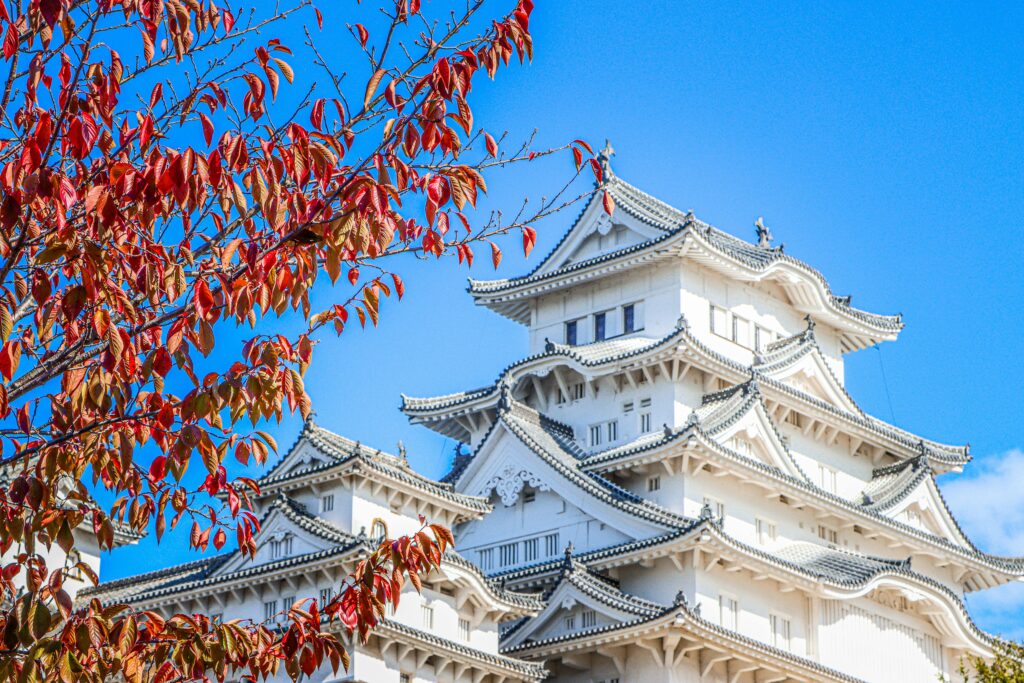
- Autumn (September–November): Cooling temperatures, clear skies, and vibrant autumn foliage from mid-October through November in many regions.
- Winter (December–February): Cold and dry in much of Honshu, heavy snowfall in northern and alpine regions ideal for winter sports; mild in Okinawa.
When planning, also note typhoon season typically runs August–October and can affect southern and coastal areas with heavy rain and wind. For up-to-date forecasts, consult national weather advisories when finalizing travel dates.
Japan weather by month travel guide
This month-by-month breakdown summarizes typical temperatures, rainfall patterns, and recommended travel focuses for central and regional Japan. It uses official climate averages to give realistic expectations across the calendar year.
January — Winter deepens. Expect cold, dry weather in Tokyo and much of Honshu with average daytime highs around 7–10°C (45–50°F). Hokkaido is very cold with heavy snow, excellent for skiing. Okinawa remains mild (around 18–20°C / 64–68°F). January is quiet for tourists after New Year; it’s a good month for winter sports and hot-spring (onsen) getaways.
February — Peak ski season in many northern and mountainous resorts. Temperatures similar to January; Hokkaido and the Japanese Alps receive abundant powder. Crowds grow at popular ski towns but many cultural attractions are uncrowded. If chasing snow festivals, Sapporo’s Snow Festival occurs in February most years.
March — Transition to spring. Coastal areas begin to warm; cherry blossoms open on southern islands and southwest Japan late in the month. Rainfall remains modest but increases gradually. Early spring is ideal for fewer crowds than peak cherry blossom weeks.
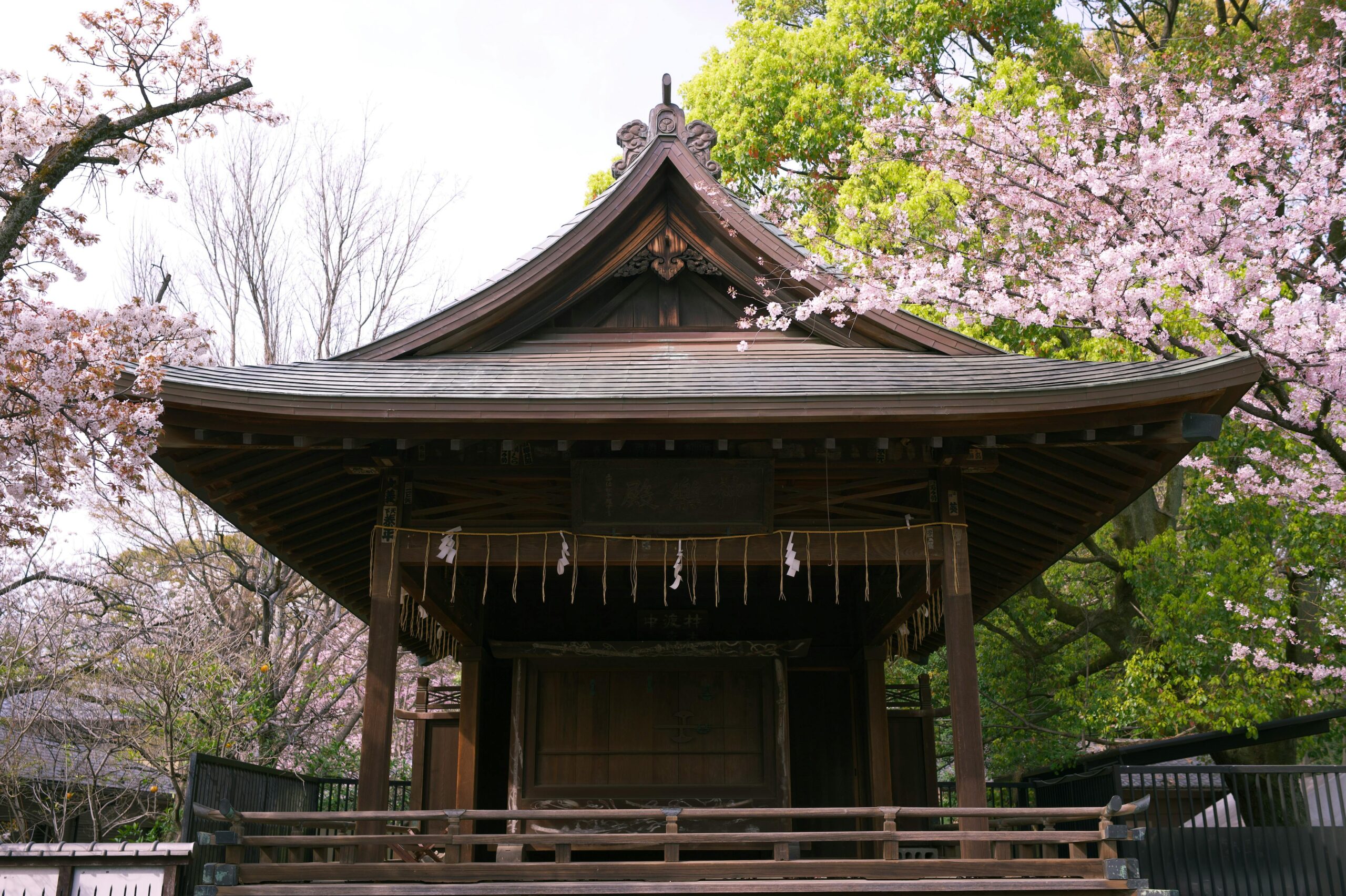
April — Cherry blossom season reaches central Japan (Tokyo, Kyoto, Osaka) typically between late March and mid-April depending on the year. Temperatures are mild (13–20°C / 55–68°F). This month sees a surge in visitors; book transport and accommodations early if you want prime blossom dates.
May — Pleasant, warm weather and many national holidays concentrated in Golden Week (late April–early May). Flowers, greenery, and festivals make May a lovely month, but expect heavy domestic travel and higher prices during holidays. Temperatures average 18–24°C (64–75°F).
June — The rainy season (tsuyu) typically begins in early–mid June and lasts several weeks, bringing higher humidity and frequent rain in much of Japan except Hokkaido. Gardens are lush and fewer tourists visit major cities. If you prefer dryer conditions, consider Hokkaido, Okinawa, or indoor cultural activities.
July — Following the rainy season, July becomes hot and humid across Honshu and Kyushu. Summer festivals (matsuri) like Gion in Kyoto and fireworks displays are highlights. Coastal regions and islands become popular for beach trips. Expect daytime highs often above 30°C (86°F) in many urban areas.
August — Peak summer heat and humidity; many Japanese take summer vacations in August, so some cities empty as locals head to beaches or hometowns. The Obon holiday mid-August is a major travel period for domestic transport. Typhoon risk increases late summer; monitor forecasts if traveling to Okinawa or the southern archipelago.
September — Late summer/early autumn. Temperatures slowly moderate but typhoons can bring heavy rain early in the month. By late September, some regions begin to cool and colorful leaves appear in higher elevations. Shoulder-season rates resume in many places, offering a good balance of weather and fewer crowds.
October — One of the most comfortable months to travel: mild temperatures, lower humidity, and clearer skies. Autumn foliage begins in higher mountains and northern regions late in the month. Cultural festivals and food events are common.
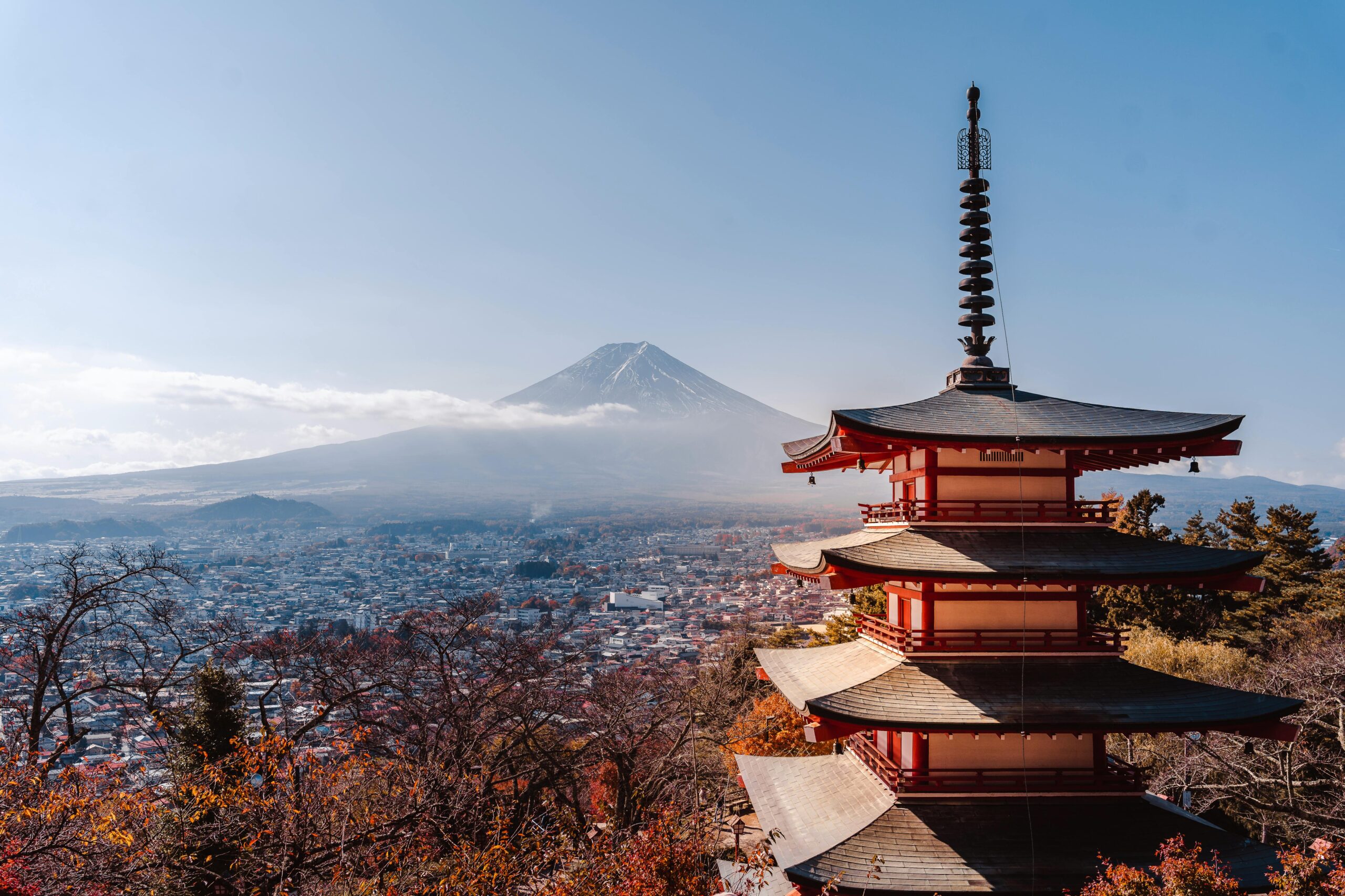
November — Prime autumn color in many parts of Japan, especially in Kyoto and the central mountains. Cool, crisp days make outdoor sightseeing pleasant. Temperatures range broadly from 8–18°C (46–64°F) depending on latitude and elevation.
December — Early month offers pleasant sightseeing with fewer tourists; by late December, temperatures fall and snow begins in northern/western mountains. Many cities light up with seasonal illuminations, making winter evenings atmospheric. Prices may rise around the New Year holiday period.
Regional differences: Hokkaido to Okinawa
Japan’s climate varies dramatically from north to south. Use these regional summaries to calibrate travel plans:
- Hokkaido: Cool summers and long, snowy winters. Best for summer hiking (July–August) and winter sports (December–March).
- Tohoku & northern Honshu: Cold winters and beautiful autumn colors; spring cherry blossoms usually later than central Japan.
- Kanto (Tokyo area): Four distinct seasons — spring and autumn are most comfortable for sightseeing.
- Kansai (Kyoto, Osaka): Similar to Tokyo with added humidity in summer; spring blossoms and autumn leaves are major draws.
- Chubu & Japanese Alps: Mountain weather — cool summers and heavy snowfall in winter; check mountain pass status in shoulder seasons.
- Shikoku & Kyushu: Warmer, earlier springs and longer summers; typhoon exposure is higher in late summer/early autumn.
- Okinawa & southern islands: Subtropical climate — warm year-round, best for winter escapes and scuba diving in spring and autumn when water clarity is high.
When choosing dates, consider the latitude and altitude of your destinations. For example, cherry blossoms open earlier in southern cities like Fukuoka than in Tokyo or Kyoto, and much later in Hokkaido. Mountain passes and ski resorts also have distinct windows for safe access.
Best times by interest: cherry blossoms, foliage, skiing, and festivals
If you travel for specific experiences, plan around seasonal windows rather than calendar months alone:
- Cherry blossoms (sakura): Typically late March–early April in central Honshu; earlier in Kyushu and Okinawa, later in northern Honshu and Hokkaido. Bloom windows vary year to year depending on temperatures.
- Autumn foliage (koyo): Peaks differ regionally — October in higher elevations and northern regions, mid-November in Kyoto and Tokyo.
- Skiing and snowboarding: Best from December through March in Hokkaido and the Japanese Alps where consistent powder delivers excellent conditions.
- Festivals: Summer (July–August) is festival season with bright fireworks and street processions; New Year (late December–early January) has unique temples and shrine activities.
For popular seasonal events, book well in advance. Hotels fill quickly during peak cherry blossom and autumn foliage weeks as well as during Golden Week and Obon holidays. Use online booking platforms to compare dates and properties when your travel window is fixed; for example, you can check hotel availability across Japan.
Practical travel tips: packing, crowds, and transport
Packing and logistics vary by season. Here are practical tips to help you prepare:
- Packing: Bring layers for spring and autumn, a waterproof jacket for the rainy season, and warm, insulated clothing for winter. If visiting mountains, include windproof and thermal layers.
- Crowds: Expect large domestic crowds during Golden Week (late April–early May), Obon (mid-August), and New Year. To avoid crowds, travel in the shoulder weeks before or after peak bloom or foliage periods.
- Transport: Trains are reliable year-round, but consider reserving seats for long-distance journeys during peak travel weeks. Regional flights are useful for island or Hokkaido access.
- Weather disruption: Typhoons can cause flight and train cancellations in August–October; maintain flexible itineraries during that window and sign up for travel advisories.
When you finalize dates, compare accommodation and transport options early to secure the best choices. A good starting point for comparing properties and availability is to search accommodations across different regions.
Comparison table: months, typical conditions, and traveler priorities
| Month | Typical conditions | Good for | Considerations |
|---|---|---|---|
| January | Cold, dry; heavy snow north | Winter sports, onsen | Short daylight, New Year holidays |
| February | Very cold; peak snow | Skiing, snow festivals | Transport to resorts popular |
| March | Cooling to mild; early blooms | Late winter escapes, early cherry blossoms | Unpredictable bloom timing |
| April | Mild; cherry blossom peak | Sightseeing, photography | High tourist demand |
| May | Warm, pleasant | Nature, cultural sightseeing | Golden Week crowds |
| June | Rainy season starts | Lower prices, greenery | Frequent rain, high humidity |
| July | Hot, humid after rain | Festivals, beaches | Heat, typhoon risk |
| August | Hot, humid; typhoon season | Beaches, festivals | Obon travel, potential storms |
| September | Cooling; typhoon possible | Shoulder-season travel | Weather can be unsettled |
| October | Mild, clear | Autumn leaves begin, hiking | Great all-around month |
| November | Cool, crisp; peak foliage | Photography, temples | Early cold in north |
| December | Cool to cold; snow north | Lights, winter festival lead-in | New Year planning |
Planning checklist and final booking tips
Follow this checklist when you lock in dates:
- Set priorities: weather, events, or lower crowds. That determines ideal months.
- Check event calendars and local holidays to avoid unwanted crowding or closures.
- Reserve transport and accommodations early for peak seasons (cherry blossom, autumn leaves, Golden Week, Obon).
- Pack layered clothing and rain gear for shoulder seasons; include sun protection in summer.
- Keep flexible days if traveling during typhoon season and monitor official weather updates.
For hotel and lodging comparisons, searching nationwide listings can reveal better options if your dates are flexible; use reputable booking platforms to verify cancellation policies and exact locations when planning multi-city itineraries.
FAQs
When is cherry blossom season in Japan?
Cherry blossom timing varies by latitude and yearly weather. Generally, southern areas bloom first in February–March, central regions like Tokyo and Kyoto in late March to early April, and Hokkaido in late April to early May. Peak bloom lasts only a few days in each location, so use multi-year averages and local forecasts to narrow your dates.
Is Japan expensive to visit during peak months?
Costs rise during peak travel weeks such as Golden Week, cherry blossom peak, and Obon. Accommodation and transport prices can be significantly higher and availability limited. Traveling in shoulder seasons or booking several months in advance helps manage costs.
How does the rainy season affect travel in June?
The rainy season (tsuyu) typically brings persistent rain and higher humidity across much of Japan except Hokkaido. Outdoor plans may be disrupted, but cultural sites are less crowded and landscapes are lush. Pack waterproof gear, and consider northern or high-altitude destinations to reduce the impact of rain.
When is the best time for skiing in Japan?
December through March is the principal ski season, with peak powder conditions often in January and February, especially on Hokkaido’s slopes and in the Japanese Alps. Early and late season conditions can vary, so check resort snow reports before booking.
Should I worry about typhoons when traveling?
Typhoon season peaks from August to October. Most trips proceed without incident, but storms can delay flights and trains and cause cancellations. If traveling in late summer or early autumn, maintain flexible plans, secure travel insurance, and monitor warnings from official weather agencies.
Conclusion
Choosing the best time to visit Japan comes down to balancing weather, activities, and crowd tolerance. For most travelers seeking comfortable sightseeing and iconic seasonal displays, spring and autumn are prime. Winter attracts skiers and onsen enthusiasts while summer offers festivals and tropical island escapes. Use the month-by-month guide and regional notes above to match weather patterns to your priorities, and book accommodations and transport well ahead for peak periods. With a little planning informed by official climate patterns, you can pick the ideal window for a memorable trip to Japan.

Our Fact Checking Process
We prioritize accuracy and integrity in our content. Here's how we maintain high standards:
- Expert Review: All articles are reviewed by subject matter experts.
- Source Validation: Information is backed by credible, up-to-date sources.
- Transparency: We clearly cite references and disclose potential conflicts.
Our Review Board
Our content is carefully reviewed by experienced professionals to ensure accuracy and relevance.
- Qualified Experts: Each article is assessed by specialists with field-specific knowledge.
- Up-to-date Insights: We incorporate the latest research, trends, and standards.
- Commitment to Quality: Reviewers ensure clarity, correctness, and completeness.
Look for the expert-reviewed label to read content you can trust.