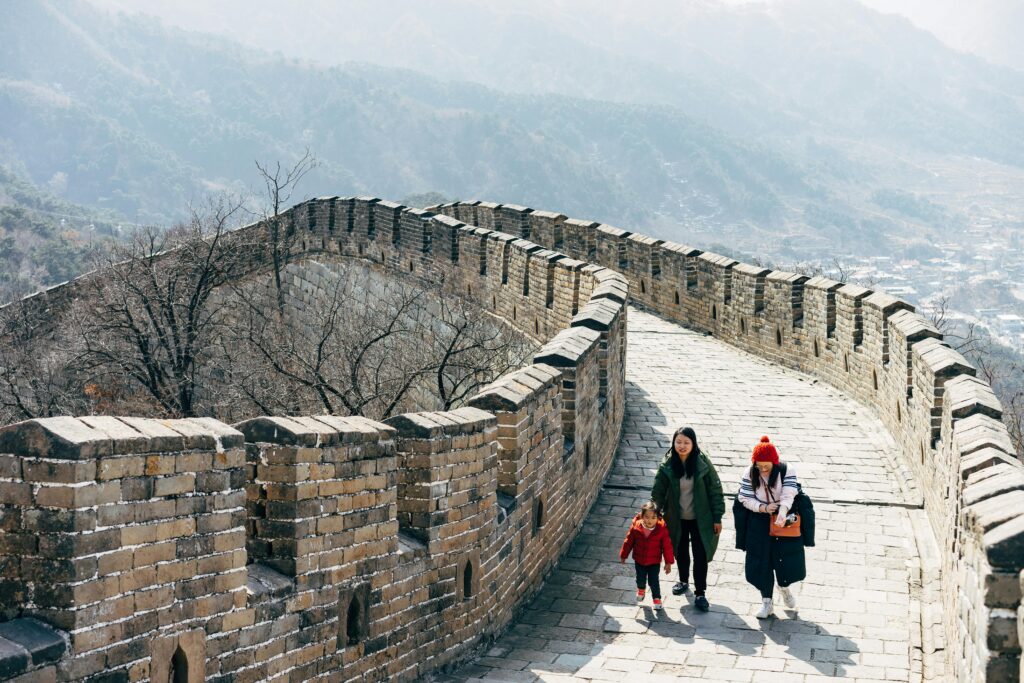
Deciding the best time to visit China depends on what you want to see: dramatic mountain snows, lush southern landscapes, spring blossoms, autumn colors, or vibrant festival crowds. This guide uses official climate data and tourism board guidance to map out China weather by month travel guide information so you can pick months that match your interests and comfort level.
The country’s vast size produces many microclimates, so “best” varies by region. Below you’ll find a clear, month-by-month breakdown, regional recommendations, packing tips, and festival timing to help you plan a trip that avoids extreme weather and takes advantage of China’s highlights.
Overview: Seasons and what they mean for travelers
China spans subtropical islands in the south to subarctic highlands in the north-west, producing four main climate zones: temperate north, subtropical south, arid inland, and plateau/mountain ranges. Spring (March–May) and autumn (September–November) are generally the most comfortable nationwide, with moderate temperatures and lower rainfall in many areas. Summer (June–August) brings heat and monsoon rains in the south and east, while winter (December–February) is cold in the north and mild to chilly in the south.
When planning, consider not only temperature but rainfall, air quality (seasonal haze can affect northern cities), and crowding during national holidays such as Chinese New Year (varies, Jan/Feb) and Golden Week (first week of October). For climate verification and monthly averages refer to official meteorological sources and the national tourism board’s seasonal guidance to align expectations with local conditions.
Best months by region: where to go when
North (Beijing, Harbin, Inner Mongolia): Visit late spring (May–June) and early autumn (September–October) for mild weather and clearer skies. Winters are extreme—Harbin’s Ice Festival (January) is spectacular but very cold. If you want to avoid smog and the baking summer heat, choose May or September.
East and Central China (Shanghai, Hangzhou, Wuhan): Spring (March–May) and autumn (September–November) are ideal—comfortable temperatures, lower humidity, and scenic foliage or blossoms. Summers are humid with heavy rain; winters are cool and damp.
South (Guangzhou, Guilin, Yunnan): Winters are mild and pleasant (December–February), making southern China a winter escape for warmth and clear views. Spring and autumn are also excellent, but summer brings monsoon rains and high humidity. For Yunnan’s highland areas, the shoulder seasons (April–May and September–October) give clear skies and mild days.
Northwest and Plateau (Xi’an, Tibet, Qinghai): Late spring to early autumn (May–September) is the practical travel window. High-elevation areas can have snow year-round; Tibet has short, intense summers with many travelers and permit considerations. For high-altitude trekking, June–September offers the warmest and most stable weather.
Coastal islands (Hainan, Taiwan): Hainan’s dry season (November–March) is the most comfortable time to visit beaches; typhoon season (July–September) raises risks. For Taiwan, spring and autumn are ideal; summer is hot and humid with occasional typhoons.
Month-by-month travel guide: what to expect
This month-by-month guide summarizes typical weather, crowd levels, and travel advice for planning an itinerary across China. These summaries rely on official climate records and tourism guidance for seasonal trends.
January: Deep winter in the north—very cold with snow in Harbin and Beijing. Southern regions like Guangzhou remain mild. Expect festival preparations and travel spikes around Lunar New Year later in the month if dates fall here.
February: Winter continues in the north but cities have clearer air after cold snaps. Lunar New Year often falls in February; if you plan to travel during the festival, book transport and lodging weeks in advance because domestic travel surges.
March: Spring arrives in many regions. Southern and central China bloom and temperatures rise. Northern areas are still cool but becoming more comfortable. A good time for fewer tourists and lower prices.
April: Peak spring, especially for gardens and river valleys. Rain begins to pick up in the south. Mild weather and blossoms make April excellent for photography and outdoor walks.
May: Late spring warms up dramatically; southern monsoons start in some areas late in the month. May Day (Labour Day) holiday creates domestic travel spikes—expect higher prices near attractions.
June: Summer begins. East and south experience rainy season and high humidity. Mountain areas are lush. Northern China becomes quite warm; consider higher-altitude destinations to avoid heat.
July: Hot and humid with frequent downpours in the south and east. July is peak season for many domestic travelers, especially students on summer break. Coastal areas see more beachgoers, while plateau regions remain pleasant.
August: Heat persists; typhoon risk rises along southern coasts. Crowds can be heavy at popular sites. For quieter travel, look to higher altitudes or northern parts of the country where temperatures are more tolerable.
September: Early autumn is one of the best travel windows: reduced rain, comfortable temperatures, and clear skies. Scenic areas like Jiuzhaigou and the Yellow Mountains are especially photogenic.
October: Golden Week (first week of October) causes heavy domestic travel and crowding. Outside the holiday, October is excellent for pleasant weather and fall colors.
November: Autumn ends and temperatures cool. Northern cities get colder, while southern areas remain mild. A quieter time to travel with fewer crowds and lower prices in many destinations.
December: Winter sets in across northern and central China; southern regions are cool but generally comfortable. Ski resorts open, and festive lighting appears in cities.
Planning tips: avoid crowds, book smart, and pack right
Travelers should plan around two major domestic holiday windows: the Lunar New Year (late Jan–Feb, date varies) and Golden Week (first week of October). During these windows, trains and flights sell out, and major attractions become very crowded. If you must travel during holidays, book at least 6–8 weeks ahead.
For accommodations and last-minute availability across cities and regions, many visitors use major booking platforms for comparison and reservations—consider searching options early in peak seasons on the official listings. For a comprehensive view of hotels and regional availability, check reliable accommodation directories when building your itinerary: browse hotels in China.
Packing checklist varies by season:
- Spring/Autumn: layers, light jacket, umbrella.
- Summer: breathable fabrics, rain jacket, sun protection, insect repellent.
- Winter: insulated coat for the north, lighter warm layers for the south.
- High-altitude areas: warm day and night layers, sunscreen, hydration aids.
Remember that inland and plateau climates can change rapidly; always check local forecasts shortly before departure and be prepared to adjust plans.
Weather extremes, health, and safety considerations
Heatwaves and heavy rainfall during summer can cause travel disruptions—roads may flood, and outdoor sites can close temporarily. In winter, heavy snow can affect northern transport schedules. High-altitude sickness is a genuine risk in Tibet and parts of Qinghai; acclimatize slowly and follow medical guidance.
Air quality fluctuates seasonally and regionally; Beijing and other industrial basins sometimes experience poor air days in winter. Those with respiratory conditions should consult local forecasts and consider scheduling sensitive outdoor activities during clearer months.
For detailed local climate statistics and advisories, consult official meteorological sources before finalizing an itinerary—these sources provide monthly averages and alerts that help align expectations to seasonal realities: China Meteorological Administration.
Festivals, events, and how they affect travel
Festival timing is a major travel factor. Key events include:
- Lunar New Year (Jan/Feb, date varies): biggest domestic travel period—expect extreme crowds and temporary closures of many businesses as people return home.
- Qingming Festival (early April): important for family travel and cemetery visits—short domestic travel spike.
- Dragon Boat Festival (June, date varies): cultural events and regional races attract crowds.
- Mid-Autumn Festival (Sept/Oct, date varies) and Golden Week: popular for family travel and tourism; attractions crowded and prices higher.
- Harbin Ice and Snow Festival (January–February): spectacular winter displays but very cold.
When planning to attend an event, book transport and accommodation well in advance and allow extra time for queues at main attractions. Off-peak months allow more flexibility, lower prices, and less crowding at UNESCO sites and major museums.
Comparison table: seasons at a glance
| Season | Months | Typical weather | Best for |
|---|---|---|---|
| Spring | Mar–May | Mild, flowers, increasing rain in south | City sightseeing, gardens, moderate hiking |
| Summer | Jun–Aug | Hot, humid, monsoon rains in the south | High-altitude treks, northern regions, coastal beaches (careful of typhoons) |
| Autumn | Sep–Nov | Cool, dry, clear skies | Photography, hiking, fall foliage |
| Winter | Dec–Feb | Cold in north, mild in south, snow at altitude | Winter sports, southern escapes, ice festivals |
Practical itinerary examples by month
Here are three sample itineraries tuned to different months and interests to illustrate how weather and events shape travel choices.
May (late spring): Focus on eastern and central China—Shanghai for city life, Hangzhou for its lakes and tea terraces, and Suzhou’s gardens. Comfortable temperatures and blooming landscapes make photography and walks pleasant.
September (early autumn): Ideal for an east-to-west route—start in Beijing for culture and history, move to Xi’an to explore terracotta heritage, and finish in Chengdu or Jiuzhaigou for landscapes and cooler mountain air. Expect clear skies and tranquil conditions outside Golden Week.
January (winter specialist): Plan for northern winter festivals—Harbin’s Ice and Snow Festival, Beijing’s historic sites (bundled into cold days), and then head south to Hainan for warmer beaches if you prefer mild daytime temperatures. Allow extra time for winter transport variability.
FAQs
When is the best month to visit China overall?
For most travelers seeking comfortable weather and fewer disruptions, late spring (April–May) and early autumn (September–October) are the best overall months. These windows combine mild temperatures, clearer skies, and lower rainfall across many popular regions.
How does the rainy season affect travel plans?
Monsoon rains typically arrive in early summer (June onward) in southern and eastern China, bringing heavy, sometimes sudden downpours and higher humidity. Travel plans involving outdoor activities and scenic drives should allow flexibility; indoor alternatives (museums, culinary tours) are good backups during heavy rain.
Are there months to avoid because of crowds or holidays?
Avoid traveling during the Lunar New Year and Golden Week when possible, as these holiday periods draw massive domestic travel and inflate prices. If you must travel then, book transport and accommodation well in advance and expect busy conditions.
What months are best for visiting Tibetan regions safely?
May through September is the safest and most accessible window for Tibetan areas, when passes are more likely to be open and temperatures are warmer. Acclimatization to altitude is crucial—plan gradual ascents and consult health guidance.
How can I check up-to-date weather before traveling?
Consult national meteorological services and local weather advisories shortly before departure for accurate forecasts and warnings. Official sources provide monthly averages and real-time alerts that are essential for adjusting travel plans and packing appropriately.
Conclusion
Choosing the best time to visit China depends on the regions you plan to see and the experiences you want: spring and autumn are broadly ideal for most itineraries, while winter suits northern festival-goers and summer enables high-altitude escapes. Use the month-by-month guidance above to match weather patterns to your priorities, and reference official climate data and tourism advisories when finalizing dates. For lodging and scheduling during peak windows, it’s wise to secure reservations early and build flexibility into your plans to account for seasonal weather or holiday surges.
Armed with season-specific packing, festival awareness, and the month-by-month overview, you can select the right travel window to enjoy China’s breadth of landscapes and cultural experiences.