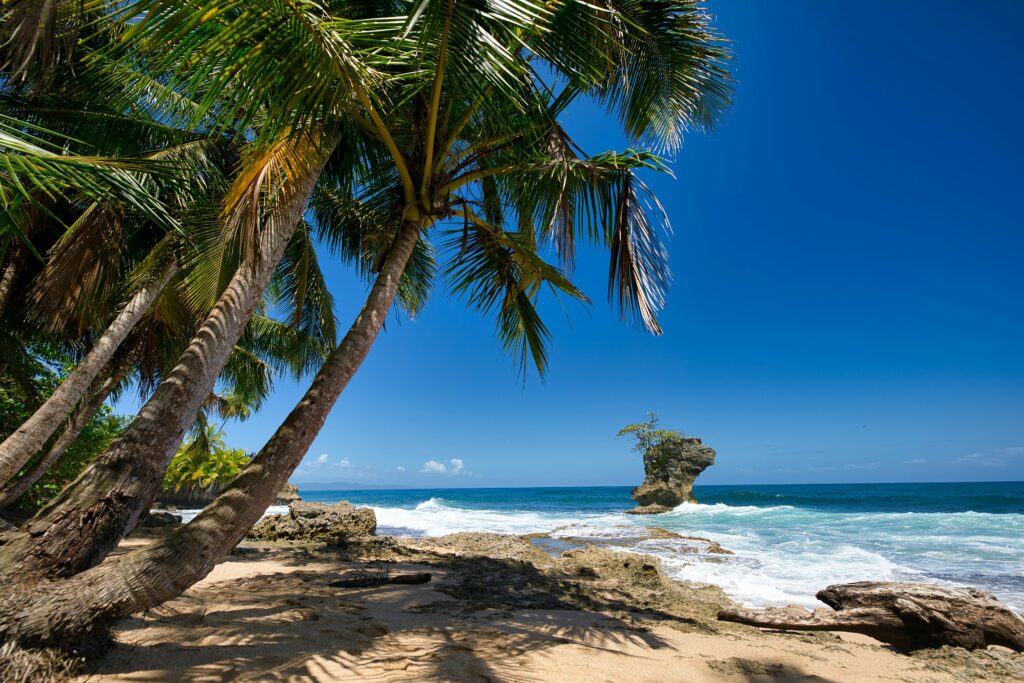
Deciding the best time to visit Costa Rica depends on what you want to see and do: wildlife spotting, surfing, hiking cloud forests, or relaxing on sun-drenched Pacific beaches. The country’s climate varies by region and elevation, so the best months differ for the coast, highlands, and Caribbean lowlands.
This guide uses climate data from national meteorological sources and the Costa Rica tourism board to give a clear, month-by-month picture of conditions across the country. Read on for a detailed Costa Rica weather by month guide, regional notes, activity recommendations, a comparison table, and practical tips to plan your trip.
Costa Rica: seasonal overview and what “best time” really means
Costa Rica has two main seasons: the dry season (locally called verano or “summer”), typically from mid-December through April, and the rainy season (invierno) from May through November. However, microclimates—driven by elevation and Pacific vs. Caribbean exposure—mean that one region can be sunny while another sees periodic showers.
For many travelers, the dry season is the easiest time to visit because roads are more reliable, beaches are sunnier, and outdoor activities are less likely to be interrupted by heavy rains. But the rainy season brings lush landscapes, fewer tourists, lower prices, and exceptional wildlife activity—especially for birding and sea turtle nesting.
Month-by-month climate guide for Costa Rica
Below is a practical month-by-month guide to Costa Rica weather, focused on averages and what travelers can expect in each month across popular regions: Pacific coast (Guanacaste, Nicoya, Central Pacific), Caribbean coast (Limon), and highland areas (San José, Monteverde, Arenal).
January: Peak dry season—sunny, warm at low elevations (26–32°C / 79–90°F), cool at night in highlands. Ideal for beach days, national parks, and festivals.
February: Similar to January—very reliable weather, excellent surf conditions on the Pacific for intermediate-to-advanced surfers, and ideal conditions for hiking cloud forests when skies are clear.
March: Still dry and hot along the lowlands; occasional afternoon showers may begin late in the month in some central areas. Great month for whale watching off the southern Pacific in some years.
April: Transitional month—early April remains dry, but by late April the humidity builds and short late-afternoon showers increase. Travel costs still moderate if booked before Holy Week (Semana Santa), which is a national travel peak.
May: Rainy season starts in earnest. Expect afternoon or evening downpours and clearer mornings. The Pacific coast sees a notable rise in rainfall; the northern Guanacaste plateau often experiences a delayed onset, keeping some western beaches fairly dry early in the month.
June: Rain becomes more regular; mornings are often pleasant with clouds and showers later. This is an excellent month for fewer crowds, lower lodging rates, and lush green landscapes. Certain rivers rise—ideal for rafting in designated seasons.
July: Known locally as the “veranillo” or small dry spell in some years—patches of drier weather can appear. Caribbean coast often experiences consistent rainfall year-round but may show improved windows for visits in July.
August: Rainy season continues with frequent rains, often intense but usually not lasting all day. Good month for wildlife photographers and surfers who favor offshore swells on the Pacific.
September: Typically the wettest month in many Pacific locations. Expect heavy showers, a significant drop in visitor numbers, and many lodges offering discounts. Be cautious of river levels and isolated road closures in remote areas.
October: Still in the rainy season, though rainfall may start declining in parts of the Pacific. Caribbean coast can be relatively drier than the Pacific in some years, making Limon and Tortuguero worthwhile if you want fewer crowds and reliable wildlife viewing.
November: Transition back to the dry season begins in many areas; afternoon rains taper off. By late November, Pacific beaches begin to dry and the landscape becomes vibrant as rivers swell then recede, creating spectacular waterfalls.
December: Early December can be wet, but by mid-December the dry season usually takes hold. High season begins around mid-December and remains through April, with Christmas and Easter being the busiest periods.
Regional weather patterns and microclimates
Costa Rica’s weather varies dramatically with elevation and exposure. Below are regional snapshots to help match destinations with the right time of year.
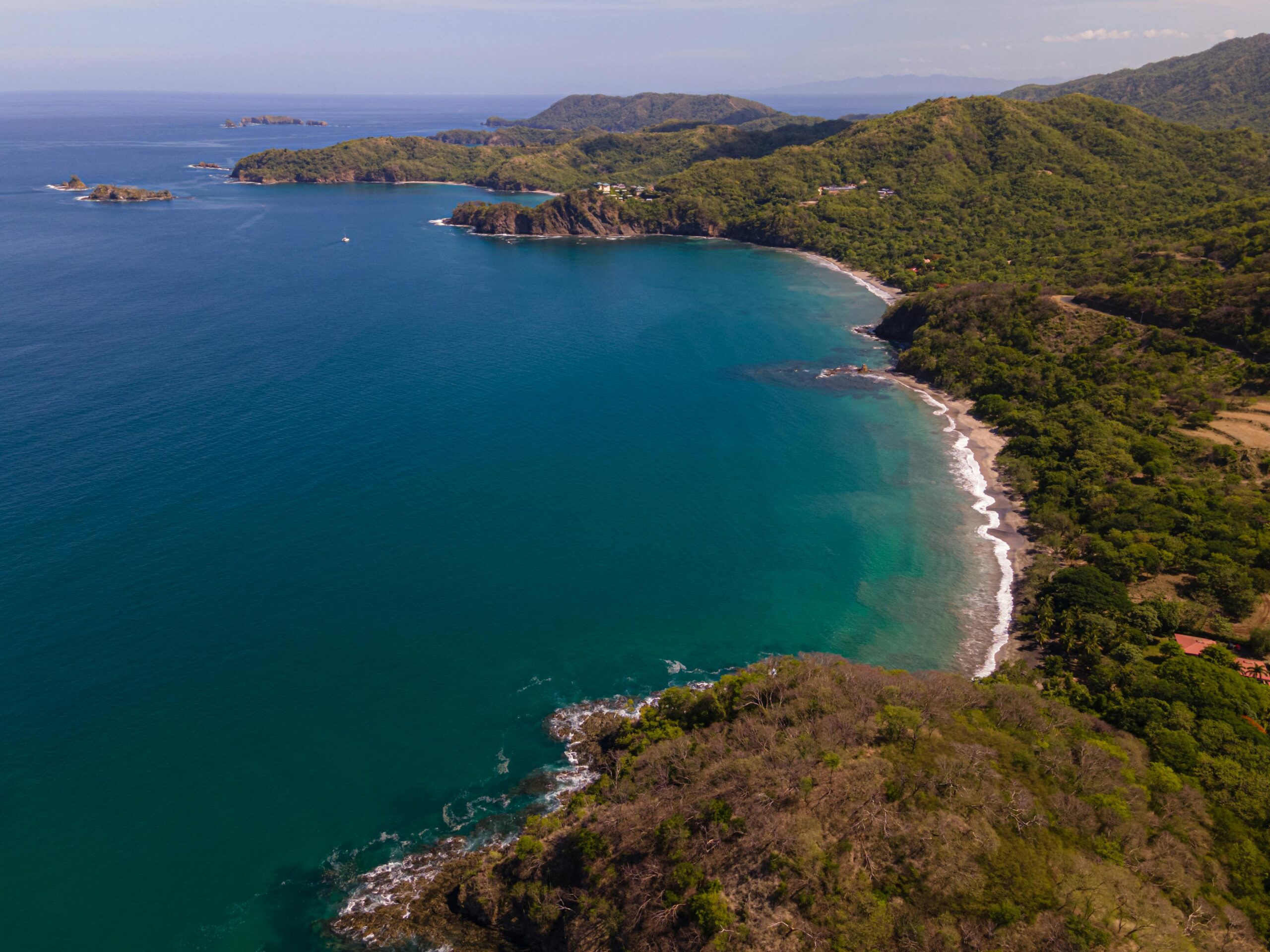
- Pacific dry corridor (Guanacaste & Nicoya): Best visited Dec–Apr for sun and beaches. Guanacaste is the driest part of the country and often holds out longer into May than other Pacific areas.
- Central Pacific (Manuel Antonio, Jaco): Dry season December–April; expect more afternoon showers from May onwards. Manuel Antonio offers reliable wildlife viewing when trails are open.
- Southern Pacific (Osa Peninsula, Corcovado): Wetter overall, with rainforest conditions year-round. November–April tends to be drier, but the region remains humid and lush any month.
- Caribbean coast (Tortuguero, Puerto Viejo): Rainfall is less predictable: two wet seasons (May–June and October–November) can occur, but you can find drier windows in September–October in some years.
- Central Highlands (San José, Poás, Monteverde, Arenal): Cooler temperatures (15–25°C / 59–77°F) and more cloud cover; microclimates around cloud forests mean frequent mist and afternoon rains outside the high dry season.
For peak beach weather and the most predictable conditions, plan Pacific coast travel between mid-December and April. If your priority is fewer tourists and lush scenery, the shoulder months (May and November) offer good compromises.

Wildlife, festivals, and activities by season
Choosing the best month often depends on the wildlife or activities you prioritize. Here is a quick guide to optimal months for popular experiences:
- Sea turtles: Pacific nesting (Ostional, Marino Ballena) peaks in the rainy season; Caribbean (Tortuguero) nesting peaks July–October for green turtles and October–March for leatherbacks.
- Whale watching: Best times include July–October and December–March, with variations by bay and year. Southern Pacific sees seasonal migrations.
- Surfing: Pacific big swells are common during the rainy season; Guanacaste and Nicoya offer consistent waves. The Caribbean breaks can be unpredictable but rewarding in certain months.
- Hiking and canopy walks: Dry season is preferable for trail access and better views; however, cloud forests are spectacular and verdant during the rainy season if you don’t mind mist and occasional slick trails.
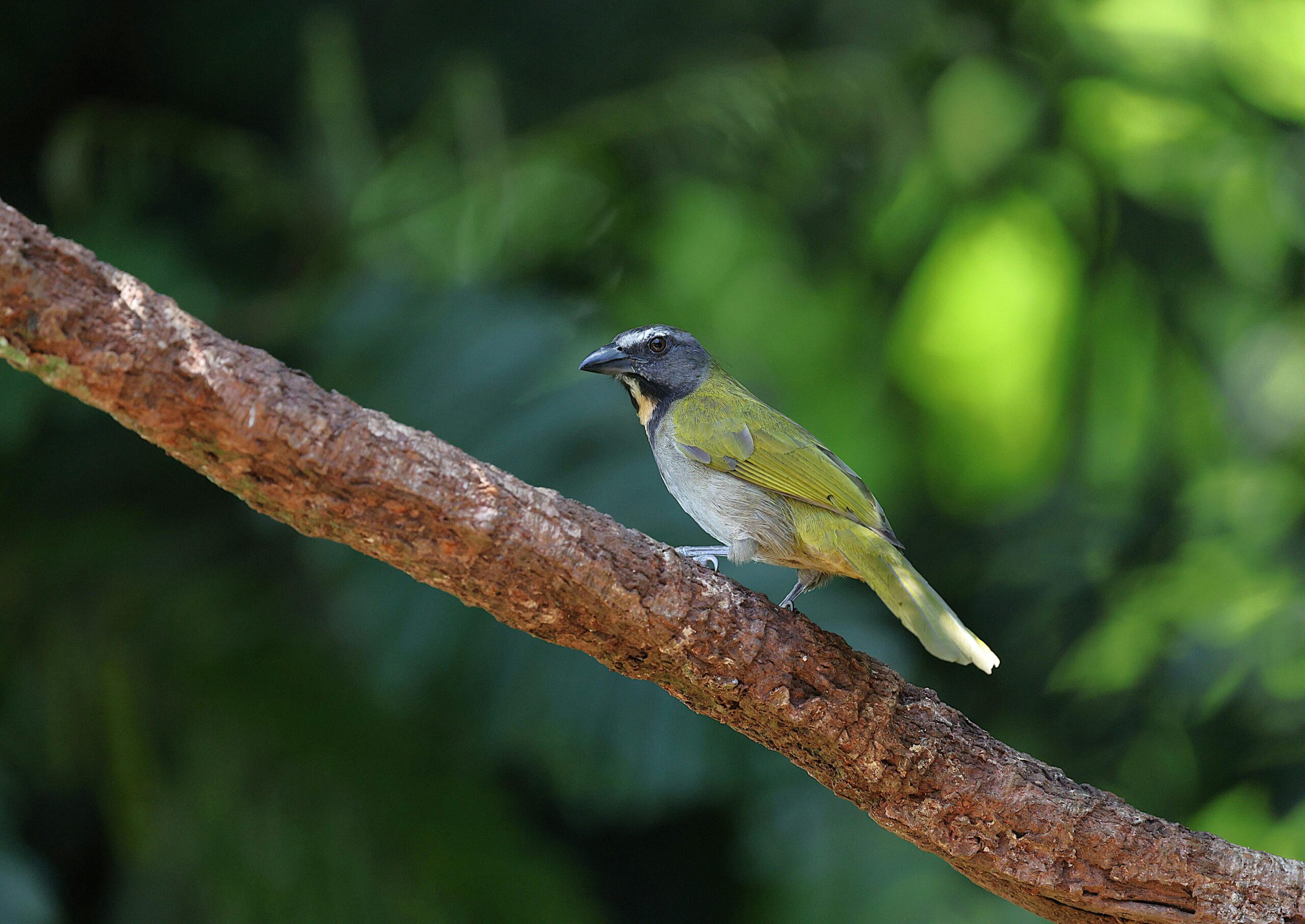
- Birdwatching: Year-round, but migration windows and nesting displays vary—shoulder months and rainy season can produce excellent sightings as food is abundant.
- Festivals: Holy Week (Semana Santa), Christmas and New Year, and local town festivals (fiestas patronales) are concentrated in the dry season—expect crowds and higher prices.
Practical travel planning: crowds, prices, and logistics
Peak season (mid-December to April) brings the best weather for sun-seeking visitors but also the highest prices and biggest crowds. If you travel then, book accommodations and domestic flights well in advance. For a balance of good weather and reasonable rates, consider the shoulder months of November and May.
For budget travelers and those seeking solitude, the rainy season (June–October) offers the lowest prices, fewer tour groups, and a chance to experience rainforest ecosystems at their most vibrant. Keep in mind that some remote lodges may close or reduce services during the wettest weeks.
When booking accommodations, compare options for your preferred region and season. You can search current availability and traveller reviews on booking platforms to find lodging that matches your travel dates and interests: search accommodations in Costa Rica.
Quick comparison table: dry season vs. rainy season
| Feature | Dry Season (Dec–Apr) | Rainy Season (May–Nov) |
|---|---|---|
| Weather | Sunny mornings, low chance of rain | Frequent afternoon/evening showers; lush landscapes |
| Crowds & Prices | High crowds; peak prices | Low crowds; discounted rates |
| Road & Trail Conditions | Best for remote access | Some routes may be muddy or impassable |
| Wildlife | Good visibility; active marine life seasons | Excellent breeding/foraging activity; intense birding |
| Best for | Beach holidays, hiking, festivals | Photography, wildlife, budget travel |
Packing checklist and safety considerations by season
Packing efficiently improves flexibility across climates. Essentials year-round include light, breathable clothing, a compact rain jacket, sturdy walking shoes, reef-safe sunscreen, insect repellent, and a reusable water bottle. For highland or cloud forest visits, pack a warm layer and waterproof hiking boots.
During the rainy season, add quick-dry clothing, waterproof dry bags for electronics, and itinerary flexibility—allow extra travel time between destinations because of potential road impacts. Also, check local advisories for river conditions if you plan river trips or canyoning.
Health and safety: Tap water is safe in most urban areas but bottled water is often recommended in remote locations. Stay informed about seasonal hazards like strong surf or flash floods in low-lying rivers; local guides and lodge staff provide the most current safety advice on specific trails and beaches. For current accommodation availability and to compare lodgings with cancellation options, you can check listings and traveler feedback here: find hotel deals in Costa Rica.
FAQs
When is the absolute best month to visit Costa Rica for good weather?
For the most reliable sunny weather across the Pacific lowlands and central highlands, mid-December through March is the safest window. If you want fewer crowds and lower prices while still enjoying decent weather, consider late November or May.
Is Costa Rica worth visiting in the rainy season?
Yes. The rainy season offers lush landscapes, abundant wildlife, and lower prices. While some remote roads may be challenging and afternoon storms frequent, mornings are often clear and activities like wildlife photography, rafting, and surfing can be excellent.
How does climate differ between the Caribbean and Pacific coasts?
The Caribbean coast has a more complex rainfall pattern with less predictable dry months and often significant rain even during the Pacific dry season. The Pacific coast follows a clearer dry/rainy split, with the Nicoya Peninsula and Guanacaste being the driest areas.
Are national parks open year-round and does season affect access?
Most national parks are open year-round, but access to trails in remote parks like Corcovado or some cloud forest reserves can be limited by heavy rains. Guided tours often continue but may alter routes or schedules during the wettest periods.
How can I avoid crowds but still have good weather?
Aim for shoulder months: November (late) and May (early) usually offer a good balance of fewer tourists and improving weather. Choosing less-visited regions—such as the Southern Pacific or higher-elevation cloud forests—also helps avoid crowds year-round.
Conclusion
There is no single “best” time to visit Costa Rica—only the best time for your priorities. If you want predictable sunshine for beach and hiking itineraries, plan for mid-December to April. If you’re seeking lush rainforest scenery, abundant wildlife, lower prices, and don’t mind afternoon rains, the rainy season provides excellent value and experiences. Use this Costa Rica weather by month guide to match activities and regions with the months that suit you best, and book strategically for festivals, nesting events, or peak surf seasons.
Whichever season you choose, planning with regional weather patterns and local advice in mind will help you enjoy Costa Rica’s extraordinary biodiversity, friendly culture, and varied landscapes to the fullest.